
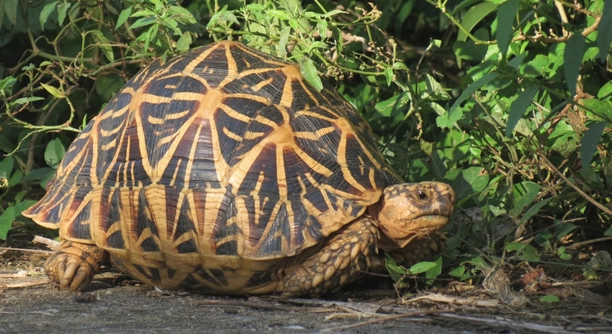
Indian star tortoises are known for their striking appearance and calm nature, making them a popular choice for reptile enthusiasts. These tortoises have specific care requirements that can be challenging for new owners. Before bringing one home, it’s important to know what you’re getting into.
Before getting an Indian star tortoise, consider their diet, habitat, and long lifespan. These tortoises need a spacious, dry environment with access to sunlight, a proper balance of leafy greens, and regular veterinary care to thrive.
Understanding these factors will help ensure your tortoise has a comfortable, healthy life and remains a happy companion for many years.
What You Need for Their Habitat
Indian star tortoises require a spacious enclosure to feel comfortable. A large tank or outdoor pen is ideal, offering enough room for them to move around. The enclosure should have a dry area with access to sunlight, as these tortoises need UVB light to synthesize vitamin D3. Ensure the space is secure to prevent escape and predator access.
You’ll also need to provide hiding spots for them to feel safe. A substrate like coconut coir or a mix of sand and soil works well, allowing them to dig and burrow. Keep the humidity low, and monitor the temperature closely, as tortoises are sensitive to temperature changes.
A proper habitat setup not only helps your tortoise thrive but also contributes to their long-term health and well-being. By replicating their natural environment as closely as possible, you give your tortoise the best chance to live a long and happy life.
Their Diet and Nutrition
A balanced diet is essential for the health of your Indian star tortoise. Fresh leafy greens, such as dandelion greens, collard greens, and romaine lettuce, should make up most of their diet. You can occasionally feed them vegetables like carrots or squash but avoid high-calcium vegetables like spinach, which can be harmful in large amounts.
Tortoises need calcium for strong bones, so offering calcium-rich foods like kale or providing a calcium supplement is necessary. They also need a variety of grasses and plants for fiber, which helps with digestion.
To avoid overfeeding, ensure the food is varied and that your tortoise doesn’t become overweight. Avoid offering fruits regularly, as too much sugar can cause health issues. Proper hydration is also crucial; fresh water should always be available.
By maintaining a well-rounded diet, your Indian star tortoise will stay healthy and active. Understanding their nutritional needs will make a significant difference in their overall well-being.
Lifespan and Long-Term Commitment
Indian star tortoises can live for decades, with some reaching 50 years or more in captivity. This long lifespan makes them a significant commitment for any owner. Their slow growth and steady nature mean you’ll be caring for them for a long time.
Because of their longevity, it’s essential to provide a stable environment that meets their needs throughout their life. Regular vet check-ups are vital to catch any potential health issues early. Make sure your home and habitat are secure, as tortoises can sometimes be prone to escaping if not properly contained.
Additionally, keep in mind that these tortoises grow slowly. You’ll need to be patient as your pet matures, and in the meantime, you’ll need to adjust their living conditions as they grow. A larger habitat, more food, and updated healthcare are just some of the changes that will come with time.
Temperature and Lighting Needs
Indian star tortoises require both heat and UVB lighting to stay healthy. The enclosure should have a basking spot with a temperature between 90°F and 95°F. At night, the temperature can drop to 70°F to 75°F, mimicking their natural environment. You’ll also need a UVB light to help them process calcium and avoid metabolic bone disease.
The basking light should be positioned above the basking area, providing enough warmth for them to regulate their body temperature. Additionally, the UVB light should be replaced regularly, as its effectiveness decreases over time. The right lighting setup supports their growth and overall health.
To maintain proper conditions, monitor both the temperature and humidity regularly. A thermometer and hygrometer will ensure the environment stays within a safe range. Adjust the lights and heat as needed to keep the tortoise comfortable and active.
Exercise and Enrichment
While Indian star tortoises don’t need as much exercise as some other animals, providing space for them to roam is essential. The more room they have, the more likely they’ll engage in natural behaviors like walking and foraging. If you have an outdoor enclosure, they’ll benefit from the opportunity to explore grass and other plants.
Enrichment activities are important for mental stimulation. Adding items like rocks, logs, and tunnels to their enclosure encourages them to interact with their environment. You can also occasionally hide food to make them work for it, mimicking their natural foraging habits.
Without proper exercise and mental enrichment, your tortoise could become stressed or even develop health problems. It’s crucial to allow them to explore and engage with their surroundings to help maintain their well-being.
Health Concerns
Indian star tortoises are prone to certain health issues. One common problem is metabolic bone disease, which results from a lack of UVB light or calcium in their diet. Respiratory infections can also occur if they’re exposed to drafts or kept in a damp environment for too long.
Regular check-ups are essential for catching health problems early. Maintaining proper lighting, temperature, and diet helps prevent many common issues. If your tortoise shows signs of lethargy, loss of appetite, or wheezing, consult a vet immediately.
Proper care and attention to their environment are key to keeping them healthy and thriving.
Handling and Socialization
Indian star tortoises are not naturally social animals, so handling them too much can cause stress. Keep handling to a minimum, only when necessary, such as for cleaning or vet visits. When you do handle them, be gentle and avoid any sudden movements to avoid alarming them.
It’s important to let them explore their environment and develop their own sense of security. They are more likely to thrive in an environment where they feel safe and undisturbed. Tortoises are solitary creatures and don’t require constant interaction, so respect their need for space.
Breeding and Reproduction
Breeding Indian star tortoises in captivity can be a challenge. Females require a specific environment to breed, including proper temperature and humidity levels. The males often need more space to establish territories. If you’re considering breeding, research their specific requirements and consult a vet with experience in reptile reproduction.
FAQ
How much space do Indian star tortoises need?
Indian star tortoises need plenty of space to roam. A minimum of 4 feet by 2 feet is recommended for one tortoise. If you plan to keep more than one, you’ll need to increase the size of the enclosure. Larger spaces encourage natural movement and help reduce stress. Outdoor enclosures are also a great option, as long as they are secure and provide access to both sunlight and shade. Avoid overcrowding, as it can lead to competition for food and space, which can cause anxiety for the tortoises.
What should I feed my Indian star tortoise?
Indian star tortoises are herbivores, so their diet should consist of a variety of leafy greens and grasses. Common foods include dandelion greens, collard greens, and clover. You can also offer them vegetables like squash and carrots but limit fruits due to their high sugar content. It’s essential to provide calcium-rich foods like kale and add a calcium supplement to their diet to support their shell and bone health. Avoid feeding them iceberg lettuce, as it lacks essential nutrients.
How often should I clean my tortoise’s enclosure?
Cleaning your tortoise’s enclosure should be a regular task. Spot clean the enclosure daily by removing any uneaten food and waste. A deep cleaning should be done every 1-2 weeks. For this, remove all furniture and substrate, wash the enclosure thoroughly with a reptile-safe cleaner, and replace the substrate. Ensure that any cleaning products used are safe for reptiles, as some chemicals can harm your tortoise. Keeping the enclosure clean reduces the risk of infections and makes it more comfortable for your tortoise.
Can Indian star tortoises live with other pets?
Indian star tortoises are solitary creatures and generally do not do well with other pets. They should not be housed with other reptiles or animals that might pose a threat. Even other tortoises can sometimes cause problems if they are not the same species or size, leading to territorial disputes. If you want more than one tortoise, make sure they have enough space and food to avoid conflicts. Always monitor interactions to ensure their safety and well-being.
Do Indian star tortoises need special lighting?
Yes, Indian star tortoises require UVB lighting to stay healthy. UVB helps them absorb calcium, which is essential for strong bones and shells. Without proper lighting, they can develop metabolic bone disease. A UVB light should be used for 10-12 hours a day, and you should replace it every 6-12 months, as its effectiveness decreases over time. In addition to UVB light, they need a heat source, such as a basking light, to maintain a comfortable temperature range.
What is the ideal temperature for an Indian star tortoise?
Indian star tortoises need a temperature gradient in their enclosure. The basking spot should be between 90°F and 95°F, while the cooler side of the enclosure should be between 70°F and 75°F. A drop in temperature at night is acceptable, but it should not fall below 65°F. If you live in a colder climate and plan to house them outdoors, ensure they have access to a heated shelter during the winter months to prevent them from becoming too cold.
How long do Indian star tortoises live?
Indian star tortoises have an impressive lifespan. In captivity, they can live for up to 50 years or more with proper care. Their slow growth and long life make them a lifelong commitment. When adopting an Indian star tortoise, be prepared for a long-term responsibility. Regular health checks, a balanced diet, and appropriate living conditions will help ensure they live a long and healthy life.
How can I tell if my tortoise is sick?
Signs of illness in Indian star tortoises can be subtle, so it’s important to keep a close eye on them. Common symptoms of illness include loss of appetite, lethargy, weight loss, wheezing, or nasal discharge. If your tortoise shows any of these signs, it’s crucial to take them to a vet who specializes in reptiles. Regular check-ups can help catch health problems early, preventing them from becoming more serious.
Can Indian star tortoises be kept outdoors?
Yes, Indian star tortoises can be kept outdoors, provided the climate is suitable. They enjoy the warmth and sunlight, which are essential for their health. If you live in an area with a mild climate, an outdoor enclosure with plenty of space, access to shade, and a secure fence will make a great habitat. During colder months, you may need to bring them inside or provide heat sources to ensure they stay warm. Always ensure the enclosure is escape-proof and predator-free.
Are Indian star tortoises endangered?
Yes, Indian star tortoises are considered vulnerable due to habitat loss and illegal poaching. In the wild, they face threats from deforestation, urbanization, and the illegal pet trade. While they are protected in many countries, they still face significant risks. When adopting an Indian star tortoise, it’s important to ensure that it has been sourced legally and ethically. By supporting responsible breeders and conservation efforts, you can help protect these amazing creatures.
Final Thoughts
Indian star tortoises make unique and rewarding pets, but they require careful attention and proper care. Their long lifespan and specific needs mean that adopting one is a long-term commitment. From providing the right diet to ensuring they have the correct lighting and temperature, each aspect of their care contributes to their overall well-being. It’s important to do thorough research before deciding to bring one into your home. The right environment can help them live a healthy, comfortable life, but it takes effort and dedication.
One key factor to consider is their need for space. These tortoises should be housed in an enclosure large enough to allow them to roam freely, which is essential for their physical and mental health. Regular cleaning of their habitat and monitoring their diet are also vital steps in keeping them healthy. Providing appropriate UVB lighting and maintaining correct temperature gradients will help prevent common health issues such as metabolic bone disease. These simple but crucial tasks can make all the difference in your tortoise’s quality of life.
Finally, be prepared for the long-term commitment of caring for an Indian star tortoise. Their slow growth and long life expectancy mean you’ll be responsible for them for several decades. It’s important to understand their natural behavior and be mindful of their needs, including limited handling to avoid stress. Regular vet check-ups and being aware of potential health concerns will help ensure they thrive. With the right care, Indian star tortoises can make fascinating and loving companions for many years.

Hello,
If you enjoy the content that we create, please consider saying a "Thank You!" by leaving a tip.
Every little bit helps us continue crafting quality advice that supports the health, happiness, and well-being of pets around the world, for pets of all shapes, sizes, and species.
We really appreciate the kindness and support that you show us!