
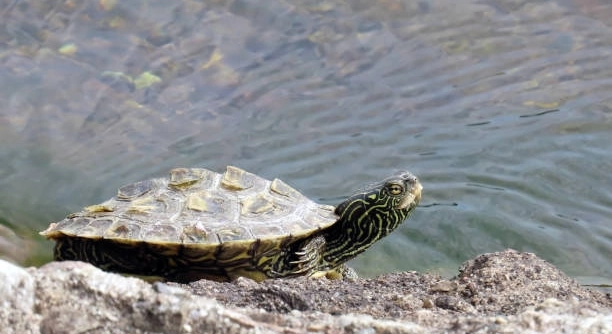
Creating a balanced weekly menu for your map turtle is essential to its health and well-being. A good diet provides all the nutrients necessary for growth, energy, and proper function. This guide will help you plan meals.
To create a balanced weekly menu for your map turtle, ensure it receives a variety of proteins, vegetables, and occasional fruits. Mix leafy greens, aquatic plants, insects, and commercial turtle food to meet nutritional needs while preventing deficiencies.
With careful planning and proper variety, you can ensure your map turtle gets the nutrition it needs. Keep reading for helpful tips on meal planning.
Why a Balanced Diet is Important for Your Map Turtle
A balanced diet is vital to your map turtle’s overall health. Map turtles, like other aquatic turtles, need a variety of foods to ensure they get all the vitamins and minerals required for growth, shell development, and energy. Without this balance, your turtle may experience health issues such as weak bones, poor shell condition, and sluggish behavior. When planning their meals, aim for a mix of plant-based foods and animal proteins. Offering a range of ingredients will prevent nutritional imbalances and promote a healthy, active turtle.
While map turtles enjoy both plant and animal-based foods, the right proportions matter. Too much of one type of food can lead to deficiencies or excesses in certain nutrients.
Map turtles also benefit from the proper calcium-to-phosphorus ratio, which supports their shell development and overall health. For example, offering too many protein-rich foods can lead to an imbalance in this ratio. Regularly including leafy greens, such as kale and collard greens, along with insect proteins like mealworms, will provide a well-rounded diet. Additionally, adding some aquatic plants helps mimic their natural habitat, promoting hydration and overall well-being.
Types of Foods Your Map Turtle Needs
You may wonder what exactly to feed your map turtle for a healthy diet. Aim for a mix of high-quality turtle pellets, fresh vegetables, and occasional proteins.
Incorporate both plant-based and animal-based foods into their diet. Leafy greens, such as dandelion greens, are excellent sources of vitamins. Turtles also enjoy soft fruits like strawberries in small amounts, but these should be offered less frequently.
Protein Sources for Your Map Turtle
Map turtles need protein to stay strong and healthy. Offering a variety of proteins helps ensure they get the right nutrients. Mealworms, crickets, and small fish like minnows are all great options. You can also feed them other insects that are easy to find in pet stores.
When offering protein, try to vary the types to keep things interesting for your turtle. While they enjoy animal-based foods, too much can lead to imbalances, so it’s important to balance their diet with plant-based foods as well. Be mindful of how often you offer protein, as it should not be the main component of their diet. Offering insects a couple of times a week is sufficient for most map turtles. You can also add small pieces of cooked chicken or fish occasionally for a special treat.
It’s also important to consider how much you feed them. Overfeeding protein can lead to obesity or other health issues. Watch your turtle’s weight and adjust portions accordingly. Additionally, avoid feeding them too many high-fat insects or fish to keep their diet healthy.
Vegetables and Leafy Greens for Map Turtles
Leafy greens are an essential part of your map turtle’s diet. Offer a mix of vegetables like kale, collard greens, and mustard greens. These provide important vitamins and minerals that help with digestion and overall well-being. You can offer fresh greens every day.
To ensure your turtle enjoys their greens, try rotating different types. You can mix in some aquatic plants like water lettuce or duckweed. These foods mimic their natural diet and provide hydration. You can also offer other veggies like zucchini, bell peppers, and carrots in small portions. It’s a good idea to chop vegetables into smaller pieces so your turtle can easily eat them.
Another tip is to avoid feeding map turtles too much spinach. While spinach is high in nutrients, it also contains oxalates, which can bind with calcium and prevent its absorption. Instead, provide a variety of greens and vegetables to create a more balanced menu for your turtle.
Fruits for Your Map Turtle
Fruits can be a fun treat for your map turtle, but they should only be given occasionally. Offer small amounts of fruits like strawberries, apples, and grapes. These can provide extra vitamins and hydration. Avoid offering fruits high in sugar too often.
Fruits should not make up a large portion of your turtle’s diet. Since they are high in sugar, feeding them in moderation is key. Stick to offering them once or twice a week to keep things balanced. Remove any uneaten fruit from the tank to avoid rotting and affecting water quality.
Commercial Turtle Food
Commercial turtle food can be an easy and balanced option for feeding your map turtle. Quality pellets contain essential nutrients and are specifically formulated for aquatic turtles. Choose one that lists whole ingredients like fish and vegetables.
Even though pellets can be convenient, they shouldn’t be the sole food source. Always balance them with fresh vegetables, proteins, and occasional fruits. This way, your turtle gets a variety of nutrients and prevents boredom from a repetitive diet.
Calcium Supplements
Calcium is important for your map turtle’s shell and bone health. You can offer calcium supplements in the form of powders or cuttlebone. This will help prevent shell deformities and keep your turtle strong.
Make sure to offer calcium regularly, as turtles don’t always get enough from their food. Sprinkle a small amount of calcium powder on their vegetables, or leave a cuttlebone in their tank. This will allow your turtle to nibble on it as needed.
FAQ
How often should I feed my map turtle?
Map turtles should be fed every other day when they are adults. Juveniles may need to eat daily to support their growth. However, you should adjust the feeding schedule based on your turtle’s age, size, and activity level. Overfeeding can lead to obesity, so it’s essential to avoid excessive portions.
Can map turtles eat vegetables every day?
Yes, map turtles can eat vegetables every day, but you should vary the types of vegetables to ensure they receive a range of nutrients. Leafy greens like kale, collard greens, and dandelion greens should be staples, while other veggies like carrots and bell peppers can be given occasionally.
Is it okay to feed map turtles fish?
Yes, feeding your map turtle small fish is fine. Fish like minnows or goldfish are great sources of protein. However, don’t rely on fish as the main food source. You should also provide a variety of other proteins, such as insects, and ensure their diet includes plant-based foods too.
Should I feed my map turtle pellets?
Commercial pellets can be part of your turtle’s diet, but they shouldn’t be the only food. Choose high-quality turtle pellets made with whole ingredients like fish and vegetables. Pellets provide essential nutrients, but fresh vegetables, proteins, and fruits should also be offered for a balanced diet.
Can map turtles eat fruits?
Fruits should only be fed occasionally. Offering small portions of fruits like strawberries, apples, and grapes can be a healthy treat. However, fruits are high in sugar, so feeding them too frequently can lead to health problems like obesity or digestive issues. Offer fruit 1-2 times a week.
Do map turtles need supplements?
Yes, map turtles often need calcium supplements to support healthy shell and bone development. You can provide calcium in the form of powder sprinkled on food or by placing a cuttlebone in their tank. A good calcium source helps prevent shell deformities, which can arise from deficiencies.
Can map turtles eat spinach?
While spinach is full of nutrients, it contains oxalates, which can interfere with calcium absorption. It’s fine to feed spinach occasionally, but it should not be a regular part of their diet. Too much spinach may lead to calcium deficiency over time, so offer other leafy greens more frequently.
How much protein should I give my map turtle?
Protein is important for map turtles, but it should not make up the bulk of their diet. Protein-rich foods like insects, worms, and small fish should be offered 2-3 times a week. Too much protein can lead to obesity or kidney issues, so always balance it with vegetables and leafy greens.
Can map turtles eat live insects?
Yes, live insects are an excellent source of protein for your map turtle. Crickets, mealworms, and earthworms can be given as part of their diet. These insects provide necessary nutrients and mimic their natural diet. Just be sure the insects are properly sized and not too large for your turtle.
What if my turtle doesn’t eat all its food?
If your map turtle leaves food behind, remove it promptly to maintain water quality and avoid contamination. If this happens regularly, consider adjusting the portion size. Some turtles are less hungry on certain days, or they may be more selective with their food. Try offering different types of food to see what they prefer.
Can I feed my map turtle human food?
While it’s tempting to feed your turtle human food, it’s not always safe or nutritious. Map turtles should eat foods designed for their diet, like fresh vegetables, proteins, and high-quality turtle pellets. Avoid feeding them processed foods, junk food, or anything with added sugar or salt.
How can I tell if my map turtle is overweight?
To check if your map turtle is overweight, look for signs like difficulty moving, a soft or bulging belly, or a more sedentary lifestyle. You should be able to feel the bones in their shell and body, and their legs should be firm. If your turtle is overweight, adjust their portion sizes and increase activity.
Should I feed my map turtle in the water?
Map turtles often prefer to eat in the water, as they are aquatic animals. It’s a natural part of their eating behavior. You can place food in the water or offer it in a separate shallow dish, making sure it’s easy for your turtle to access while keeping the tank clean.
Can map turtles eat lettuce?
Lettuce can be given to map turtles, but it shouldn’t be their main food. While it’s low in calories and contains some vitamins, lettuce lacks many of the nutrients your turtle needs. Stick to offering darker leafy greens like kale or collard greens, which are more nutritious.
Final Thoughts
Creating a balanced weekly menu for your map turtle is crucial for their overall health. By offering a variety of foods such as leafy greens, vegetables, proteins, and occasional fruits, you can provide the necessary nutrients to help them grow and thrive. It’s important to remember that map turtles are omnivores, meaning they need both plant and animal-based foods to stay healthy. Including a mix of protein sources like insects, small fish, and high-quality turtle pellets ensures they get a well-rounded diet. This balance is key to preventing deficiencies and supporting your turtle’s immune system, shell development, and energy levels.
In addition to variety, the portion size and frequency of feeding are essential considerations. Adult map turtles should typically be fed every other day, while younger turtles may require daily feeding. Overfeeding can lead to obesity and other health problems, so it’s important to monitor your turtle’s weight and adjust their food portions as needed. Offering food at different times of the day, and removing uneaten food from the tank after a few hours, will help keep the water clean and prevent bacterial growth. Providing a consistent feeding schedule will also allow you to track your turtle’s eating habits and detect any changes that could indicate a health issue.
Lastly, always remember to include supplements like calcium for shell and bone health. While a varied diet can provide much of the necessary nutrition, calcium is crucial for preventing soft shells and supporting skeletal strength. Offering cuttlebone or a calcium powder supplement a few times a week is a simple way to meet your turtle’s calcium needs. By maintaining this balanced diet and closely observing your map turtle’s health, you can ensure a long, healthy life for your pet.

Hello,
If you enjoy the content that we create, please consider saying a "Thank You!" by leaving a tip.
Every little bit helps us continue crafting quality advice that supports the health, happiness, and well-being of pets around the world, for pets of all shapes, sizes, and species.
We really appreciate the kindness and support that you show us!