
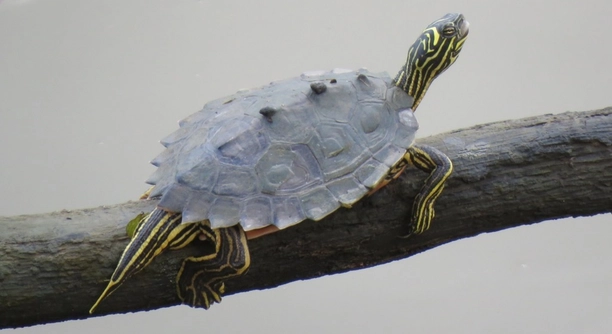
Map turtles are fascinating creatures with distinct personalities. Understanding their behaviors can be an interesting and rewarding experience. Observing these behaviors closely will help you learn more about their needs and preferences.
Dominant behaviors in map turtles typically include territorial actions, such as basking on specific spots and aggression toward other turtles. These behaviors often signify the turtle’s desire to claim resources or space, particularly in their habitat.
Recognizing these dominant traits is key to ensuring your map turtle’s environment is healthy and balanced. Knowing how they interact with others can help you create a suitable habitat for them.
How to Identify Territorial Behavior in Map Turtles
Map turtles are known for their strong territorial nature. One of the most noticeable signs of territorial behavior is when a turtle claims a basking spot and aggressively defends it from others. This action can include hissing, posturing, or even chasing off intruders. Such behavior often occurs when the turtle feels its space or resources, like food, are threatened. These turtles are sensitive to changes in their environment, and a secure basking area is essential for their well-being.
Territorial behaviors can also be seen when turtles choose specific spots in their habitat, such as logs or rocks, to rest on. This behavior ensures they have a safe place where they can warm up and avoid potential threats.
Creating an environment where map turtles feel secure is crucial. Ensure there are enough basking areas and hiding spots. If aggression becomes frequent, consider adding more space or breaking up territories. Providing several options for basking will help reduce conflict and give turtles the peace they need.
Understanding Aggression in Map Turtles
Aggressive behavior in map turtles is often linked to dominance.
Map turtles will display aggression when competing for food, basking spots, or mates. Aggression can be observed through head-bobbing, chasing, or biting, which are ways of asserting dominance. This type of behavior tends to increase when turtles are housed together in a confined space. Aggression might also emerge during mating season when males compete for female attention. Keeping a close eye on these interactions can help identify if aggression is a sign of dominance or simply part of natural behavior.
If aggression continues, it is essential to evaluate the habitat. Too many turtles in one area can lead to increased stress and conflict. To mitigate aggression, try offering separate basking areas or creating hiding spaces. Consider separating the turtles if the behavior doesn’t subside. This will give them the space to thrive.
Recognizing Mating Behavior in Map Turtles
Mating behavior in map turtles can be easily spotted when males chase females or perform intricate head movements. During this time, males may swim around the females in a circular motion, tapping their front claws gently on the female’s head or face. These actions are meant to get the female’s attention and signal mating interest.
Male map turtles often exhibit an increase in activity during mating season. They may also become more territorial, trying to claim space where females are present. This behavior is common when there is more than one male and competition arises. Male turtles are quite persistent, and the courtship rituals can continue for hours or even days.
Females, on the other hand, will typically exhibit less movement during this time and may show disinterest by swimming away or ignoring the males. If mating is successful, female turtles will soon seek out suitable nesting areas to lay their eggs.
Understanding the Role of Social Hierarchy
Map turtles form social hierarchies that dictate their interactions.
A social hierarchy often emerges when multiple turtles are housed in the same space, with dominant turtles claiming the best basking spots and resources. These hierarchies form naturally based on size, age, and assertiveness. The dominant turtles typically display more aggression toward others to maintain their position, while smaller or younger turtles may avoid direct confrontation.
Providing a structured environment with multiple basking areas and hiding spots can help reduce stress and competition. This setup allows turtles to establish their territory without constant conflict. Ensuring each turtle has its own space will encourage healthier social dynamics, making them feel secure and reducing aggression.
Observing Feeding Behavior in Map Turtles
Feeding behavior can reveal a lot about a turtle’s dominance. Larger or more dominant turtles may push smaller turtles aside when food is introduced. They may eat first or aggressively claim their share. These behaviors are common in habitats where food is limited or competition is high.
Dominant map turtles will typically eat quickly, guarding their food from others. Smaller or less dominant turtles may eat more slowly, waiting for a chance to access food once the dominant turtles are finished. It’s important to provide enough food and space to avoid this aggressive behavior.
How Map Turtles Communicate
Map turtles communicate through body language and subtle signals.
They use head movements, such as bobbing or jerking, to express dominance or interest. In the wild, these actions help turtles interact with others and establish boundaries. In a tank or pond, observing these movements can help you identify which turtles are dominant and which are submissive. Knowing how they communicate can help you manage their behavior and ensure a peaceful environment.
Importance of Providing Space
Providing ample space is essential for map turtles.
A crowded habitat often leads to more territorial disputes and aggressive behaviors. Ensuring enough space helps turtles establish territories, which reduces conflict. Additionally, it allows each turtle to have access to the resources it needs, such as basking spots and food.
FAQ
What causes map turtles to become aggressive toward each other?
Aggression in map turtles often arises from competition for resources like basking spots, food, or mates. If there isn’t enough space or if resources are limited, more dominant turtles will assert control. This could involve chasing, biting, or blocking access to certain areas. Territorial behavior is particularly common in crowded environments, as turtles try to secure the best spots. Providing ample basking areas and food can reduce aggression.
How can I tell if a map turtle is feeling threatened?
Map turtles show signs of being threatened through body language. If they pull their heads and limbs into their shells, it is a clear sign of fear or unease. They may also swim away quickly or display aggressive postures, like head-bobbing, when feeling threatened by another turtle or person. In some cases, a turtle might hide in a corner or seek out a more secure hiding spot if it feels unsafe.
Can map turtles live together peacefully?
Map turtles can live together, but their interactions depend largely on the size of the habitat and the number of turtles. When there is enough space and resources, map turtles can coexist peacefully. However, in smaller spaces, dominant turtles may become territorial, leading to aggression. To keep them peaceful, it’s essential to provide separate basking spots, enough food, and hiding areas. Observing their interactions will also help you identify if aggression is escalating.
Do map turtles fight often?
Fighting among map turtles tends to happen in environments that are too small or lacking resources. If there are limited basking spots or food, turtles may become more territorial and fight for access. Fights often involve biting, head-bobbing, or chasing. If you notice frequent fights, it’s a sign that your setup might need adjustments, such as more space, resources, or hiding spots.
How can I prevent map turtles from fighting?
Preventing fighting starts with creating an environment where turtles feel secure and have enough resources. Ensure that your tank or pond is large enough to accommodate all your turtles comfortably. Provide multiple basking spots and hiding places to allow them to establish territories without conflict. You can also consider separating turtles that show persistent aggression.
How do I know if a map turtle is dominant?
Dominant map turtles often display assertive behaviors such as chasing other turtles, guarding basking spots, or eating first. They may also display head-bobbing and other aggressive postures. Dominant turtles will often occupy the best basking spots or the most desired areas in the habitat, showing their claim over the space.
What are common signs of stress in map turtles?
Signs of stress in map turtles include erratic swimming, hiding for extended periods, and a lack of appetite. Stress can also manifest in physical changes, such as changes in shell appearance or discoloration. If stress is persistent, it may be due to overcrowding, poor water quality, or lack of suitable basking areas. Reducing stress involves adjusting the habitat to meet the turtle’s needs, like providing more space or improving water conditions.
Is it okay to keep map turtles in a tank with other species?
While map turtles can be housed with other species, it’s essential to ensure compatibility. Turtles that are too aggressive may harm other species, especially in smaller tanks. Additionally, different species may have different habitat needs, such as water temperature or lighting, which can cause stress or health problems. If you house map turtles with other species, ensure that each species has enough space and resources to thrive.
What type of habitat do map turtles need to thrive?
Map turtles thrive in spacious habitats with clean water, basking areas, and plenty of hiding spots. They require a tank or pond with clean, filtered water and access to heat and UVB light for proper health. Basking spots should be large enough for each turtle to bask without interference from others. Adding rocks, logs, and plants can provide hiding spaces and reduce stress.
How can I improve the social environment for my map turtles?
To improve the social environment for map turtles, provide a well-structured habitat with enough space for each turtle to establish its territory. Include separate basking areas and ample food options to reduce competition. By creating a balanced environment, turtles can live peacefully, each with their own space and resources. Monitoring interactions and adjusting the setup as needed will ensure their social needs are met.
Final Thoughts
Understanding and identifying dominant behaviors in map turtles is crucial for their well-being. By paying attention to their interactions, you can ensure that each turtle has enough space and resources to thrive. These turtles are territorial creatures, and recognizing signs of aggression or dominance can help you avoid unnecessary conflict in their environment. When you see behaviors like head-bobbing, chasing, or claiming basking spots, it’s important to assess their habitat and make adjustments to minimize stress and aggression.
Creating an environment where map turtles feel secure is key to preventing territorial disputes. This means providing enough space, separate basking areas, and hiding spots. If you observe signs of aggression or stress, consider modifying their surroundings. A larger tank, more basking spots, or even separating aggressive turtles can help maintain peace. Proper care, such as maintaining water quality and temperature, is also essential for their health and happiness. The more you understand their needs, the better you can support them.
Ultimately, map turtles are fascinating and unique animals with distinct behaviors. By taking the time to understand their social dynamics, you can help them lead healthier, less stressful lives. Whether you are keeping one turtle or several, creating a balanced environment will make all the difference.

Hello,
If you enjoy the content that we create, please consider saying a "Thank You!" by leaving a tip.
Every little bit helps us continue crafting quality advice that supports the health, happiness, and well-being of pets around the world, for pets of all shapes, sizes, and species.
We really appreciate the kindness and support that you show us!