
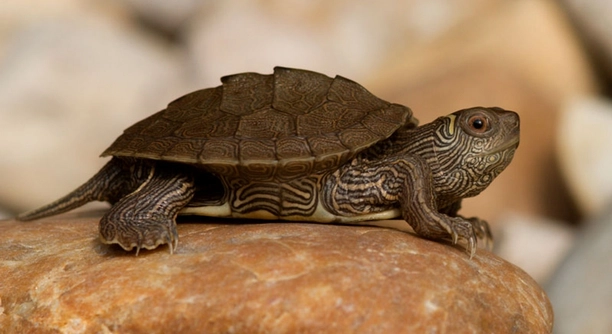
Map turtles are fascinating creatures that are often kept as pets due to their unique appearance and calm demeanor. As their owners, it’s important to know the right foods to feed them to maintain their health.
Map turtles can eat shrimp, but it should be offered as an occasional treat rather than a regular part of their diet. Shrimp provides essential nutrients like protein, but too much can cause an imbalance in their diet.
Knowing how to prepare shrimp for your map turtle ensures that they get the right benefits without any risks. We will walk you through the proper steps for safely feeding shrimp to your pet turtle.
Can Map Turtles Eat Shrimp Regularly?
Feeding shrimp to map turtles can be a good source of protein, but it should not be part of their regular diet. Turtles are omnivores, meaning they can eat both plant-based and animal-based foods. While shrimp contains nutrients like protein and omega-3 fatty acids, it’s important not to overfeed them. Feeding shrimp too often can lead to an unbalanced diet that lacks essential vitamins and minerals. Map turtles need a variety of foods, such as leafy greens, vegetables, and commercial turtle pellets, to stay healthy. Shrimp should only be a treat, not a staple. Overfeeding can lead to obesity, kidney issues, or even shell problems due to poor nutrition.
Shrimp should only be offered once or twice a week, depending on your turtle’s size and overall health. Be sure to remove any uneaten food to avoid water contamination.
To safely incorporate shrimp into your map turtle’s diet, remove the shell and chop it into smaller pieces. This helps prevent choking and makes it easier for your turtle to consume. You can offer fresh or frozen shrimp, but be sure it is thoroughly thawed before feeding. Avoid feeding raw shrimp from the wild, as it might contain harmful parasites or bacteria. Additionally, always rinse the shrimp to remove any additives or preservatives, which could harm your turtle’s digestive system.
Can You Feed Frozen Shrimp to Map Turtles?
Frozen shrimp can be safely fed to map turtles, but there are important steps to follow. Freezing shrimp can actually help remove harmful bacteria, making it safer than using fresh shrimp from an unknown source.
When feeding frozen shrimp, always make sure it’s properly thawed and cut into small, manageable pieces. Do not feed it directly from the freezer, as the cold temperature could be harmful to your turtle.
Nutritional Benefits of Shrimp for Map Turtles
Shrimp is rich in protein, which is essential for your map turtle’s growth and overall health. It also contains omega-3 fatty acids, which can help maintain healthy skin and shell. These nutrients support the turtle’s immune system and can contribute to its vitality.
While shrimp offers good nutrition, it should be balanced with other food sources. Relying too much on shrimp can lead to an unbalanced diet, which may lack necessary vitamins and minerals. Providing a variety of foods, like vegetables and commercial turtle pellets, is essential to meeting your turtle’s full nutritional needs.
You can also benefit from shrimp’s low fat content, making it a good treat for your turtle without contributing to obesity. However, it’s important to note that overfeeding shrimp can cause excess protein intake. This can lead to kidney problems, so keep shrimp portions small and infrequent. When feeding your turtle, make sure shrimp is only one part of its diet and not the main source of protein.
How to Safely Prepare Shrimp for Map Turtles
Preparing shrimp properly for your map turtle is important to avoid any potential health issues. Always remove the shell before offering it to your turtle. This makes it easier to eat and prevents choking.
Chopping the shrimp into small, bite-sized pieces is also crucial. Map turtles are not equipped to handle large chunks of food, and it will be difficult for them to digest. The shrimp should be thoroughly rinsed before feeding to remove any unwanted chemicals or preservatives. If you use frozen shrimp, allow it to thaw completely before offering it to your turtle.
Risks of Feeding Too Much Shrimp
Feeding too much shrimp to map turtles can cause nutritional imbalances. While shrimp is a great source of protein, it does not provide all the necessary nutrients a turtle needs to thrive. It can lead to health problems like obesity and kidney damage if overfed.
A balanced diet is key. Regularly offering shrimp can also disrupt the intake of essential vitamins, minerals, and fiber. The overconsumption of protein from shrimp might cause digestive issues or lead to other internal problems. This is why moderation is important, and a variety of food sources is always best.
Alternatives to Shrimp for Map Turtles
Aside from shrimp, map turtles can enjoy a range of other foods, like leafy greens, vegetables, and pellets. These provide a more balanced nutrition profile. Offering a mix of food ensures that your turtle gets a wide variety of vitamins and minerals for optimal health.
FAQ
Can map turtles eat cooked shrimp?
Yes, map turtles can eat cooked shrimp. However, make sure it’s cooked without any seasoning or oil. Too much salt or added spices could harm your turtle. It’s best to steam or boil the shrimp to keep it simple and healthy. Once cooked, chop it into small pieces before feeding it to your turtle.
Can map turtles eat shrimp shells?
It’s best to remove the shells before feeding shrimp to your map turtle. The shells can be difficult for them to digest and may cause choking. Additionally, shrimp shells don’t offer much nutritional value for your turtle. It’s always safer to remove the shell and provide only the meat.
How often can I feed shrimp to my map turtle?
Shrimp should be fed to your map turtle no more than once or twice a week. Too much shrimp can lead to overconsumption of protein, which can upset the balance of their diet. Keep it as an occasional treat to provide variety without overloading on protein.
Can map turtles eat frozen shrimp without any problems?
Frozen shrimp can be safely fed to map turtles. Just make sure to thaw it completely and remove any ice. Always rinse it well to remove any additives or preservatives. You can feed frozen shrimp as a treat, but be sure to limit it to avoid feeding it too often.
What is the best food for a map turtle?
The best food for a map turtle includes a variety of leafy greens like collard greens, dandelion greens, and kale. You should also offer aquatic plants, such as water lettuce, along with high-quality turtle pellets that provide a balanced diet. Occasional animal-based proteins like worms, crickets, or shrimp are a good supplement but should not be the primary food source.
Can map turtles eat live shrimp?
Map turtles can eat live shrimp, but it’s important to ensure the shrimp is from a safe source. Live shrimp can carry parasites or bacteria, so it’s safer to feed them pre-cooked or frozen shrimp. If you do decide to feed live shrimp, make sure it’s from a trusted vendor to avoid any health risks.
Is it safe to feed my map turtle shrimp from my local grocery store?
Shrimp from a grocery store can be safe to feed your map turtle, but you should take precautions. Rinse it thoroughly to remove any preservatives or chemicals used in processing. It’s also important to check whether the shrimp has been treated with anything harmful, as this could affect your turtle’s health.
How do I know if my map turtle is eating enough?
A healthy map turtle should be active and alert, with a smooth shell and clear eyes. If your turtle isn’t eating enough, it may lose weight, become sluggish, or have a dull shell. Make sure your turtle has access to a balanced diet and fresh water, and observe their eating habits regularly.
Can I feed my map turtle shrimp as its main diet?
No, shrimp should not be the main diet for a map turtle. Although it’s a good source of protein, shrimp lacks the necessary vitamins and minerals needed for a balanced diet. Stick to offering shrimp as a treat, and ensure your turtle gets most of its nutrients from vegetables, pellets, and other food sources.
What other types of animal protein can I feed my map turtle?
Map turtles can eat other types of animal protein like earthworms, crickets, snails, and small fish. These can provide a varied source of nutrients for your turtle. Just like shrimp, these protein sources should be offered in moderation to avoid an imbalance in their diet.
Can map turtles eat too much protein?
Yes, feeding too much protein to your map turtle can lead to health problems. Excess protein can strain their kidneys and cause other internal issues. To avoid this, vary their diet with a mix of vegetables, fruits, and turtle pellets. Protein should make up only a small portion of their overall diet.
Final Thoughts
Feeding shrimp to your map turtle can be a healthy treat when offered in moderation. Shrimp provides important nutrients like protein and omega-3 fatty acids, which help support your turtle’s growth, shell health, and overall well-being. However, it’s crucial to avoid making shrimp a regular part of their diet. Too much shrimp can lead to an imbalance, as it doesn’t provide all the necessary vitamins and minerals. A well-rounded diet, which includes a variety of vegetables, fruits, and high-quality turtle pellets, is essential for your map turtle’s health.
While shrimp can be a fun treat for your map turtle, always ensure it is prepared properly. Removing the shell and chopping the shrimp into small, manageable pieces makes it easier for your turtle to eat. It is also important to rinse the shrimp to remove any preservatives, especially if it comes from a store. When feeding frozen shrimp, allow it to thaw completely before offering it to your turtle. These simple steps help prevent potential issues like choking or digestive problems.
Overall, the key to keeping your map turtle healthy is providing a balanced diet. Shrimp can play a role in that, but it should never replace the variety of plant-based foods your turtle needs. By offering shrimp as an occasional treat, combined with a nutrient-rich diet, you can ensure your turtle stays happy and healthy. Regularly observing your turtle’s eating habits and adjusting its diet as needed will help you maintain its long-term well-being.

Hello,
If you enjoy the content that we create, please consider saying a "Thank You!" by leaving a tip.
Every little bit helps us continue crafting quality advice that supports the health, happiness, and well-being of pets around the world, for pets of all shapes, sizes, and species.
We really appreciate the kindness and support that you show us!