
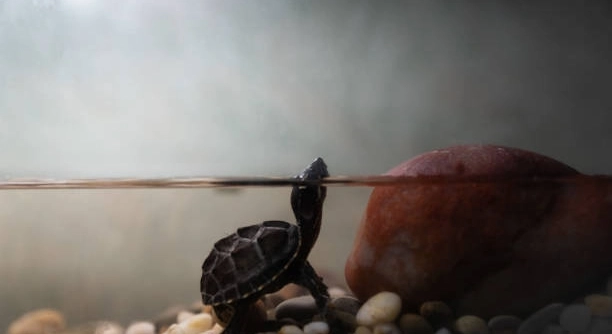
Picky eating is a common challenge with musk turtles, and it can leave pet owners feeling uncertain. Encouraging your turtle to eat the right foods is important for its health and well-being. Fortunately, there are several solutions to try.
One effective method to encourage a picky musk turtle to eat is offering a variety of foods to stimulate their interest. It is also important to ensure the food is appropriately sized and fresh to meet their specific nutritional needs.
With the right approach, you can help your musk turtle develop healthy eating habits. This article will provide tips to make mealtime easier and enjoyable for both you and your turtle.
Offer a Variety of Foods
Sometimes, picky eating happens because the turtle gets bored with the same food over and over. Just like us, musk turtles can have preferences. Offering a mix of options helps to keep things interesting for them. Try rotating between different types of protein, such as worms, shrimp, or fish. You can also add vegetables like lettuce, kale, or dandelion greens to give them more variety. Some turtles enjoy fruits, so try small amounts of melon, strawberries, or blueberries as a treat.
Changing the menu gives your turtle the opportunity to find new favorites. You might discover that your turtle prefers certain textures or flavors over others. It’s all about experimenting and seeing what they respond to. Don’t forget to introduce new foods slowly to avoid upsetting their digestive system. Also, make sure to remove uneaten food after a few hours to keep the water clean.
It’s important to pay attention to how your turtle reacts to different foods. If you notice they prefer one over another, you can offer that food more often. Be patient and remember that getting your turtle to eat a variety of foods takes time. They will eventually adjust and enjoy the new meals you introduce.
Check Water Temperature
The water temperature can significantly affect your turtle’s appetite. If it’s too cold, your turtle might not feel motivated to eat. Musk turtles prefer water temperatures between 75°F and 80°F. If the water is too cool, they may become lethargic or refuse food altogether.
Maintaining the right temperature ensures your turtle remains active and healthy. The warmth encourages normal digestion and overall well-being. If your water heater is malfunctioning or your tank is in a cold area, adjust accordingly. A reliable thermometer is key to keeping the water in the ideal range for your turtle’s needs.
Offer Live Food
Offering live food is another way to tempt a picky eater. Live food, such as small fish, worms, or insects, can attract your turtle’s natural hunting instincts. It mimics what they would encounter in the wild, which can make it more exciting for them.
Live food can stimulate your turtle’s appetite and make mealtime more engaging. If you’re using live insects, ensure they are safe for consumption and appropriately sized for your turtle. You may find your turtle more willing to eat when there’s movement involved. This method can also help improve their overall activity and mental stimulation.
If your turtle becomes accustomed to live food, you can alternate it with other meals to ensure a balanced diet. Over time, it may help develop more interest in the foods you offer. Be mindful of how much live food you provide, as some types of prey can carry parasites if not handled properly.
Maintain a Clean Tank
A clean tank is essential for your turtle’s overall health, and it may even encourage better eating habits. Dirty water can discourage your turtle from eating, as it affects their sense of smell and taste. Regular tank cleaning is necessary to prevent a buildup of waste and algae.
Aside from cleaning the water, be sure to remove any uneaten food. Leftover food can quickly degrade and contaminate the water, which can stress your turtle. Clean the tank’s filter regularly to maintain good water circulation and ensure the environment remains safe. Your turtle will feel more comfortable and more likely to eat in a clean, well-maintained habitat.
Provide a Balanced Diet
A balanced diet ensures your turtle gets all the nutrients it needs. Offering a variety of food options like proteins, greens, and calcium-rich foods is essential. Without balance, your turtle might lose interest in meals or suffer from health issues.
Calcium is particularly important for musk turtles. Offering calcium supplements or calcium-rich foods like cuttlebone can prevent shell deformities and encourage a healthy appetite. You can also give them vegetables high in vitamins, like collard greens or zucchini. It’s essential to avoid overfeeding one type of food.
If your turtle consistently refuses food, it might be lacking essential nutrients. Offering a balanced diet can help boost their interest and improve their overall health. Be sure to monitor portion sizes to prevent overfeeding.
Feed at the Right Time
Timing is key when feeding your turtle. Musk turtles tend to eat more actively during certain parts of the day, so offer food when they are most active. Many turtles are more likely to eat in the morning or after a light basking session.
If you feed them when they’re sleepy or stressed, they might refuse food. Keep an eye on their natural feeding times to ensure they are most receptive to meals. Adjust feeding schedules based on your turtle’s behavior, as it can help them feel more at ease.
FAQ
Why is my musk turtle not eating?
There are several reasons why your musk turtle might not be eating. One of the most common causes is stress. A change in their environment, improper water temperature, or poor water quality can all affect their appetite. Make sure their tank is clean, the water temperature is between 75°F and 80°F, and they are not stressed by changes in their habitat. Illness or injury can also cause a lack of appetite, so monitor for any signs of illness, such as lethargy, abnormal behavior, or changes in appearance.
How often should I feed my picky musk turtle?
Typically, adult musk turtles should be fed three to four times a week. Young turtles, however, may need to be fed more frequently, about once every day or every other day. If your turtle is being picky, try offering food every other day to see if they show more interest. Keep an eye on their behavior and adjust accordingly. If they continue to refuse food, it may be a sign of an underlying issue that needs to be addressed.
What can I feed my picky musk turtle?
Try offering a variety of foods to entice your picky turtle. Musk turtles enjoy a diet of protein, such as worms, small fish, or insects, and vegetables like lettuce, kale, or dandelion greens. You can also try offering fruit as a treat, such as berries or melon. Additionally, providing live food can stimulate their natural hunting instincts. If your turtle is still picky, consider adding calcium supplements to their food to encourage healthy eating. Experiment with different options until you find what they prefer.
Can I give my musk turtle pellets?
Yes, turtle pellets are a convenient and nutritionally balanced food option for musk turtles. However, it’s important not to rely solely on pellets. While they provide essential nutrients, a varied diet of fresh foods will ensure that your turtle is getting the proper balance of proteins, vitamins, and minerals. Offer pellets alongside other foods, such as fresh greens, worms, or fish, to encourage your turtle to eat a diverse diet.
How can I get my turtle to eat more vegetables?
Musk turtles can be picky about vegetables, but there are ways to get them to eat more. Start by offering different types of greens to see what they prefer. Try softer leaves like lettuce, kale, or collard greens. If they refuse, you can try soaking the vegetables in warm water to make them more appealing or cut them into smaller, bite-sized pieces. Mixing vegetables with protein-rich foods, like worms or fish, may also entice your turtle to try them. You can also offer fruits like melon or strawberries to encourage them to eat healthier foods.
Is it okay to feed my musk turtle only live food?
While live food can be a great way to entice your turtle to eat, it should not be the only thing you feed them. Musk turtles need a balanced diet that includes both protein and plant-based foods to stay healthy. Overfeeding live food can lead to an imbalance in their diet and may result in nutritional deficiencies. Offering a mix of live food, fresh vegetables, and calcium supplements will provide your turtle with the necessary nutrients for growth and overall well-being.
How can I tell if my turtle is sick?
If your musk turtle is not eating, it could be a sign of illness. Look for other signs like lethargy, swollen eyes, labored breathing, or a change in their shell’s appearance. Abnormal behavior, such as excessive basking, lack of movement, or unresponsiveness, can indicate a problem. If you notice any of these symptoms, it’s important to consult a veterinarian who specializes in reptiles. Regularly check your turtle’s shell, skin, and overall condition to catch any potential issues early.
Should I remove uneaten food from my turtle’s tank?
Yes, it’s important to remove any uneaten food from your turtle’s tank. Leftover food can decay quickly, causing the water quality to drop and potentially leading to bacterial growth or mold. This can affect your turtle’s health and make them even less likely to eat. Remove any uneaten food after a couple of hours to maintain a clean tank environment. Keeping the tank clean and removing leftovers will help reduce the risk of water contamination and encourage a healthy appetite.
What is the best way to feed my turtle live food?
Feeding live food to your turtle can help spark their natural hunting instincts, but it’s important to do so in a safe way. Always provide live food that is appropriately sized for your turtle to prevent choking or injury. Ensure that the live food is free of pesticides or chemicals, which can be harmful. If you’re offering live insects or fish, you may want to place them in a separate feeding area within the tank to prevent the live food from escaping. This will also ensure your turtle stays focused on eating.
How do I encourage my turtle to eat when it’s shedding?
Shedding can be a stressful time for your turtle, and it may affect their appetite. During this period, your turtle might become less interested in food. If this happens, try offering their food in a different way, like placing it closer to where they bask or offering softer foods. You may also want to keep the tank humidity high, as this helps with the shedding process. Be patient and allow your turtle to shed at its own pace, and continue offering a variety of foods. If they don’t eat during this time, it should improve once shedding is complete.
Final Thoughts
Getting a picky musk turtle to eat can sometimes be a challenge, but it’s important to remain patient and try different methods. The key is to understand what might be causing the problem. It could be anything from stress, poor water quality, or even an unbalanced diet. By paying attention to your turtle’s behavior and experimenting with different foods, you can find the right solution. Don’t be discouraged if your turtle doesn’t eat right away; sometimes, it just takes a little time to adjust.
Offering a variety of foods is one of the easiest and most effective ways to encourage eating. This can include different proteins, vegetables, fruits, and even live food. By mixing things up, you keep your turtle’s meals interesting and give them a chance to discover new favorites. Additionally, ensuring that the water temperature is within the proper range and maintaining a clean tank can make a significant difference. When your turtle feels comfortable in its environment, it will be more likely to eat. Regular observation is essential, as it can help you spot any potential issues early.
If your turtle’s appetite remains poor despite your efforts, it might be helpful to consult with a veterinarian. Sometimes, underlying health problems can cause a lack of interest in food. A vet can help identify any issues and provide advice on how to get your turtle eating again. Keep in mind that consistency and care are key. With time, the right adjustments, and a little trial and error, your musk turtle should begin to eat regularly and thrive in its environment.

Hello,
If you enjoy the content that we create, please consider saying a "Thank You!" by leaving a tip.
Every little bit helps us continue crafting quality advice that supports the health, happiness, and well-being of pets around the world, for pets of all shapes, sizes, and species.
We really appreciate the kindness and support that you show us!