
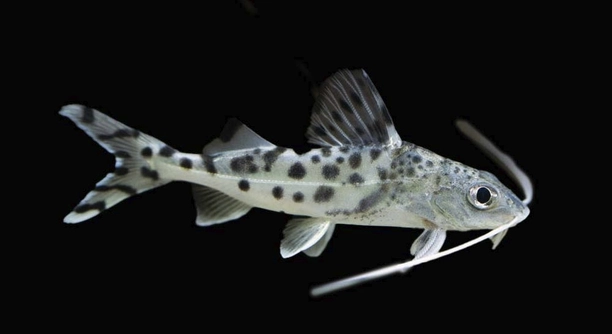
Cleaning a tank is an important task for maintaining a healthy environment for your catfish. It can sometimes be challenging to keep the process calm and stress-free for these sensitive creatures. Knowing the right steps can make a big difference in their well-being.
Proper tank cleaning involves gentle water changes, minimal disturbance to the substrate, and avoiding sudden movements near the catfish. These practices help reduce stress and maintain water quality, ensuring a safe and comfortable habitat for the fish throughout the cleaning process.
Learning how to clean your tank carefully can improve your catfish’s health and make maintenance easier for you. This guide will help you manage the task smoothly and with confidence.
Preparing the Tank for Cleaning
Before starting the cleaning process, gather all necessary supplies to make the task efficient. You will need a siphon hose, a clean bucket, algae scraper, and water conditioner. Preparing everything in advance helps reduce the time spent near the tank, which can lower your catfish’s stress. Begin by turning off electrical equipment like filters and heaters to avoid any accidents. Remove decorations carefully without disturbing the fish too much. Make sure to clean the tools separately and avoid using soaps or detergents that could harm your catfish. By organizing your cleaning materials and steps, you create a calm environment and protect your catfish during the process.
Cleaning a tank without preparation can increase stress for both the fish and the owner. Being ready simplifies the task and keeps the fish safe.
Keeping your setup ready before cleaning helps prevent rushed movements. This approach allows you to focus on gentle water changes and cleaning without alarming your catfish. Taking small, calm steps contributes to their comfort and the overall cleanliness of the tank.
Water Change and Cleaning Techniques
Performing regular partial water changes is key to maintaining a healthy tank environment. A 20-30% water change is usually enough to keep waste levels low and water parameters stable. Use a siphon hose to gently remove debris from the substrate without disturbing the catfish too much. Clean algae from the tank walls with a soft scraper, avoiding sudden motions. Always replace removed water with dechlorinated water at a similar temperature to avoid shocking the fish. Maintaining a consistent routine for water changes and cleaning reduces stress and keeps your catfish comfortable in their habitat.
Avoiding full water changes is important, as this can cause more harm than good by disturbing the tank’s balance.
Regular cleaning removes harmful substances but should be done carefully. Sudden changes in water chemistry or temperature can upset your catfish, so aim for gradual adjustments. Avoid disturbing the substrate too aggressively, as catfish often rest or search for food there. Using a gentle touch and slow movements helps maintain a peaceful environment during cleaning. Keeping the water clean without stressing your catfish promotes their health and natural behavior. This balance is essential for their long-term well-being and makes tank maintenance a smoother experience for you.
Minimizing Stress During Cleaning
Keeping movements slow and calm is essential when cleaning the tank. Sudden gestures can scare your catfish and increase their stress levels.
Turning off bright lights or covering the tank partially can create a calmer environment. Catfish are sensitive to light and often feel safer in dimmer conditions. Moving quietly around the tank and avoiding tapping on the glass also helps keep stress low. If your catfish hide during cleaning, give them space and time to relax. Using a gentle approach reduces fear and helps maintain their natural behavior throughout the process.
After cleaning, avoid immediately adding new fish or making drastic changes. Allow your catfish to settle in their refreshed environment at their own pace. A calm atmosphere supports their recovery and comfort.
Choosing Safe Cleaning Tools
Selecting the right tools prevents harm to your catfish and their environment. Avoid harsh chemicals or abrasive materials that could damage the tank or upset your fish.
Soft algae scrapers and siphon hoses designed for aquarium use are the best options. These tools clean effectively without disturbing the tank’s balance. Avoid using household sponges or brushes that might carry residues or scratch the glass. It is important to rinse tools thoroughly before and after use, to prevent contamination. Keeping tools dedicated to your tank helps maintain cleanliness and reduces the risk of introducing harmful substances. Proper tools make cleaning easier and safer for your catfish, ensuring their habitat stays healthy.
Monitoring Water Quality
Regular testing of water quality is necessary to keep your catfish healthy. Checking parameters like pH, ammonia, nitrites, and nitrates helps detect issues early.
Maintaining stable water conditions reduces stress on your catfish. Use reliable test kits and track results over time to ensure a safe environment.
Handling Your Catfish During Cleaning
If you need to move your catfish during cleaning, use a soft net gently. Avoid squeezing or quick movements to prevent injury.
Handle your catfish calmly and as little as possible. Keeping them safe during tank maintenance protects their health and reduces stress.
Cleaning Frequency
A consistent cleaning schedule helps maintain a balanced tank. Cleaning every one to two weeks is usually sufficient for most catfish tanks.
Regular maintenance prevents buildup of waste and harmful substances, making the tank safer for your fish and easier to manage.
Avoiding Overfeeding
Overfeeding can cause excess waste and dirty the tank quickly. Feed your catfish only what they can eat in a few minutes.
Controlling feeding habits supports water quality and reduces the need for frequent intensive cleanings.
FAQ
How often should I clean my catfish tank?
Cleaning every one to two weeks is usually enough to keep the tank healthy. Regular partial water changes and removing debris help maintain good water quality. Overcleaning or full water changes can stress your catfish and disturb the tank’s balance. A consistent routine keeps the environment stable and comfortable for your fish.
What is the best way to clean the substrate without stressing catfish?
Use a siphon hose to gently vacuum the substrate. Move slowly and avoid stirring up too much debris at once. Catfish often rest or search for food in the substrate, so be careful not to disturb them too much. Cleaning small sections at a time reduces stress and helps keep the tank clean.
Can I use household cleaners to clean the tank?
No, household cleaners contain chemicals harmful to fish. Always use tools and cleaning agents made specifically for aquariums. Avoid soaps, detergents, and abrasive materials. Rinse all tools thoroughly before and after use to prevent contamination. Using safe cleaning methods protects your catfish and their environment.
Is it necessary to turn off equipment during cleaning?
Yes, it’s safer to turn off filters, heaters, and other electrical equipment before cleaning. This prevents damage to the equipment and reduces the risk of electric shock. Turning equipment off also helps avoid disturbing water flow, which can stress your catfish during cleaning.
How do I prevent my catfish from hiding during tank cleaning?
Creating a calm environment helps reduce hiding. Turn off bright lights or dim the tank during cleaning. Move slowly and avoid tapping on the glass. Sometimes, it’s best to let them hide until the cleaning is finished. Reducing stress supports their natural behavior and overall health.
What should I do if my catfish shows signs of stress after cleaning?
If your catfish seems stressed, check water parameters like temperature, pH, and ammonia levels immediately. Make sure the water conditions are stable and suitable. Provide a quiet environment with minimal disturbance. Gradual water changes and calm handling help your catfish recover faster.
Can overfeeding affect tank cleanliness?
Yes, overfeeding leads to excess waste that pollutes the water quickly. Feed only what your catfish can consume within a few minutes. Proper feeding habits reduce waste buildup and make maintaining the tank easier and less stressful for your fish.
How do I choose the right tools for cleaning?
Use soft algae scrapers, siphon hoses, and buckets designed for aquarium use. Avoid household sponges or brushes that may scratch the glass or carry harmful residues. Dedicated tools help keep the tank clean without harming your catfish or the environment.
Is partial water change better than full water change?
Partial water changes are better because they maintain the tank’s biological balance. Removing 20-30% of the water regularly keeps waste levels low without shocking your catfish. Full water changes can cause sudden shifts in water chemistry, which can stress or harm your fish.
Can I clean the decorations and plants during tank cleaning?
Yes, clean decorations gently with warm water and a soft brush if needed. Avoid using soap or chemicals. For live plants, trim dead leaves and rinse lightly. Keeping decorations and plants clean helps reduce algae and waste buildup, supporting a healthy tank environment.
How can I keep my catfish comfortable during cleaning?
Move slowly and avoid sudden movements near the tank. Turn off bright lights or dim the room. Keep the cleaning process short and efficient. A calm atmosphere reduces stress and helps your catfish feel safe while you maintain their home.
What is the impact of sudden temperature changes during cleaning?
Sudden temperature changes can shock your catfish and cause stress or illness. Always use replacement water at the same temperature as the tank. Checking water temperature before adding it back helps keep the environment stable and comfortable.
Are there signs my catfish is stressed during cleaning?
Signs include hiding, rapid gill movement, loss of appetite, or unusual swimming patterns. If you notice these, slow down the cleaning process and give your catfish time to settle. Stress can weaken their immune system, so keeping them calm is important.
Should I remove my catfish during tank cleaning?
It’s best to avoid removing your catfish unless necessary. Moving them can cause additional stress and injury. If you must move them, use a soft net and handle gently. Minimize the time they spend out of the tank and return them carefully to avoid shock.
How do I maintain water quality between cleanings?
Feed your catfish properly, avoid overcrowding, and monitor water parameters regularly. Using a good filter and performing regular partial water changes supports stable water quality. Consistent care reduces the need for intensive cleaning and helps your catfish thrive.
Can stress from cleaning affect my catfish’s health?
Yes, stress lowers immunity and can lead to illness. Keeping cleaning gentle and avoiding sudden changes helps protect your catfish’s health. A calm tank environment supports natural behavior and long-term well-being.
What should I do if algae grows back quickly after cleaning?
Fast algae growth usually means excess nutrients or too much light. Reduce feeding amounts, control lighting hours, and clean the tank regularly. Adding live plants can help compete with algae for nutrients. Proper balance keeps algae under control.
Is it okay to clean the filter during tank cleaning?
Clean the filter only when necessary, usually once a month. Rinse filter media gently with tank water to preserve beneficial bacteria. Avoid using tap water or harsh scrubbing. Keeping the filter healthy maintains water quality and reduces stress for your catfish.
How do I avoid sudden movements that stress my catfish?
Plan your cleaning steps ahead to move calmly and deliberately. Avoid quick hand gestures or tapping on the tank glass. Speaking softly or staying quiet helps maintain a peaceful atmosphere. Practicing patience makes cleaning easier for both you and your catfish.
What role does lighting play in stress during cleaning?
Bright, sudden lighting can startle your catfish. Dimming lights or turning them off during cleaning helps keep your catfish relaxed. Natural or low lighting conditions mimic their preferred environment and reduce fear responses.
Can I use water conditioners during cleaning?
Yes, using water conditioners removes chlorine and other harmful chemicals from tap water. Always treat replacement water before adding it to the tank. Conditioners protect your catfish’s delicate gills and help maintain a safe environment.
Cleaning a catfish tank without causing stress requires careful planning and gentle handling. Keeping your movements slow and calm helps your catfish feel safe during the process. Preparing all the necessary tools beforehand reduces the time spent near the tank, which limits disturbance. Regular partial water changes, rather than full water changes, keep water quality stable and avoid shocking your fish. Using safe cleaning tools designed for aquariums protects both the tank and your catfish from harm. Following these steps consistently creates a healthy and comfortable environment for your fish.
Maintaining a routine for cleaning also helps your catfish get used to the process. When water parameters remain steady, catfish are less likely to experience stress or illness. Monitoring things like pH, ammonia, and temperature ensures the tank stays balanced. Overfeeding can lead to excess waste and water pollution, so feeding only what your catfish can eat in a short time supports cleaner water. When cleaning, be mindful of their behavior and signs of stress, such as hiding or rapid breathing. Minimizing these stress factors keeps your catfish healthier and more active.
Taking the time to learn and practice proper tank cleaning benefits both you and your catfish. A calm and clean environment supports their natural behavior and long-term well-being. This careful approach not only makes maintenance easier but also helps your catfish live comfortably. Patience and gentle care are key to reducing stress during tank cleaning. By following these guidelines, you create a safe home where your catfish can thrive.

Hello,
If you enjoy the content that we create, please consider saying a "Thank You!" by leaving a tip.
Every little bit helps us continue crafting quality advice that supports the health, happiness, and well-being of pets around the world, for pets of all shapes, sizes, and species.
We really appreciate the kindness and support that you show us!