
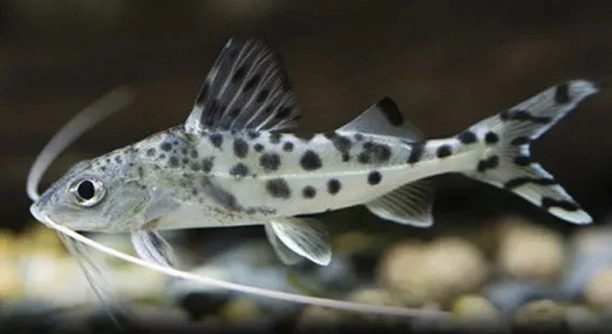
New pictus catfish often appear shy or skittish when first introduced to a new tank environment. Their nervous behavior can make it challenging for owners to interact with or care for them confidently. Understanding how to approach these fish calmly is important.
Handling a skittish pictus catfish requires patience and minimal disturbance. Gradually acclimate the fish by maintaining stable water conditions, providing hiding spots, and avoiding sudden movements or loud noises. Consistent, gentle care helps reduce stress and builds trust over time.
Learning how to ease your pictus catfish’s anxiety can create a peaceful and healthy environment for both you and your fish. This guide will explain the best steps to take for a smooth transition.
Creating a Comfortable Environment
A skittish pictus catfish feels safer when its surroundings are calm and predictable. Start by setting up the tank with plenty of hiding spots, such as caves, plants, and driftwood. These give the fish places to retreat when it feels threatened. Keep the lighting soft, as bright lights can increase stress. Stable water conditions are critical—regularly test and maintain temperature, pH, and cleanliness. Avoid sudden changes in the tank, like abrupt water changes or new decorations, which can unsettle the fish. Gentle filtration and minimal noise will also help your catfish feel more at ease. When feeding, use slow movements and avoid tapping the glass, which might scare the fish. Over time, these efforts create a peaceful space where the catfish can gradually relax and become less skittish.
Patience and consistency are key when establishing a safe environment for your pictus catfish.
Your catfish will begin to explore more confidently once it feels secure. Observing how it uses hiding spots and reacts to tank changes provides clues to its comfort level. Maintaining this calm setting supports long-term health and reduces stress-related behaviors. By giving your catfish a stable home, you encourage natural activity and a happier fish.
Building Trust Over Time
Avoid chasing or sudden movements around the tank, as this can cause your pictus catfish to retreat further.
Consistent feeding times help the fish learn when to expect food, which can increase trust. Speak softly near the tank to reduce loud noises that might startle it. Slowly offer food from the same spot without reaching directly into the water, allowing the fish to become comfortable with your presence. If the fish hides at first, give it time rather than trying to force interaction. Gradually, your calm behavior will encourage it to swim closer and become more responsive. Over weeks, this process helps your catfish recognize you as a non-threat, easing its nervousness.
Trust builds with quiet, steady care, making your pictus catfish more relaxed and easier to observe.
Feeding Your Skittish Pictus Catfish
Feed your pictus catfish small amounts several times a day rather than one large meal. This reduces stress and mimics their natural feeding habits.
Offering a variety of foods like sinking pellets, frozen bloodworms, and brine shrimp ensures balanced nutrition. Avoid sudden changes in diet, as this can unsettle the fish. Place food gently near hiding spots to encourage feeding without forcing the fish out into open water. Monitor its eating habits to adjust portions accordingly, helping prevent leftover food that could degrade water quality. Feeding calmly and consistently helps build confidence in your catfish, making mealtime less stressful and more enjoyable for both of you.
Keeping the feeding routine calm and steady supports your catfish’s well-being and reduces its skittish behavior over time.
Handling Stress and Signs of Illness
Stress weakens your pictus catfish’s immune system and can cause illness if not managed.
Watch for signs such as clamped fins, rapid breathing, or refusal to eat. Stress can come from poor water quality, aggressive tank mates, or sudden changes in the tank. Maintaining stable conditions and minimizing disturbances lowers the risk. If illness appears, isolate the fish and consult care guides for treatment options. Early action helps prevent serious health problems. Keeping stress low improves your catfish’s ability to thrive and respond positively to care efforts.
Tank Setup Tips for Skittish Pictus Catfish
Choose a tank size of at least 30 gallons to give your catfish enough space to swim freely.
Add soft substrate like sand to protect their barbels and reduce stress. Smooth decorations also help prevent injury.
Water Parameters to Maintain
Keep the water temperature between 72°F and 78°F with a pH level around 6.5 to 7.5. Regular water testing and partial changes are essential to maintain these stable conditions. Use a gentle filter to avoid strong currents that may frighten the fish. Proper water quality reduces stress and promotes healthy behavior in your pictus catfish.
Social Behavior
Pictus catfish are social and prefer to live in groups of at least three to five.
Keeping them in groups helps reduce skittishness by providing a sense of security.
FAQ
Why is my new pictus catfish so skittish?
New pictus catfish are often skittish because they are adjusting to a new environment. Changes in water quality, lighting, and unfamiliar surroundings can cause stress. Their natural instinct is to hide or swim away quickly from anything they perceive as a threat. It takes time for them to feel safe and comfortable in their new home.
How long does it take for a pictus catfish to stop being skittish?
The time varies but usually ranges from a few days to several weeks. Consistent care, stable water conditions, and a calm environment help speed up the adjustment. Patience is important, as rushing interaction can increase stress and delay trust-building.
What can I do to reduce my pictus catfish’s fear?
Provide hiding places, keep water conditions stable, and avoid sudden movements near the tank. Feed calmly at regular times and use soft lighting. Minimizing noise and vibrations around the tank also helps. Over time, these steps create a safe space where your catfish feels less fearful.
Is it normal for pictus catfish to hide a lot?
Yes, especially when new or stressed. Hiding is a natural way to feel protected. If your catfish hides for long periods but eats well and shows no signs of illness, it is likely just feeling shy or cautious. With time and care, it should become more active.
Can loud noises affect my pictus catfish?
Yes. Loud or sudden noises can startle pictus catfish and increase their skittish behavior. Keep the tank in a quiet area away from heavy traffic or loud appliances. A calm environment supports their well-being.
How often should I feed my pictus catfish?
Feed small amounts two to three times a day. Frequent, smaller meals reduce stress and mimic their natural eating habits. Avoid overfeeding, which can cause water quality issues and harm your fish’s health.
What foods are best for pictus catfish?
A mix of sinking pellets, frozen or live bloodworms, and brine shrimp works well. Variety ensures balanced nutrition. Avoid feeding only flakes or floating food, as pictus catfish prefer to feed near the bottom.
Can pictus catfish live with other fish?
Yes, they generally do well with peaceful, similarly sized fish. Avoid aggressive or very large tank mates that may stress or harm them. Providing enough space and hiding spots helps reduce tension among fish.
How do I know if my pictus catfish is sick?
Signs of illness include lack of appetite, clamped fins, rapid breathing, unusual spots, or erratic swimming. If you notice these symptoms, check water quality and consider isolating the fish to prevent spread. Early treatment improves chances of recovery.
Should I handle my pictus catfish directly?
It’s best to avoid handling pictus catfish unless necessary. They have sensitive barbels and skin that can be easily injured. Use a soft net if you need to move them. Minimizing handling reduces stress and risk of injury.
How can I improve trust with my pictus catfish?
Spend quiet time near the tank, feed gently, and avoid sudden movements. Over weeks, your calm presence helps the fish feel less threatened. Trust grows slowly with consistent, gentle care.
What tank size is best for pictus catfish?
A minimum of 30 gallons is recommended. Larger tanks give them space to swim freely and establish territories, which lowers stress and skittish behavior.
How important is water quality for pictus catfish?
Water quality is crucial. Poor conditions cause stress and illness. Regular testing, partial water changes, and stable parameters keep your catfish healthy and calm.
Why does my pictus catfish dart around the tank?
Darting is usually a fear response or reaction to sudden stimuli. It may also mean the fish is stressed by water quality or tank mates. Observing when and how often this happens helps identify the cause.
Can I use tank decorations to help a skittish pictus catfish?
Yes, decorations that provide hiding spots like caves and plants make your catfish feel secure. Avoid sharp or rough decorations that might cause injury.
Is it okay to keep a pictus catfish alone?
Pictus catfish are social and usually do better in groups of three or more. Being alone can increase their skittishness and stress levels.
What is the best way to introduce a new pictus catfish to my tank?
Acclimate slowly by floating the bag in the tank to equalize temperature. Then add small amounts of tank water to the bag over 30 minutes before release. This reduces shock and helps your fish adjust more easily.
How do I know if my pictus catfish is stressed?
Look for hiding, loss of appetite, clamped fins, and unusual swimming patterns. Consistent signs mean stress, often from poor water, tank mates, or environment.
Are pictus catfish nocturnal or active during the day?
They are mostly active at dawn and dusk but can show daytime activity when comfortable. Stress or poor tank conditions may cause them to hide more during the day.
Can sudden changes in the tank cause my pictus catfish to become skittish?
Yes, sudden changes like water parameter shifts, new tank mates, or rearranged decorations can increase fear and hiding behavior. Keeping changes gradual helps your catfish adapt smoothly.
Taking care of a skittish new pictus catfish requires patience and attention. These fish naturally feel nervous in new environments, so it’s important to give them time to adjust. Creating a calm and stable tank environment is key. This means keeping the water clean and at the right temperature, providing hiding spots, and avoiding sudden changes that might stress the fish. By doing these things, you help your pictus catfish feel safe and more comfortable in its new home.
Feeding your catfish gently and regularly also supports their well-being. Offering a variety of foods and placing them near hiding places encourages the fish to eat without feeling threatened. Avoiding quick movements or loud noises around the tank helps reduce their fear. Over time, with consistent care and a peaceful environment, your pictus catfish will become less skittish and more active. It’s important to be patient because trust develops slowly. Each small step toward confidence is a positive sign that your fish is settling in well.
Remember, understanding your pictus catfish’s needs and behavior makes a big difference. Watching for signs of stress or illness allows you to respond quickly and keep your fish healthy. Keeping tank mates peaceful and providing enough space also improves their comfort. While it may take some effort at first, the result is a happier, healthier fish that is easier to care for and enjoy. With steady care, your pictus catfish can thrive and become a rewarding addition to your aquarium.

Hello,
If you enjoy the content that we create, please consider saying a "Thank You!" by leaving a tip.
Every little bit helps us continue crafting quality advice that supports the health, happiness, and well-being of pets around the world, for pets of all shapes, sizes, and species.
We really appreciate the kindness and support that you show us!