
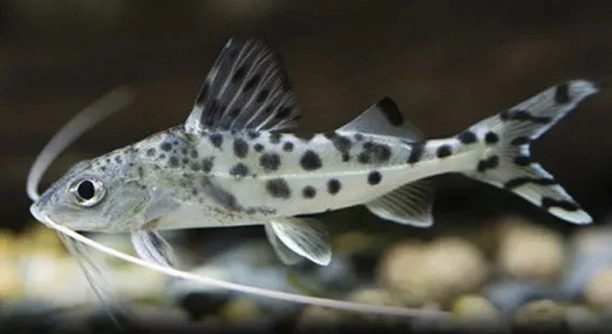
Pictus catfish are popular aquarium fish known for their active and social behavior. Sometimes, their interactions can become aggressive, making it important to recognize when they are fighting. Understanding their behavior helps maintain a peaceful tank environment.
Signs that pictus catfish are fighting include chasing, nipping at each other’s fins, and rapid, erratic swimming. These aggressive behaviors often result in visible injuries or stress in the fish, indicating a need for intervention to prevent harm.
Knowing how to identify these behaviors can help you protect your fish and keep your aquarium calm and healthy. The following details will guide you in spotting the key signs of conflict.
Common Signs of Pictus Catfish Fighting
When pictus catfish fight, you might notice them chasing each other aggressively around the tank. They often nip at each other’s fins or bodies, which can cause small wounds or torn fins. Rapid and sudden movements, especially darting back and forth, are clear signs of distress or aggression. Sometimes, the fish may hide more than usual or seem stressed, trying to avoid confrontation. These behaviors can disrupt the natural social balance of the tank and lead to injury if not addressed. It is important to observe the fish carefully, especially when introducing new catfish or if the tank is overcrowded. The size of the tank and availability of hiding spots also affect how often fighting occurs. Keeping the environment suitable for pictus catfish helps minimize these aggressive encounters.
Aggression in pictus catfish often increases with overcrowding or lack of proper shelter in the aquarium.
Knowing these signs early can help you take steps to reduce fighting and protect your fish. It may require rearranging the tank or separating aggressive individuals. Proper feeding and regular water changes also reduce stress, lowering chances of conflict. Offering enough space and hiding places creates a safer environment. Some owners find that adding plants or decorations helps fish feel secure and less aggressive. Monitoring behavior closely is key to maintaining harmony. Acting quickly can prevent injuries and keep your tank peaceful. Understanding their natural behavior helps in providing the best care possible.
How to Prevent Fighting in Your Aquarium
Controlling aggression starts with managing tank conditions and fish compatibility.
Keeping pictus catfish in a spacious tank with plenty of hiding spots reduces stress and competition. Avoid overcrowding by limiting the number of fish, as too many can cause fights over territory or food. Introducing new fish slowly allows the group to adjust. Feeding regularly and providing varied food can decrease competition for resources. Ensuring good water quality with regular maintenance reduces irritation that might trigger aggression. Observing fish behavior daily helps catch early signs of fighting. If aggression continues, separating the aggressive fish or rearranging tank decorations can help break territorial claims. Sometimes, adding more catfish to spread aggression evenly works but requires a larger tank. Being proactive about these factors maintains a peaceful environment for your pictus catfish to thrive.
Recognizing Injury from Fights
Injuries from pictus catfish fights often show as torn fins, scratches, or small wounds on their bodies. These signs mean aggression has escalated and intervention is necessary.
Injured fish may become weak or stressed, which increases the risk of infection. Keeping the tank clean helps prevent complications. It’s important to separate severely injured fish to allow healing without further attacks. Observing fish daily will help you notice any new wounds or changes in behavior. Prompt action ensures recovery and reduces long-term harm. Treating wounds with aquarium-safe remedies can speed healing.
Even minor injuries need attention because fish heal slowly underwater. Provide gentle care, reduce stressors, and avoid overcrowding to minimize future fights. Adjust tank conditions and check water quality frequently to support the health of all fish. Ensuring proper nutrition also helps boost their immune system and resilience after fights.
Adjusting Tank Conditions to Reduce Aggression
Proper tank setup plays a major role in controlling aggression among pictus catfish. Sufficient space, hiding places, and clean water are essential to keep peace.
A well-decorated tank with plants and caves gives fish spots to retreat and claim territory without confrontation. Regular water changes keep the environment stable, which lowers stress levels. Overcrowding often triggers fights, so maintaining an appropriate fish population is crucial. Monitoring water parameters like pH and temperature ensures the tank remains comfortable. If fighting persists, rearranging decorations can disrupt established territories and reduce aggression. These simple adjustments promote a calmer atmosphere and improve the overall well-being of your fish.
Identifying Stress Behavior in Pictus Catfish
Stress in pictus catfish shows as hiding more than usual or refusing to eat. They may swim erratically or appear lethargic.
These behaviors indicate the fish are uncomfortable, often due to aggression or poor tank conditions. Stress weakens their immune system, making them vulnerable to disease.
When to Separate Fighting Catfish
If fights cause injuries or persistent aggression, separating the fish is necessary. Use a temporary divider or a separate tank to prevent harm. This helps calm the fish and allows the injured to recover safely.
Feeding Habits During Conflicts
Aggressive behavior often increases during feeding times. Make sure food is spread evenly to avoid competition and reduce fighting over resources.
Monitoring Long-Term Behavior
Keep an eye on fish interactions over time. Regular observation helps detect subtle changes and prevents conflicts before they escalate.
FAQ
How can I tell if pictus catfish are just playing or actually fighting?
Pictus catfish can appear active and chase each other as part of normal social behavior. Playful chasing is usually slower and less aggressive, without fin nipping or injuries. Fighting involves quick, sharp movements, chasing with intent to harm, and visible damage like torn fins or scratches. Watch for signs of stress such as hiding or refusing food to confirm aggression.
What should I do if my pictus catfish start fighting?
First, try to identify the cause, such as overcrowding or lack of hiding spaces. Increasing tank size, adding decorations, or rearranging the layout can help break territorial disputes. Feeding fish more frequently and ensuring food is well distributed reduces competition. If fights persist, consider separating the most aggressive individuals temporarily until they calm down.
Can pictus catfish be kept with other fish without fighting?
Yes, pictus catfish can coexist with other peaceful species if the tank is large enough and conditions are right. Avoid housing them with overly aggressive fish or those that occupy the same territory. Provide plenty of hiding spots and maintain good water quality to reduce stress and conflict.
How do tank size and decoration affect fighting behavior?
A small tank limits swimming space and increases competition for territory, leading to fights. Providing a larger tank with plants, rocks, and caves offers shelter and breaks line of sight, which helps reduce aggression. Rearranging decorations periodically can disrupt established territories and lower the chance of fights.
Is it normal for pictus catfish to nip fins occasionally?
Occasional fin nipping can happen during social interactions but should be minimal. Persistent or severe nipping usually signals aggression or stress. Monitor the fish to ensure minor nips do not become serious injuries, and adjust tank conditions accordingly.
What injuries are common from pictus catfish fights?
Typical injuries include torn or frayed fins, scratches, and sometimes small wounds on the body. These injuries may lead to infections if untreated. Keeping the tank clean and treating wounds with appropriate aquarium medications helps fish recover faster.
How can I reduce stress in pictus catfish to prevent fighting?
Maintaining stable water parameters, providing sufficient space, and adding hiding places reduce stress. Feeding a balanced diet and avoiding sudden changes in the tank environment also helps. Stress makes fish more prone to aggression and illness, so keeping them comfortable is essential.
Should I separate injured pictus catfish?
Yes, separating injured fish allows them to heal without further attacks. Use a quarantine or hospital tank and treat wounds as needed. Once healed, slowly reintroduce them to the main tank, monitoring behavior closely.
Can adding more pictus catfish reduce fighting?
In some cases, having a larger group can spread aggression more evenly, reducing constant fights between just a few fish. However, this requires a much larger tank to avoid overcrowding and increased stress. More fish mean more waste, so water quality management becomes even more critical.
What role does feeding play in aggression among pictus catfish?
Aggression often increases around feeding time due to competition for food. Feeding smaller amounts more frequently and distributing food evenly helps reduce this conflict. Some owners feed in multiple spots or use sinking pellets to minimize fighting.
How often should I observe my pictus catfish to detect fighting early?
Daily observation is best to catch early signs of aggression or injury. Regular monitoring allows you to make adjustments quickly before problems escalate. Watch their swimming patterns, fin condition, and behavior closely for any changes.
Are there any signs that indicate pictus catfish have resolved their conflicts?
When fighting decreases, fish swim calmly together without chasing or nipping. They explore the tank peacefully and share hiding spots. Injured fins heal, and the fish return to regular eating and activity patterns. These signs show the group is settling well.
What water parameters are ideal to reduce stress and aggression?
Pictus catfish thrive in temperatures between 72°F and 78°F, with a pH around 6.5 to 7.5. Stable water quality with low ammonia, nitrite, and nitrate levels is crucial. Regular water changes and filtration maintain these conditions, lowering stress and aggression.
Can lighting affect pictus catfish behavior and fighting?
Bright lighting may increase stress or cause fish to hide more, which can disrupt social balance. Moderate lighting with shaded areas creates a comfortable environment. Using floating plants or dimmers can help reduce aggression by providing natural cover.
Is it necessary to consult a vet for pictus catfish fights?
If injuries are severe, persistent, or signs of infection appear, consulting an aquatic veterinarian is advisable. They can recommend treatments or medications. For minor wounds and behavior issues, tank adjustments often suffice.
What are the long-term effects of constant fighting on pictus catfish?
Chronic aggression causes stress, weakens the immune system, and may lead to illness or death. It also reduces the fish’s lifespan and quality of life. Preventing fights through proper care and environment management is essential for healthy, happy fish.
Final thoughts on pictus catfish fighting focus on understanding their natural behavior and creating a supportive environment. Pictus catfish are active and social fish, but like many species, they can display aggression, especially when stressed or crowded. Recognizing the signs of fighting—such as chasing, fin nipping, and visible injuries—helps owners respond quickly to reduce harm. Early observation and attention to these behaviors are key to maintaining a peaceful tank. It is important to remember that some level of interaction, including mild chasing, can be normal, but consistent aggression needs intervention.
Providing the right tank conditions plays a significant role in preventing fights among pictus catfish. A spacious aquarium with plenty of hiding places and decorations gives each fish a chance to establish territory without constant confrontation. Regular maintenance, including water changes and monitoring of water quality, supports the fish’s health and reduces stress. Proper feeding practices also help by minimizing competition. If fights continue despite these measures, separating aggressive individuals or rearranging the tank layout may be necessary. Patience and careful management often lead to a calmer, healthier community of fish.
Caring for pictus catfish requires commitment to observing their behavior and adjusting their environment as needed. Fighting can cause injury and stress, which lowers their resistance to illness. Timely action to address aggression and injury promotes faster healing and better overall well-being. A well-planned aquarium setup and balanced social group help minimize conflict and support natural behaviors. With attention and care, pictus catfish can coexist peacefully, offering an engaging and rewarding aquarium experience.

Hello,
If you enjoy the content that we create, please consider saying a "Thank You!" by leaving a tip.
Every little bit helps us continue crafting quality advice that supports the health, happiness, and well-being of pets around the world, for pets of all shapes, sizes, and species.
We really appreciate the kindness and support that you show us!