
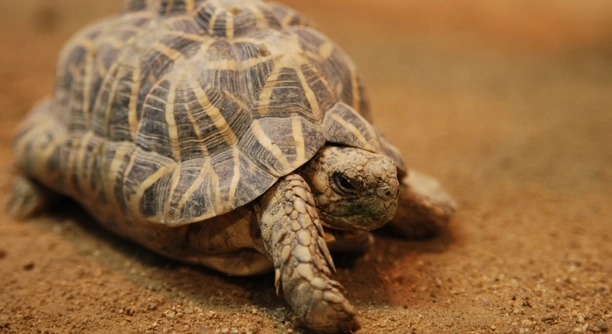
Indian Star Tortoises are a beautiful and unique species, known for their striking shell patterns. If you’re lucky enough to have eggs from one of these fascinating creatures, it’s essential to care for them properly.
To care for Indian Star Tortoise eggs, maintain consistent humidity and temperature levels. The eggs should be incubated in a clean, safe environment to prevent any damage. Regular monitoring will ensure healthy development.
Proper egg care is key to successful hatching. From temperature management to humidity control, each step plays a crucial role in their development.
The Right Incubation Temperature
Maintaining the proper temperature is crucial for Indian Star Tortoise eggs to develop successfully. The ideal temperature for incubation is between 86°F and 88°F (30°C – 31°C). Too high or too low can result in weak or infertile eggs. It’s essential to invest in a reliable incubator to regulate the heat and prevent fluctuations. Be sure to use a thermometer and a hygrometer to keep an eye on the conditions. Keeping the temperature consistent throughout the incubation period ensures healthy embryos and increases the chances of successful hatching.
An incubator with a thermostat will help maintain steady conditions. If you can, place the incubator in a room with stable temperatures and minimal drafts.
Another factor to consider is the time it takes for the eggs to hatch. Indian Star Tortoise eggs typically take about 70 to 90 days to hatch, depending on environmental conditions. During this time, avoid disturbing the eggs to prevent temperature changes and damage. It’s best to let them incubate undisturbed for the best results.
Humidity Levels Matter
Humidity is just as important as temperature. The right humidity level keeps the eggs from drying out or becoming too moist. Ideal humidity for Indian Star Tortoise eggs is around 70% to 80%. This will help the eggs maintain moisture without becoming overly soggy.
Inconsistent humidity levels can affect the embryo’s development and result in unsuccessful hatching. Adjust your incubator settings to keep the environment stable and monitor it regularly.
Handling the Eggs Carefully
Handling the eggs with care is essential to avoid causing any damage. Use gloves or clean hands when touching them, as oils or dirt can negatively affect the eggs. Gently move the eggs if needed, but avoid unnecessary handling.
It’s important not to turn the eggs once they are placed in the incubator, as this could harm the developing embryo. Ensure that they are positioned with the larger end slightly raised, which is the natural way they would be laid in the wild. Once you place the eggs in the incubator, avoid disturbing them too much to ensure healthy growth.
If you need to move the eggs for any reason, do so gently and always place them back in the same position. Use soft materials like a towel or cloth to support them, as they can be delicate during incubation.
Checking the Eggs Regularly
While you shouldn’t disturb the eggs too often, checking them regularly is still necessary to ensure the proper conditions. Make sure the temperature and humidity are consistent, as fluctuations can cause problems.
Look for any signs of mold or discoloration on the eggs, which could indicate issues. If the eggs appear to be rotting, remove them from the incubator to prevent contamination of the others. Keeping the environment clean and controlled will help your eggs stay healthy throughout the incubation period.
Providing Proper Ventilation
Good ventilation is crucial to prevent the buildup of harmful gases around the eggs. Ensure that your incubator has proper air circulation to keep the environment breathable. A fan inside the incubator can help promote airflow.
Poor ventilation can lead to low oxygen levels and increased carbon dioxide, which could result in unhealthy eggs. Check the airflow system regularly and make sure it’s functioning properly.
Protecting the Eggs from External Threats
Insects, rodents, or even other pets can harm your eggs if they are not protected. Keep the incubator in a secure location, preferably in a room with minimal foot traffic and disturbance.
Make sure the incubator is sealed well and that it is free from pests or outside contamination. Keeping your eggs safe from external threats increases the chances of successful hatching.
FAQ
What is the ideal temperature for incubating Indian Star Tortoise eggs?
The ideal temperature for incubating Indian Star Tortoise eggs is between 86°F and 88°F (30°C – 31°C). Consistency is key to ensuring proper development. Any temperature outside of this range can either delay hatching or result in poor egg development. Keep an eye on the incubator’s temperature throughout the incubation period, as even minor fluctuations can have negative effects. A thermostat-equipped incubator will help keep things stable.
How long does it take for Indian Star Tortoise eggs to hatch?
Indian Star Tortoise eggs typically take between 70 and 90 days to hatch, depending on the temperature and humidity levels. The eggs may hatch slightly earlier or later, but you should not try to rush the process. Ensure that the incubator conditions remain consistent and undisturbed to promote the best possible outcome. Keep monitoring the humidity and temperature during the entire incubation period to support healthy development.
Can I move the eggs during incubation?
It’s best to avoid moving the eggs once they are in the incubator, as shifting them too much can harm the embryos inside. If you need to move the eggs, be very gentle and try to place them back exactly where they were. It’s important to keep them in the same orientation to prevent any disruptions to the development process. Regularly check the conditions, but don’t disturb the eggs unnecessarily.
What should I do if the eggs show signs of mold or discoloration?
If you notice mold or discoloration on any eggs, it’s important to remove them from the incubator immediately. Mold can spread quickly and contaminate other eggs, which could compromise the entire incubation process. If an egg looks like it’s rotten or developing a strong odor, discard it carefully. Regular checks will help you identify any issues early, so they don’t affect the healthy eggs.
How do I maintain proper humidity levels for the eggs?
Maintaining proper humidity is critical for the development of Indian Star Tortoise eggs. The humidity should stay between 70% and 80%. If your incubator does not have a built-in humidity control system, you can use a humidifier or place water bowls inside the incubator to maintain moisture. Be sure to monitor the humidity regularly with a hygrometer. Too much moisture can cause the eggs to drown, while too little moisture can cause the eggs to dry out.
How can I tell if the eggs are fertile?
One way to check if the eggs are fertile is through a process called candling, which involves shining a bright light through the egg to observe its contents. You can do this around 10 to 14 days after the eggs have been laid. Fertile eggs will show signs of veining or a dark area inside the shell, indicating embryo development. If the egg looks clear or shows no development, it may be infertile. Be cautious when candling the eggs to avoid breaking them.
Can I incubate multiple eggs at once?
Yes, you can incubate multiple eggs at the same time, but it’s essential to make sure they all have the same environmental conditions. Ensure that your incubator has enough space to comfortably accommodate all the eggs while maintaining a consistent temperature and humidity level. Avoid overcrowding the incubator, as this can lead to uneven temperature distribution and poor hatch rates.
What should I do if the eggs hatch early or late?
If the eggs hatch earlier than expected, it’s important not to interfere too much. Allow the baby tortoises to emerge on their own, as they know when it’s the right time. If they hatch late, continue to monitor the incubator conditions to ensure everything is still appropriate. Sometimes, hatching can be delayed due to fluctuating environmental factors, but most tortoises will hatch within a reasonable time frame.
Do I need to help the baby tortoises once they hatch?
Once the baby tortoises hatch, it’s best to leave them to emerge from the egg on their own. They instinctively know how to break free from the shell and start their journey. It’s important not to rush the process or try to assist them, as this can cause injury or stress. After hatching, make sure to provide them with a proper environment that includes warmth, moisture, and food.
Is it necessary to use an incubator, or can I use a different method?
While an incubator is the most reliable way to control temperature and humidity, some people have successfully used alternative methods. If you don’t have an incubator, you can try using a heat pad or heat lamp with a well-maintained humidity source like a shallow pan of water. However, this method can be trickier, as it’s more difficult to maintain stable conditions. It’s important to have a thermometer and hygrometer to monitor the environment. If you’re serious about hatching Indian Star Tortoise eggs, investing in an incubator is the best option.
Final Thoughts
Caring for Indian Star Tortoise eggs requires careful attention to several factors like temperature, humidity, and handling. By keeping the incubator conditions stable, you can ensure a better chance of healthy hatching. It’s important to maintain the ideal temperature between 86°F and 88°F and to keep the humidity levels around 70% to 80%. Consistency is key, as even small fluctuations in the environment can harm the developing embryos inside the eggs.
While it might be tempting to check on the eggs constantly, it’s best to leave them undisturbed as much as possible. Avoid turning the eggs or moving them unnecessarily. Only check them occasionally to monitor the temperature and humidity. Handling the eggs gently, if needed, is important to prevent damage, but do so with care and ensure the eggs are returned to the incubator in the same position. The goal is to mimic natural conditions, which means limiting disruptions and providing a safe environment for the embryos to grow.
Finally, patience is essential when incubating Indian Star Tortoise eggs. The hatching process can take between 70 to 90 days, and the eggs should not be rushed. It’s a slow but rewarding process that requires monitoring but not constant interference. If the conditions are right, the eggs will hatch naturally when it’s time. Ensure the hatchlings have a proper environment to thrive after they emerge. By following the right steps and staying patient, you will increase the chances of raising healthy tortoises.

Hello,
If you enjoy the content that we create, please consider saying a "Thank You!" by leaving a tip.
Every little bit helps us continue crafting quality advice that supports the health, happiness, and well-being of pets around the world, for pets of all shapes, sizes, and species.
We really appreciate the kindness and support that you show us!