
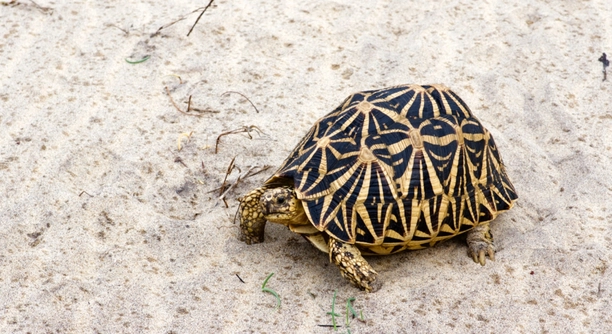
Do you ever find yourself wondering if your Indian star tortoise is getting the right lighting for its health and well-being? Proper lighting is essential for their overall growth, shell development, and daily activities.
Indian star tortoises require a combination of UVB and heat lighting to thrive. UVB helps with calcium absorption and prevents metabolic bone disease, while a heat source maintains their preferred temperature range. Without adequate lighting, their health can deteriorate over time.
Lighting plays a crucial role in your tortoise’s daily routine. Understanding the right balance of UVB exposure and heat will ensure they stay active, healthy, and comfortable in their habitat.
Understanding UVB Lighting for Indian Star Tortoises
UVB lighting is essential for Indian star tortoises because it helps them absorb calcium and prevents metabolic bone disease. Without UVB, they may develop soft shells, weak bones, and mobility issues. A high-quality UVB bulb should be placed inside the enclosure, positioned within 10 to 12 inches of their basking area. It should be on for 10 to 12 hours daily, mimicking natural sunlight. Ensure the bulb covers a large portion of the habitat so they can receive adequate exposure. Over time, UVB output decreases, so replacing the bulb every six months is necessary.
Tortoises living indoors rely on artificial UVB lighting since glass and plastic filter out natural UVB rays. A bulb with a UV index of 2.0 to 5.0 is ideal, providing safe and effective levels. If possible, occasional supervised outdoor time can supplement their UVB intake.
Choosing the right UVB bulb is important. Fluorescent tube bulbs are recommended over compact bulbs since they provide even coverage. Mercury vapor bulbs are another option, offering both UVB and heat in one. Always check the bulb’s UV output with a meter if possible, and avoid placing it over glass or plastic to prevent blocking beneficial rays.
Heat Lamps and Temperature Requirements
Indian star tortoises need a consistent heat source to regulate their body temperature. Without proper warmth, they may become inactive, have trouble digesting food, and face other health issues.
The ideal temperature for their basking area is between 90°F and 95°F, while the cooler side of the enclosure should stay around 75°F to 80°F. Nighttime temperatures can drop slightly but should not go below 70°F. A combination of ceramic heat emitters and basking bulbs can help maintain these conditions. Always use a thermometer to monitor the enclosure.
Placement of the heat lamp is important. It should be positioned to create a clear temperature gradient, allowing the tortoise to move between warm and cool zones as needed. Avoid using colored bulbs, as they can interfere with their natural light cycle. Instead, opt for a white or infrared bulb that provides heat without disrupting their day-night rhythm. If you live in a colder climate, consider using an under-tank heater to ensure warmth is consistent, especially at night.
Choosing the Right Light Cycle
Indian star tortoises need a consistent light cycle to stay healthy. A 12-hour light and 12-hour dark schedule works best, mimicking natural daylight. This routine helps regulate their sleep, digestion, and activity levels, preventing stress and disruptions to their internal clock.
Keeping a strict schedule is important. Sudden changes in lighting can confuse them, leading to irregular behavior. Using a timer ensures consistency, turning lights on and off at the same time daily. If natural light enters the room, make sure artificial lights follow a similar pattern. Seasonal adjustments may be necessary, but drastic shifts should be avoided. If your tortoise appears lethargic or overly active at odd hours, review the lighting schedule to identify possible inconsistencies. Sticking to a steady routine promotes their overall well-being.
Incorrect lighting cycles can cause stress, reduced appetite, and irregular sleep patterns. If the enclosure is too bright at night, they may struggle to rest properly. Red or blue night lights are not recommended, as they can interfere with natural rhythms. Instead, a ceramic heat emitter provides warmth without disrupting darkness. Always monitor behavior to ensure your tortoise is comfortable with the current setup, making small adjustments if necessary.
Natural Sunlight vs. Artificial Lighting
Natural sunlight is the best source of UVB for Indian star tortoises. It provides full-spectrum lighting that supports calcium absorption, digestion, and overall health. If possible, allow your tortoise to spend supervised time outdoors in a secure area with direct sunlight. Shade should always be available to prevent overheating.
Artificial lighting is necessary for indoor enclosures, as windows and plastic barriers block natural UVB rays. A high-quality UVB bulb replicates sunlight but must be replaced every six months to maintain effectiveness. Combining UVB and heat bulbs helps create a suitable indoor environment. Position the bulbs correctly to provide even coverage, ensuring they receive enough exposure without overexposure.
Both natural and artificial lighting have benefits. While outdoor sun exposure is ideal, it may not always be possible. A well-maintained indoor lighting setup ensures they still receive the necessary UVB and warmth. Monitoring their shell condition and activity levels can help determine if adjustments to their lighting routine are needed.
Common Lighting Mistakes to Avoid
Using the wrong UVB bulb can lead to health issues. Some bulbs do not emit enough UVB, while others can be too strong, causing eye irritation. Always choose a reliable brand and check the UV index to ensure it meets your tortoise’s needs.
Placing the light too far reduces its effectiveness. UVB rays weaken with distance, so bulbs should be positioned within 10 to 12 inches of the basking area. Regularly clean the bulb’s surface, as dust buildup can block UVB output and decrease efficiency.
Replacing and Maintaining Light Bulbs
UVB bulbs lose their effectiveness over time, even if they still produce visible light. Most bulbs should be replaced every six months to ensure consistent UVB output. Using a UV meter can help track UVB levels and determine when a replacement is necessary. Heat bulbs should also be checked regularly, as they may burn out faster depending on usage.
Signs of Poor Lighting in Tortoises
A soft or deformed shell can indicate inadequate UVB exposure. Weak limbs, reduced activity, and loss of appetite are also signs that lighting may need adjustments. Regularly observing your tortoise’s behavior and shell condition can help prevent long-term health issues related to poor lighting.
FAQ
What type of UVB bulb should I use for my Indian star tortoise?
You should use a UVB bulb specifically designed for reptiles, with a UVB output of 2.0 to 5.0. These are commonly found in fluorescent tube or mercury vapor bulbs. Fluorescent tube bulbs provide more even UVB coverage over a larger area. Avoid compact bulbs, as they often do not provide sufficient UVB for your tortoise’s needs. Make sure to choose a reputable brand to ensure the bulb’s effectiveness and safety.
How long should I keep the lights on for my tortoise each day?
The lighting schedule should mimic natural daylight patterns. Aim for 12 hours of light and 12 hours of darkness daily. This consistent light cycle helps maintain your tortoise’s natural sleep-wake rhythm, encouraging healthy behavior and digestion. A timer can be used to automatically turn the lights on and off at the same time every day, ensuring consistency.
Do I need to supplement UVB lighting with natural sunlight?
Natural sunlight is the best source of UVB, but it is not always possible to provide your tortoise with outdoor access every day. If you can, let your tortoise bask in direct sunlight for short, supervised periods. If not, ensure that your indoor UVB lighting is adequate and replaced regularly. The combination of both can support optimal health.
How far should the UVB bulb be placed from the basking area?
The UVB bulb should be placed about 10 to 12 inches away from the basking spot. This allows your tortoise to receive the proper amount of UVB without being too close, which can cause eye irritation. Adjust the height of the bulb as needed to maintain the correct distance.
Can I use regular household light bulbs for heat?
While regular household light bulbs can generate heat, they do not provide the necessary UVB lighting that your tortoise requires. For heat, it’s better to use ceramic heat emitters or basking bulbs designed for reptiles. These provide a safe, consistent heat source while ensuring your tortoise’s environment is suitable for its needs.
How often should I replace the UVB bulb?
UVB bulbs lose their effectiveness over time, even if they are still emitting visible light. It’s recommended to replace the UVB bulb every six months to ensure your tortoise receives the correct amount of UVB. If you use a UV meter to measure UVB output, replace the bulb as soon as you notice a decrease in effectiveness.
Should I use a basking lamp for my tortoise?
Yes, a basking lamp is essential for maintaining the right temperature in your tortoise’s habitat. It creates a warm spot that your tortoise can move toward when it needs to regulate its body temperature. This is especially important for digestion and overall activity. Ensure that the basking lamp provides a temperature between 90°F and 95°F.
What temperature should the basking area be?
The basking area should be maintained at a temperature of 90°F to 95°F. This helps your tortoise digest its food properly and remain active. If the temperature is too low, your tortoise may become lethargic and lose its appetite. Use a thermometer to monitor the temperature regularly, especially during the day when the heat lamp is on.
Can I use a red or blue light for nighttime heating?
It’s not recommended to use colored bulbs, such as red or blue, for nighttime heating. These can interfere with your tortoise’s natural sleep cycle, affecting its overall health and well-being. Instead, use a ceramic heat emitter that provides warmth without emitting light, ensuring your tortoise can rest peacefully.
Is it necessary to provide a cool side in the enclosure?
Yes, it is important to create a temperature gradient in the enclosure by providing a cooler side, typically between 75°F and 80°F. This allows your tortoise to move between the warm and cool areas, helping it regulate its body temperature naturally. The cooler side is also essential for your tortoise to retreat to if it gets too hot on the basking side.
How do I know if my tortoise is getting enough light?
If your tortoise is active during the day, has a healthy appetite, and is not showing signs of shell deformities or lethargy, it is likely getting enough light. A good indication that lighting is sufficient is when your tortoise spends time basking under the UVB bulb and exhibits normal behavior, such as eating and exploring its habitat. If you notice your tortoise becoming less active or its shell appearing soft, it may need more UVB exposure or light adjustments.
Can I use a combination of heat and UVB bulbs?
Yes, there are bulbs that combine both UVB and heat in one, such as mercury vapor bulbs. These bulbs are a convenient option, as they provide both heat and UVB, reducing the need for separate light sources. However, make sure the wattage is appropriate for the size of your tortoise’s enclosure, as these bulbs can get very hot.
What should I do if my tortoise is not basking under the light?
If your tortoise is not basking under the light, it could indicate that the temperature is too high, too low, or the lighting setup is not adequate. Check the temperature of the basking area and the overall enclosure. Make sure the UVB bulb is at the correct distance and still working properly. If your tortoise continues to avoid basking, consider adjusting the setup to ensure it feels comfortable and secure.
How do I maintain the lights in my tortoise’s enclosure?
Regular maintenance of your tortoise’s lights is essential. Clean the bulbs frequently to remove dust and debris, as buildup can block UVB rays. Ensure that timers are working properly, and check the temperatures regularly using a thermometer. Keep track of the bulb’s lifespan to ensure it’s replaced at the appropriate time, and monitor your tortoise’s behavior for any signs of lighting-related issues.
Final Thoughts
Providing the right lighting for your Indian star tortoise is crucial to its overall health and well-being. Without the proper UVB and heat sources, your tortoise could develop serious health problems such as shell deformities and metabolic bone disease. By using quality UVB bulbs, maintaining the right temperature, and following a consistent light cycle, you can create a safe and healthy environment for your pet. Lighting is more than just a convenience; it is a vital part of your tortoise’s care routine. Regularly check and adjust the lighting setup to meet their needs and prevent any potential issues.
It’s also important to remember that lighting alone does not guarantee your tortoise’s health. Proper diet, hydration, and regular habitat maintenance all play a role in keeping your tortoise in top condition. Make sure your tortoise has access to clean water, a balanced diet, and plenty of space to roam around in its enclosure. A consistent environment with the right balance of light, heat, and care will allow your tortoise to thrive. Be mindful of any signs of stress, such as lethargy or changes in appetite, which can often be traced back to lighting or temperature issues.
Lastly, always stay informed and proactive about your tortoise’s needs. The lighting requirements for reptiles may seem complicated at first, but once you understand the basics, it becomes easier to maintain a suitable habitat. Regularly monitor your setup, replace bulbs when necessary, and provide your tortoise with opportunities for natural sunlight when possible. By taking these steps, you will be able to provide a healthier and happier environment for your Indian star tortoise, ensuring it lives a long and active life.

Hello,
If you enjoy the content that we create, please consider saying a "Thank You!" by leaving a tip.
Every little bit helps us continue crafting quality advice that supports the health, happiness, and well-being of pets around the world, for pets of all shapes, sizes, and species.
We really appreciate the kindness and support that you show us!