
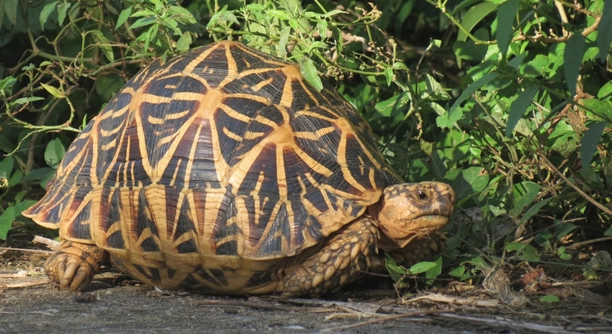
Introducing an Indian Star Tortoise to other pets can be a delicate process. Their unique needs and behavior require a cautious approach, especially when meeting other animals. Knowing the right steps can make the transition smoother for everyone involved.
The process of introducing an Indian Star Tortoise to other pets requires careful preparation, understanding animal behavior, and managing stress levels. Gradual introductions, proper supervision, and ensuring that all pets feel safe are key to a successful interaction.
Following these guidelines can help ensure a peaceful introduction between your tortoise and other pets. Understanding their behavior and body language is essential for maintaining harmony.
Prepare a Safe Space for Your Tortoise
Creating a safe space for your Indian Star Tortoise is an essential first step before introducing it to other pets. The space should be quiet, free of sudden movements, and away from the commotion of the other animals. This gives your tortoise a chance to adjust to the new environment without feeling threatened. You can set up an enclosure or simply use a room with no access to the other pets. This space needs to offer some shelter, food, and water to ensure your tortoise feels comfortable.
A space with no distractions will also allow you to observe your tortoise’s behavior. Watch how it reacts to new sounds and smells, as this will help you understand how it might react when meeting other pets. Make sure your tortoise has the room it needs to move around and hide if it gets stressed. This safe area will be a key part of the introduction process.
The environment you set up for your tortoise will also impact its comfort. Once your tortoise feels secure in this new space, you can begin the process of introducing it to your pets. It is crucial to make sure the other animals are also comfortable in their own space before allowing interactions.
Gradual Introductions
Gradually introducing your tortoise to other pets helps reduce the chances of stress. Start by letting them see each other from a distance. Keep the tortoise in its enclosure while allowing the other pets to observe. Over time, you can move them closer, ensuring that both animals are calm.
The first in-person meeting should be under supervision. Place your tortoise and other pets in a neutral area, ensuring neither feels territorial. Never force an interaction; let them approach each other naturally. Each meeting should be brief, offering plenty of breaks for both animals. You want to avoid overwhelming either pet with too much too soon.
Patience is key. It can take multiple sessions for both animals to feel comfortable. If at any point, either animal shows signs of stress, step back and give them time to readjust before trying again. This slow, step-by-step approach reduces tension and builds trust.
Observe Body Language
Body language is crucial when introducing your tortoise to other pets. Pay attention to how both animals act during the interaction. If your tortoise starts to retreat or hides in its shell, it’s likely feeling threatened or stressed. Likewise, if the other pets show signs of aggression or curiosity, they may need some time to adjust.
It’s important to note subtle signals from both animals. A tortoise may puff up, retract its head, or stop moving altogether if feeling scared. Likewise, pets like dogs or cats might exhibit stiff postures, low growls, or focused stares, indicating they’re unsure of the situation. If you notice any of these behaviors, it’s best to stop the interaction.
Allow each pet time to calm down if they show signs of stress. The introduction should be adjusted based on these cues. Continuing despite signs of discomfort could worsen the relationship between them, making future introductions more difficult.
Use Positive Reinforcement
When your tortoise and other pets display calm behavior, reinforce that with positive actions. For example, rewarding the pets with treats or praise can encourage peaceful interactions. This will help them associate each other with good things. Rewarding the tortoise with food or gentle handling after a calm encounter helps it feel secure.
The other pets should also be rewarded for good behavior. If they remain calm around the tortoise or show curiosity without aggression, acknowledge this with praise. Over time, this positive reinforcement can encourage both animals to behave more peacefully during interactions. Remember, the goal is to make these meetings a positive experience for everyone involved.
Consistency is key in this approach. Repeated positive reinforcement helps the animals learn what behavior is expected of them and makes the introductions smoother.
Keep the Introductions Short
Short, controlled interactions are key in the early stages. Keeping the sessions brief prevents overwhelming any of the pets. A few minutes of supervised interaction is enough to start. Gradually increase the time as both animals become more comfortable.
At first, try not to let the pets stay together for more than 5 to 10 minutes. This allows them to build familiarity without the risk of stress. Over time, you can lengthen the sessions if things are going well. The goal is to allow both animals to get used to each other at their own pace.
Allowing them too much time together too soon can lead to frustration or aggression.
Maintain Calm Energy
Keeping yourself calm during interactions is essential. Animals can pick up on your emotions, so staying relaxed can help them feel more at ease. Speak in a soft, gentle voice, and keep your movements slow and deliberate.
A calm atmosphere promotes comfort and reduces the chances of sudden reactions. If you’re anxious, your tortoise and other pets will sense this and might become uneasy. Even your own energy can influence how they react, so it’s important to stay composed throughout the introduction process.
FAQ
How do I know if my tortoise is stressed during introductions?
Signs of stress in a tortoise can include retreating into its shell, staying very still, or trying to move away quickly. A stressed tortoise may also puff up its body or withdraw its head. If your tortoise shows these behaviors, it’s a sign that the interaction is too much for it, and you should separate the pets and give them a break.
How do I introduce my tortoise to my cat?
Start by allowing them to observe each other from a distance. Keep your tortoise in a safe enclosure and let the cat approach, but without direct contact. Gradually reduce the distance between them over time, always monitoring their reactions. If your cat shows signs of aggression or curiosity, keep the interaction brief and calm. Never force them to interact directly if either animal is uncomfortable.
Can I let my tortoise roam free around my other pets?
It’s not advisable to let your tortoise roam freely around other pets, especially at the beginning. Tortoises are slow movers and can’t easily escape from fast or curious pets like dogs or cats. This can lead to injury or stress. Always supervise initial interactions and provide your tortoise with a safe space where it can retreat if needed.
How long does it take for pets to get used to each other?
It varies based on the animals and their personalities. For some, it may take only a few days, while for others, it could take several weeks or even months. Patience is crucial. The more gradual and controlled the introductions, the better the chances of a smooth transition. Always be patient and willing to adjust your approach based on how the pets are reacting.
Is it safe to introduce multiple pets at once?
It’s usually best to introduce pets one at a time. Introducing too many animals at once can overwhelm your tortoise and create stress. Allow each pet to get used to the tortoise individually, and monitor their behavior carefully during each interaction. Over time, once the pets are comfortable with each other, you can allow them to interact together.
What should I do if my dog is too aggressive with my tortoise?
If your dog shows aggression towards your tortoise, you should separate them immediately. Keep your dog on a leash and allow the tortoise to retreat into its shell or safe space. Aggression could escalate, so don’t push the interaction. You may need to work on desensitizing your dog to the presence of the tortoise slowly, using positive reinforcement and keeping interactions controlled and brief.
Can I use toys to help with the introduction?
Using toys can sometimes help distract other pets and make the introduction feel less intense. However, it’s important to ensure that the toys don’t create distractions that could lead to unintended stress or rough interactions. Only use toys that are safe for both your tortoise and other pets. Never use toys that could be harmful or cause anxiety.
Should I always supervise my pets when they are together?
Yes, it’s essential to supervise any interactions, especially during the initial stages. Even after the pets have become more comfortable with each other, occasional supervision is necessary to ensure safety. You never know when one of the animals might feel threatened, which could lead to a negative or dangerous situation.
What if my tortoise doesn’t seem to like the other pets?
If your tortoise is consistently showing signs of fear or dislike towards the other pets, you may need to slow down the introduction process. Keep interactions short and controlled, and give the tortoise more time to adjust. It might take a little longer for some pets to feel comfortable. If the issue persists, consider consulting a vet or animal behaviorist for advice.
How can I help my other pets feel safe around my tortoise?
Ensuring your other pets feel safe is just as important as making sure your tortoise is comfortable. Give each pet its own space where they can retreat if needed. For pets like cats and dogs, provide a calm and quiet environment without loud noises or sudden movements. Positive reinforcement, treats, and praise for calm behavior will encourage them to view the tortoise as a neutral presence rather than a threat.
Final Thoughts
Introducing your Indian Star Tortoise to other pets requires patience, understanding, and a slow approach. Each animal has its own temperament and comfort level, so it’s important to observe their body language carefully. Tortoises, in particular, can be sensitive and easily stressed, so ensuring they feel secure is essential. Similarly, other pets like dogs and cats can react differently, and their behavior should be monitored closely. Always prioritize the well-being of each animal involved, adjusting your approach based on how they respond to the introduction.
By setting up a safe and calm environment for the initial introductions, you provide a better chance for a peaceful interaction. Gradual exposure is key—keeping the sessions short and allowing animals to become familiar with one another at their own pace can help reduce stress. Patience is critical during this process. It’s easy to want quick results, but forcing an interaction when one or more pets aren’t ready can lead to negative outcomes. Sometimes, it takes multiple sessions to build trust, and that’s okay. Over time, your tortoise and other pets can grow more comfortable around each other.
With careful planning and consistent effort, your tortoise can live peacefully alongside other pets. Every introduction will be different, and there might be setbacks, but that’s part of the process. Being mindful of each pet’s needs and respecting their boundaries will create a positive relationship over time. Whether your tortoise becomes close to your other pets or simply coexists peacefully, the goal is to ensure a safe, happy environment for everyone. The more thoughtful and respectful the process, the better the results will be in the long run.

Hello,
If you enjoy the content that we create, please consider saying a "Thank You!" by leaving a tip.
Every little bit helps us continue crafting quality advice that supports the health, happiness, and well-being of pets around the world, for pets of all shapes, sizes, and species.
We really appreciate the kindness and support that you show us!