
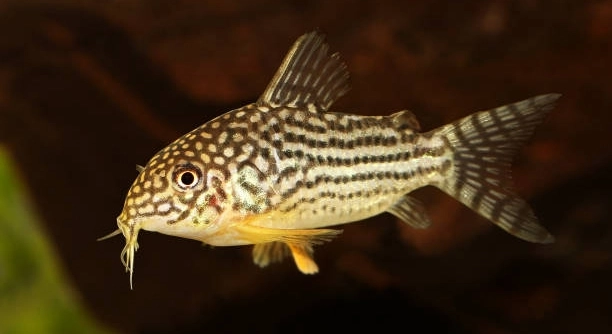
Caring for baby Corydoras catfish requires attention to detail and a bit of patience. These small, peaceful fish are an excellent addition to any aquarium, but they need the right environment to thrive.
To care for baby Corydoras catfish, focus on maintaining clean water, providing proper nutrition, and ensuring they have plenty of hiding spots. Baby Corydoras are sensitive to changes in their surroundings, so consistency is key in their care routine.
With proper care, your baby Corydoras catfish will grow healthy and strong. In the following sections, we’ll share essential tips to keep your little fish happy and thriving.
Setting Up the Perfect Tank for Baby Corydoras Catfish
When setting up an aquarium for baby Corydoras catfish, the most important aspect is water quality. These fish thrive in clean, soft water with a slightly acidic pH level. It’s crucial to keep the water temperature between 74°F to 78°F (23°C to 26°C). Make sure to use a gentle filter as strong currents can stress them out. Corydoras prefer hiding spots, so add plenty of plants, caves, or decorations that create a safe environment. A well-planted tank will also provide the baby catfish with a natural space to explore and feel secure.
To keep the water quality in check, perform regular water changes. Aim for about 25-30% of the water weekly. Ensure you monitor water parameters frequently, especially when the babies are young. This helps prevent potential health issues caused by poor water conditions.
Additionally, baby Corydoras are bottom dwellers, so substrate matters. Use fine sand or smooth gravel, as rough substrate can damage their sensitive barbels. A soft substrate also makes it easier for them to forage for food.
Feeding Baby Corydoras Catfish
Baby Corydoras are bottom feeders, and they rely on a diet of small foods that sink to the bottom. You can feed them finely crushed flakes, micro pellets, or specialized food for fry. Be sure to provide them with enough food without overfeeding, as excess food can deteriorate water quality.
Feeding them multiple times a day ensures they receive adequate nutrition. As they grow, you can introduce more varied foods like live or frozen foods, such as brine shrimp or daphnia. However, be careful with live foods as they can carry parasites, so always ensure they are from a reliable source.
Over time, as the babies grow, you may need to adjust their diet to meet their increasing size and energy needs. Keep in mind that baby Corydoras need small amounts of food more often, as they have high metabolism.
Tankmates for Baby Corydoras Catfish
Baby Corydoras are peaceful fish and do well with other calm species. Avoid aggressive or large fish that could harm them or outcompete them for food. Other small, non-aggressive fish, like tetras or guppies, make good tankmates.
It’s important to provide a stable and stress-free environment for baby Corydoras. Be sure that tankmates are not too active or boisterous, as this can scare the catfish. You also want to avoid larger fish that could see them as food. Avoid species with long, sharp fins that could accidentally injure the baby Corydoras as they explore the tank.
Corydoras also do well in groups, and keeping several together makes them feel more comfortable. A small school of five or more can help reduce stress and encourage natural behavior. Ensure the tank is large enough to accommodate the group without overcrowding.
Maintaining Water Quality for Baby Corydoras Catfish
Keeping the water clean is essential to the health of baby Corydoras. Ammonia, nitrites, and nitrates should always be kept at low levels. Regular water testing helps ensure proper water parameters, especially in the early stages of life.
Use a quality aquarium filter that is rated for the size of your tank. This will help maintain water clarity and oxygen levels. However, ensure that the current is gentle enough not to stress the baby fish. Additionally, avoid using harsh chemicals that could disrupt the tank’s natural balance. Keep the water stable with consistent maintenance, and always monitor temperature and pH levels.
Doing regular water changes is a must to remove waste and excess nutrients from the tank. Even if your filter is working well, partial water changes should be done every week or two to maintain a healthy environment for the babies.
Tank Temperature for Baby Corydoras Catfish
Maintaining the correct temperature is crucial for baby Corydoras. They thrive in water between 74°F and 78°F (23°C to 26°C). Any drastic temperature fluctuations can lead to stress or illness. A reliable heater will help maintain this temperature range consistently.
Make sure the heater is appropriate for the size of your tank. Regularly check the temperature with an aquarium thermometer to ensure it remains stable. Avoid placing the tank in areas with direct sunlight or drafts, as this can cause the temperature to swing.
Lighting Needs for Baby Corydoras Catfish
Baby Corydoras catfish prefer dim lighting as they are naturally accustomed to low-light environments. Bright lights can stress them out, especially when they’re young. Use a gentle aquarium light to mimic their natural habitat.
Dim lighting will also help encourage their natural foraging behavior. Keep light levels low during the day, with a natural day-night cycle. At night, turn off the aquarium lights to allow the fish to rest properly.
Ensuring Proper Tank Size for Baby Corydoras Catfish
Make sure the tank is spacious enough for baby Corydoras to move freely. A tank size of at least 10 gallons is recommended for a small group. A larger tank is always better for keeping water quality stable.
Smaller tanks can quickly become overcrowded and have issues with water quality. As baby Corydoras grow, they’ll need more room to explore and find food. A larger tank will also give them the hiding spots they need to feel safe and secure.
FAQ
How often should I feed baby Corydoras catfish?
Baby Corydoras should be fed multiple small meals throughout the day. Aim for 3-4 feedings per day, but only provide as much food as they can consume in a few minutes. This ensures they get enough nutrition without overfeeding, which can degrade water quality. As they grow, you can increase the portion size or adjust feeding frequency. Keep an eye on their growth and adjust as needed to prevent under or overfeeding.
What is the ideal water temperature for baby Corydoras?
The ideal water temperature for baby Corydoras is between 74°F and 78°F (23°C to 26°C). Keeping the water in this range ensures they stay healthy and active. Temperature fluctuations can lead to stress, so it’s important to use an aquarium heater to maintain a stable environment. Regularly check the water with a thermometer to avoid any sudden changes that could harm them.
Can baby Corydoras live with other fish?
Yes, baby Corydoras can live with other peaceful fish. They do best with non-aggressive tankmates, such as tetras, guppies, or small rasboras. Avoid larger or more aggressive species that might harass or outcompete them for food. Corydoras are peaceful bottom dwellers and prefer a calm and safe environment. Keep an eye on the behavior of other fish to make sure they don’t cause any stress.
How can I tell if my baby Corydoras are healthy?
Healthy baby Corydoras should be active, with clear eyes, and no visible signs of injury or disease. They’ll swim around the tank looking for food and interacting with other fish. If they start hiding excessively, have faded colors, or display erratic swimming behavior, these could be signs of stress or illness. Make sure to check the water quality and adjust it if necessary. Always observe your fish for any changes in behavior or appearance.
What should I do if my baby Corydoras are not eating?
If your baby Corydoras are not eating, first check the water quality. Poor water conditions can cause stress and loss of appetite. Ensure the temperature, pH, and hardness are within the right range. Also, make sure you are offering appropriate food. Try different foods such as finely crushed flakes, micro pellets, or live/frozen foods like brine shrimp. If they still refuse to eat, consider checking for any signs of illness or consulting an aquarium expert.
How can I keep the water clean for baby Corydoras?
Maintaining clean water is crucial for the health of your baby Corydoras. Regular water changes (about 25-30% per week) are necessary to remove waste and excess nutrients. Use a gentle filter to help maintain water clarity, but make sure the current is not too strong for the young fish. Test the water regularly to ensure ammonia and nitrite levels are low, as these can be harmful to baby fish. Avoid overfeeding, as this can cause food waste to build up in the tank.
Do I need to use a special substrate for baby Corydoras?
Yes, using the right substrate is important for baby Corydoras. A fine, smooth sand or smooth gravel is ideal. Rough or sharp substrate can damage their sensitive barbels, which they use to search for food on the bottom. Soft sand also allows them to forage more naturally, mimicking their natural environment. Ensure the substrate is free of any sharp edges to prevent injuries.
How many baby Corydoras should I keep together?
It’s best to keep baby Corydoras in small groups of at least 5. These fish are social creatures, and keeping them in groups helps reduce stress. A school of baby Corydoras will behave more naturally, and they’ll feel safer. Larger groups can be kept as they grow, but make sure your tank has enough space for them. A group of 5 or more helps mimic their natural schooling behavior, making them more confident and active.
Can baby Corydoras eat live food?
Yes, baby Corydoras can eat live food, such as brine shrimp, daphnia, or micro worms. Live food can be a great source of protein and stimulate natural hunting behaviors. However, make sure the live food comes from a trusted source to avoid introducing parasites. Frozen or freeze-dried alternatives can also be offered. As baby Corydoras grow, they can handle slightly larger live food, but always ensure it’s small enough for them to eat.
How can I prevent my baby Corydoras from getting stressed?
Baby Corydoras can get stressed due to poor water conditions, sudden changes in their environment, or aggressive tankmates. To prevent stress, maintain stable water quality, including temperature, pH, and hardness. Avoid sudden changes in the tank and provide plenty of hiding spots. Dim lighting can also help keep them calm. Make sure they have a safe space to retreat to if they feel threatened. Keeping the tankmates peaceful and non-aggressive is essential in reducing stress.
Is a filter necessary for baby Corydoras?
Yes, a filter is necessary to maintain clean and healthy water. A filter helps remove waste and excess nutrients that could build up and harm your baby Corydoras. However, make sure the filter has a gentle flow, as strong currents can be stressful for these small fish. You can adjust the filter output or use a sponge filter to provide a gentle filtration system that won’t disturb their natural environment.
Final Thoughts
Caring for baby Corydoras catfish can be a rewarding experience. These small fish are peaceful and easy to care for, making them perfect for beginner aquarium owners. By maintaining good water quality, feeding them appropriately, and keeping the tank environment calm, you can help them grow into healthy, active adults. Regular water changes and proper filtration are essential to ensure they thrive. As bottom dwellers, baby Corydoras enjoy having a soft, smooth substrate and plenty of hiding spots, which allows them to feel safe and secure in their new home.
The key to successful baby Corydoras care is consistency. Make sure to maintain a stable water temperature between 74°F and 78°F and monitor the water quality closely. Testing the water for ammonia, nitrites, and nitrates regularly will help keep their environment healthy. If you notice any changes in behavior, such as lethargy or loss of appetite, it’s a sign that something may not be right. Pay attention to their feeding habits, and try offering different types of food to ensure they get the proper nutrition. Overfeeding should be avoided as it can cause water quality to decline quickly.
While baby Corydoras are generally low-maintenance, keeping a group of them can be especially beneficial. They are social fish and feel more comfortable when kept together in small groups. Additionally, ensure you choose tankmates that are compatible and non-aggressive to avoid stressing them out. With the right care and attention, baby Corydoras will not only survive but thrive in your aquarium. Remember that these fish are sensitive to their environment, so creating a peaceful and stable tank will help them lead a healthy, stress-free life.

Hello,
If you enjoy the content that we create, please consider saying a "Thank You!" by leaving a tip.
Every little bit helps us continue crafting quality advice that supports the health, happiness, and well-being of pets around the world, for pets of all shapes, sizes, and species.
We really appreciate the kindness and support that you show us!