
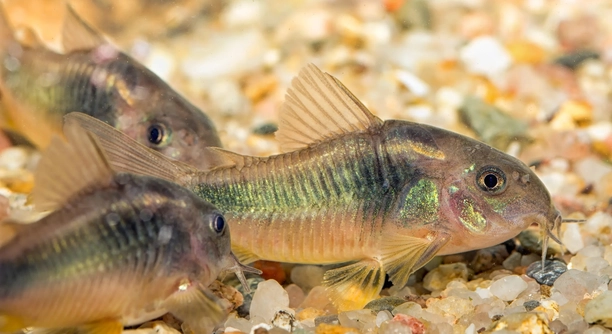
Corydoras catfish are popular in community tanks due to their peaceful nature and fun behavior. However, ensuring they thrive in these settings requires attention to their specific needs and environment. Let’s explore how to help them.
The key to helping your Corydoras catfish thrive in a community tank is providing the right water conditions, proper tank mates, and a suitable diet. These factors will reduce stress, encourage natural behaviors, and support their overall health.
By following a few simple tips, you can ensure your Corydoras live a long, healthy, and happy life in your tank.
1. Maintaining Ideal Water Conditions
Corydoras catfish are sensitive to water quality, so it’s important to maintain stable parameters. These fish thrive in slightly acidic to neutral water, with a temperature range of 72-78°F (22-26°C). Regular water changes are essential, as they help remove toxins and waste that can accumulate. Additionally, be mindful of ammonia and nitrite levels, which should be kept at zero. Investing in a good filtration system will help keep the water clean, but avoid strong currents that can stress your fish.
A consistent water change schedule and a reliable filtration system are essential for keeping water conditions stable. Over time, this will help your Corydoras thrive and prevent potential health problems caused by poor water quality.
Proper water conditions will not only improve the quality of life for your Corydoras catfish but will also keep other tank inhabitants healthy. This foundation of clean water is essential for a thriving community tank.
2. Choosing the Right Tank Mates
When selecting tank mates for your Corydoras catfish, it’s crucial to choose peaceful species that won’t outcompete them for food or harass them. Avoid aggressive or territorial fish, as they can stress out your Corydoras. Ideal companions include other peaceful bottom dwellers, like small tetras or livebearers. Corydoras catfish prefer to be kept in groups, as this helps them feel secure and reduces stress.
If you’re looking for compatible tank mates, make sure they have similar water and dietary needs. You’ll also want to ensure they don’t compete with Corydoras for space or food, as this can cause health issues.
By carefully selecting tank mates and observing their behavior, you’ll create a harmonious environment where your Corydoras catfish can thrive alongside other species. A peaceful tank setup will ensure everyone is happy and healthy.
3. Providing a Balanced Diet
Corydoras catfish are bottom-feeding scavengers, meaning they enjoy a variety of food sources. High-quality sinking pellets, live or frozen foods like bloodworms, and occasional vegetables will provide them with the nutrients they need. Offering a range of food ensures they receive proper protein, fiber, and vitamins.
While they eat primarily at the bottom of the tank, make sure to feed small portions and observe their eating habits. Overfeeding can lead to water pollution and health issues, so aim to feed your Corydoras small amounts two to three times a day. Be sure to remove any uneaten food after a few minutes to avoid water contamination.
Maintaining a proper diet encourages optimal health and well-being for Corydoras. A balanced diet also promotes natural behaviors, such as foraging and social interaction, helping them feel more at ease in the community tank.
4. Creating a Comfortable Substrate
Corydoras catfish are sensitive to sharp substrates, as they often dig through the sand or gravel in search of food. Using soft, fine sand or smooth gravel ensures they can explore without injury. Avoid sharp-edged materials that could damage their delicate barbels.
A soft substrate also provides a place for beneficial bacteria to thrive, improving water quality. Corydoras will appreciate the natural feel of the tank, and it mimics their natural habitat. It’s important to avoid overly deep substrates, as this can cause problems with water circulation and oxygen flow.
By selecting the right substrate and keeping it clean, you’ll provide your Corydoras with an environment that’s both safe and comfortable, allowing them to thrive.
5. Providing Hiding Spots and Shelter
Corydoras catfish enjoy having hiding spots in their tank where they can retreat when feeling stressed. Adding plants, rocks, or small caves will provide them with safe places to rest. This helps reduce stress and promotes natural behavior.
A well-planted tank with some décor that offers hiding spaces will allow your Corydoras to feel secure. Creating a balanced environment ensures that your fish can rest and feel protected when needed. This is essential for their overall health and happiness.
6. Regular Tank Maintenance
Regular tank maintenance, including water changes and filter cleaning, is essential for keeping your Corydoras healthy. Dirty water can lead to stress, which weakens the immune system and makes them more susceptible to disease. Set up a consistent maintenance schedule.
Keeping a clean tank also reduces the buildup of toxins like ammonia, nitrites, and nitrates. This prevents harmful conditions that could negatively impact the fish. Clean water and a well-maintained filter will contribute to the overall health and thriving of your Corydoras catfish.
7. Monitoring Tank Temperature
Maintaining a stable water temperature between 72-78°F (22-26°C) is crucial for Corydoras catfish. Sudden changes in temperature can stress them out and cause health issues. Invest in a reliable heater and thermometer.
By keeping the temperature steady, you’ll help your Corydoras feel at ease. Sudden fluctuations can disrupt their natural behaviors, so consistency is key for their well-being. Temperature stability is essential for creating an ideal environment for your fish.
FAQ
How many Corydoras should I keep together?
Corydoras catfish are social creatures, and they thrive when kept in groups. It’s best to keep them in a school of at least 4-6 individuals. A group helps them feel secure and reduces stress, allowing them to exhibit their natural behaviors. They will often school together, which can be a delightful sight. Keeping a smaller number of Corydoras can lead to loneliness and stress, potentially affecting their health. If you have space, a larger group will create a more stable and happy environment.
Can Corydoras live with other fish?
Yes, Corydoras catfish are peaceful and make excellent tank mates for many other species, especially non-aggressive ones. Tetras, guppies, and other small community fish work well with Corydoras. Just avoid larger, aggressive fish that may harass them. Corydoras are bottom dwellers, so they generally won’t compete with other fish for space. However, it’s still important to ensure that the water parameters and temperature suit all the species in the tank. Peaceful fish with similar needs will coexist well with Corydoras.
Do Corydoras catfish need special care?
While Corydoras catfish are relatively easy to care for, they do have some specific requirements. They need soft, clean water, and a well-maintained tank with minimal current. The right substrate, like smooth gravel or sand, is important to prevent damage to their delicate barbels. Regular water changes are necessary, and a reliable filtration system is key. Corydoras also benefit from a balanced diet that includes sinking pellets and occasional live or frozen foods. While they don’t require complex care, ensuring their environment is stable and clean is essential for their well-being.
Why do Corydoras catfish swim at the surface?
Corydoras usually swim near the bottom of the tank, but they may occasionally swim to the surface for air. This behavior is normal, as Corydoras are capable of gulping air from the surface when necessary. They have an accessory breathing organ that allows them to take in oxygen from the water’s surface. If you notice them swimming at the surface more frequently, it could be due to low oxygen levels or water quality issues. It’s essential to monitor the water parameters and ensure there is enough oxygen for your fish.
What should I feed my Corydoras catfish?
Corydoras are omnivores and eat a variety of foods. They mainly consume sinking pellets designed for bottom feeders. In addition, they enjoy live or frozen foods like bloodworms, brine shrimp, and daphnia. Occasionally, you can offer vegetables like zucchini or peas, which should be blanched to soften them. It’s important to feed small portions, as overfeeding can lead to water contamination. Make sure to remove any uneaten food after a few minutes to maintain water quality. A varied diet helps keep your Corydoras healthy and active.
Are Corydoras catfish sensitive to water changes?
Corydoras can be sensitive to sudden changes in water conditions. Rapid fluctuations in water temperature, pH, or hardness can stress them out and make them more susceptible to illness. To avoid this, perform gradual water changes and ensure that the new water matches the tank’s conditions. Consistency is important for Corydoras, so avoid sudden shifts in parameters. Regular water testing will help you stay on top of the water quality and make adjustments as needed. A stable environment is key to keeping your Corydoras healthy.
How long do Corydoras catfish live?
Corydoras catfish typically live for around 5 to 7 years, although some may live longer with excellent care. Their lifespan can be influenced by water quality, diet, and the tank environment. Keeping the tank clean, providing a proper diet, and maintaining stable water conditions will help ensure they live to their full potential. If well cared for, Corydoras can remain active and healthy throughout their lifespan, offering you years of enjoyment in your community tank.
Can Corydoras catfish lay eggs in a community tank?
Yes, Corydoras can lay eggs in a community tank, though it’s more likely in a stable, well-maintained environment. Females typically lay their eggs on flat surfaces, such as leaves, rocks, or tank walls. The eggs are sticky and will adhere to these surfaces. If you want to breed Corydoras, ensure there is a male-female pair in the tank. While the eggs can hatch in a community tank, the eggs may be eaten by other fish. If you wish to raise the fry, you’ll need to separate the eggs into a dedicated breeding tank.
Why is my Corydoras not moving much?
If your Corydoras is not moving much, it could be a sign of stress, illness, or poor water quality. Check the water parameters to ensure they are within the ideal range. If the water is too hot, too cold, or the ammonia levels are high, it can affect their activity. Corydoras may also become lethargic if they are not feeling well or are stressed from aggressive tank mates. Keep an eye on the fish’s behavior and look for other signs of illness, such as loss of appetite or abnormal swimming.
Do Corydoras catfish need a filter?
Yes, a filter is essential for keeping the water clean and oxygenated. Corydoras catfish prefer clean water with low to moderate current, so a gentle filter is ideal. Strong currents can stress them out, so avoid powerful filter systems that create too much water movement. A sponge filter or a low-flow filter works well in tanks with Corydoras. Regular cleaning of the filter will help maintain water quality, and you should perform water changes to keep the tank environment stable and healthy.
Final Thoughts
Caring for Corydoras catfish in a community tank is relatively straightforward if you follow some basic guidelines. These peaceful fish are easy to integrate with other species, making them ideal for community setups. By maintaining clean water, providing hiding spots, and ensuring a stable temperature, your Corydoras will thrive. Their social nature means they do best in groups, so keeping at least four or more will help them feel safe and secure. They are active and playful, adding life to any tank.
It’s important to consider their specific needs when setting up the tank. Corydoras prefer soft, smooth substrates that won’t harm their delicate barbels, so choosing the right bottom material is crucial. They also benefit from regular water changes and a gentle filtration system to keep the water clear and oxygenated. Monitoring the water parameters, such as temperature and pH, will help prevent stress and keep your Corydoras healthy. Even though they are relatively hardy, they do require consistent care and attention.
In addition to water quality and tank setup, their diet plays a significant role in their well-being. Offering a variety of foods, including sinking pellets, live or frozen treats, and occasional vegetables, ensures they get the nutrients they need. Overfeeding should be avoided to prevent water contamination. By keeping an eye on their overall health and the condition of their environment, you can ensure your Corydoras live a long and happy life. With proper care, these charming catfish will be a great addition to your community tank, contributing to a peaceful and harmonious aquarium.

Hello,
If you enjoy the content that we create, please consider saying a "Thank You!" by leaving a tip.
Every little bit helps us continue crafting quality advice that supports the health, happiness, and well-being of pets around the world, for pets of all shapes, sizes, and species.
We really appreciate the kindness and support that you show us!