
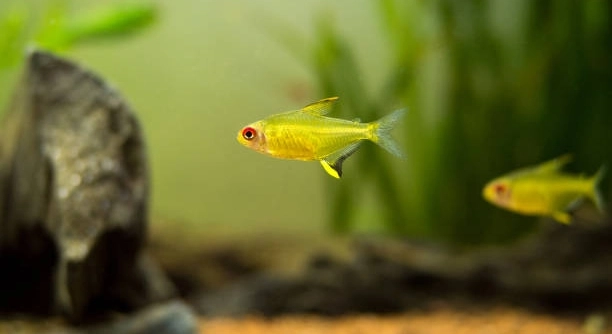
Lemon tetras are lively little fish that can sometimes become overly active in their tank. Their bright yellow bodies and energetic movements are charming, but excessive activity may signal stress or an unsuitable environment.
The most effective way to calm an overactive lemon tetra is by adjusting its environment and daily care. Providing stable water conditions, consistent lighting, a balanced diet, and hiding spaces can reduce stress and promote calmer behavior in these fish.
Proper care and simple adjustments can make a noticeable difference in your lemon tetra’s behavior, ensuring a healthier and more peaceful aquarium environment.
Understanding Lemon Tetra Behavior
Lemon tetras are naturally active and social fish that swim in small schools. Observing them can be enjoyable, but their rapid movements may indicate discomfort or stress. Overactivity can result from poor water quality, overcrowding, or sudden changes in the environment. These fish respond to light, temperature, and current, so even minor changes in tank conditions can affect their behavior. Providing hiding spots like plants or decorations can help them feel secure, while a stable feeding schedule keeps them calm. Observing their interactions with other fish is also important, as aggressive tankmates can trigger constant movement. Maintaining consistent tank conditions prevents erratic swimming and allows lemon tetras to establish a routine. Regular monitoring of water parameters, including pH, temperature, and ammonia levels, reduces stress and helps keep their activity at a natural level. Overactive tetras often settle once their habitat meets their needs and they feel safe.
Adjusting their environment gradually often calms lemon tetras, allowing them to swim more naturally and peacefully.
Keeping the tank stable and comfortable is key. Slow changes, proper decor, and careful observation make a big difference in their behavior.
Water Conditions and Tank Setup
Stable water conditions are essential for calm lemon tetras. Temperature should remain consistent between 72–78°F, and the pH level should stay around 6.5–7.5. Sudden fluctuations can stress the fish, causing erratic movements or hiding. A filter with moderate flow ensures clean water without creating strong currents, which tetras may find unsettling. The tank should have at least 20 gallons for a small school, allowing enough space for swimming. Overcrowding increases activity and stress, so it is better to keep a few fish in a properly sized tank rather than overstocking. Adding plants, caves, and decorations provides shelter and reduces anxiety. Lighting should mimic natural cycles, with about 10–12 hours of light per day, as constant bright light may overstimulate them. Regular water testing and partial water changes help maintain ideal conditions and prevent sudden spikes in harmful substances.
Tank setup plays a major role in reducing overactivity and stress, supporting healthier and calmer fish.
Maintaining proper water parameters and a thoughtfully arranged tank keeps lemon tetras comfortable. Consistent filtration, hiding spaces, and stable lighting promote natural behavior and reduce frantic swimming. Adjustments made carefully create a balanced environment that supports their long-term health.
Feeding and Diet
Proper feeding helps keep lemon tetras calm and healthy. Overfeeding can lead to restlessness and poor water quality, so small, measured portions are best. A balanced diet with flakes, pellets, and occasional live or frozen foods meets their nutritional needs.
Feeding lemon tetras twice a day with controlled portions prevents overeating and reduces excess waste in the tank. High-quality flake or pellet food should form the main diet, supplemented occasionally with brine shrimp, daphnia, or bloodworms to provide protein. Avoid sudden changes in diet, as tetras can become stressed when introduced to unfamiliar foods. Monitoring how quickly they eat helps ensure no leftover food decays and disrupts water quality. Consistent feeding times also help the fish feel secure and less anxious.
Introducing variety slowly encourages natural foraging behavior without overexciting the fish. Balanced nutrition supports calmer swimming patterns and overall well-being. Avoid feeding large amounts at once, which can trigger hyperactivity and water pollution. Observing their response to each feeding can guide adjustments in quantity and type of food.
Social Interaction and Tankmates
Lemon tetras are schooling fish and feel more secure in groups of six or more. Being alone or with incompatible tankmates can cause stress and excessive movement. Proper social arrangements encourage natural behavior and reduce anxiety.
Choosing compatible tankmates like other small, peaceful species prevents aggression and overactivity. Aggressive or large fish can intimidate lemon tetras, making them swim frantically or hide constantly. Watching interactions daily helps identify stress triggers, and separating fish temporarily may be necessary. Providing space and visual barriers can minimize conflict. Schools of lemon tetras swim together, which naturally calms individuals, as they rely on each other for security. Avoid overcrowding while maintaining an adequate group size to support social needs.
Regular observation and adjusting tankmates as needed maintains harmony and reduces stress-induced hyperactivity. Proper schooling dynamics, combined with calm species around them, help lemon tetras establish predictable routines and swim steadily.
Tank Lighting
Proper lighting helps regulate lemon tetras’ activity levels. Too bright or constant light can overstimulate them, causing restlessness. A moderate, consistent light cycle of about 10–12 hours per day supports natural behavior and a calmer environment.
Dimmed or shaded areas in the tank provide safe spaces. This allows the fish to rest and reduces stress from excessive exposure to light.
Decorations and Hiding Spots
Plants, rocks, and decorations give lemon tetras places to hide and feel secure. Dense vegetation and small caves break lines of sight, preventing stress from perceived threats. A well-decorated tank encourages natural swimming patterns and reduces frantic movements, promoting calmer behavior overall.
Temperature Control
Maintaining a stable temperature between 72–78°F is crucial. Sudden changes can shock lemon tetras, leading to hyperactivity. A reliable heater and thermometer help keep the water consistent, supporting calmer swimming and overall fish health.
Water Quality Maintenance
Regular water changes and testing prevent ammonia or nitrate buildup, which can overstimulate lemon tetras. Clean, balanced water helps them remain calm, swim normally, and reduces stress-related behaviors in the tank.
FAQ
How can I tell if my lemon tetra is stressed?
A stressed lemon tetra often shows signs like rapid swimming, darting back and forth, hiding frequently, or refusing food. Loss of color and clamped fins are also indicators. Observing these behaviors consistently can help identify issues before they worsen, allowing timely adjustments to the tank environment.
What is the ideal tank size for lemon tetras?
A minimum of 20 gallons is recommended for a small school of lemon tetras. More space allows them to swim freely, reduces aggression, and minimizes stress. A larger tank is particularly important if you plan to keep them with other peaceful fish, as it prevents overcrowding and erratic behavior.
How many lemon tetras should I keep together?
Lemon tetras thrive in groups of six or more. Being in a school provides security and encourages natural swimming patterns. Smaller groups can lead to stress and overactivity, while larger groups offer social comfort but require careful management of tank space and water quality to prevent overcrowding.
What types of tankmates are best for lemon tetras?
Peaceful, small fish are ideal tankmates. Species like guppies, rasboras, and small Corydoras catfish usually coexist well. Avoid aggressive or large fish, as they can intimidate lemon tetras, causing them to swim frantically or hide excessively. Proper social balance ensures a calmer, more natural environment.
How often should I feed my lemon tetras?
Feeding twice a day with measured portions works best. Overfeeding can lead to water quality problems and hyperactivity. A mix of high-quality flakes or pellets, supplemented with live or frozen foods like brine shrimp, helps maintain balanced nutrition while keeping the fish calm and healthy.
What water parameters are ideal for calming lemon tetras?
Temperature should remain between 72–78°F, pH around 6.5–7.5, and ammonia, nitrite, and nitrate levels kept low through regular water testing and changes. Stable water chemistry prevents stress, reduces erratic swimming, and supports overall health and natural behavior patterns.
How important is tank decoration for lemon tetras?
Decorations and plants provide hiding spots and break visual lines, helping fish feel secure. Dense vegetation and small caves reduce stress, giving them a sense of safety. A well-decorated tank encourages calmer swimming patterns and keeps tetras from becoming overly active or skittish.
Can lighting affect their behavior?
Yes, too bright or constant lighting can overstimulate lemon tetras. A moderate light cycle of 10–12 hours per day is ideal. Dimmed areas or shaded sections allow resting periods, reducing stress and preventing hyperactive movements in the tank.
How often should I perform water changes?
Regular water changes, about 20–25% weekly, maintain water quality. Clean water reduces ammonia and nitrate buildup, preventing overstimulation and stress. Consistent maintenance promotes calmer swimming, healthier fish, and a more stable environment for the entire aquarium community.
Are there behavioral signs that indicate the tank setup needs adjustment?
Yes, constant darting, hiding, or chasing other fish often signals issues like poor water quality, overcrowding, or insufficient hiding spots. Observing these behaviors early helps identify necessary adjustments, such as adding plants, reducing light intensity, or re-evaluating tankmates, to create a calmer, balanced habitat.
What should I do if my lemon tetra continues to be overactive despite changes?
Recheck water parameters, tank size, and social dynamics. Sometimes subtle factors like current strength, temperature fluctuations, or incompatible tankmates cause persistent hyperactivity. Gradual adjustments, additional hiding spots, or temporarily separating stressed individuals can help restore calm behavior over time.
Is diet variety important for their calmness?
Yes, a balanced diet with occasional live or frozen foods stimulates natural foraging without overstimulation. Sudden changes in food can stress them, so introduce new items gradually. Consistent nutrition supports overall health and helps maintain steady, calm swimming patterns throughout the day.
Do lemon tetras need a specific temperature range to stay calm?
Maintaining 72–78°F is essential. Fluctuations outside this range can stress the fish, causing frantic swimming or hiding. Using a reliable heater and thermometer ensures temperature stability, which directly influences calm behavior and overall health in the tank.
Can overcrowding cause overactivity?
Yes, overcrowded tanks lead to stress and hyperactive movements. Each fish needs enough space to swim freely, establish a social hierarchy, and feel secure. Maintaining appropriate group sizes and tank volume is crucial to prevent constant movement and conflict among lemon tetras.
How do I reduce stress when introducing new fish?
Acclimate new fish slowly using a drip or floating method to equalize water parameters. Quarantine newcomers before adding them to the main tank. Proper introduction minimizes stress, prevents disease, and ensures existing lemon tetras maintain calm behavior and predictable social interactions.
This FAQ provides practical guidance to help maintain calm, healthy lemon tetras. Observing behavior, adjusting the environment, and managing diet, lighting, and social interactions are key steps in supporting their well-being. Consistency and careful attention prevent overactivity and promote a stable, peaceful aquarium.
Lemon tetras are small, lively fish that bring color and movement to any aquarium. Their natural energy can be very entertaining, but when they become overly active, it can indicate stress or discomfort. Overactivity is not always a sign of illness; often, it is a response to their environment or daily care. Factors like water quality, tank size, lighting, temperature, and the presence of hiding spots all play a role in regulating their behavior. By paying attention to these details, it is possible to create a stable and comfortable habitat where lemon tetras can swim naturally without constant darting or frantic movements. Observing their daily patterns helps you understand what conditions make them feel safe and secure.
Maintaining proper water parameters is one of the most important steps in keeping lemon tetras calm. Their preferred temperature range is 72–78°F, and the pH should stay around 6.5–7.5. Regular testing and partial water changes help prevent spikes in harmful substances like ammonia or nitrate, which can trigger stress responses. A stable, clean environment encourages calmer swimming and better overall health. Tank decorations, plants, and hiding spots also play a significant role. These features break visual lines, allowing fish to feel protected. They provide areas to rest and reduce constant exposure to perceived threats. Even the placement of lighting affects behavior, as overly bright or constant light can overstimulate them. Keeping a predictable light cycle of around 10–12 hours per day, along with shaded areas, supports natural routines and lessens hyperactivity.
Social interactions and proper feeding are equally important. Lemon tetras are schooling fish and feel most secure in groups of six or more. Small, peaceful tankmates help maintain calm behavior, while aggressive or larger species can increase stress and overactivity. Feeding should be consistent, with measured portions given twice a day, and a mix of high-quality flakes, pellets, and occasional live or frozen foods supports balanced nutrition. Sudden changes in diet or overfeeding can disturb their natural behavior. Watching their reactions to food and observing group dynamics helps identify any issues early. By combining proper water care, tank setup, social arrangements, and nutrition, you can maintain a calm, healthy, and vibrant community for lemon tetras. These measures ensure the fish remain active but not stressed, creating a stable, enjoyable aquarium environment for both the fish and the caretaker.

Hello,
If you enjoy the content that we create, please consider saying a "Thank You!" by leaving a tip.
Every little bit helps us continue crafting quality advice that supports the health, happiness, and well-being of pets around the world, for pets of all shapes, sizes, and species.
We really appreciate the kindness and support that you show us!