
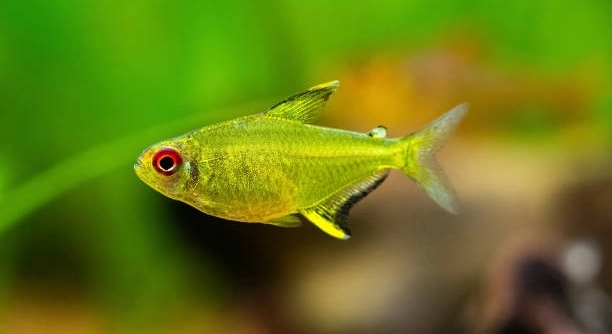
Lemon tetras are small, lively fish that can easily get stressed in a busy aquarium. Their bright colors fade when they feel unsafe, and their behavior changes, making it harder to enjoy watching them swim peacefully.
The most effective ways to calm stressed lemon tetras include maintaining stable water conditions, providing hiding spaces, reducing sudden movements, keeping them in proper group sizes, avoiding overfeeding, regulating lighting, and minimizing loud noises, all of which improve overall fish welfare.
By applying these simple steps, you can help your lemon tetras feel secure and regain their natural colors and activity levels.
Maintain Stable Water Conditions
Keeping water stable is one of the most important ways to calm stressed lemon tetras. Sudden changes in temperature or pH can make them anxious and affect their health. Using a reliable heater and thermometer helps maintain a constant temperature. Performing regular water tests ensures pH, ammonia, nitrite, and nitrate levels are safe. Partial water changes remove waste and keep water fresh without shocking the fish. Avoid adding too many new fish at once, as overcrowding can increase stress. A clean filter that runs consistently improves water quality. Observing your tetras daily allows you to notice early signs of stress. Small adjustments in care can make a big difference. Stress can weaken the immune system, so prevention is better than trying to fix problems later. Consistency in water parameters helps lemon tetras feel secure and swim naturally. By staying attentive to water quality, you support their long-term well-being.
Stable water conditions prevent sudden physiological stress and reduce erratic swimming, color fading, and health decline in lemon tetras, ensuring safer and calmer aquarium life.
Regular attention to water allows you to enjoy a lively, colorful tank. Your tetras respond quickly to consistent conditions and feel safer.
Provide Hiding Spaces
Hiding spaces help lemon tetras feel secure. They naturally seek cover when anxious, so adding plants, rocks, or decorations gives them safe spots.
Creating proper hiding areas improves their confidence and reduces stress behaviors. Dense plants or caves give tetras places to retreat without isolating them completely.
Lemon tetras are small and delicate, so providing areas to hide from sudden movements or bright light can make a big difference. Floating plants or tall stems create shaded areas that mimic natural habitats, helping them feel more comfortable. Rocks or small caves give them solid cover and break lines of sight, which reduces tension. When choosing decorations, ensure there are no sharp edges that could injure the fish. Placement matters too—scatter hiding spots evenly so all tetras have access without competing aggressively. Observing their use of these spaces helps you understand their preferences and adjust arrangements. Over time, providing sufficient cover leads to calmer swimming patterns, brighter colors, and more natural social behavior, making your tank more enjoyable to watch and healthier overall.
Reduce Sudden Movements
Lemon tetras are easily startled by quick movements around the tank. Moving slowly near the aquarium helps them feel safe and reduces stress. Avoid tapping or shaking the glass.
Sudden gestures can trigger fear responses in lemon tetras, causing them to dart around or hide excessively. Keeping hands and objects away from the tank or moving calmly when feeding prevents unnecessary anxiety. Even slight disturbances, like shadows or reflections, may stress them. Over time, consistent gentle behavior allows tetras to trust their surroundings, swim confidently, and display their natural colors. This approach also reduces the risk of injury from frantic swimming or collisions with tank decorations.
Reducing fast movements creates a calmer environment that encourages natural behaviors. Lemon tetras start using hiding spots only when necessary, interact better with tank mates, and maintain healthy activity levels. Observing them over time shows calmer, more relaxed patterns, which is satisfying to notice in a home aquarium.
Keep Proper Group Sizes
Lemon tetras feel safer in groups of six or more. Smaller groups increase stress and aggression. Proper group size encourages natural schooling behavior.
Having enough tetras in a group prevents loneliness and helps them feel secure. Schools allow them to coordinate swimming, respond to threats naturally, and reduce individual stress. Small groups can lead to timid or erratic behavior, whereas larger schools provide comfort and social stability. Ensuring a balanced mix of sizes and ages also reduces bullying. Observing the group’s interactions helps adjust numbers if needed. Healthy schools display synchronized movement, brighter colors, and calmer activity.
Proper group sizes foster social bonds and reduce stress-induced health issues. Each tetra benefits from companionship, which enhances their confidence and overall well-being. A well-sized school encourages peaceful interactions, fewer hiding incidents, and consistent energy levels. Overcrowding should be avoided to prevent competition for food and space, while too few tetras increase anxiety. Maintaining this balance allows the fish to thrive naturally, making them more visible and active. Watching a cohesive school swim together adds vibrancy to the aquarium and ensures that each fish enjoys a safe, enriched environment.
Avoid Overfeeding
Overfeeding lemon tetras can stress their digestive system and foul the water. Feed small portions that they can finish within a few minutes.
Excess food leads to higher ammonia levels, which irritates fish and encourages bacterial growth. Feeding measured amounts keeps the tank cleaner and fish healthier.
Regulate Lighting
Bright or fluctuating lighting can unsettle lemon tetras. Use a timer to maintain a consistent day-night cycle. Proper lighting supports normal activity, reduces hiding, and prevents stress from sudden light changes.
Minimize Loud Noises
Lemon tetras are sensitive to vibrations and loud sounds near the tank. Keep the environment calm and avoid banging on surfaces or placing the aquarium in high-traffic areas. Noise reduction helps them swim freely and maintain natural behavior.
FAQ
How do I know if my lemon tetra is stressed?
Signs of stress in lemon tetras include faded colors, erratic swimming, hiding more than usual, or loss of appetite. They may dart quickly when approached or stay near the bottom of the tank. Regular observation helps identify early signs, allowing quick adjustments to their environment.
Can water temperature changes stress lemon tetras?
Yes, sudden changes in temperature can shock lemon tetras. They thrive in stable water between 72-78°F. A consistent heater and thermometer help maintain a safe range. Avoid adding cold or hot water suddenly, as this can trigger stress and weaken their immune system.
Why is hiding important for lemon tetras?
Hiding spaces reduce anxiety and mimic their natural habitat. Plants, rocks, and decorations give them secure areas to retreat when frightened. Properly placed hiding spots help tetras feel safe without isolating them, supporting normal schooling and activity patterns.
Is tank size important for stress levels?
Yes, overcrowding can increase aggression and stress. Lemon tetras need space to swim freely and school naturally. A 20-gallon tank or larger is recommended for a small school, providing enough room for movement, hiding spots, and healthy social interactions.
How often should I feed lemon tetras?
Feed small amounts once or twice a day. Overfeeding leads to water pollution and digestive issues. Only give food they can consume in 2–3 minutes. A consistent feeding schedule helps them feel secure and reduces stress from competition.
Do sudden noises affect lemon tetras?
Lemon tetras are sensitive to vibrations and loud sounds. Loud music, slamming doors, or frequent tapping can startle them. Placing the tank in a calm area reduces stress, allows normal swimming, and helps maintain their bright colors and active behavior.
Can adding too many new fish cause stress?
Yes, introducing multiple new fish at once can overwhelm lemon tetras. Gradually adding one or two at a time allows them to adjust socially and reduces aggression or hiding. Quarantining new fish also prevents disease transmission, which can further stress the group.
Does lighting impact stress in lemon tetras?
Inconsistent or overly bright lighting can unsettle lemon tetras. Using a timer to maintain a regular day-night cycle creates a predictable environment. Floating plants or shaded areas can soften light, helping them feel secure and reducing stress-related behaviors.
What role does water quality play in stress?
Poor water quality is a major stress factor. High ammonia, nitrite, or nitrate levels, or unstable pH, can cause illness and anxiety. Regular testing, partial water changes, and a well-maintained filter ensure a clean, safe environment that keeps lemon tetras calm and healthy.
Can lemon tetras recover from stress?
Yes, with proper care, lemon tetras can recover. Stabilizing water, providing hiding spots, feeding properly, controlling noise, and maintaining social groups helps them regain color, activity, and confidence. Recovery may take days or weeks, but attentive care leads to visible improvement and healthier fish.
Is schooling necessary for stress reduction?
Schooling is essential. Lemon tetras feel secure in groups of six or more. Proper group sizes encourage synchronized swimming and reduce fear. Smaller groups may result in anxiety, hiding, and color loss, while adequate schooling improves confidence, natural behavior, and overall health.
How can I make my tank more stress-free?
Maintain stable water, provide plants or caves, keep lighting consistent, reduce sudden movements, avoid loud noises, and feed proper amounts. Observing behavior regularly ensures you notice early signs of stress. A calm, predictable environment supports lemon tetras’ physical and mental well-being.
Does tank decoration affect stress levels?
Yes, decorations offer shelter and break lines of sight, which reduces tension. Rounded rocks, smooth caves, and dense plants create hiding spots without risk of injury. Even distribution of decor allows all fish to access safe spaces, improving social interactions and reducing competition.
How long does it take for lemon tetras to calm down?
The calming period varies depending on the source of stress and tank conditions. Minor stress can be relieved within a day or two, while prolonged issues may take weeks. Consistent care, stable water, proper group size, and secure hiding spaces are key to faster recovery.
Lemon tetras are small, active fish that can easily get stressed when their environment is not ideal. Stress affects their colors, behavior, and overall health, so taking steps to reduce it is important. Maintaining stable water conditions is one of the most effective ways to keep them calm. Sudden changes in temperature, pH, or water quality can cause them to hide or swim erratically. Regular water testing and partial water changes help ensure the tank remains safe and clean. A properly working filter also keeps water clear and removes harmful waste. Consistent conditions make lemon tetras feel secure, allowing them to display their natural colors and swim more confidently.
Providing hiding spaces is another essential step. Lemon tetras naturally seek cover when they feel anxious, so adding plants, rocks, or small decorations gives them safe areas to retreat. Proper placement of these hiding spots helps all fish have access without creating competition. Floating plants and tall stems can create shaded areas that reduce stress caused by bright light or sudden movement. Watching how your fish use these spaces helps you understand their needs and adjust the setup as necessary. When lemon tetras have places to hide, they feel more confident, interact better with their school, and maintain normal activity levels, which improves their overall well-being.
Other factors, such as proper group size, feeding routines, and reducing sudden noise or movement around the tank, play a significant role in calming lemon tetras. Keeping them in groups of six or more supports natural schooling behavior, which reduces fear and promotes social stability. Feeding small, measured portions prevents overfeeding and maintains water quality. Limiting loud noises and sudden movements helps them stay relaxed and avoid unnecessary stress. Even small, consistent efforts in these areas contribute to their long-term health and happiness. By focusing on stable water, hiding spaces, social groups, and calm surroundings, lemon tetras can thrive and display their natural beauty. Observing their behavior regularly allows you to make small adjustments and ensures they remain healthy and active in a peaceful environment.

Hello,
If you enjoy the content that we create, please consider saying a "Thank You!" by leaving a tip.
Every little bit helps us continue crafting quality advice that supports the health, happiness, and well-being of pets around the world, for pets of all shapes, sizes, and species.
We really appreciate the kindness and support that you show us!