
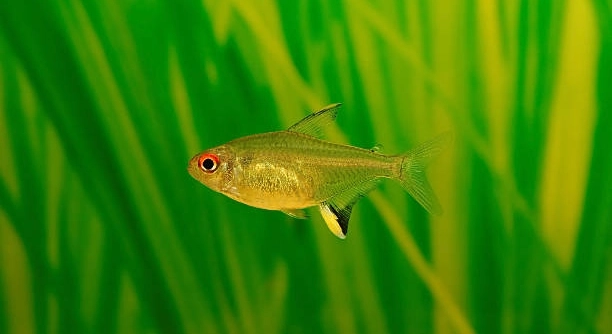
Lemon tetras are small, colorful fish that brighten any aquarium. However, they are not always peaceful, and certain behaviors can trigger unexpected fights among them, affecting the harmony of your tank. Observing them closely helps prevent aggression.
Fights among lemon tetras are commonly triggered by overcrowding, lack of hiding spaces, insufficient food, territorial disputes, sudden changes in water conditions, introduction of new fish, and stress from bright lighting or constant disturbances in their environment.
Knowing these triggers can help you create a calmer aquarium and keep your lemon tetras healthy and social in their habitat.
Overcrowding in the Tank
When lemon tetras are kept in a tank that is too small for their number, stress levels rise quickly. Crowded conditions make it difficult for each fish to establish personal space, which increases the likelihood of chasing, nipping, and fights. A crowded tank also reduces water quality more rapidly because of the higher waste production, which can further irritate the fish and trigger aggressive behaviors. Observing how your tetras interact is important. If they are constantly darting or bumping into each other, it is a sign they may need more space. Adding hiding spots and plants can reduce tension, but adjusting the number of fish is often the most effective solution. Healthy lemon tetras need room to swim freely and establish small territories within the tank. Maintaining proper density ensures calmer behavior and a more visually pleasing aquarium.
Maintaining a proper number of fish per gallon greatly reduces stress-induced fights and helps them thrive.
Even if your tank seems large, it is easy to overestimate the space available. Providing extra plants, driftwood, or caves can break up lines of sight and give fish a sense of security. This allows timid individuals to retreat and avoids constant confrontations. Monitoring water quality frequently and performing regular changes also helps reduce stress, as poor water conditions can intensify aggression.
Territorial Disputes
Lemon tetras often establish small territories within the aquarium, especially near hiding spots or food sources.
When two or more fish claim overlapping spaces, fights can break out. Observing which areas are most contested allows you to rearrange decorations or introduce more hiding spaces to reduce tension. Consistently monitoring fish interactions can prevent escalation and maintain harmony.
Insufficient Hiding Spots
Without enough plants, rocks, or decorations, lemon tetras feel exposed and stressed. This lack of cover increases aggression, as fish cannot retreat from more dominant individuals. Adding hiding spaces creates a safer environment and lowers the chances of fights, helping maintain peace in the tank.
Providing a variety of hiding spots is essential for a balanced tank. Lemon tetras are small and quick, but even their size does not protect them from constant chasing. Dense plants, driftwood, and small caves allow shy fish to rest without being harassed. These retreats reduce stress and make dominant fish less likely to patrol aggressively. Even simple arrangements of rocks and plants can provide multiple territories, breaking visual lines and minimizing direct confrontations. Over time, fish will learn to share space more peacefully if they feel secure, and overall tank harmony improves noticeably with minimal effort.
Hiding spots also encourage natural behavior, like exploring and darting between cover. By giving fish choices of where to go, you reduce constant aggression. Multiple retreats allow each fish to find comfort zones, preventing stress-related illness and maintaining social balance in your aquarium.
Sudden Changes in Water Conditions
Rapid changes in temperature or pH can cause stress and trigger fights among lemon tetras. Stable conditions are critical to their health and social behavior. Monitoring water closely and adjusting gradually reduces aggression and prevents illness.
Even small fluctuations in water chemistry can lead to tension in the tank. Lemon tetras are sensitive, and sudden drops in temperature or shifts in pH can make them irritable and defensive. Fish may chase, nip, or display aggressive posturing when stressed by these changes. Consistent testing and careful adjustments keep the environment stable. Using a heater with a thermostat, a reliable water conditioner, and regular water tests prevents abrupt shifts that trigger conflicts. Over time, maintaining steady water conditions helps fish feel secure, reduces aggression, and supports overall health. Stability in the tank allows them to focus on swimming and feeding rather than fighting.
Water clarity and cleanliness also play a role in preventing aggression. Excess debris or ammonia spikes add to stress, causing lemon tetras to act defensively. Performing partial water changes regularly and keeping filters well-maintained ensures their habitat remains stable and comfortable. A calm environment fosters better social interactions and healthier, more active fish.
Introduction of New Fish
Adding new lemon tetras or other species can disturb the tank’s social balance. Established fish may feel threatened and display aggression to protect their space, leading to fights. Gradual introductions and observation can reduce tension and help everyone adjust safely.
Quarantining new fish before adding them to the main tank prevents disease spread and allows you to monitor behavior. Introducing newcomers slowly, ideally using a divider or placing them in a separate container for a few days, helps the original fish get used to their presence. Over time, gentle integration reduces aggressive encounters and allows fish to coexist peacefully.
Food Competition
Feeding too little or unevenly distributed food causes lemon tetras to fight over resources. Ensuring all fish can access food reduces stress and keeps aggression levels low.
Bright Lighting
Excessively bright or constant lighting increases stress in lemon tetras. Dimmed lights or natural day-night cycles help reduce tension and prevent aggressive behavior.
FAQ
How can I tell if my lemon tetras are fighting?
Signs of fighting include chasing, nipping fins, and rapid darting between hiding spots. You may notice torn fins, small injuries, or stressed behavior like hiding constantly. Observing your fish regularly helps identify these issues early, allowing you to intervene before aggression escalates.
What is the best tank size to prevent fights?
A minimum of 20 gallons is recommended for a small school of lemon tetras. Providing additional space per fish helps reduce stress and prevents overcrowding, which is one of the main triggers of aggressive behavior. More space also allows for swimming and territory establishment.
How many lemon tetras should be kept together?
Keeping at least six lemon tetras together is ideal. A small school helps diffuse aggression among individuals and maintains social balance. Too few fish may make dominant ones more aggressive, while a larger school spreads out attention and tension.
Can adding plants reduce aggression?
Yes, live or artificial plants create hiding spots and break lines of sight, reducing stress and territorial disputes. Dense plant clusters allow timid fish to escape from dominant ones and provide a natural environment that encourages calmer behavior.
How do I introduce new fish without causing fights?
Quarantine new fish first to monitor health and behavior. Introduce them slowly using a divider or acclimation container so existing fish can see but not touch them. Gradual integration reduces stress and prevents immediate aggressive encounters.
Does water quality affect aggression?
Absolutely. Poor water quality increases stress, which can trigger fighting. Regular water changes, proper filtration, and monitoring of pH, temperature, and ammonia levels are crucial. Stable conditions support calmer, healthier fish and prevent conflicts caused by environmental stress.
Can feeding habits cause fights?
Yes. Uneven feeding or not providing enough food can lead to competition and fin nipping. Spread food across different areas, feed small portions multiple times, and ensure all fish get access. This minimizes aggression and keeps everyone nourished.
What role does lighting play in aggression?
Excessively bright or constant lighting stresses lemon tetras, making them more likely to fight. Using moderate lighting and simulating a natural day-night cycle creates a comfortable environment and reduces tension among fish.
Are some tetras more aggressive than others?
Individual personalities vary, but lemon tetras are generally peaceful. Aggression usually arises from environmental stress, overcrowding, or competition, rather than inherent temperament. Identifying and adjusting tank conditions often resolves most conflicts.
How can I manage aggressive fish in the tank?
Separating aggressive fish temporarily, adding extra hiding spaces, or rearranging tank decorations can help. In extreme cases, moving overly dominant fish to another tank ensures the safety and well-being of the remaining group.
Can rearranging the tank reduce fights?
Yes. Changing decorations or adding barriers disrupts established territories, reducing territorial disputes. Fish often redirect their attention to exploring new structures instead of attacking one another, which helps restore balance and calm within the tank.
How long does it take for fights to calm down after changes?
It depends on the trigger and adjustment. Minor changes, like adding plants or redistributing food, can reduce aggression within a few days. Larger interventions, such as adjusting tank size or introducing new fish, may take weeks for social hierarchies to stabilize.
Is it normal for lemon tetras to show occasional aggression?
Some minor chasing or nipping is normal as fish establish social hierarchies. Problems arise when aggression is constant or leads to injury. Observing patterns helps distinguish normal behavior from serious conflicts.
Can stress from humans affect fighting?
Yes. Frequent tapping on the glass, sudden movements, or loud noises can stress fish, increasing aggression. Minimizing disturbances and creating a calm environment helps maintain peaceful behavior.
What are long-term strategies to prevent fights?
Maintain proper tank size, consistent water conditions, enough hiding spots, balanced feeding, and careful introduction of new fish. Regular observation and adjustments keep lemon tetras healthy, calm, and social over time, reducing repeated conflicts.
Lemon tetras are generally peaceful fish, but they are sensitive to changes in their environment. Their small size and bright colors make them a beautiful addition to any aquarium, yet their social behavior can be easily disrupted. Understanding what triggers fights in lemon tetras is essential for maintaining a calm tank. Overcrowding, lack of hiding spots, sudden changes in water conditions, food competition, and bright lighting are some of the main causes of aggression. By recognizing these factors, you can take steps to create a more stable and comfortable environment for your fish. Observing your tetras daily allows you to notice early signs of stress or conflict, helping you address issues before they escalate. Even small adjustments, such as adding plants or rearranging decorations, can make a significant difference in reducing aggression and keeping the group balanced.
Creating the right tank environment involves more than just meeting basic needs like water and food. Lemon tetras thrive in a space that allows them to swim freely, establish small territories, and retreat when needed. Providing adequate hiding spots is particularly important, as it gives timid fish a place to rest and avoid constant chasing. Consistent water conditions, including temperature, pH, and cleanliness, are equally important. Fluctuations in these factors can stress fish and increase aggression. Feeding practices also play a role in maintaining peace. Distributing food evenly and offering small amounts multiple times a day prevents competition that could trigger fights. Integrating new fish carefully and gradually ensures the existing group remains stable while giving newcomers a chance to adjust. These practices, when combined, create an environment where lemon tetras can coexist harmoniously and display their natural, calm behaviors.
Long-term success with lemon tetras depends on regular observation, adjustments, and proactive management. Maintaining a proper number of fish relative to tank size, creating multiple hiding spots, monitoring water quality, and managing lighting all contribute to a healthier and more peaceful community. Even when minor conflicts occur, understanding the causes helps you respond effectively without unnecessary stress to the fish. A stable and thoughtfully arranged aquarium supports not only the social balance of the tetras but also their overall health and activity levels. By paying attention to their needs and behavior, you can enjoy a vibrant, active, and harmonious school of lemon tetras in your tank.

Hello,
If you enjoy the content that we create, please consider saying a "Thank You!" by leaving a tip.
Every little bit helps us continue crafting quality advice that supports the health, happiness, and well-being of pets around the world, for pets of all shapes, sizes, and species.
We really appreciate the kindness and support that you show us!