
Do you have a y map turtle and want to learn how to identify its shell? Understanding its unique features can help you provide the best care possible. A healthy shell is essential for a happy turtle.
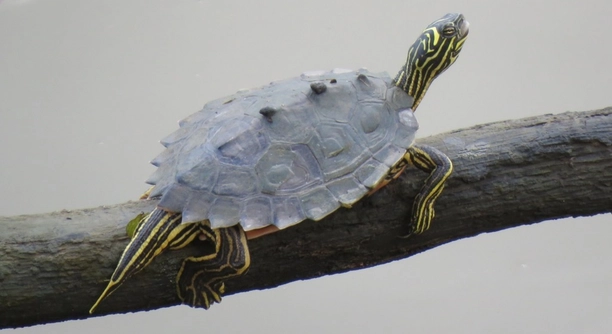
The y map turtle’s shell often displays distinct markings and shapes, such as a yellowish or greenish pattern with a noticeable Y-shaped mark on the top. These characteristics are unique and important for identifying this species.
Caring for your y map turtle’s shell is crucial for its overall health. Learning the signs and tips for proper maintenance will ensure your pet thrives in its environment.
Recognizing the Y Map Turtle Shell: Key Features
The y map turtle’s shell is unique and easy to identify once you know what to look for. Typically, their shells are a mix of dark green and yellow, with a Y-shaped marking that runs from the back of the shell towards the head. This Y-shaped mark is one of the most distinguishing features. The overall appearance of the shell is quite smooth, with some turtles having small, raised bumps along the edges. These bumps may differ in size from one turtle to another but are still characteristic of the species. The colors can vary slightly depending on their age, with younger turtles often having brighter yellow markings. Their shells can also be quite dome-shaped, which helps protect the turtle from predators. The Y-shaped pattern is a clear sign of a y map turtle, but it’s important to note that each turtle has its own unique shell patterns. This allows you to get a better idea of its health.
It’s important to note that the overall health of a turtle can be assessed by the appearance of its shell. Healthy shells are clean, smooth, and without any cracks or deformities.
Regularly checking your turtle’s shell for any signs of damage or disease will help prevent serious issues. Keeping its habitat clean and providing the right diet also plays a significant role in maintaining the shell’s health. This is vital to ensuring your turtle’s well-being in the long term.
How the Environment Affects Your Turtle’s Shell
A y map turtle’s shell is highly influenced by its living environment. The cleanliness of the water and the amount of sunlight it receives can both play a role in the condition of the shell. For example, stagnant water can lead to shell rot, which is a condition where the shell begins to break down or soften. The water in your turtle’s habitat should be changed regularly to ensure it’s free from harmful bacteria and algae. Turtles also require access to areas with both water and dry land, where they can bask in the sun. This helps them absorb necessary UV rays that promote shell health. Without adequate sunlight, turtles can develop metabolic bone disease, which weakens their shell and bones. Additionally, a proper diet is essential. Offering a balanced mix of vegetables, proteins, and supplements like calcium can improve shell strength. The shell will not only look better but also be more resistant to damage.
The right temperature is also vital. If the water is too cold, it could cause your turtle to become sluggish, while overly warm water could lead to overheating. Balancing the temperature ensures your turtle stays active, which supports overall health, including shell maintenance.
Importance of Regular Shell Maintenance
Regular cleaning is essential for maintaining the health of a y map turtle’s shell. A clean shell reduces the risk of infections and shell rot. It also helps monitor any changes in the shell’s condition. This can be especially important for catching any early signs of illness.
You should gently scrub your turtle’s shell with a soft brush once a week. This helps remove any algae or dirt buildup. Be careful not to use harsh chemicals, as they can harm the turtle’s skin or shell. A clean, well-maintained shell helps prevent the growth of harmful bacteria. You can also check for any soft spots or discoloration while cleaning. Any unusual changes in the shell should be addressed quickly to prevent more serious issues from developing.
You can also consider adding a small amount of aquarium-safe cleaner to the water for extra sanitation. It’s important to make sure that the turtle’s living environment stays free from harmful microorganisms. Keeping the habitat clean also ensures your turtle has the healthiest environment possible, making it less likely to experience shell problems. Be consistent with this cleaning routine for the best results.
Shell Damage and How to Handle It
Shell damage can occur due to various reasons, such as accidents or improper habitat conditions. If your y map turtle’s shell becomes cracked, chipped, or shows signs of injury, it’s important to address the issue immediately. Small cracks may heal on their own, but larger or deeper damage may require professional care.
If you notice a crack, it’s important to keep the area clean and dry. Avoid exposing the injury to bacteria by changing the water frequently and removing any debris. If the damage appears severe, it’s best to consult a veterinarian who specializes in reptiles. They may use special treatments to promote healing or recommend steps to prevent infection. Never try to fix the shell damage yourself with adhesives or home remedies, as this could make the injury worse.
In addition to physical injuries, environmental factors such as poor diet and lack of UV exposure can weaken the shell. If your turtle’s shell is brittle, it can break more easily. Make sure your turtle gets enough calcium and UVB light to maintain strong shell health.
Identifying Shell Rot in Y Map Turtles
Shell rot is a common issue in turtles, and it can cause serious damage if not treated promptly. It is usually characterized by soft, discolored areas on the shell. This condition can occur due to poor water quality, infections, or injury.
The affected area may become soft, yellow, or even have a foul odor. If you notice these signs, it’s crucial to remove your turtle from its tank and clean the shell carefully. In severe cases, shell rot can lead to permanent damage. Be sure to consult a vet for treatment.
To prevent shell rot, maintain clean water and provide proper lighting. Keep an eye out for any changes in the shell’s appearance to catch problems early. Regularly cleaning the turtle’s shell can also help reduce the risk of infection.
How Diet Affects Shell Health
A proper diet plays a crucial role in maintaining a y map turtle’s shell. Turtles need a balanced mix of vitamins, minerals, and nutrients to keep their shells strong and healthy. Foods rich in calcium, such as leafy greens and certain aquatic plants, are especially important.
Incorporating a variety of foods, including proteins and vegetables, will support overall shell health. Calcium supplements may also be needed, especially if your turtle’s shell looks soft or weak. Feeding your turtle a proper diet ensures that it remains healthy and its shell stays intact.
FAQ
What is the best way to clean a y map turtle’s shell?
To clean your y map turtle’s shell, use a soft brush or toothbrush with lukewarm water. Gently scrub the surface to remove algae, dirt, or debris. Make sure to avoid using any harsh chemicals, as they can harm your turtle. Clean the shell once a week or more if needed. If you notice any buildup that won’t come off easily, soak the shell in water for a few minutes before cleaning. After cleaning, dry the shell gently with a soft towel to prevent any remaining moisture from causing problems.
How often should I check my turtle’s shell for damage?
It’s a good idea to check your turtle’s shell regularly, at least once a week, for any signs of damage or changes. Look for cracks, soft spots, or discoloration. If you spot any unusual marks or damage, address it immediately to avoid further complications. This regular check will help you catch any potential issues early. Regular checks also give you the chance to assess the overall health of the shell, including ensuring that it’s not becoming too soft or brittle.
How can I prevent shell rot in my y map turtle?
Shell rot can be prevented by maintaining a clean and well-balanced environment. Make sure your turtle’s habitat has clean water that’s changed regularly. Filtration is important to keep the water free of harmful bacteria. Additionally, ensure that your turtle gets enough UVB light to support healthy shell growth and prevent metabolic bone disease, which can weaken the shell. Avoid overfeeding and maintain a balanced diet that includes calcium to strengthen the shell. Keeping an eye on your turtle’s shell condition will also help catch early signs of shell rot before it gets worse.
What should I do if my turtle’s shell is cracking?
If your turtle’s shell is cracking, it’s important to address the issue immediately. Small cracks may heal naturally, but larger cracks could be a sign of an underlying problem. Keep the affected area clean and dry to prevent infection. Remove your turtle from the tank if necessary to avoid further damage. Consult a veterinarian who specializes in reptiles if the crack seems severe or if you’re unsure how to proceed. Avoid applying any DIY treatments to the crack, as these may worsen the condition.
Can a y map turtle’s shell regenerate?
Turtle shells do not regenerate like human skin. If there is significant damage or injury to the shell, it may not fully heal. Minor damage, like small cracks or scratches, can often heal over time with proper care, but the turtle will always carry the marks. Severe injuries may require veterinary care, and in some cases, they may result in permanent shell deformities. To ensure your turtle’s shell stays healthy, avoid situations where the shell could be injured, and provide optimal care to support healing.
How can I ensure my turtle’s shell is healthy?
To keep your turtle’s shell healthy, focus on a proper diet, a clean environment, and adequate UVB lighting. Provide calcium supplements if necessary, and make sure your turtle gets enough sunlight or UVB rays to promote strong shell development. Regular cleaning and water changes are essential to prevent infections, and you should monitor the shell for any signs of wear or damage. Providing a varied diet with both plants and proteins will also help in maintaining the overall health of the turtle. Regular vet checkups can help you spot any issues early.
Why is my y map turtle’s shell turning soft?
If your turtle’s shell is turning soft, it’s likely due to a calcium deficiency or lack of UVB light. Calcium is essential for strong shell development, and a deficiency can lead to a weak, soft shell. Ensure your turtle’s diet includes calcium-rich foods like leafy greens, and consider adding a calcium supplement if necessary. Also, make sure your turtle has access to UVB lighting, as it helps in calcium absorption. If you notice that the shell is soft and your turtle is not improving, seek advice from a veterinarian.
How can I help my turtle recover from shell rot?
To help your turtle recover from shell rot, isolate it in a clean, dry area away from any contaminated water. Gently clean the affected area using water and a soft brush to remove debris. You may need to apply a topical antibiotic ointment, but only under the guidance of a veterinarian. It’s also important to keep the water clean and change it regularly to avoid further infection. A balanced diet with adequate calcium and UVB light is essential for promoting healing. If the rot is severe, consult a vet for further treatment.
Can environmental changes affect my turtle’s shell?
Yes, environmental changes can have a big impact on your turtle’s shell. For example, poor water quality, inadequate filtration, or a lack of UVB lighting can weaken the shell or cause infections like shell rot. Make sure the tank is large enough for your turtle to move around, with clean, well-filtered water. A basking spot with access to UVB light is essential for shell health and bone development. Temperature changes or a lack of space can also lead to stress, which may affect the turtle’s health, including its shell.
What is the best substrate for a y map turtle’s tank?
The best substrate for a y map turtle’s tank is one that is easy to clean and won’t harm the turtle. You can use smooth river rocks, aquatic gravel, or sand. Avoid using rough substrates that could scratch the turtle’s shell. Substrates like fine gravel or sand can be ingested by your turtle if they are not careful, so always monitor the turtle to ensure it isn’t eating it. Regular tank cleaning is important, regardless of the substrate you choose, to maintain a healthy environment for your turtle.
Final Thoughts
Caring for a y map turtle’s shell requires attention to detail and consistency. The shell is a key part of the turtle’s overall health, and keeping it in good condition helps ensure the turtle remains happy and active. Regularly cleaning the shell and monitoring for any signs of damage or disease will help prevent serious issues. It’s important to maintain a clean living environment with proper water filtration and access to UVB light, as both are crucial for shell health. A well-maintained tank provides your turtle with the best chance at a long and healthy life.
Diet is another important factor in maintaining shell health. A balanced diet that includes calcium-rich foods, like leafy greens and aquatic plants, is essential for strong shell development. Without enough calcium, your turtle’s shell can become weak or soft, leading to potential health issues. In some cases, calcium supplements may be necessary. Be sure to feed your turtle a variety of foods, including protein and vegetables, to ensure it gets all the nutrients it needs to thrive. A healthy turtle is a happy turtle, and a proper diet plays a big part in that.
While a y map turtle’s shell is strong, it’s still important to protect it from potential damage. Accidents or injuries can cause cracks or other issues, so careful handling and a safe environment are essential. If you notice any signs of shell rot, cracks, or other unusual changes, it’s important to address them quickly. Consulting with a veterinarian who specializes in reptiles is the best course of action for more serious concerns. By following these basic care tips and being proactive, you can help your y map turtle live a healthy life with a strong, vibrant shell.

Hello,
If you enjoy the content that we create, please consider saying a "Thank You!" by leaving a tip.
Every little bit helps us continue crafting quality advice that supports the health, happiness, and well-being of pets around the world, for pets of all shapes, sizes, and species.
We really appreciate the kindness and support that you show us!