
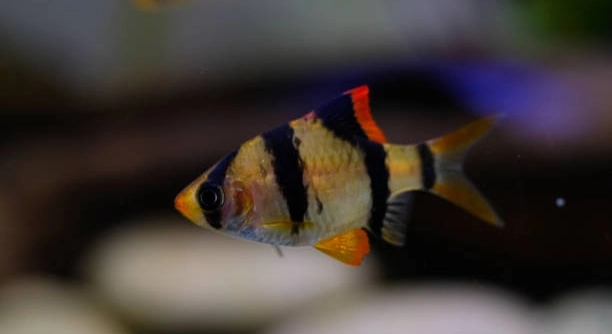
Tiger barbs are lively fish known for their vibrant colors and active behavior. They often react quickly to changes in their environment. Understanding what startles them helps create a calm and healthy aquarium.
Tiger barbs are easily startled by sudden movements, loud noises, bright lights, unfamiliar objects, changes in water quality, overcrowding, and aggressive tank mates. These factors trigger stress responses that affect their wellbeing and behavior.
Recognizing these triggers is essential for maintaining a peaceful tank. Knowing what unsettles tiger barbs will help you provide a more comfortable home for them.
Sudden Movements and Loud Noises
Sudden movements near the aquarium can cause tiger barbs to become startled quickly. These fish have sharp reflexes and a natural instinct to flee from perceived threats. Even a quick hand movement or a sudden shadow can send them darting around the tank. Loud noises, such as banging on the glass or loud conversations nearby, also disturb their environment. The vibrations created by these sounds travel through the water, increasing their stress levels. Consistent exposure to sudden movements or loud noises can affect their health over time. Creating a calm area around the tank and minimizing quick gestures will help tiger barbs feel more secure. This approach reduces unnecessary stress and allows the fish to exhibit more natural behavior. Observing them in a quiet setting reveals their true colors and peaceful swimming patterns, making the aquarium more enjoyable for both the fish and the observer.
Sudden movements and loud noises disrupt tiger barbs’ comfort and increase their stress, which can lead to health problems if not controlled.
Managing the area around your aquarium to limit sudden disturbances is essential. A quiet, stable environment encourages calm behavior. Consider placing the tank away from high-traffic zones and using soft lighting. Monitoring your actions when near the tank helps prevent unnecessary fright. Over time, the fish will become accustomed to a predictable, gentle environment, promoting their wellbeing. Regular observation during calm periods also helps identify any other stress factors that may be affecting your tiger barbs. Keeping this in mind enhances the overall care routine.
Bright Lights and Unfamiliar Objects
Bright lighting can overwhelm tiger barbs, making them feel exposed and vulnerable. These fish prefer moderate lighting levels that mimic their natural habitat. Excessively bright or flickering lights can startle them and cause erratic swimming behavior. Similarly, introducing new or unfamiliar objects into the tank, such as decorations or plants, may trigger a fear response. The sudden change in their surroundings creates uncertainty. To ease this transition, it is important to introduce new items gradually. Monitoring the fish’s reaction allows adjustments to be made if they show signs of stress. Providing hiding spots with plants or caves gives them a place to retreat. These steps help maintain a stable environment, reducing anxiety and encouraging healthy activity.
Controlling light intensity and slowly adding new decorations helps tiger barbs adjust without stress.
Tiger barbs thrive in an environment where changes happen slowly and predictably. Balancing light levels to avoid brightness while ensuring adequate visibility supports their natural behavior. Introducing objects slowly allows the fish to explore without feeling threatened. Offering places to hide reduces their need to constantly flee. This approach benefits both their mental state and physical health. Careful consideration of the tank’s layout and lighting supports a more relaxed and active aquarium. These small adjustments contribute greatly to the happiness of your tiger barbs.
Changes in Water Quality
Sudden changes in water quality, like temperature or pH shifts, easily startle tiger barbs. These fish need stable conditions to remain calm and healthy.
Maintaining steady water parameters is crucial for tiger barbs. Rapid changes in temperature can shock their system, causing erratic swimming or hiding. Fluctuations in pH or ammonia levels create stress that weakens their immune system. Regular water testing helps catch problems early. Performing consistent water changes prevents sudden shifts and keeps the tank environment balanced. Proper filtration supports water clarity and chemical stability. By managing these factors, the fish stay comfortable and display natural behavior. Stability in the aquarium reduces stress-related illnesses and promotes longer lifespan.
Avoiding sudden water changes protects tiger barbs from stress. Gradual adjustments are better when changes are necessary. When adding new water, matching its temperature and pH to the tank minimizes shock. Keeping a stable routine also helps fish feel safe. Consistency in water quality supports their overall wellbeing and reduces aggressive or shy behavior often caused by poor conditions.
Overcrowding and Aggressive Tank Mates
Too many fish in a tank cause overcrowding, making tiger barbs feel threatened. They need enough space to swim freely without stress.
Overcrowding raises competition for food and territory, which unsettles tiger barbs. When space is limited, aggressive interactions increase, leading to injury or stress. This is especially true if the tank includes other aggressive species. Tiger barbs themselves can be semi-aggressive, so adding aggressive or overly dominant fish worsens the situation. Careful planning of tank population and compatibility reduces tension. Providing hiding spots and swimming space balances social dynamics. Monitoring fish behavior regularly helps identify signs of stress caused by overcrowding or aggression.
Choosing compatible tank mates and keeping the population balanced is key to a peaceful aquarium. Avoid mixing overly aggressive species with tiger barbs. Ensuring adequate tank size and proper habitat setup promotes natural behavior. When aggression occurs, separating fish or adding plants and decorations can reduce stress. Taking these steps improves the overall health and happiness of all tank inhabitants.
Sudden Shadow Movements
Shadows passing quickly over the tank can startle tiger barbs. They may interpret shadows as threats and react by swimming erratically or hiding.
Minimizing sudden changes in lighting or movement near the tank reduces this stress. Keeping the room lighting steady helps maintain a calm environment for the fish.
Unstable Tank Environment
Frequent changes in the tank setup, such as rearranging decorations or plants, unsettle tiger barbs. They rely on a familiar environment for comfort and security.
Maintaining a stable layout with minimal changes supports their wellbeing. If changes are necessary, make them slowly and observe how the fish react to avoid unnecessary stress.
Temperature Fluctuations
Tiger barbs are sensitive to rapid temperature changes. Even a few degrees’ shift can cause distress and erratic behavior.
Maintaining a consistent water temperature within the recommended range is vital for their health.
Reflections and Glare
Reflections on the aquarium glass can confuse tiger barbs, causing stress and erratic swimming. Reducing glare by adjusting lighting or repositioning the tank helps prevent this issue.
How can I reduce stress for my tiger barbs?
Creating a calm environment is key to reducing stress. Avoid sudden movements and loud noises near the tank. Keep lighting at moderate levels and introduce new objects slowly. Regularly test and maintain stable water quality, including temperature and pH. Provide enough space to prevent overcrowding and include hiding places like plants or caves. Choose compatible tank mates and avoid aggressive species. Keeping a steady routine in feeding and cleaning also helps the fish feel secure. Observing their behavior will guide adjustments to their environment for better comfort.
What are the signs that my tiger barbs are startled or stressed?
Startled tiger barbs often swim erratically, darting quickly across the tank or hiding more than usual. They may lose their vibrant colors or stop eating. Aggressive or shy behavior can increase when stressed. Sometimes, they may even damage their fins by rubbing against decorations. Stress can also weaken their immune system, making them more vulnerable to disease. Monitoring these signs early allows prompt changes to their environment, helping restore their calm and health before problems worsen.
Why do sudden movements near the aquarium frighten tiger barbs?
Tiger barbs have a strong flight instinct, which makes them react quickly to sudden movements as if escaping predators. Their natural habitat includes many threats, so quick reactions are a survival trait. Fast hand movements or shadows passing nearby trigger this response. Minimizing abrupt actions around the tank reduces their stress and prevents constant startle responses, helping the fish relax and behave more naturally.
Can bright lights harm tiger barbs?
Bright or flickering lights can overwhelm tiger barbs, causing stress and erratic swimming. They prefer moderate, stable lighting that mimics their natural environment. Excessive brightness may make them feel exposed and vulnerable. Using adjustable lights or dimmers can help maintain comfortable lighting levels. Including shaded areas or plants gives the fish places to retreat from intense light, promoting a calmer atmosphere in the tank.
How often should I test my aquarium water to prevent startling my tiger barbs?
Regular water testing is important to maintain stable water conditions. Testing weekly for temperature, pH, ammonia, nitrites, and nitrates is recommended. Sudden shifts in these parameters can stress or startle tiger barbs. Consistent water changes and proper filtration help keep these levels balanced. Monitoring water quality closely prevents unexpected changes that disturb the fish and supports their long-term health.
What tank size is best to prevent overcrowding stress for tiger barbs?
A minimum of 20 gallons is recommended for a small group of tiger barbs to provide enough swimming space and reduce stress. Overcrowding increases competition for food and territory, leading to aggressive behavior and fear. Larger tanks allow for better social dynamics and proper hiding spots. Balancing the number of fish with tank size helps keep the environment peaceful and comfortable for everyone.
Are there specific tank mates that can cause stress to tiger barbs?
Tiger barbs can be semi-aggressive, so keeping them with overly aggressive or territorial fish may increase stress for all. Avoid combining them with fin-nipping or very dominant species. Peaceful community fish that tolerate tiger barbs’ behavior work better. Researching compatibility and observing fish interactions carefully ensures a stable social environment, reducing fear and conflict in the tank.
How can I introduce new decorations without startling my tiger barbs?
Introduce new objects slowly to allow tiger barbs to adjust. Place the new decoration in the tank and watch their reaction carefully. If signs of stress appear, remove or reposition the item. Adding new plants or hiding spots one at a time helps fish become familiar without sudden changes. This gradual approach keeps the environment stable and comfortable.
What should I do if my tiger barbs keep darting or hiding?
If darting or hiding happens frequently, evaluate recent changes in the tank environment. Check for sudden water quality shifts, lighting changes, or disturbances near the tank. Assess if overcrowding or aggressive tank mates could be causing stress. Improving stability by controlling these factors often reduces anxious behavior. Providing hiding places and avoiding sudden movements near the tank further supports their sense of safety.
Can reflections on the aquarium glass affect tiger barbs?
Yes, reflections and glare can confuse tiger barbs, making them think there are other fish or threats outside the tank. This causes stress and erratic swimming. Adjusting room lighting, using a background, or repositioning the tank reduces reflections. These steps create a clearer environment, helping tiger barbs stay calm and focused on their real surroundings.
Final thoughts are important when caring for tiger barbs because understanding what startles them helps create a better environment. Tiger barbs are active fish that react quickly to their surroundings. Sudden movements, loud noises, bright lights, and changes in water quality can all cause stress. Stress affects their health and behavior, making them less lively and more prone to illness. Taking the time to learn about these triggers and adjusting the aquarium accordingly leads to a calmer, healthier tank.
Maintaining a stable environment is key to reducing stress for tiger barbs. Consistency in water temperature, pH levels, and cleanliness helps the fish feel safe. Overcrowding and aggressive tank mates increase anxiety, so careful planning of fish numbers and species is necessary. Providing hiding spots and avoiding sudden changes in the tank’s layout also improve their comfort. Even small changes in daily care routines, like moving slowly near the tank and controlling lighting, make a big difference in how the fish respond.
Ultimately, caring for tiger barbs means paying attention to their reactions and needs. Being patient and observing their behavior helps identify what might startle or stress them. With proper care, these fish can live longer, display vibrant colors, and swim actively. A well-maintained tank not only benefits the tiger barbs but also creates a peaceful and enjoyable space for anyone who watches them. Consistent care and understanding go a long way in ensuring the health and happiness of these lively fish.

Hello,
If you enjoy the content that we create, please consider saying a "Thank You!" by leaving a tip.
Every little bit helps us continue crafting quality advice that supports the health, happiness, and well-being of pets around the world, for pets of all shapes, sizes, and species.
We really appreciate the kindness and support that you show us!