
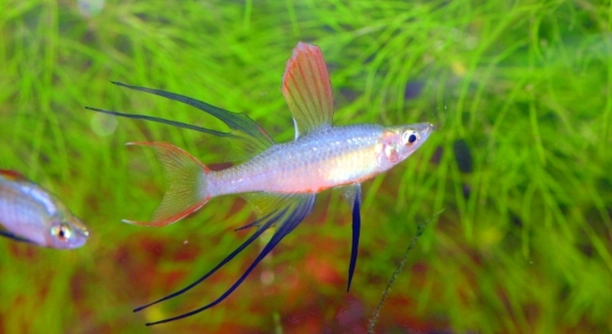
Have you ever wanted to raise colorful fish but felt unsure where to start? Threadfin Rainbowfish are small, peaceful, and striking, making them a popular choice for beginner aquarists looking to expand their aquatic hobby.
Breeding Threadfin Rainbowfish requires a well-maintained tank with clean water, proper temperature, and appropriate vegetation. Providing a varied diet and monitoring environmental conditions closely ensures successful spawning and healthy fry development in a controlled setting.
Understanding these basic steps will help you start your breeding journey with confidence and care, making the experience rewarding for both you and your fish.
Setting Up the Ideal Breeding Tank
To start breeding Threadfin Rainbowfish, the tank setup is essential. Choose a tank of at least 20 gallons to give the fish enough space to swim freely. Add fine-leaved plants or spawning mops for the fish to lay eggs safely. Maintain a stable temperature between 75–80°F, as fluctuations can stress the fish and reduce breeding success. Use a gentle filter to keep water clean without creating strong currents, which may disturb the fish. Monitor water parameters regularly, especially pH and ammonia levels, keeping pH around 6.5–7.5 and ammonia at zero. Lighting should mimic natural daylight for 10–12 hours a day. Introduce a pair or small group, ensuring they are healthy and active. Observing behavior before spawning helps identify compatible pairs. Regular water changes of 20–25% weekly keep the environment stable and safe.
Proper setup is key to encouraging natural breeding behavior and reducing stress in the fish.
Healthy vegetation and gentle water flow provide ideal conditions for egg-laying and fry development in Threadfin Rainbowfish.
Feeding and Conditioning for Breeding
Threadfin Rainbowfish need high-quality food for conditioning before breeding.
A varied diet of live, frozen, and flake foods boosts their health and fertility. Including live foods like brine shrimp or daphnia encourages spawning. Feeding small portions multiple times a day helps maintain energy without polluting the tank. Observe fish to ensure all get enough food. Avoid overfeeding, as leftover food can harm water quality. Conditioning pairs for 2–3 weeks before introducing them to the breeding tank increases the chance of successful spawning. Healthy, well-fed fish are more likely to display natural courtship behaviors.
Providing optimal nutrition directly influences egg quality and fry survival. Over time, consistent feeding and careful monitoring result in stronger, more active offspring. By paying attention to the fish’s behavior and appetite, you can adjust the diet to their needs. A mix of protein-rich live foods and balanced flakes supports growth and vitality, ensuring the fish are ready to reproduce. Regular feeding routines also reduce stress and improve overall tank health. Observing which foods they prefer helps maintain interest and encourages active spawning. In the breeding tank, conditioned fish are more confident, swim actively, and engage in natural courtship displays. This preparation is essential for successful breeding and healthy fry growth, creating a stable environment for the next generation of Threadfin Rainbowfish.
Spawning and Egg Care
Spawning usually occurs early in the morning. Females scatter eggs among plants or spawning mops. Remove adults afterward to prevent egg predation. Eggs hatch in 7–10 days depending on temperature, and constant monitoring of water quality is essential during this period to ensure healthy development.
After eggs are laid, it’s important to maintain stable conditions. Keep the temperature steady between 75–80°F and avoid sudden changes in lighting or water flow. Gentle filtration helps maintain cleanliness without disturbing eggs. Using a separate breeding tank reduces stress and increases survival rates. Avoid touching or moving eggs unnecessarily, as they are delicate and can be damaged easily.
Once hatched, fry feed on microscopic foods initially. Infusoria, newly hatched brine shrimp, or liquid fry foods provide essential nutrients. Gradually increase food size as fry grow. Frequent small feedings support steady growth. Monitoring growth rates and removing uneaten food helps maintain water quality and prevents disease outbreaks.
Fry Care and Growth
Separate fry from adults as soon as possible to prevent predation and stress.
Provide gentle water flow and plenty of hiding spots using fine-leaved plants or artificial shelters. Maintain water temperature around 78°F to encourage healthy growth. Regular small feedings of high-protein live or powdered foods support development. Observe fry daily for activity levels and signs of illness.
As fry grow, gradually introduce larger foods and reduce the frequency of feedings while maintaining nutrition. Regular water changes of 10–15% every few days help maintain water quality without shocking the fry. Monitoring growth ensures proper size distribution, preventing competition for food. Maintaining stable lighting and temperature reduces stress and supports immune health. Overcrowding should be avoided by transferring some fry to separate tanks if needed. By observing behavior and adjusting care, fry reach juvenile stage more quickly, preparing them for eventual integration into community tanks or future breeding setups.
Tank Maintenance During Breeding
Regular water changes are essential to keep the breeding tank clean. Removing 20% of the water weekly helps prevent harmful chemical buildup. Monitor ammonia, nitrite, and nitrate levels closely to maintain a safe environment for both eggs and fry.
Filters should be cleaned gently without disturbing eggs or fry. Use sponge filters or pre-filtered pumps to avoid suction hazards. Avoid harsh chemicals and strong currents that could stress the fish. Maintaining a stable temperature and proper oxygenation ensures healthy development.
Identifying Healthy Fry
Healthy fry are active and swim near the middle of the tank. Their color is slightly translucent, and they respond quickly to food. Weak or lethargic fry should be monitored carefully.
Observing growth patterns helps detect potential health issues early. Regular checks allow for prompt adjustments in feeding or tank conditions, ensuring higher survival rates and stronger fry.
Common Breeding Challenges
Some pairs may refuse to spawn due to stress, poor diet, or unsuitable tank conditions. Addressing these factors increases breeding success.
Adjusting water parameters, improving diet, and minimizing disturbances often encourages spawning behavior in hesitant pairs.
FAQ
How long does it take for Threadfin Rainbowfish eggs to hatch?
Threadfin Rainbowfish eggs usually hatch in 7–10 days, depending on water temperature and conditions. Maintaining a stable temperature around 78°F helps ensure consistent development. Avoid disturbing the eggs, as handling them can damage or delay hatching. Proper water quality also contributes to a higher survival rate for the fry.
What should I feed the fry after they hatch?
Newly hatched fry feed on microscopic foods such as infusoria or liquid fry food. After a few days, you can introduce newly hatched brine shrimp and finely crushed flakes. Frequent small feedings, about 3–4 times a day, support steady growth without polluting the water. Gradually increasing food size helps the fry transition to juvenile diets.
How can I encourage my fish to spawn?
Healthy adults, proper diet, and ideal tank conditions are crucial. Provide fine-leaved plants or spawning mops, maintain stable water temperature between 75–80°F, and ensure gentle filtration. Conditioning the fish with live and high-protein foods for 2–3 weeks often triggers courtship behavior. Minimizing stress and disturbances also improves the likelihood of spawning.
Can I keep the fry with adult fish?
It’s not recommended to leave fry with adults. Adults may eat the eggs or fry. Separating them into a nursery or breeding tank increases survival rates. Provide hiding spots for fry with fine-leaved plants or artificial shelters. Monitor fry growth and water quality regularly to maintain a healthy environment.
How often should I change the water in the breeding tank?
Water changes of 10–25% weekly are ideal. Small, frequent changes prevent harmful chemical buildup while maintaining stability. Avoid large water changes that can shock eggs or fry. Using conditioned water with similar temperature and pH ensures minimal stress and helps fry grow consistently.
What is the best temperature for breeding Threadfin Rainbowfish?
A stable temperature between 75–80°F is optimal. Slight variations may slow spawning or affect egg development. Using a reliable heater and thermometer helps maintain consistent conditions. Consistent temperature promotes healthy egg growth, encourages fry hatching, and reduces stress for adult fish during breeding.
How can I tell if the eggs are fertile?
Fertile eggs are typically clear or slightly golden with a visible small embryo. Infertile eggs often turn white or opaque and may develop fungus. Removing infertile eggs promptly prevents contamination and protects healthy eggs. Observing eggs daily helps catch issues early and improves overall hatching success.
How long does it take for fry to become juveniles?
Fry usually reach juvenile stage in 4–6 weeks. During this period, growth depends on consistent feeding, stable water conditions, and minimal stress. Gradually increasing food size and maintaining proper tank conditions supports healthy development. Observing their activity and color changes indicates progress toward the juvenile stage.
Can I breed Threadfin Rainbowfish in a community tank?
It’s possible but not ideal. Other fish may eat eggs or fry, reducing survival rates. Using a separate breeding tank provides better control over conditions and increases success. Community tanks can be used after fry are large enough to avoid predation.
What are signs of stress in breeding fish?
Signs include hiding, reduced activity, loss of appetite, or aggression. Stress may result from poor water quality, sudden temperature changes, overcrowding, or inadequate diet. Addressing these issues promptly improves breeding success and promotes healthier, more active fish.
How many fry can I expect from one spawn?
A single spawn can produce 50–200 eggs depending on the female’s size and health. Not all eggs may survive to fry stage. Proper tank conditions, water quality, and nutrition influence survival rates. Separating fry and maintaining clean water helps maximize numbers.
Do I need special equipment for breeding?
Basic equipment includes a tank of at least 20 gallons, gentle filtration, heater, thermometer, and plants or spawning mops. Additional items like a breeding net or separate nursery tank make care easier. Equipment should maintain stable conditions without disturbing eggs or fry.
How can I prevent fungal infections on eggs?
Fungal infections are common in Threadfin Rainbowfish eggs. Removing infertile eggs promptly and maintaining clean water reduces the risk. Adding a small amount of antifungal treatment designed for eggs can help. Avoid overcrowding and maintain stable temperature and pH for healthier eggs.
How often should I check on the breeding tank?
Daily checks are recommended to monitor water quality, observe adult behavior, and track egg and fry development. Quick inspections help identify problems early, such as water parameter changes, fungal growth on eggs, or signs of stress in fish.
Is it difficult to breed Threadfin Rainbowfish?
With proper preparation, it is manageable. Stable tank conditions, good nutrition, and careful observation make breeding easier. While some challenges may arise, consistent care and attention to water quality, temperature, and feeding lead to successful spawning and healthy fry growth.
How long should I condition fish before breeding?
Conditioning for 2–3 weeks is usually sufficient. Feeding a varied diet of live and high-quality foods strengthens the fish and encourages natural spawning behavior. During this period, monitor health and behavior to select compatible pairs for breeding.
Can I breed Threadfin Rainbowfish multiple times a year?
Yes, if conditions are ideal. Healthy adults can spawn several times annually, provided water quality, diet, and tank conditions are consistently maintained. Allowing rest periods between spawns improves long-term health and fertility of the fish.
What size tank is needed for breeding?
A minimum of 20 gallons is recommended. Larger tanks provide more swimming space, reduce stress, and allow for better water stability. Adequate space for plants, spawning mops, and fry shelters improves survival and encourages natural behaviors.
How do I care for fry after a few weeks?
Gradually transition them to larger foods while maintaining frequent small feedings. Monitor water quality, provide hiding spots, and avoid overcrowding. Regularly check growth rates and remove sick or weak fry to protect the healthy ones. This ensures strong, active juveniles ready for community tanks.
Can breeding affect the health of adult fish?
Breeding can stress adults if conditions are poor. Providing proper nutrition, stable water parameters, and adequate space minimizes health risks. Removing adults from the breeding tank after spawning prevents aggression and allows recovery before the next breeding cycle.
What is the ideal pH for breeding Threadfin Rainbowfish?
A pH range of 6.5–7.5 is suitable. Keeping pH stable supports egg development and fry survival. Sudden shifts in pH can stress fish, reduce fertility, and increase susceptibility to disease. Regular testing ensures the tank remains within the optimal range.
How long does it take for fry to eat regular fish food?
Fry begin accepting finely crushed flakes or powdered food after 2–3 weeks, depending on growth. Introduce food gradually, mixing with live or frozen options. Monitoring their acceptance ensures proper nutrition and smooth transition to juvenile feeding habits.
What should I do if eggs fail to hatch?
Check water quality, temperature, and remove infertile eggs promptly. Reevaluate adult conditioning and diet for future spawning. Persistent issues may require adjusting tank conditions or pairing different fish to improve success. Preventing contamination and maintaining stable conditions are key.
Are there signs that fry are growing well?
Active swimming, regular feeding, and gradual color development indicate healthy growth. Uniform size distribution and responsive behavior show proper nutrition and environment. Stunted growth or lethargy may indicate water quality issues, inadequate feeding, or overcrowding, which should be addressed promptly.
Can Threadfin Rainbowfish spawn without plants?
While possible, plants or spawning mops provide essential protection for eggs. Without hiding spots, adults may eat eggs, reducing survival. Fine-leaved plants also create ideal microhabitats, making spawning safer and more natural. Providing some form of cover is highly recommended.
How do I reduce fry mortality?
Maintain clean water, provide proper nutrition, and separate fry from adults. Use gentle filtration, stable temperature, and hiding spots to reduce stress. Frequent monitoring and removal of weak or sick fry prevent disease spread and increase overall survival.
Is it normal for adults to show aggression during breeding?
Yes, mild aggression is common. Providing enough space and hiding spots reduces conflicts. Overcrowding increases stress and can harm both adults and eggs. Observing interactions helps identify compatible pairs and manage tank dynamics.
How long should I keep fry in the breeding tank before moving them?
Keep fry in a separate nursery tank until they reach a size where adults cannot eat them, usually 4–6 weeks. Ensure stable conditions and gradual acclimation when transferring to larger tanks to reduce stress and support healthy growth.
Can I breed Threadfin Rainbowfish in small tanks?
Small tanks make maintaining stable conditions more difficult and increase stress. Larger tanks are preferred for better water quality, space, and hiding spots. If using a small tank, careful monitoring and frequent water changes are essential to maintain survival rates.
What is the best way to introduce new fish for breeding?
Introduce healthy, compatible pairs slowly, ensuring water parameters match. Observe behavior to confirm compatibility and reduce stress. Avoid sudden introductions to prevent aggression or rejection, which can delay or prevent spawning.
Are there signs that the female is ready to spawn?
A plump abdomen, increased activity, and active interaction with males indicate readiness. Observing courtship behaviors like chasing or displaying colors helps identify the optimal time for breeding. Proper timing increases the likelihood of successful spawning.
Can breeding Threadfin Rainbowfish affect tank water clarity?
Yes, eggs, fry, and increased feeding can cloud water. Frequent water changes and gentle filtration maintain clarity. Removing uneaten food and debris prevents spikes in ammonia or nitrites that can harm both adults and fry.
How long can I keep fry in a breeding tank?
Fry can stay until they reach juvenile stage, usually 4–6 weeks. Ensure stable conditions, proper feeding, and adequate space. After this period, they can be transferred to larger community or growth tanks to prevent overcrowding.
Is it necessary to use live food for breeding?
Live food is highly beneficial but not strictly necessary. It improves fertility, conditions adults, and promotes healthy fry growth. Combining live, frozen, and high-quality flake foods ensures balanced nutrition and better breeding outcomes.
How can I tell if adults are healthy for breeding?
Active swimming, vibrant colors, proper appetite, and smooth fins indicate good health. Avoid breeding stressed, sick, or weak fish. Healthy adults produce stronger eggs and fry, increasing overall breeding success.
How do I clean the tank without harming eggs or fry?
Use gentle siphoning and sponge filters. Avoid strong currents or chemical cleaners. Remove debris carefully and perform partial water changes with matched temperature and pH to prevent stress and maintain healthy development.
Can temperature fluctuations affect breeding success?
Yes, even small changes can stress adults, reduce fertility, and impact egg development. Maintaining a stable 75–80°F is crucial for spawning and fry survival. Using a reliable heater and thermometer helps prevent harmful fluctuations.
How do I prevent overfeeding in a breeding tank?
Feed small portions multiple times a day and remove uneaten food promptly. Overfeeding leads to water pollution, stress, and disease. Observing how much the fish consume ensures proper nutrition without compromising water quality.
What are the signs of fungal infection on eggs?
Fungus appears as white, cottony growth on eggs. Infected eggs often turn opaque or discolored. Removing affected eggs immediately prevents contamination of healthy eggs and reduces overall mortality in the breeding tank.
Can breeding Threadfin Rainbowfish affect other fish in a community tank?
Yes, increased activity and territorial behavior may stress other species. Eggs or fry may also be eaten. Separating breeding pairs ensures safety for both the breeding fish and other tank inhabitants.
Is it normal for some eggs not to hatch?
Yes, not all eggs will hatch. Infertile eggs or minor environmental fluctuations can cause failure. Removing unhatched eggs helps maintain water quality and protects developing embryos.
How can I tell when fry are ready to leave the breeding tank?
Fry are ready when they are large enough to avoid adult predation, typically 4–6 weeks. They should be actively swimming, feeding well, and showing early color development. Gradual acclimation to new tanks reduces stress.
What is the ideal water hardness for breeding?
Soft to moderately hard water, around 5–12 dGH, is preferred. Stable hardness supports egg development, fry growth, and overall fish health. Sudden changes can stress fish and reduce spawning success.
Can I use artificial plants for spawning?
Yes, fine-leaved artificial plants or spawning mops provide safe areas for eggs. They are easier to clean and maintain compared to live plants while still offering protection from adults.
How can I improve fry survival rates?
Maintain clean water, proper nutrition, separation from adults, and stable conditions. Provide hiding spots and monitor growth regularly. Early intervention for weak or sick fry improves survival and leads to stronger juveniles.
Do males and females look different during breeding?
Yes, males are usually more colorful with elongated fins, while females are plumper. Observing these differences helps identify pairs and monitor readiness for spawning.
What should I do if fry stop eating?
Check water quality, ensure proper food size, and monitor for disease. Stress, poor conditions, or illness can cause refusal to eat. Adjusting feeding routines and environment often resolves the issue.
How long do Threadfin Rainbowfish live?
They typically live 3–5 years with proper care, diet, and tank conditions. Healthy adults can breed multiple times during their lifespan, making long-term tank management important.
Can I breed Threadfin Rainbowfish year-round?
Yes, with stable temperature, proper diet, and consistent tank conditions. Allow rest periods between spawns for adult recovery. Maintaining optimal care ensures frequent, healthy breeding cycles.
Is it necessary to remove adults after spawning?
Yes, removing adults prevents them from eating eggs or stressing fry. This step increases hatching success and protects developing fry until they are ready to be moved.
Can I breed multiple pairs in the same tank?
It’s possible if the tank is large enough and has plenty of hiding spots. Otherwise, aggression and egg predation may occur. Separating pairs is safer and improves breeding success.
How can I tell if fry are stressed?
Signs include lethargy, clamped fins, reduced appetite, and hiding. Stress can result from poor water quality, overcrowding, or rapid environmental changes. Addressing these factors quickly improves survival and growth.
What is the best lighting for breeding?
Moderate lighting for 10–12 hours a day mimics natural conditions. Avoid sudden changes or intense lighting that may stress adults or fry. Proper lighting encourages natural behavior and supports plant growth.
Do fry need aeration?
Yes, gentle aeration helps maintain oxygen levels without creating strong currents that can harm fry. Sponge filters or soft air stones work well. Adequate oxygen supports healthy growth and development.
Can I breed Threadfin Rainbowfish in a planted tank?
Yes, live plants provide excellent spawning sites and protection for eggs. They also help maintain water quality and reduce stress for both adults and fry. Plants should be dense but not overcrowded to allow free swimming space.
How can I tell if the breeding pair is compatible?
Observe courtship behaviors like chasing and color display. Compatible pairs interact actively without excessive aggression. Signs of stress or fighting indicate incompatibility, and pairing different fish may be necessary.
What is the easiest way to feed newly hatched fry?
Use infusoria or liquid fry foods initially. Feed small amounts frequently to ensure all fry get access. As they grow, gradually introduce newly hatched brine shrimp and finely crushed flakes.
How do I maintain stable water conditions?
Regular water changes, gentle filtration, monitoring temperature, pH, and hardness, and avoiding sudden changes help maintain stability. Stable conditions reduce stress and improve breeding success.
Can I use tap water for breeding tanks?
Yes, but it must be treated to remove chlorine and chloramines. Matching temperature and pH to the tank prevents stress. Conditioned tap water is safe for eggs, fry, and adult fish.
How do I prevent overcrowding in fry tanks?
Transfer excess fry to separate tanks or grow-out tanks. Adequate space prevents competition for food, reduces stress, and improves growth rates. Monitor numbers regularly to maintain optimal density.
What are signs of a successful spawn?
Adults show courtship behavior, females scatter eggs, and males fertilize them. Healthy eggs develop visible embryos, and fry emerge within 7–10 days. Observing active, healthy fry indicates a successful spawn.
Can I use a heater in a breeding tank?
Yes, a reliable heater maintains stable temperature. Avoid overheating, as temperatures above 80°F can stress fish and harm eggs. Use a thermometer to monitor consistently.
How can I encourage multiple spawns?
Maintain optimal diet, stable water parameters, and reduce stress. Removing adults after each spawn and conditioning them with high-quality food promotes readiness for subsequent spawns.
Do Threadfin Rainbowfish spawn better in groups or pairs?
Pairs are easier to manage and reduce aggression. Small groups may spawn successfully, but competition and stress can arise. Providing ample space and hiding spots improves outcomes in either setup.
Is it necessary to count eggs?
Not strictly, but monitoring approximate numbers helps track spawning success and plan for fry care. Removing infertile or fungus-infected eggs promptly improves overall survival rates.
How often should I clean the breeding tank?
Clean the tank gently and partially, 10–25% weekly. Avoid disturbing eggs or fry. Maintain stable temperature and pH during cleaning to reduce stress and promote healthy growth.
What are the most common reasons for breeding failure?
Poor water quality, inadequate diet, stress, incompatible pairs, or lack of suitable spawning sites are primary causes. Addressing these factors improves success rates and fry survival.
Can breeding affect adult lifespan?
Repeated, stressful spawning without proper care may shorten lifespan. Providing recovery time, proper diet, and stable conditions helps adults remain healthy while breeding multiple times.
Are Threadfin Rainbowfish easy to breed for beginners?
Yes, with basic tank setup, proper care, and attention to water quality and diet, beginners can achieve successful spawning and healthy fry development. Consistency and observation are key.
How do I know when to move fry to a larger tank?
Move fry when they reach juvenile size, about 4–6 weeks. Ensure stable conditions and gentle acclimation to prevent stress. Provide sufficient space to grow and avoid overcrowding.
Can I breed Threadfin Rainbowfish in cold climates?
Yes, but a reliable heater is required to maintain 75–80°F. Sudden drops in temperature can prevent spawning or harm eggs. Stable warmth is crucial regardless of external climate.
Do fry need live food exclusively?
Final Thoughts
Breeding Threadfin Rainbowfish can be a very rewarding experience when approached carefully and patiently. Maintaining stable water conditions, providing proper nutrition, and preparing a safe environment for both adults and fry are the most important factors for success. While some beginners may feel intimidated at first, understanding the basic needs of the fish makes the process much more manageable. Setting up a tank with gentle filtration, appropriate temperature, and plenty of plants or spawning mops gives the fish a natural environment to display their breeding behavior. Observing their behavior closely helps in identifying compatible pairs and determining when the female is ready to spawn. Paying attention to these details increases the likelihood of a successful spawn and produces healthy fry that grow into strong adults.
Caring for the fry is just as important as caring for the breeding pair. Newly hatched fry are delicate and require specific conditions to thrive, including gentle aeration, frequent small feedings of suitable foods, and protection from adult fish. Gradually introducing them to larger foods as they grow helps support steady development. Regular water changes and careful monitoring of water parameters, including temperature, pH, and hardness, ensure a stable environment that reduces stress and prevents disease. Providing hiding spots in the form of fine-leaved plants or artificial shelters gives fry places to explore and stay safe. Observing their growth, activity, and responsiveness to food allows you to make adjustments in care if needed. With consistent attention and patience, the fry will grow into healthy juveniles ready for eventual transfer to larger tanks or community setups.
It is also important to recognize that breeding Threadfin Rainbowfish requires planning and preparation, not just luck. Successful breeding is the result of understanding the species’ natural behavior, dietary needs, and environmental preferences. Being aware of common challenges, such as fungal infections on eggs or stress in adults, allows you to take preventive measures and respond promptly when issues arise. Breeding does not need to be overly complicated, but it does demand careful observation and timely adjustments. By focusing on proper tank setup, healthy nutrition, and attentive care, you can increase the survival rate of both eggs and fry. Over time, the process becomes more intuitive, and observing the entire cycle—from spawning to fry growth—can be both educational and satisfying. Threadfin Rainbowfish are resilient and rewarding to breed when their needs are met consistently, making the experience enjoyable for anyone willing to dedicate the time and attention required.

Hello,
If you enjoy the content that we create, please consider saying a "Thank You!" by leaving a tip.
Every little bit helps us continue crafting quality advice that supports the health, happiness, and well-being of pets around the world, for pets of all shapes, sizes, and species.
We really appreciate the kindness and support that you show us!