
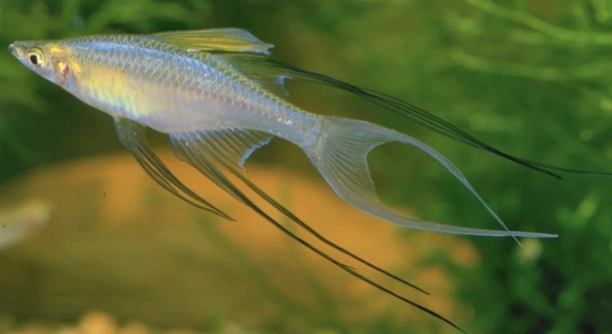
Do you enjoy observing your aquarium but find yourself noticing the subtle habits of your fish at night? Threadfin Rainbowfish exhibit small, fascinating behaviors that are often overlooked in a busy household environment. Their nightly routines can reveal patterns that are both soothing and interesting to watch.
Threadfin Rainbowfish do not always sleep in the same spot every night. Their resting locations vary depending on environmental factors such as tank conditions, lighting, presence of other fish, and available shelter, demonstrating flexible and adaptive behavior rather than strict territorial habits.
Learning more about these patterns can enhance your understanding of your aquarium’s dynamics. Observing their rest behavior provides insights into both their comfort and overall well-being.
Understanding Threadfin Rainbowfish Sleep Patterns
Threadfin Rainbowfish have a natural tendency to adjust their sleeping locations based on several factors. Light intensity plays a major role; they often move to dimmer corners as the tank lights are lowered. Temperature changes also affect their preference for certain areas, as slightly warmer spots can feel safer and more comfortable. Additionally, the presence of other fish influences their behavior. They tend to avoid resting near aggressive or overly active tank mates, opting instead for quieter zones. Vegetation and decorations provide hiding spots, which can make them feel secure. Observing their movements over several nights can reveal patterns that are consistent yet flexible. They may favor a few preferred spots but rarely stick to the exact same location. This adaptability is natural and indicates that the fish are adjusting to optimize safety and comfort in their environment, rather than following a rigid routine or fixed sleeping habit.
Observing these patterns can help maintain a healthier tank environment. Adjustments to placement of plants and hiding spaces improve comfort and security.
Tracking these shifts over time can also reveal the fish’s response to environmental changes. By noting how often they switch resting spots, owners can identify if stress, tank overcrowding, or other issues are present. Even minor alterations in light cycles or water temperature may influence their choices. The flexibility in sleeping locations reflects both instinctual safety behavior and adaptability to the tank environment. Creating multiple comfortable zones ensures that each fish can find a suitable spot, reducing stress and supporting better overall health. By providing consistent care and monitoring their habits, owners can gain insight into behavioral trends, health indicators, and social interactions, ultimately promoting a stable and balanced habitat for the fish.
Factors Affecting Spot Selection
Location choice is influenced by lighting, temperature, and tank mates. Hiding spots and decorations also guide their preference.
Environmental and social factors are key in determining where Threadfin Rainbowfish rest each night. Light levels, water flow, and temperature gradients contribute to comfort, while the presence of active or territorial fish can push them toward calmer areas. Physical structures like plants, rocks, and ornaments offer security, encouraging them to settle in safer corners. These factors interact dynamically; a well-lit area may be avoided if nearby fish are aggressive, or a warm spot might be ignored without adequate cover. Observing these behaviors allows aquarists to understand fish needs and adjust the tank setup accordingly, promoting stress-free rest patterns and overall well-being.
Common Resting Spots
Threadfin Rainbowfish often choose areas with low light and gentle water flow. Plants, ornaments, and corners of the tank provide them with a sense of security and privacy during rest periods.
These fish are drawn to spots that feel safe and protected. Dense plant clusters, rock formations, or artificial caves serve as ideal resting zones. They may shift positions depending on activity in the tank, choosing quieter corners when other fish are active. The adaptability of their resting habits shows their natural instincts for safety and comfort. Providing multiple secure areas encourages better sleep and reduces stress, which supports overall health.
Observation over time can reveal subtle preferences. Some fish favor slightly elevated locations, while others rest near the substrate. Their choices often reflect a combination of comfort, safety, and social positioning. By noting these preferences, owners can optimize tank design to ensure that every fish has access to suitable resting spots, balancing security with accessibility. This careful arrangement can help maintain harmony among fish and prevent unnecessary conflicts or stress-related behaviors.
Nighttime Behavior
Threadfin Rainbowfish slow their movements at night, conserving energy while remaining alert to changes in the environment.
At night, activity levels decrease significantly. Fish become less aggressive and tend to group together or isolate in preferred resting zones. This behavior is partly instinctual, reflecting their need to stay safe while conserving energy. Feeding schedules, tank lighting, and noise can all influence nighttime activity. Consistency in environmental conditions helps reinforce predictable rest behavior, allowing fish to feel secure and maintain a healthy sleep rhythm.
In addition to reduced movement, sensory awareness remains high. Eyes and lateral lines continue monitoring vibrations and shadows, which can trigger quick responses if necessary. This combination of reduced activity with heightened alertness reflects an adaptive strategy for survival in the wild. Owners can support this natural behavior by maintaining calm conditions at night, avoiding sudden disturbances, and ensuring water quality and temperature remain stable. Providing secure, quiet zones encourages proper rest, promoting overall well-being and minimizing stress-related issues.
Resting with Tank Mates
Threadfin Rainbowfish often rest near calm or non-aggressive tank mates. Social dynamics influence where they feel safe, and fish may shift positions if others become active or territorial.
Smaller or more passive fish tend to cluster together in sheltered areas. This behavior reduces stress and provides security, allowing each fish to rest more comfortably without constant vigilance.
Environmental Influences
Water temperature, lighting, and flow patterns directly affect resting choices. Fish often select spots that balance comfort and safety, moving if conditions change. Maintaining stable tank parameters helps them establish consistent resting behavior, supporting overall health and reducing stress throughout the night.
Shelter Importance
Providing plants, rocks, or ornaments enhances sleep quality. Secure hiding spots allow fish to rest without constant alertness, improving well-being and natural behavior.
FAQ
Do Threadfin Rainbowfish sleep at night like other fish?
Yes, Threadfin Rainbowfish follow a natural day-night cycle. They are diurnal, meaning they are most active during the day and reduce activity at night. Their sleep is not deep like mammals but involves periods of rest where movement slows, and energy is conserved.
Do they need a dark environment to sleep properly?
A dimly lit or darkened tank helps them establish a natural rhythm. Bright lights at night can disrupt rest and cause stress. Gradually dimming the tank lights in the evening mimics natural conditions, allowing the fish to adjust and rest effectively.
Will they sleep in the same spot every night?
Not necessarily. While they may favor certain areas, resting locations vary depending on tank conditions, social interactions, and available hiding spots. Flexibility is natural and reflects their instincts for safety and comfort rather than strict territorial behavior.
Do tank mates affect their sleeping behavior?
Yes, the presence of active or aggressive fish can influence where Threadfin Rainbowfish rest. They prefer quieter areas when other fish are active and may shift positions to avoid conflict, ensuring safety while resting.
Does tank size impact their resting habits?
Larger tanks with multiple hiding spots allow greater flexibility in choosing resting areas. Smaller tanks can limit options, potentially increasing stress. Providing sufficient shelter and open spaces helps fish feel secure and supports natural sleep patterns.
How do decorations and plants influence their sleep?
Plants, rocks, and ornaments create secure resting spots. Dense vegetation or structures offer cover, making fish feel safe. Multiple hiding areas reduce competition and stress, allowing fish to rest comfortably even in a shared tank.
Do temperature changes affect where they rest?
Yes, slightly warmer or stable areas are often preferred for resting. Sudden fluctuations in water temperature can disturb sleep and may cause the fish to move frequently, indicating stress. Consistent temperature promotes better rest and overall health.
Are there signs they are not resting well?
Frequent movement at night, hiding excessively, or unusual aggression may indicate stress or discomfort. Poor water quality, inappropriate lighting, or lack of hiding spots often disrupt rest. Monitoring behavior and tank conditions helps ensure they maintain healthy sleep patterns.
Do they ever sleep alone or in groups?
Both are common. Threadfin Rainbowfish may rest near calm tank mates for safety or find solitary spots when feeling insecure. Their choice depends on social dynamics, tank layout, and individual temperament.
How long do they typically rest each night?
Rest periods usually correspond to the nighttime hours of the aquarium environment. While individual variations exist, most fish slow movement and conserve energy for 8–12 hours, depending on lighting and activity levels in the tank.
Can feeding schedules affect their sleep?
Yes, feeding late in the evening may increase activity and delay rest. Maintaining a consistent daytime feeding routine helps the fish settle into a natural rest cycle and reduces nighttime disturbances.
Is it normal for them to change resting spots often?
Yes, changing spots is natural and reflects adaptability. Fish move to maintain comfort, avoid disturbances, or respond to environmental changes. Flexibility in resting habits is a sign of healthy, well-adjusted fish.
Can stress impact their sleep?
Stress significantly affects rest. Overcrowding, poor water quality, sudden changes, or aggressive tank mates can disrupt sleep, causing restless or erratic behavior. Reducing stressors improves sleep quality and supports overall health.
Do they show any unique behaviors while resting?
While resting, they may hover near plants or rocks, remain motionless, or slowly drift with the current. Eyes and lateral lines remain alert, allowing quick response to potential threats even during periods of low activity.
How can I create the ideal environment for nighttime rest?
Provide multiple hiding spots, stable water conditions, dim lighting at night, and calm surroundings. Avoid sudden disturbances and maintain a consistent routine. This approach encourages natural sleep behavior, reduces stress, and promotes overall well-being.
Are there differences between young and adult fish in resting habits?
Juveniles may rest more frequently and shift locations often as they explore and grow. Adults tend to select preferred areas but still adjust locations based on tank dynamics. Age influences activity levels, but adaptability in resting spots remains consistent.
Can I observe their sleep without disturbing them?
Yes, observing from outside the tank or using minimal lighting allows monitoring without causing stress. Avoid tapping the glass or sudden movements, as these can interrupt rest and alter behavior patterns.
Do they respond to noise while resting?
Loud vibrations or sudden tank disturbances can startle fish and disrupt rest. They are sensitive to environmental changes, so a calm and quiet environment supports uninterrupted sleep and reduces stress.
Is it necessary to track their resting habits?
Tracking helps identify stress, environmental issues, or health problems. Noting preferred spots, activity levels, and responses to changes provides insight into their comfort, allowing for adjustments that improve overall well-being.
Can changing tank layout affect where they sleep?
Yes, rearranging decorations, plants, or hiding spots can alter resting locations. Fish may explore new areas or return to familiar spots that feel safer. Gradual changes reduce stress and allow them to adjust naturally.
Do lighting schedules play a role in sleep patterns?
Consistent lighting cycles support natural rhythms. Sudden changes or extended periods of light can disrupt rest. Gradual transitions between day and night conditions help fish adapt and maintain regular sleep behavior.
How important is water quality for their rest?
Good water quality is critical. Poor conditions can stress fish, causing restless behavior and frequent movement at night. Regular monitoring of parameters such as pH, ammonia, and temperature ensures a stable environment conducive to proper rest.
Can resting habits indicate health issues?
Yes, unusual changes in resting behavior, such as excessive hiding, erratic swimming, or lack of rest, may signal illness. Observing patterns over time helps detect potential health problems early and allows timely intervention.
Do they prefer resting near the surface or bottom?
Preference varies based on tank layout and individual comfort. Some fish hover midwater, while others rest near the substrate or plant bases. Multiple options allow fish to choose based on safety, comfort, and social dynamics.
Are certain fish more likely to disturb their sleep?
Active or aggressive tank mates may influence resting locations. Providing separate hiding areas and calm zones minimizes disturbance, helping all fish rest without conflict and reducing stress-related behaviors.
How can I encourage consistent resting behavior?
Maintain stable lighting, water conditions, and feeding schedules. Ensure multiple secure spots and a calm environment. Consistency reduces stress, encourages natural rest cycles, and supports overall health and behavior patterns.
Do they ever sleep in open water?
Occasionally, especially in calm, secure tanks. Open-water resting is less common and usually occurs when the fish feel safe, demonstrating confidence in their environment and minimal perceived threat from tank mates or disturbances.
Can nighttime activity indicate problems?
Excessive movement, frequent hiding, or erratic swimming may indicate stress, poor water conditions, or illness. Monitoring behavior and addressing environmental factors helps maintain healthy resting patterns and overall well-being.
Are there signs of deep rest versus light rest?
Deep rest involves minimal movement and a stable position, often near hiding spots. Light rest includes slow hovering or gentle drifting with occasional adjustment to surroundings. Both forms reflect natural sleep behavior in Threadfin Rainbowfish.
How long should it take for them to settle at night?
Fish generally settle within minutes of lights dimming. However, individual variation occurs, especially with active or younger fish. Gradual lighting changes and a calm environment facilitate quicker adjustment and uninterrupted rest.
Can they be trained to rest in specific areas?
While not strictly trainable, consistent placement of hiding spots and routine conditions encourages preferred resting areas. Over time, fish may return to certain zones, reflecting comfort and familiarity rather than formal training.
Do they ever nap during the day?
Short periods of low activity can occur, especially after feeding or intense movement. These mini-rests help conserve energy but are distinct from nighttime rest, which is more prolonged and consistent.
Is it normal for fish to shift positions multiple times at night?
Yes, shifting positions reflects adaptability, environmental changes, and comfort-seeking behavior. Frequent movement is not necessarily a problem unless accompanied by stress indicators or illness.
Does tank complexity affect resting behavior?
Yes, more complex tanks with varied hiding spots and plants allow flexibility in resting locations. Complexity reduces competition, promotes security, and encourages natural behaviors, supporting overall well-being and proper rest.
Can I use dim lights to observe them at night?
Yes, red or low-intensity lights allow observation without disturbing rest. Minimal illumination helps monitor behavior while maintaining natural night conditions, reducing stress and ensuring normal sleep patterns.
Are their resting patterns predictable?
They are partially predictable but flexible. Environmental changes, tank dynamics, and individual temperament influence patterns. Observing trends over time helps anticipate behavior while acknowledging natural variability.
How do water currents influence their resting spots?
Strong currents may push them toward sheltered or calmer areas. Gentle flow is preferable during rest, allowing fish to conserve energy while remaining alert to their surroundings.
Do they show social behavior while resting?
Yes, some cluster with calm tank mates, while others choose solitary spots. Social interactions influence location choices, and fish adapt based on comfort, safety, and group dynamics.
Can poor sleep affect feeding behavior?
Disturbed rest may reduce appetite or cause erratic feeding patterns. Ensuring proper nighttime conditions helps maintain consistent energy levels, normal feeding behavior, and overall health.
Is it necessary to document their sleeping habits?
Tracking habits provides insight into comfort, stress levels, and health. Noting preferred spots, responses to changes, and activity levels helps maintain optimal tank conditions and fish well-being.
Can sleeping habits predict aggression?
Aggressive fish may monopolize preferred spots or disturb others. Observing rest patterns alongside interactions can reveal dominance behavior and help manage tank dynamics effectively.
Do they ever use multiple spots in one night?
Yes, alternating spots is natural, reflecting flexibility, comfort, and response to environmental factors. Multiple resting zones prevent stress and encourage healthy sleep behavior.
How do they respond to sudden light changes?
Sudden brightness can startle fish and disrupt rest. Gradual lighting transitions are important to maintain calm nighttime conditions and reduce stress-related movement.
Are there signs they are comfortable while resting?
Minimal movement, calm hovering near secure areas, and consistent use of hiding spots indicate comfort. Stable water conditions and quiet surroundings support these behaviors.
Can temperature drops at night disturb rest?
Yes, sudden drops may cause movement or relocation. Consistent, appropriate temperature ensures uninterrupted rest and supports overall health.
Do older fish have different resting habits?
Older fish often show more stable preferences but still adjust based on comfort, safety, and environmental changes. Patterns may be less exploratory than younger fish but remain flexible.
Are resting habits affected by breeding or spawning?
During breeding periods, activity may increase, and resting spots may change. Fish may seek more secluded areas or adjust positions in response to mates and environmental cues.
Can water clarity impact resting behavior?
Yes, cloudy or dirty water can increase stress and reduce the sense of security. Clear, clean water promotes confidence in resting locations and overall well-being.
Do they prefer certain tank zones for rest?
They may favor corners, densely planted areas, or regions with gentle flow. Preferences are influenced by security, comfort, and avoidance of disturbances.
Is it normal for some fish to be more active at night?
Individual variation exists. Some fish may move occasionally to adjust positions or monitor surroundings. As long as most rest properly, this is normal behavior.
How long should I observe before concluding unusual behavior?
Monitoring over several nights provides accurate insight. Single-night observations may not reflect typical behavior. Consistency over time helps identify genuine stress, environmental issues, or health concerns.
Can resting behavior help identify dominant fish?
Yes, dominant fish may occupy prime spots or displace others. Observing patterns alongside interactions reveals social hierarchy and helps manage tank harmony.
Do they prefer resting near surfaces or mid-water?
Preferences vary. Some hover mid-water, while others rest near plants or substrate. Multiple zones ensure each fish can select a comfortable position.
Can adjusting flow improve sleep quality?
Yes, reducing strong currents near resting areas promotes calm conditions, allowing fish to conserve energy and maintain alertness without stress.
Are resting habits affected by new tank setups?
New setups often cause temporary shifts. Fish explore and adjust to unfamiliar surroundings. Providing multiple hiding spots and stable conditions helps them settle quickly.
Do they react to reflections or shadows while resting?
Reflections or moving shadows can startle fish, causing movement. Stable lighting and calm surroundings reduce these disturbances and support consistent rest.
Can artificial caves improve sleep quality?
Yes, caves provide secure shelter, allowing fish to rest with minimal alertness. Multiple options reduce competition and support natural behavior patterns.
Is it common for fish to switch spots after a disturbance?
Yes, they may relocate to feel safer after sudden movements, noise, or other stressors. Providing multiple secure areas minimizes disruption.
Do resting spots indicate personality differences?
Some fish prefer solitude, while others cluster with calm tank mates. Choices reflect temperament, comfort, and social dynamics rather than fixed behavior patterns.
Are there risks if fish cannot find a proper resting spot?
Yes, lack of secure areas can increase stress, disrupt rest, and affect health. Ensuring sufficient hiding spots and calm zones is essential for well-being.
Can consistent observation improve tank management?
Yes, monitoring resting habits helps identify environmental needs, stress factors, and social interactions, enabling adjustments that support healthy fish behavior and overall tank stability.
Do they ever rest near feeding zones?
Occasionally, but they generally avoid areas of high activity. Safe, quiet zones encourage uninterrupted rest and reduce stress.
Can night-time disturbances affect long-term behavior?
Repeated disruptions can increase stress, alter sleep patterns, and reduce overall well-being. Maintaining calm nighttime conditions is critical for healthy behavior.
Are there differences in resting behavior between males and females?
Minor differences may exist, often linked to activity levels or territorial behavior. Females may prefer more sheltered spots, while males may occupy more visible areas, especially during breeding periods.
Does tank crowding impact sleep quality?
Yes, overcrowding reduces available hiding spots and can increase stress, leading to restless behavior. Providing adequate space and secure zones promotes healthier rest.
How can I encourage natural night activity and rest cycles?
Consistent lighting, feeding schedules, secure hiding spots, and calm conditions encourage predictable activity and rest patterns, supporting overall health and comfort.
Is it normal for fish to occasionally change sleeping patterns?
Yes, minor shifts occur due to environmental changes, tank dynamics, or social interactions. Flexibility is a natural part of their behavior and does not necessarily indicate a problem.
Can observing sleep help detect early illness?
Yes, unusual rest patterns, excessive hiding, or lack of movement can signal stress or disease. Early detection allows prompt intervention and improves outcomes.
Do they show different behavior in community tanks versus species-only tanks?
Yes, the presence of other species affects resting locations, activity levels, and comfort zones. Community tanks may require additional hiding spots to maintain calm and reduce disturbances.
Can lighting timers improve rest consistency?
Yes, timers create predictable day-night cycles, helping fish adjust naturally and maintain consistent sleep patterns, reducing stress and promoting overall well-being.
Are some resting spots more important than others?
Preferred spots provide security and comfort. While flexibility exists, ensuring at least a few reliable hiding zones supports healthy behavior and reduces stress.
Do resting habits affect breeding behavior?
Adequate rest supports overall health, which indirectly influences breeding activity. Stressed or sleep-deprived fish may be less likely to engage in reproductive behavior.
How do they respond to sudden water changes at night?
Abrupt changes can disrupt rest, causing stress and movement. Gradual adjustments and stable water parameters support calm, uninterrupted sleep.
Are there signs of healthy sleep patterns?
Minimal movement, use of secure spots, predictable settling times, and calm behavior indicate healthy rest. Disruptions or irregular behavior suggest stress or environmental issues.
Do they prefer high or low-density areas for rest?
Low-density, calm areas are typically preferred. High-traffic zones increase stress and reduce comfort, affecting sleep quality and overall well-being.
Can they adapt to different resting conditions over time?
Yes, they are flexible and can adjust to changes in lighting, tank layout, and social dynamics while maintaining safe and comfortable resting behavior.
Do seasonal changes in light affect sleep?
Extended or shortened light periods can influence rest cycles. Maintaining consistent artificial lighting helps stabilize behavior and supports predictable rest patterns.
Are there indicators of social hierarchy in resting patterns?
Dominant fish may occupy prime hiding spots or displace others. Observing location choices alongside interactions helps identify hierarchy and manage tank harmony.
Does water current direction impact sleep quality?
Strong currents near resting areas can cause stress and increased movement. Calm or gentle flow promotes energy conservation and stable rest behavior.
Can resting behavior influence feeding times?
Fish that rest well tend to feed consistently and show normal energy levels. Disturbed sleep may delay or reduce appetite, affecting overall health.
Are there differences in rest between captive and wild fish?
Wild fish may exhibit more cautious behavior due to predators, while captive fish show similar patterns in a controlled, safe environment. Basic instincts remain, but stress levels differ.
Do they use multiple hiding spots at night?
Yes, alternating spots is natural and reflects flexibility. Providing multiple secure zones ensures comfort, reduces stress, and supports proper rest.
Can nighttime reflections disturb them?
Yes, reflections or sudden shadows can cause movement or hiding. Stable lighting and calm surroundings minimize disturbances and support normal sleep behavior.
Do they show preferred positions within plants or decorations?
Yes, they often choose positions that provide cover, security, and calm. Dense vegetation or crevices are favored for comfort during rest.
How important is tank stability for consistent sleep?
Highly important. Stable water parameters, lighting, and minimal disturbances promote predictable rest patterns, reduce stress, and support overall health.
Can observing sleep behavior improve aquarium design?
Yes, tracking preferred resting areas guides placement of plants, decorations, and hiding spots, optimizing comfort and security for the fish.
Do they interact while resting?
Minimal interaction occurs unless in close proximity to calm tank mates. Social behavior is secondary to securing a safe and comfortable spot for rest.
Are resting behaviors consistent across different Threadfin Rainbowfish populations?
Patterns are generally consistent, though individual temperament, tank setup, and environmental factors influence exact resting choices and frequency.
Can rest patterns indicate environmental stress?
Yes, frequent movement, excessive hiding, or reluctance to settle may indicate stress from poor water quality, overcrowding, or sudden changes in the tank.
**Do they prefer
Final Thoughts
Threadfin Rainbowfish display fascinating and flexible resting habits that reflect both instinct and adaptation to their environment. Unlike animals that return to a single sleeping spot, these fish often move between locations depending on tank conditions, lighting, and social dynamics. Their choices are influenced by the need for safety, comfort, and minimal disturbance. By observing their behavior over time, it becomes clear that these small fish are highly aware of their surroundings and capable of adjusting their routines to match current conditions. Understanding this flexibility helps aquarists create better environments, ensuring fish remain comfortable and secure during nighttime rest.
Providing multiple secure spots is essential for promoting proper sleep and reducing stress. Plants, rocks, and ornaments serve as hiding spaces where fish can settle without feeling threatened. Calm areas with gentle water flow and dim lighting encourage natural rest, while sudden disturbances or overly bright lights can disrupt sleep and increase stress. Consistent water temperature, quality, and feeding schedules also play a critical role in supporting predictable rest patterns. Observing fish preferences over time allows adjustments to tank layout, improving both comfort and overall health. By addressing these needs, owners can support natural behaviors and help their Threadfin Rainbowfish thrive in a home aquarium setting.
Resting behavior also provides insight into fish well-being and social dynamics. Fish that move frequently, hide excessively, or fail to settle may be experiencing stress, discomfort, or environmental challenges. Conversely, fish that consistently use secure spots and maintain calm behavior indicate a healthy and stable environment. Monitoring these patterns can reveal subtle changes in health, social hierarchy, or tank conditions. Understanding these cues helps owners intervene early if problems arise, promoting both safety and comfort for all inhabitants. Supporting natural resting habits through careful tank design and maintenance ensures that Threadfin Rainbowfish remain healthy, stress-free, and capable of displaying their natural behaviors throughout the day and night.

Hello,
If you enjoy the content that we create, please consider saying a "Thank You!" by leaving a tip.
Every little bit helps us continue crafting quality advice that supports the health, happiness, and well-being of pets around the world, for pets of all shapes, sizes, and species.
We really appreciate the kindness and support that you show us!