
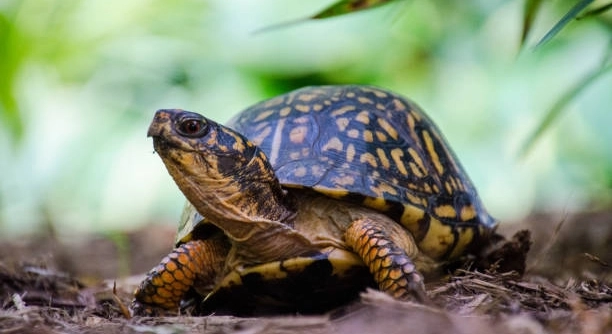
Box turtle hatchlings are fascinating creatures, and you may encounter them when they venture out into the world. It’s important to know how to help without causing harm to these vulnerable babies.
Assisting box turtle hatchlings involves providing minimal interference while ensuring they have a safe path. It’s important to let them navigate naturally, only offering help when absolutely necessary to prevent dangers such as predators or traffic.
Helping hatchlings doesn’t have to be complicated. We’ll guide you through some key steps to ensure you’re doing the best for these little turtles while respecting their natural journey.
Why Minimal Intervention Matters for Box Turtle Hatchlings
When you come across box turtle hatchlings, it’s important to remember that they are perfectly capable of navigating on their own. Though they may seem fragile, these tiny creatures have instincts that guide them. Interfering too much can disrupt their natural development and increase their vulnerability. Sometimes, less is more. By stepping in only when necessary, you allow them to grow in their environment without human influence altering their path.
The key is balance. Sometimes, the best way to help is to leave the hatchlings alone, ensuring they are safe from immediate dangers.
If you do decide to help, try to assess the situation carefully. For instance, if they are in danger from traffic or predators, moving them to a safer spot might be necessary. However, it’s important not to disturb their natural behaviors. Let them navigate obstacles and find their own way, as this is how they develop the skills they will need in adulthood.
Signs That You Should Assist the Hatchlings
Sometimes it can be difficult to tell when intervention is needed.
If a hatchling seems stuck, disoriented, or in immediate danger, it’s okay to move it to a safer location. Make sure the new spot is close to where it was headed. If you’re unsure, try observing from a distance before stepping in. Avoid handling the turtles too much to reduce stress and risk of injury. Keep in mind that helping should only be done with caution, so as not to disrupt their natural instincts.
How to Safely Move Box Turtle Hatchlings
When moving a box turtle hatchling, always use gentle hands to avoid injury. If the turtle is on a dangerous path, carefully pick it up by the sides of its shell, ensuring you support both the front and back of the carapace. Avoid lifting by the legs or tail.
After lifting, place the turtle in a safer location, ideally near where it was originally headed. Be mindful of nearby hazards such as roads or predators. Try to place the hatchling in an area with plenty of cover, like tall grass or nearby brush, to give it the best chance for survival.
Keep in mind that you shouldn’t relocate the turtle too far. Moving it too far from its natural surroundings could interfere with its sense of direction and survival instincts. Always ensure the new spot has the right environment and is close to its natural habitat.
What to Avoid When Helping Box Turtle Hatchlings
Handling a box turtle hatchling too much can cause it unnecessary stress. The best approach is to keep it brief, only moving it when absolutely necessary. Avoid putting the turtle in a container for extended periods as it can dehydrate or get overly stressed.
While it might seem like a good idea to create a “safe space” for the hatchling, this can actually do more harm than good. Instead, focus on minimizing human interaction and allowing the hatchling to continue on its way. If the turtle is in immediate danger, move it quickly, but always remember to respect its natural behaviors and instincts.
When to Leave Box Turtle Hatchlings Alone
If the hatchling seems to be moving on its own without any immediate threats, it’s best to leave it alone. They are built to survive and can navigate their environment if given space. Constant interference can cause more harm than good.
Let the hatchling go at its own pace, even if it looks like it might be struggling. These turtles are tough and are designed to overcome obstacles. If you don’t see any immediate danger, stepping back and letting it find its way is often the best option.
Recognizing Dangerous Situations for Box Turtle Hatchlings
Sometimes, it’s necessary to step in when a hatchling is in immediate danger. For example, if it’s crossing a busy road or near predators, the hatchling might need some help. Quickly assess the situation and act only if absolutely needed.
You don’t want to overstep by picking the turtle up too often. Handling them too much could cause stress, which is harmful. Only intervene when necessary, especially if their safety is at risk. Try to minimize physical contact to reduce any possible harm.
FAQ
How can I tell if a box turtle hatchling needs help?
If a box turtle hatchling is moving on its own, there may not be an immediate need for intervention. However, if the hatchling is in a dangerous location, such as near a busy road or surrounded by predators, it’s important to step in. In these cases, gently moving the turtle to a safer area can be beneficial. If the hatchling appears stuck or disoriented, it may also need assistance, but always try to minimize contact.
Can I pick up a box turtle hatchling?
Yes, but with caution. If you need to move the hatchling to a safer spot, gently lift it by the sides of the shell, supporting both the front and back. Never lift by the legs or tail, as this could cause injury. Keep handling to a minimum to avoid unnecessary stress.
Should I relocate a box turtle hatchling far from where I found it?
No, avoid moving a box turtle hatchling too far from where you found it. Releasing it too far from its original location can disorient the turtle and prevent it from returning to its natural habitat. If relocation is necessary, place the hatchling in a safer spot close to its original location, with plenty of cover and access to food sources.
What are common dangers for box turtle hatchlings?
Predators such as birds, raccoons, and foxes pose a significant threat to box turtle hatchlings. Additionally, busy roads, human-made structures, and harsh weather conditions can create unsafe environments. Hatchlings are also at risk from dehydration if they can’t find water or shelter. The key is to identify and minimize these dangers when assisting them.
How do I prevent harming the turtle when moving it?
To avoid harm, always handle the hatchling gently and avoid touching the legs or tail. Use both hands to support the turtle by its sides, ensuring the carapace is properly supported. When placing the turtle down, ensure the surface is safe and free from hazards. The less contact you have with the hatchling, the better.
Can box turtle hatchlings find food on their own?
Yes, box turtle hatchlings can find food on their own, as they are born with the instinct to forage. However, they may need some time to adapt and develop their skills. It’s crucial to leave them in environments where they can access food such as insects, plants, and small invertebrates.
What should I do if I find a box turtle hatchling in the road?
If you find a hatchling in the road, move it quickly to the side. Gently pick it up by the sides of the shell and place it in the direction it was heading. Don’t turn the turtle around, as it may try to return to its original path. If possible, find a safe spot nearby that offers cover and protection from predators.
Are box turtle hatchlings capable of surviving without human help?
Yes, box turtle hatchlings are generally capable of surviving without human intervention. They are born with the instincts to find food, water, and shelter. Most of the time, the best thing you can do is avoid interfering and allow them to follow their natural instincts.
How long does it take for box turtle hatchlings to reach maturity?
Box turtles take a long time to reach maturity. It may take 5 to 10 years for them to grow to a size where they can reproduce. Box turtle hatchlings will go through several growth stages as they develop their shells, improve their survival skills, and gain strength.
What should I do if I see a box turtle hatchling in distress?
If you observe a hatchling that seems in distress, like one that is stuck or injured, assess the situation carefully. If the hatchling is in immediate danger from predators or traffic, it may need your help. Otherwise, it’s best to observe from a distance and avoid causing additional stress.
Do box turtle hatchlings need to stay with other turtles?
Box turtle hatchlings do not need to stay with other turtles. They are solitary creatures and will often be found on their own, especially during the early stages of life. In fact, other turtles might pose a threat to hatchlings, so it’s important to keep them safe from potential harm.
How can I tell if a box turtle hatchling is healthy?
A healthy box turtle hatchling should have a hard, smooth shell, and its eyes should be bright and clear. The hatchling should move freely, without signs of injury or weakness. If the turtle appears lethargic, has a soft shell, or is visibly injured, it may need immediate care from a wildlife rehabilitator.
Can box turtle hatchlings live in captivity?
While box turtles can live in captivity, it’s generally best to leave them in their natural habitat. Captivity can be stressful for them, and they have specific needs that are difficult to meet in a home setting. If you find a hatchling in need of care, it’s best to contact a wildlife rescue organization that can provide proper care.
What should I do if I find multiple box turtle hatchlings?
If you find multiple hatchlings, assess the situation carefully. They may be following a natural migration path, or they may have been displaced. If they are in a safe area, it’s best to leave them alone. If they are in danger, move them to a safer spot, ensuring not to separate them from the group unnecessarily.
Final Thoughts
Helping box turtle hatchlings is all about finding the right balance between assistance and allowing nature to take its course. These small turtles are born with instincts that guide them through their early lives. Most of the time, they don’t need human help to survive. However, there are situations when stepping in can make a difference, like when they’re in immediate danger from traffic or predators. The key is recognizing when help is needed without interfering too much. The less you handle them, the better. Overhandling can cause stress, which can be harmful to the hatchling’s development.
If you do need to move a box turtle hatchling, always do so with care. Use gentle hands to lift the turtle by the sides of its shell, ensuring you provide support to both the front and back. It’s essential not to move them too far from where you found them, as this could disorient them. Place them in a safe location nearby, where they have access to food, water, and cover. Remember, these little creatures are designed to find their way on their own. Helping them too much can disrupt their natural instincts and affect their survival.
In the end, the best thing you can do for box turtle hatchlings is to respect their natural process. They are incredibly resilient and capable of overcoming obstacles on their own. Providing minimal intervention ensures they grow and develop as they should, without unnecessary stress or confusion. If you ever find yourself in a situation where a hatchling needs help, make sure to assess the risks and act with care. It’s important to understand that sometimes doing nothing is the best choice. Just observe, and when needed, offer support in a way that’s kind and respectful of their journey.

Hello,
If you enjoy the content that we create, please consider saying a "Thank You!" by leaving a tip.
Every little bit helps us continue crafting quality advice that supports the health, happiness, and well-being of pets around the world, for pets of all shapes, sizes, and species.
We really appreciate the kindness and support that you show us!