
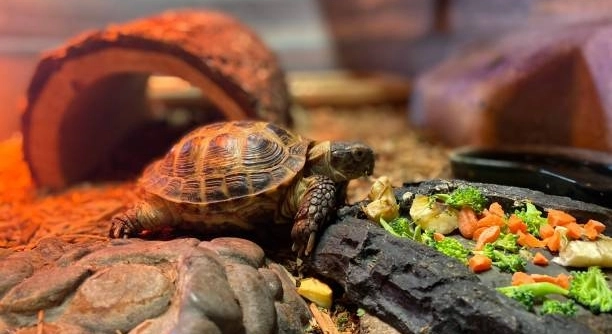
Dehydration is a common issue for box turtles, and it’s important to know the signs and causes. Taking care of their hydration needs is essential for their well-being. Understanding the factors can help prevent dehydration and improve their health.
Box turtles may become dehydrated due to factors such as improper humidity, lack of water, or poor diet. Providing a proper habitat, consistent water source, and suitable foods can help keep them hydrated and prevent health complications.
Taking the right steps to address dehydration will help ensure your box turtle stays healthy. Proper hydration can prevent long-term health problems and improve their quality of life.
Lack of Water Access
Box turtles can easily become dehydrated if they don’t have access to fresh water. They need a shallow dish of water at all times, ideally one that they can easily get in and out of. Without water available, they may not drink enough, which can lead to dehydration. It’s crucial to regularly check the water dish to ensure it’s clean and filled. Even though box turtles are able to get some moisture from the food they eat, having a reliable water source is still essential for their health.
A shallow water dish will give your box turtle a comfortable place to drink and soak. This allows them to hydrate properly and helps them stay healthy in the long run.
To prevent dehydration, make sure your turtle has access to fresh water daily. This small change can make a big difference in their hydration and overall well-being.
Improper Habitat Humidity
Humidity plays a key role in your box turtle’s hydration. Too low humidity can make it harder for them to stay hydrated, while too high can lead to other health problems. It’s important to create an environment with the right balance of moisture. Box turtles thrive in moderate humidity levels of around 50-70%. This ensures they can absorb moisture from the air and their environment, helping to keep them hydrated. Without this proper balance, they may struggle to maintain healthy hydration.
Adjusting the humidity in your box turtle’s habitat is as simple as using a humidifier, misting the tank, or adding a shallow water dish. Keep an eye on the humidity and adjust as needed.
Maintaining proper humidity is just as important as providing clean water. It’s essential to regularly check the levels and make adjustments to keep your box turtle comfortable. Proper humidity allows them to absorb moisture more efficiently, preventing dehydration and supporting their overall health.
Poor Diet Choices
A poor diet can lead to dehydration in box turtles. If they don’t get enough water-rich foods, their overall hydration suffers. Including fruits and vegetables with high water content is an easy way to support their hydration needs. Foods like cucumbers, strawberries, and leafy greens provide moisture while offering essential nutrients.
Box turtles need a balanced diet that includes both plant and animal matter. While feeding them water-rich vegetables helps, protein sources like worms, crickets, or other insects are also important for their health. By offering a variety of foods, you’re not only meeting their hydration needs but also ensuring a balanced nutrition profile.
Some foods should be avoided, though. Anything too dry, like some dried fruits, will not help hydrate your box turtle. Always make sure the food you offer is fresh, and if possible, slightly moistened before feeding to help with hydration. A well-balanced diet prevents dehydration and other related health issues.
Overheating
Overheating can also contribute to dehydration. If the temperature in the enclosure is too high, your box turtle will lose more moisture through evaporation, leading to dehydration. It’s important to keep the temperature within the appropriate range for your turtle’s species.
Ensure that the temperature doesn’t exceed 80-85°F during the day. You can achieve this by controlling the temperature with heat lamps or regulating the space they have access to. An environment that’s too hot will lead to increased water loss, while an environment that’s too cold can make it difficult for your box turtle to digest food properly.
If you notice signs of dehydration, such as dry skin or lethargy, check the temperature of the enclosure and make adjustments immediately. Reducing excessive heat exposure can help keep your turtle hydrated and comfortable.
Stress
Stress can lead to dehydration in box turtles. When they feel threatened or uncomfortable, they may stop drinking or eating, making it difficult for them to stay hydrated. A stressful environment can come from loud noises, handling, or other animals in the vicinity. Keeping their space calm is key.
Create a stress-free environment by providing hiding spots, maintaining a consistent temperature, and avoiding unnecessary handling. If you notice your turtle acting skittish or not eating, it’s essential to assess their environment. A turtle’s well-being can be significantly improved by lowering stress levels.
Stress can also weaken their immune system, leading to other health issues. Take steps to minimize stress and ensure your turtle feels safe in its habitat.
Illness
Illness can sometimes make it hard for a box turtle to maintain hydration. If they’re sick, they may refuse to drink or eat, which can quickly lead to dehydration. Certain illnesses can directly affect their ability to absorb water, leading to further health complications.
If your box turtle isn’t drinking enough or showing signs of weakness, it’s important to consider illness. Take note of any changes in behavior or appetite and seek help from a veterinarian if necessary. A prompt response is crucial in preventing dehydration from worsening.
Poor Habitat Setup
A poorly set-up habitat can contribute to dehydration. Without the right humidity, temperature, and water availability, your turtle’s health will decline. It’s crucial to create an environment that mimics their natural habitat as closely as possible to keep them hydrated and healthy.
FAQ
How can I tell if my box turtle is dehydrated?
Dehydration in box turtles can be spotted through a few key signs. Common indicators include dry, sunken eyes, lethargy, and wrinkled skin. If you notice that your turtle is not moving much, is hiding more than usual, or is not drinking water, it may be dehydrated. Another sign is if your turtle’s skin looks saggy or dull. To check for dehydration, gently pinch the skin on the back of their neck or leg. If it doesn’t immediately return to its normal position, this could be a sign of dehydration.
What should I do if my box turtle is dehydrated?
If your box turtle is dehydrated, start by providing clean, fresh water in a shallow dish. You can also offer moist foods like leafy greens or fruits with high water content, such as watermelon or strawberries. You may need to soak your turtle in lukewarm water for around 20 to 30 minutes to help them rehydrate. Ensure that the water they’re soaking in is shallow enough that they can easily exit when they’re done. If your turtle does not improve after several attempts or shows severe signs of dehydration, seek veterinary assistance.
Can dehydration cause permanent damage to my box turtle?
Yes, dehydration can cause long-term damage if it’s not addressed. Prolonged dehydration can lead to organ failure, digestive issues, and skin problems. In severe cases, it may be fatal. The kidneys and other organs can be affected, leading to a weakened immune system and difficulty processing food. It’s important to monitor their hydration regularly and address any issues immediately to prevent long-lasting damage.
How often should I soak my box turtle to prevent dehydration?
Soaking your box turtle once or twice a week is generally a good way to maintain proper hydration, especially if you live in a dry environment. The water should be shallow, and your turtle should be able to climb out at any time. If your turtle seems more dehydrated than usual or refuses to drink, you can soak them more frequently to help with hydration.
What temperature is best for my box turtle’s enclosure to avoid dehydration?
The temperature in your box turtle’s habitat should be carefully managed to avoid dehydration. During the day, keep the temperature between 75°F and 85°F (24°C to 29°C). Avoid areas that get too hot or too cold, as extreme temperatures can cause stress and dehydration. Ensure that there’s a cool area in the enclosure where your turtle can retreat if the environment becomes too warm. Using a heat lamp can help regulate the temperature, but be mindful not to overheat them.
What foods help keep box turtles hydrated?
Fruits and vegetables with high water content are the best for keeping box turtles hydrated. Leafy greens like lettuce, dandelion greens, and kale are excellent choices. Fruits such as watermelon, cantaloupe, strawberries, and cucumber are also great for providing extra moisture. You can mix these with other foods like worms or insects for a balanced diet. Always avoid dry foods, as they can contribute to dehydration.
Can I use a water dish to hydrate my box turtle?
Yes, a shallow water dish is essential for keeping your box turtle hydrated. Always provide fresh, clean water in a dish that’s large enough for your turtle to drink and soak in if needed. The water should be shallow enough for them to get in and out without difficulty. Change the water daily to ensure it’s clean and free of any bacteria that could harm your turtle.
Why is my box turtle not drinking water?
There are several reasons why a box turtle may not drink water. It could be due to stress, improper temperature, or dehydration. Sometimes, box turtles may not drink water if it’s too dirty or not to their liking. Make sure the water is clean and changed daily. If the enclosure’s humidity or temperature is too low or high, it could discourage your turtle from drinking. Additionally, if your turtle is ill, it might stop drinking as well. Pay attention to other symptoms and consult a veterinarian if necessary.
How do I maintain proper humidity for my box turtle?
Humidity is crucial for your box turtle’s health. It should be maintained at 50-70% humidity. You can achieve this by misting the enclosure with water or using a humidifier. Another effective method is by placing a shallow water dish in the enclosure, which can help increase humidity. Make sure to monitor the humidity levels regularly with a hygrometer, as both too low or too high humidity can lead to health issues, including dehydration.
Is it okay to handle my box turtle if it’s dehydrated?
If your box turtle is dehydrated, it’s best to minimize handling to reduce stress. Dehydrated turtles are already struggling to maintain hydration, and excessive handling can add unnecessary stress, which could make things worse. Focus on providing a calm environment and rehydrating them. Once they’re hydrated and healthy again, handling can resume, but always ensure it’s done gently and for short periods.
How long can box turtles go without water?
Box turtles can survive for a short period without water, but they cannot thrive without it. The exact duration depends on the individual turtle and its environment, but typically, a few days without water can lead to dehydration. It’s crucial to always provide access to fresh water to prevent any health issues. Even if they aren’t drinking a lot, having water available will help maintain their hydration.
Does soaking my box turtle in water help with dehydration?
Soaking your box turtle in lukewarm water is an effective way to help with dehydration. This allows your turtle to absorb water through its skin, which can help rehydrate them quickly. Make sure the water is shallow enough for your turtle to climb in and out easily. Soak them for 20-30 minutes and then place them back in their enclosure. Regular soaking, combined with proper hydration from water dishes and moisture-rich foods, can help prevent dehydration.
Ensuring your box turtle stays hydrated is essential for its health and well-being. Dehydration can lead to serious health problems if not addressed quickly, so it’s important to regularly monitor their water intake, food, and environment. Simple steps like offering a shallow water dish, providing moisture-rich foods, and maintaining proper humidity can go a long way in preventing dehydration. A hydrated turtle is more likely to thrive and show its natural behaviors, from eating and basking to moving around its habitat.
Pay attention to any signs of dehydration, such as dry skin, sunken eyes, or lethargy. If your turtle shows these symptoms, it’s best to take immediate action by soaking them in water, providing fresh hydration options, and adjusting their living conditions. Sometimes, dehydration can be a sign of other underlying issues, like stress or illness, so addressing the cause is key. A well-balanced diet, consistent hydration, and the right environment will help your turtle maintain optimal health.
A consistent routine of checking their habitat, water supply, and food can make all the difference in preventing dehydration. Don’t be discouraged if it takes time for your box turtle to adjust to new changes in its environment. As long as you remain attentive to their needs, your turtle will benefit from the care you provide. Remember, it’s always a good idea to consult a veterinarian if dehydration symptoms persist, or if you’re unsure about any signs your turtle may be showing. Your efforts will contribute to their long-term health and happiness.

Hello,
If you enjoy the content that we create, please consider saying a "Thank You!" by leaving a tip.
Every little bit helps us continue crafting quality advice that supports the health, happiness, and well-being of pets around the world, for pets of all shapes, sizes, and species.
We really appreciate the kindness and support that you show us!