
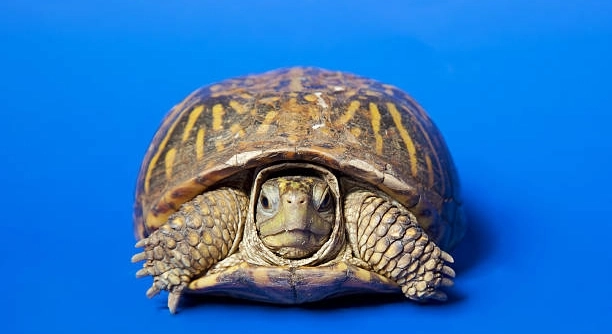
Turtles are gentle creatures, but they can feel stressed, just like us. It’s important to know how to spot signs of stress in box turtles so you can help them stay healthy and happy.
A stressed box turtle may show changes in behavior, such as hiding, lethargy, or aggressive actions. Observing these behaviors is key to identifying their stress and addressing its causes effectively.
Understanding these signs allows you to make improvements in your turtle’s environment, ensuring they feel safe and relaxed. Keep reading to learn how to manage your box turtle’s stress levels.
How Stress Affects Box Turtles
Stress in box turtles can have a significant impact on their overall health and well-being. It may lead to poor feeding habits, weight loss, or even physical illness. When turtles are stressed, their immune system is weakened, making them more vulnerable to infections and diseases. This can result in long-term health issues if not addressed properly. Understanding the common signs of stress and how they manifest can help you prevent further problems and improve your turtle’s quality of life. Creating a calm, safe environment and managing their needs is essential for stress reduction.
Even though turtles are naturally resilient, they still need to feel secure in their surroundings. A change in their habitat, diet, or handling can trigger stress. The goal is to make sure they feel comfortable at all times.
By being aware of the signs of stress, such as changes in eating habits, behavior, or movement, you can react quickly and offer the right care. Providing them with a peaceful habitat is crucial. Make sure their enclosure is quiet, spacious, and equipped with proper lighting and temperature. Additionally, avoid overhandling them, as excessive interaction can also cause stress. A turtle’s natural behavior can be disrupted if their environment is not properly maintained, so small adjustments can make a big difference.
Seven Common Signs of Stress in Box Turtles
Box turtles communicate their stress through various behaviors and physical signs. Their response can be subtle, but once you know what to look for, you can act quickly to prevent further discomfort. Recognizing these signs early can help maintain your turtle’s health and happiness.
The first sign of stress is lethargy. A stressed box turtle might spend most of its time in hiding, showing little interest in moving or exploring. When you notice your turtle staying in one spot or not engaging with its surroundings, it could be a sign that something is wrong. Stress often leads to inactivity as the turtle tries to retreat into its shell or simply stop interacting with the outside world.
Additionally, you may notice changes in your turtle’s appetite. Stress can cause them to lose interest in food, which affects their energy levels. Over time, this can lead to weight loss and dehydration, making the situation more concerning. Box turtles rely on a healthy diet to thrive, so if they refuse to eat for an extended period, this is a serious warning sign. Monitoring their eating habits closely and adjusting their environment to make them feel more secure is key to reversing these effects.
Hiding or Retreating into Their Shell
When box turtles are stressed, they often seek refuge in their shells as a way to avoid feeling threatened. This behavior is natural, but prolonged hiding can indicate more serious stress. If your turtle is hiding frequently, it could be struggling to adapt to its environment or dealing with discomfort.
Turtles retreating into their shells might also signal fear or anxiety, especially if there’s been a recent change in their surroundings. This could include new pets, loud noises, or even an improper temperature. If your turtle spends too much time in its shell, it’s important to evaluate its habitat and ensure it feels safe.
Check if the temperature, humidity, and light conditions are appropriate. If there’s a sudden change in the environment, it’s normal for your turtle to withdraw, but if this continues for an extended period, it may need adjustments. Provide a calm space where your turtle feels secure to help reduce stress.
Aggressive Behavior or Biting
Stressed box turtles may show aggression as a way to defend themselves. They might become more prone to biting, especially if they feel threatened or uncomfortable. This behavior is often a reaction to stress or fear and can escalate if the underlying cause isn’t addressed.
In some cases, aggressive behavior can also stem from overcrowding or improper social interactions. If there’s another turtle in the same space or if they’re constantly disturbed, it can trigger aggression. Be mindful of their social dynamics and make sure they have enough space to roam freely without feeling threatened by other animals.
If aggression persists, separate the turtles and provide more hiding spots or resting areas. Creating a peaceful environment can help your turtle feel secure and stop the biting behavior. Reducing stress can make a significant difference in their attitude toward their surroundings and other creatures.
Changes in Their Eating Habits
When stressed, box turtles may lose interest in food. This change in eating habits can lead to weight loss, weakness, and dehydration if not addressed. A healthy appetite is key to a turtle’s well-being, so any sudden decrease should not be ignored.
If your turtle is refusing food, consider environmental factors like temperature, lighting, or humidity. A stressed turtle may avoid eating if the conditions aren’t ideal. Make sure the diet is varied and appropriate for your turtle’s species. If the problem persists, it’s time to check their surroundings for stress triggers.
Excessive Drinking
Another sign of stress in box turtles is excessive drinking. Stress can cause dehydration, leading them to drink more water than usual. This can be a response to environmental conditions that are too hot, too dry, or even a reaction to feeling unsafe.
If your turtle is drinking too much, it could also signal illness, so monitor for any other changes in behavior. Ensure that your turtle’s water is clean and at the proper temperature. Sometimes, simply adjusting their environment can help restore balance and reduce the stress causing the behavior.
FAQ
How can I tell if my box turtle is stressed?
Stress in box turtles can manifest in several ways. Look for signs like hiding more than usual, decreased appetite, lethargy, or aggressive behavior. If your turtle is retreating into its shell often or biting when handled, these could also indicate stress. Pay attention to changes in their activity level and eating habits.
What are the main causes of stress in box turtles?
Box turtles can become stressed due to various factors, including improper habitat conditions, changes in their environment, poor diet, or overhandling. Loud noises, sudden temperature fluctuations, or the presence of other animals can also contribute to stress. Ensure that their enclosure mimics their natural environment as closely as possible to reduce stress.
Can stress affect a box turtle’s health?
Yes, stress can negatively impact a box turtle’s health. When stressed, their immune system may weaken, making them more susceptible to infections and diseases. A turtle under stress might refuse food, leading to malnutrition or dehydration. Chronic stress can also cause long-term damage to their physical and mental well-being.
What can I do to reduce my turtle’s stress?
Start by making sure your turtle’s habitat is set up correctly. Check the temperature, humidity, and lighting to ensure they’re within the ideal range for your turtle’s species. Provide hiding spots and enough space for them to move around. Limit handling and keep their environment calm. Offer a balanced diet to maintain their health.
How do I know if my box turtle is happy?
A happy box turtle is active, curious, and enjoys exploring its environment. If your turtle is eating well, moving around regularly, and doesn’t hide excessively, it’s likely content. Healthy activity levels and an interest in their surroundings are positive signs. A relaxed and engaged turtle will show fewer signs of stress.
Can I overfeed my box turtle?
Yes, it is possible to overfeed your box turtle. Overfeeding can lead to obesity, digestive issues, and other health problems. Make sure to provide a balanced diet with appropriate portion sizes based on your turtle’s age, size, and species. It’s important to monitor their weight and adjust the feeding schedule accordingly.
Is it normal for a box turtle to hide a lot?
Hiding is normal for box turtles, especially when they’re feeling stressed, sick, or cold. However, if your turtle is hiding too much or not eating, it could be a sign that something is wrong. Ensure their environment is set up correctly and observe their behavior to determine if further action is needed.
How can I tell if my turtle is dehydrated?
Dehydration in box turtles can lead to lethargy, dry skin, and a lack of appetite. You may notice that your turtle is drinking excessively or has dry, sunken eyes. To prevent dehydration, ensure your turtle always has access to clean, fresh water. Provide a humid environment if needed, based on their species.
Can box turtles live together?
Box turtles are solitary creatures by nature and can sometimes become stressed when housed with others. It’s best to house them individually, especially if they show signs of aggression or discomfort when in close proximity to another turtle. However, some box turtles may tolerate others under the right conditions, so always observe their behavior.
Do box turtles need UVB light?
Yes, box turtles need UVB light to help them synthesize vitamin D3, which is crucial for calcium absorption and bone health. Without UVB light, your turtle may develop metabolic bone disease and other health issues. Make sure the UVB light is positioned correctly and replaced regularly for optimal health benefits.
Can temperature affect my box turtle’s stress levels?
Yes, temperature plays a significant role in a box turtle’s comfort and stress levels. A temperature that’s too high or too low can cause stress and health problems. Ensure that their habitat maintains a proper temperature gradient, with a warm basking area and a cooler retreat area. Regular temperature checks are essential.
What should I do if my box turtle stops eating?
If your box turtle stops eating, it could be a sign of stress, illness, or environmental issues. Check their enclosure to make sure it meets their needs. If their habitat is fine and they still refuse food, it’s a good idea to consult a vet to rule out any health problems.
Understanding the signs of stress in box turtles is essential for maintaining their health and well-being. These creatures are sensitive to changes in their environment, and stress can have serious consequences. By learning how to recognize the early signs of stress, you can take steps to create a safer, more comfortable habitat for your turtle. This will not only improve their physical health but also their overall quality of life. A few small changes in their environment can make a big difference in reducing stress.
Paying attention to factors like temperature, humidity, lighting, and the presence of other animals in their enclosure is key. Box turtles thrive in stable, peaceful conditions. If your turtle is hiding more often, eating less, or acting more aggressively, it may be a sign that something is wrong. Make sure your turtle’s habitat is properly set up, and avoid overhandling or making sudden changes. Consistency is important for their comfort and safety.
If you’ve noticed signs of stress, it’s important to act quickly and make necessary adjustments. If stress continues despite your efforts, or if your turtle shows signs of illness, consulting a veterinarian may be necessary. A stressed turtle can sometimes develop health issues that need medical attention. In general, providing a stable and calm environment, along with a proper diet, can help ensure your box turtle leads a long, healthy life.

Hello,
If you enjoy the content that we create, please consider saying a "Thank You!" by leaving a tip.
Every little bit helps us continue crafting quality advice that supports the health, happiness, and well-being of pets around the world, for pets of all shapes, sizes, and species.
We really appreciate the kindness and support that you show us!