
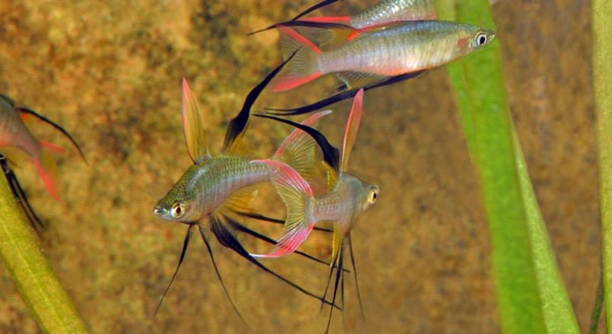
Threadfin Rainbowfish are small, colorful fish that bring life to community tanks. Their shimmering scales and active swimming patterns make them appealing, but adding them without proper planning can disrupt existing tank harmony and health.
The key to introducing Threadfin Rainbowfish without upsetting tank balance is to monitor tank population, maintain stable water parameters, and ensure adequate hiding spaces. Gradual acclimation and pairing with compatible species minimize stress, aggression, and competition for resources, preserving ecosystem stability.
Maintaining balance requires careful observation and adjustment as the fish settle. Following proper guidelines ensures a peaceful, thriving aquarium environment for all inhabitants.
Preparing Your Tank for Threadfin Rainbowfish
Before adding Threadfin Rainbowfish, it’s important to prepare the tank properly. Begin by checking the water parameters, including pH, temperature, and hardness, to ensure they are within the species’ preferred range. Threadfin Rainbowfish thrive in slightly acidic to neutral water, around 22–28°C, with a pH of 6.5–7.5. Ensure the tank is cycled and free of ammonia or nitrites, as these can stress the fish and disrupt the balance.
Adding plants and decorations helps create hiding spaces and reduces aggression. Open swimming areas are equally important, allowing the fish to display natural behavior. If you have aggressive tank mates, consider temporary separation. Regular maintenance, such as water changes and filter checks, will support stable water conditions, making it easier for the Threadfin Rainbowfish to adapt. Gradual introduction over several hours or days allows them to acclimate and reduces shock.
Observing behavior after introduction is crucial. Watch for signs of stress, such as hiding or erratic swimming. Adjustments may be needed to maintain harmony.
Choosing Compatible Tank Mates
Select peaceful, non-aggressive species that thrive in similar water conditions to prevent conflict.
Compatibility depends on size, temperament, and swimming levels. Small schooling fish or bottom-dwellers work well. Avoid fin-nipping species or overly territorial fish. Consider the number of fish already present to prevent overcrowding.
Adding new fish to an existing tank requires careful planning. Threadfin Rainbowfish are active swimmers and do best with companions of similar size and temperament. Avoid large or aggressive fish that could intimidate them. Providing a mix of schooling species encourages natural movement and reduces stress. Overcrowding can cause competition for food and increase waste, impacting water quality. Keep an eye on feeding behavior to ensure all fish are eating properly. Regular observation helps catch issues before they escalate. Maintaining stable water parameters, hiding spaces, and open swimming areas supports harmony among species. Gradual acclimation for both new and existing fish minimizes disruption and helps everyone settle in comfortably.
Feeding Threadfin Rainbowfish
Feed Threadfin Rainbowfish a varied diet to keep them healthy. Include high-quality flakes, small pellets, and occasional live or frozen foods like brine shrimp or daphnia. Avoid overfeeding, as excess food can pollute the tank and harm water quality.
A balanced diet is essential for vibrant colors and active behavior. Offer small portions two to three times daily, ensuring all fish get enough to eat. Live and frozen foods provide protein that supports growth and energy. Supplementing with vegetable matter, such as spirulina flakes, helps digestion and overall health. Rotate food types to prevent dietary deficiencies and encourage natural foraging habits.
Monitoring feeding behavior allows you to spot issues early. Uneaten food should be removed promptly to maintain water quality. Adjust portions based on appetite and tank population. Over time, consistent feeding routines improve fish vitality and help maintain tank balance.
Monitoring Water Quality
Maintaining stable water parameters is crucial for healthy Threadfin Rainbowfish. Frequent testing of ammonia, nitrites, nitrates, pH, and temperature ensures the tank remains safe and balanced.
Regular water changes prevent waste buildup and fluctuations that stress fish. Even minor changes in temperature or pH can cause aggression or illness. Use a reliable filter to keep water clean and oxygenated. Observing fish behavior often signals early problems. Keep a consistent schedule for testing and maintenance to prevent sudden drops in water quality, which can upset tank harmony.
Investing time in proper monitoring protects the health of all tank inhabitants. Adjustments, such as partial water changes or pH corrections, should be made gradually to avoid shocking the fish. Consistent observation combined with scheduled maintenance ensures a stable environment. Documenting changes helps track trends and anticipate problems before they escalate. Well-maintained water encourages natural behavior, reduces stress, and supports vibrant coloration. Using appropriate equipment like test kits, heaters, and filters simplifies this process, making long-term care manageable and effective for sustaining a peaceful aquarium ecosystem.
Acclimating New Fish
Introduce Threadfin Rainbowfish slowly to minimize stress. Float the sealed bag in the tank for 20–30 minutes to equalize temperature.
Gradually mix small amounts of tank water into the bag every 10 minutes. After about an hour, gently release the fish into the aquarium to help them adjust safely.
Observing Behavior
Watch the new fish for signs of stress or aggression. Active, alert swimming indicates adaptation.
Shy or hiding fish may need additional hiding spots. Aggressive interactions with tank mates should be monitored and addressed promptly. Regular observation ensures long-term harmony.
Maintaining Plant and Decoration Balance
Plants and decorations reduce stress and provide shelter. Keep a mix of tall and low plants, along with open swimming areas, to support natural behavior and promote a peaceful environment.
FAQ
How many Threadfin Rainbowfish can I keep in a single tank?
Threadfin Rainbowfish are schooling fish, so they do best in groups of at least six. Smaller numbers can cause stress and erratic behavior. The tank size also matters—ideally, a minimum of 30 gallons is recommended for a small group, with extra space for each additional fish.
What water conditions are best for Threadfin Rainbowfish?
They thrive in slightly acidic to neutral water with a pH of 6.5–7.5 and temperatures between 22–28°C. Consistent water quality is important, so regular testing and partial water changes help maintain a stable environment. Avoid sudden fluctuations in temperature or pH, as these can stress the fish.
What should I feed Threadfin Rainbowfish?
A varied diet keeps them healthy and vibrant. High-quality flakes or small pellets should form the base of their diet. Supplementing with live or frozen foods, like brine shrimp or daphnia, provides essential protein. Occasional plant-based foods, such as spirulina flakes, aid digestion and support overall health.
Can Threadfin Rainbowfish live with other species?
Yes, but compatibility is key. Peaceful species of similar size work best, especially other schooling fish or bottom dwellers. Avoid aggressive or fin-nipping species. Providing adequate hiding spots and open swimming areas reduces territorial disputes and promotes harmony among tank inhabitants.
How do I introduce new fish without upsetting tank balance?
Acclimation is essential. Float the bag in the tank to equalize temperature, then gradually mix tank water into the bag over 30–60 minutes. Slowly release the fish into the aquarium. This reduces shock and allows the fish to adjust without stressing existing inhabitants.
How often should I perform water changes?
Regular partial water changes, about 20–30% weekly, help maintain clean, stable water. Remove uneaten food and debris during changes to prevent excess waste buildup. Consistency in maintenance is more important than infrequent large water changes, which can stress fish.
What signs indicate stress in Threadfin Rainbowfish?
Stress can show as hiding, clamped fins, erratic swimming, or loss of color. Stress often comes from poor water quality, overcrowding, or aggressive tank mates. Addressing the underlying issue quickly helps prevent illness and restores normal behavior.
How long do Threadfin Rainbowfish live?
With proper care, they typically live 5–8 years. Lifespan depends on water quality, diet, and stress levels. Maintaining a stable environment and providing a varied diet supports longevity and helps the fish remain active and healthy throughout their life.
Do Threadfin Rainbowfish need special lighting or plants?
They prefer moderate lighting and benefit from planted tanks. Plants provide shelter, reduce stress, and encourage natural behaviors. Mixing tall and low plants with open swimming areas allows them to feel secure while still being active and visible.
How can I prevent aggression in a community tank?
Balance population, provide hiding spots, and avoid aggressive species. Monitoring interactions regularly helps identify issues early. Ensure all fish have adequate food and space to reduce competition, which minimizes tension and promotes a peaceful aquarium environment.
Are there any common diseases I should watch for?
Threadfin Rainbowfish are generally hardy, but they can be susceptible to ich, fin rot, and fungal infections if water quality is poor. Quarantine new fish, maintain clean water, and observe for unusual behavior or appearance to prevent outbreaks. Early treatment is key to recovery.
How often should I check water parameters?
Weekly testing of pH, ammonia, nitrite, nitrate, and temperature is recommended. Frequent monitoring allows early detection of issues before they affect fish health. Keeping a log helps track trends and anticipate problems, ensuring long-term tank stability.
Can I breed Threadfin Rainbowfish in a community tank?
Breeding is possible but challenging in a community tank due to predation on eggs or fry. Providing dense plants or a separate breeding tank increases the chances of successful reproduction. Maintaining optimal water conditions and diet also supports breeding behavior.
Is it necessary to rearrange decorations when adding new fish?
Sometimes minor adjustments help reduce aggression or stress. Adding extra hiding spots or reorganizing plants can ease the introduction of new fish, giving them space to settle and minimizing disruptions to the established tank balance.
How do I know if my tank is overcrowded?
Signs include aggressive behavior, stress, poor growth, and deteriorating water quality. A rough guideline is one inch of adult fish per gallon, but activity level and swimming space should also be considered. Reducing population or upgrading tank size prevents these issues.
Final Thoughts
Adding Threadfin Rainbowfish to your aquarium can enhance both the visual appeal and the activity level of your tank. Their shimmering colors and active swimming make them stand out, but it is important to approach their introduction carefully. Ensuring the tank is properly prepared is essential. Checking water parameters, confirming the tank is fully cycled, and providing suitable plants and decorations create a stable environment. These initial steps reduce stress for the new fish and help maintain balance among existing tank inhabitants. Proper preparation also makes it easier to address any issues that may arise during the acclimation period. Taking the time to plan and prepare the tank shows a commitment to the health and well-being of all aquatic life in your care.
Feeding and observing Threadfin Rainbowfish consistently is another key factor in maintaining harmony. A varied diet of high-quality flakes, small pellets, and occasional live or frozen foods keeps them healthy and colorful. Monitoring feeding ensures all fish are receiving adequate nutrition while preventing excess food from polluting the tank. Along with proper nutrition, watching for behavioral signs such as hiding, erratic swimming, or aggression allows you to respond quickly to stressors. Maintaining consistent water quality through regular testing and partial water changes further supports a healthy environment. Stability in water parameters, diet, and social interactions allows the fish to display natural behaviors, reduces stress, and promotes long-term well-being.
Finally, maintaining a peaceful, balanced community tank requires ongoing attention and care. Acclimating new fish slowly, choosing compatible tank mates, and providing a mixture of hiding spots and open swimming areas encourages harmony. Overcrowding should be avoided, and water conditions should be checked regularly to prevent sudden problems. By following these practices, you create a supportive environment that benefits both Threadfin Rainbowfish and other inhabitants. With careful observation, proper preparation, and consistent maintenance, the tank can remain a healthy and vibrant space for years. Every small adjustment contributes to a balanced ecosystem, ensuring that your aquarium is not only visually appealing but also a safe and thriving habitat for all its residents.

Hello,
If you enjoy the content that we create, please consider saying a "Thank You!" by leaving a tip.
Every little bit helps us continue crafting quality advice that supports the health, happiness, and well-being of pets around the world, for pets of all shapes, sizes, and species.
We really appreciate the kindness and support that you show us!