
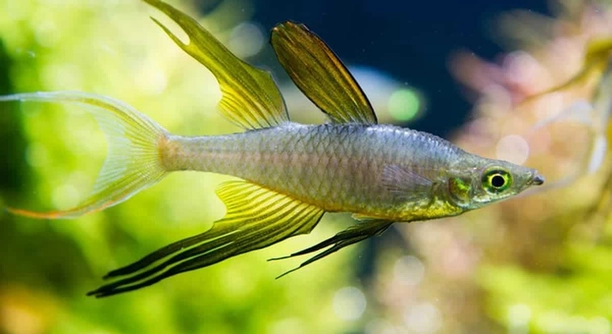
Threadfins are fascinating fish, often admired for their sleek bodies and graceful swimming. Observing them in aquariums or natural habitats reveals intriguing behaviors that hint at complex cognitive abilities, including interactions with their environment and reflections.
Research indicates that threadfins can gradually recognize their own reflection over time. Through repeated exposure, they learn to distinguish between their reflection and other fish, showing decreased aggressive or investigative behavior as recognition develops, suggesting a level of self-awareness in these species.
Understanding these behaviors can offer insights into threadfins’ intelligence and social interactions, providing a closer look at how they perceive and respond to their surroundings.
Observing Threadfins with Mirrors
Watching threadfins interact with mirrors can be surprising. At first, they often treat the reflection as another fish, displaying curiosity or slight aggression. Over time, repeated exposure shows changes in their behavior. Some threadfins begin to approach the mirror calmly, sometimes even performing specific movements or gestures repeatedly while facing it. These actions suggest they are experimenting and learning. The changes are gradual, but noticeable. Researchers have found that the longer threadfins are exposed to their reflection, the more they show patterns indicating self-recognition rather than simple reaction to a perceived intruder. Their fins may twitch, they may swim in circles, or remain still while observing themselves. This behavior is different from interactions with other fish, indicating that they are processing the reflection differently. Such findings help us understand their intelligence and ability to adapt to new stimuli in their environment, providing clues about cognition in aquatic species.
Over time, threadfins can reduce aggressive responses and approach mirrors with more calm and investigative behaviors.
Repeated exposure to mirrors shows that threadfins gradually learn and adapt. Their responses evolve from reactive movements to more deliberate and varied behaviors. This pattern indicates an emerging self-awareness and the ability to distinguish their reflection from other fish, reflecting a cognitive complexity not immediately apparent in their everyday movements.
Behavioral Changes Over Time
Gradually, threadfins spend more time near mirrors without signs of stress or aggression.
Researchers observed that when threadfins are repeatedly exposed to mirrors, their initial curiosity and defensive behaviors often diminish. They begin to exhibit new actions, such as slow circling or pausing while facing their reflection, suggesting that they are recognizing and exploring themselves. Some fish develop unique behaviors, like slight fin movements or tilting their bodies, which are not directed at other fish but toward the reflection. These behaviors indicate learning and adaptation, showing a nuanced level of interaction with their environment. Over weeks, patterns of recognition become more consistent, with fish showing less interest in the reflection as a competitor and more as an object of observation. This gradual shift in behavior reveals that threadfins can remember and process previous encounters, a sign of memory and cognition. Understanding these interactions helps illuminate their social dynamics and sensory processing, contributing to broader knowledge of fish intelligence.
Factors Affecting Recognition
Environmental conditions can influence how threadfins respond to their reflection. Light levels, tank size, and the presence of other fish all play a role. Stress or distractions can slow recognition, while calm and consistent surroundings help them learn faster.
Threadfins are sensitive to their surroundings. In smaller tanks, reflections may appear exaggerated, which can confuse them initially. Bright lighting can highlight movements, increasing curiosity or agitation. If other fish are nearby, interactions may overshadow mirror observation, delaying recognition. Consistent conditions, minimal stress, and regular exposure improve their ability to identify themselves. Researchers note that these factors must be controlled to accurately study self-recognition in threadfins, as environmental variations can produce misleading behaviors that are not truly reflective of cognitive abilities.
Individual differences also affect recognition speed. Some threadfins are naturally more curious and learn quickly, while others are cautious and slower to adapt. Repeated, uninterrupted exposure allows most fish to gradually show clear signs of self-awareness. Patterns emerge, showing that recognition develops over weeks, and environmental stability accelerates the process.
Implications for Aquatic Research
Understanding mirror recognition in threadfins provides insight into fish cognition and social behavior. It highlights their learning ability and memory capacity, expanding knowledge of aquatic intelligence.
These findings emphasize that threadfins are capable of more complex behaviors than often assumed. Recognizing themselves suggests awareness beyond instinct, affecting how they interact with peers and their habitat. This understanding can influence aquarium design, environmental enrichment, and ethical treatment. Observing these behaviors informs research on communication, problem-solving, and adaptation in aquatic species, offering a broader perspective on fish intelligence and cognitive development.
Methods of Testing Recognition
Mirrors are commonly used to observe threadfins’ responses. Fish are introduced gradually, and behaviors are monitored for changes over time. Patterns of curiosity or calmness are recorded to track adaptation.
Consistency in exposure is essential. Daily or repeated sessions help researchers determine if responses are learned or instinctive.
Learning Patterns in Threadfins
Over time, threadfins show clear behavioral changes. Initial reactions often include agitation or frequent fin movements. With repeated exposure, aggression decreases and exploratory behaviors increase. Fish may circle slowly, hover, or adjust their orientation to observe themselves more closely. These behaviors suggest learning and memory. Gradually, threadfins show signs of recognizing the reflection, spending more time in calm observation rather than reacting defensively. Researchers note that the pace of adaptation varies, with some individuals responding more quickly than others. Understanding these learning patterns helps illustrate the cognitive abilities of threadfins and their capacity for self-recognition.
Observational Notes
Careful note-taking is crucial. Subtle changes can indicate early recognition or hesitation.
FAQ
Can all threadfins recognize their reflection?
Not all threadfins show clear signs of self-recognition. Some adapt quickly, showing calm observation and unique behaviors near mirrors. Others remain reactive or indifferent for extended periods. Individual temperament, age, and prior experience with reflective surfaces all influence how quickly and accurately they respond.
How long does it take for a threadfin to recognize its reflection?
The process varies widely. Some threadfins begin showing signs of recognition within a few days of repeated exposure, while others may take weeks. Gradual adaptation is typical. Consistent, calm conditions accelerate learning, while stress, distractions, or frequent environmental changes can slow progress.
Do threadfins behave differently with mirrors compared to other fish?
Yes. When facing other fish, threadfins often show aggression, dominance, or avoidance. With mirrors, their behaviors shift over time toward curiosity, calm observation, and self-directed movements. These differences suggest they perceive reflections differently than they perceive other fish.
Are there specific behaviors that indicate recognition?
Certain behaviors suggest self-awareness. Fish may circle slowly, hover in place, or adjust their body orientation to observe themselves. Repeated fin movements, pauses, or deliberate positioning near mirrors often signal adaptation rather than random reaction to movement.
Does tank size affect recognition?
Tank size can influence how threadfins perceive their reflection. In small tanks, reflections may appear exaggerated, causing initial confusion or agitation. Larger, stable tanks provide a consistent environment that helps fish learn and adapt more predictably. Environmental stability plays a significant role in cognitive responses.
Can environmental changes disrupt recognition?
Yes. Sudden changes in lighting, the presence of other fish, or stress factors can temporarily reverse progress. Fish may return to reactive behaviors until they re-adapt. Maintaining consistent exposure and minimizing disturbances is essential to support recognition development.
Is recognition permanent once achieved?
Recognition appears to be maintained with continued exposure. If mirrors are removed for extended periods, fish may need time to re-familiarize themselves, but previous learning often helps them adapt more quickly than initially. Memory and repeated experience support sustained recognition.
Do younger threadfins learn faster than older ones?
Younger threadfins often show quicker adaptation due to curiosity and exploratory behavior. Older fish may take longer but can still achieve recognition with consistent exposure. Individual personality traits often have a stronger effect than age alone.
How does recognition benefit threadfins?
Self-recognition may support social interactions and reduce unnecessary aggression toward reflections. It can also indicate cognitive flexibility, memory, and learning ability, offering insight into broader behaviors and environmental adaptation.
Are mirrors the only way to test self-recognition?
Mirrors are the most common method, but other reflective surfaces or controlled visual stimuli can also be used. Consistency and careful observation remain crucial for accurately identifying recognition behaviors.
Can threadfins teach researchers about other species?
Yes. Observing recognition in threadfins contributes to understanding cognitive abilities across fish species. It highlights learning, memory, and adaptive behaviors, offering comparative insights into intelligence and environmental awareness in aquatic life.
What should I watch for if I keep threadfins at home?
Gradual changes in behavior, increased calm near reflections, or repeated movements indicate adaptation. Sudden aggression or avoidance may suggest stress, environmental instability, or unfamiliar reflections. Observing these subtle cues helps you understand your fish’s learning and cognitive patterns.
Is self-recognition linked to intelligence in threadfins?
Recognition provides evidence of learning, memory, and behavioral flexibility, which are key indicators of cognitive ability. While it does not measure intelligence directly, it shows the capacity for processing information, adapting behaviors, and distinguishing self from others.
Do threadfins react the same way to humans as they do to mirrors?
Interactions with humans are different. Fish may approach, avoid, or display curiosity, but these responses are influenced by familiarity, feeding, and environmental factors. Mirror recognition is a more specific measure of self-awareness rather than social interaction.
Can multiple threadfins recognize themselves simultaneously?
Yes, but group dynamics affect behavior. Dominant individuals may influence others’ reactions, and some fish may be distracted by peers rather than focusing on their reflection. Controlled, individual exposure provides the clearest understanding of recognition patterns.
Does repeated mirror exposure have long-term effects?
Repeated, calm exposure generally supports recognition and reduces stress associated with reflections. However, inconsistent or overly frequent exposure can cause agitation or fatigue. Balancing exposure with stable conditions ensures positive outcomes and accurate observation.
How do researchers record and measure recognition?
Researchers note behaviors such as circling, pausing, fin movements, and time spent near mirrors. Patterns over multiple sessions are analyzed to distinguish learned recognition from instinctive or reactive behaviors. Video recording and detailed logs help provide consistent data for study.
Are there ethical considerations in testing threadfins?
Yes. Maintaining appropriate tank conditions, minimizing stress, and avoiding overexposure are essential. Ethical research ensures fish welfare while studying behavior, supporting both scientific and humane practices.
Can recognition in threadfins influence aquarium care practices?
Understanding recognition can guide enrichment, tank design, and social arrangements. Providing stable environments and reflective opportunities may support natural behavior and cognitive engagement, improving overall fish well-being and observational accuracy.
Do threadfins show recognition in natural habitats?
Observing natural self-recognition is challenging. Reflections are less common outside controlled settings, but their capacity to adapt and learn from repeated exposure suggests they could process similar visual cues in the wild, indicating flexible cognitive abilities.
What future research could explore?
Future studies could investigate memory retention, the effect of social hierarchies on recognition, and comparisons across related species. Understanding the limits and variations in self-recognition can provide deeper insight into fish cognition, learning, and adaptation strategies.
Final Thoughts
Threadfins demonstrate surprising levels of adaptability and learning when exposed to their reflections. Observing them over time reveals patterns that suggest more than instinctive reactions. Initially, their responses are often aggressive or curious, as if another fish has entered their space. These early behaviors are natural, reflecting how they interact with unfamiliar stimuli. As days and weeks pass, many threadfins begin to modify their behavior. They become calmer near mirrors, hover in place, or make deliberate movements that appear self-directed. This gradual shift highlights the ability of threadfins to learn from repeated experiences and adjust their actions accordingly.
The variation in response among individual threadfins is also noteworthy. Some fish adapt quickly, showing clear signs of recognition within a few days, while others take longer. Factors such as temperament, age, and environmental conditions influence how fast they learn. Stable conditions, consistent exposure, and minimal stress accelerate the adaptation process, while sudden changes, distractions, or the presence of other fish can slow it down. These observations show that cognitive development in threadfins is not uniform, but can be guided through careful management of their surroundings. It also emphasizes the importance of individual differences in behavior and learning capacity.
Understanding mirror recognition in threadfins provides a window into their cognitive abilities and social behavior. The fact that they can distinguish between their reflection and other fish demonstrates memory, learning, and self-awareness. These findings have implications for how we maintain aquariums, design enrichment opportunities, and consider fish welfare. Observing their behavior carefully allows us to better understand their needs, improve their environment, and provide stimulation that encourages natural behaviors. Studying threadfins’ interaction with reflections not only sheds light on their intelligence but also challenges assumptions about the complexity of fish cognition. Over time, this knowledge helps create better conditions for threadfins and contributes to broader insights into aquatic species and their behavior.

Hello,
If you enjoy the content that we create, please consider saying a "Thank You!" by leaving a tip.
Every little bit helps us continue crafting quality advice that supports the health, happiness, and well-being of pets around the world, for pets of all shapes, sizes, and species.
We really appreciate the kindness and support that you show us!