
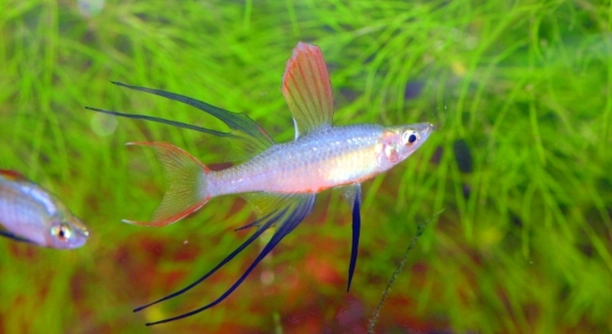
Do you ever bring home a new Threadfin Rainbowfish and wonder how long it will take to feel comfortable in its tank? These colorful fish are sensitive to changes in their environment, making their adjustment period important to understand.
Threadfin Rainbowfish typically take between one and two weeks to fully acclimate to a new aquarium. Factors such as tank size, water conditions, and stress levels influence the settling process, and maintaining a stable environment promotes faster adaptation.
Knowing how to create a calm, supportive environment will help your rainbowfish feel secure and healthy in their new home.
Preparing the Tank
Setting up the tank properly before introducing Threadfin Rainbowfish is essential for their well-being. Make sure the aquarium is fully cycled, with stable temperature and pH levels that match their natural habitat. A 20-gallon tank or larger is recommended, providing enough swimming space. Adding live plants and hiding spots reduces stress and gives the fish places to explore and feel secure. Filtration should be gentle, avoiding strong currents that can overwhelm them, and regular water changes help maintain clean conditions. Light should be consistent but not too intense, as sudden brightness may frighten them. Before introducing the fish, check that all equipment is functioning properly, and test water parameters to ensure a healthy start. Acclimating the fish slowly to the new water conditions is key. Using a drip acclimation method over an hour or two allows the fish to adjust gradually, reducing the risk of shock.
Proper preparation of the tank prevents health issues and helps the fish settle faster.
Investing time in the tank setup will pay off. Threadfin Rainbowfish adapt more quickly when their environment is stable, well-planted, and stress-free. Providing proper space, hiding spots, and gentle filtration encourages natural behaviors. Consistent water quality and temperature minimize stress, while gradual acclimation ensures the fish feel secure and comfortable.
Introducing the Fish
Introduce Threadfin Rainbowfish slowly to avoid stress.
Start by floating the sealed bag in the tank for 15–20 minutes to equalize temperature. Gradually add small amounts of tank water to the bag over 30–45 minutes. This process helps them adjust to water chemistry differences. Avoid sudden movements or tapping the glass, as they can get startled easily. After acclimation, gently release the fish using a net instead of pouring the water, minimizing stress.
Once in the tank, observe their behavior closely for the first few hours. They may hide or swim hesitantly at first, which is normal. Ensure no aggressive tank mates are present, as this can delay settling. Feed small portions of high-quality food to encourage activity and appetite. Over the next few days, monitor water parameters and remove uneaten food to maintain clean conditions. Patience is essential; forcing interaction or overcrowding the tank can increase stress levels. Proper acclimation helps the fish explore their environment, establish territories, and develop natural swimming patterns. This careful approach ensures their health and a smoother adjustment period, setting the stage for long-term well-being.
Monitoring Behavior
Watch how Threadfin Rainbowfish interact with their new environment. Sudden darting or constant hiding can signal stress. Regular observation helps you identify any issues early. Look for normal swimming patterns, exploration, and social interaction with other fish.
Initial days are critical for assessing adaptation. Fish may stay near plants or decorations, avoiding open spaces. Appetite changes are common, but consistent feeding indicates growing comfort. Keep track of activity levels and note any unusual behavior, such as clamped fins or rapid gill movement. Adjust lighting, water flow, or tank decorations if necessary to reduce stress. Maintaining clean water and stable conditions supports healthy acclimation. Monitoring also helps catch early signs of illness or aggression, allowing prompt intervention before problems escalate.
Over time, consistent observation allows the fish to establish routines and adapt to tank mates. Once confident, they will swim openly, explore the full tank, and interact more freely. Gentle handling, minimal disturbance, and routine maintenance foster a stable environment. Behavioral monitoring ensures the fish thrive, maintain good health, and display natural colors, contributing to a balanced and peaceful aquarium setting.
Feeding and Nutrition
Provide small, frequent meals to support healthy growth. High-quality flake, pellet, and frozen foods meet their nutritional needs.
Threadfin Rainbowfish benefit from varied diets. Include live or frozen options such as brine shrimp and daphnia to encourage natural hunting behaviors. Feed two to three times daily in small portions, removing uneaten food promptly. Overfeeding can foul water and stress the fish, slowing adaptation. Balanced nutrition promotes coloration, energy, and immunity. Observing feeding patterns also indicates overall comfort; a healthy appetite shows they are settling in. Maintaining a consistent feeding routine helps establish normal behavior, ensuring they remain active and resilient during their adjustment period.
Tank Environment Adjustments
Adjust decorations and plants to create comfortable hiding spots. Fish feel safer with familiar structures and shaded areas in the tank.
Monitor water flow and temperature regularly. Gentle currents and stable temperatures encourage the fish to explore and reduce stress during the settling period.
Social Behavior
Threadfin Rainbowfish are social and do best in small groups. Observe interactions to ensure no bullying occurs.
Providing enough space and compatible tank mates helps reduce stress. Aggression or constant chasing can indicate overcrowding or unsuitable companions. Maintaining a balanced group promotes natural schooling behavior and overall comfort.
Water Quality
Regular water testing is essential. Maintain pH, ammonia, nitrate, and nitrite levels within safe ranges to prevent stress.
Frequent partial water changes keep the tank clean. Stable water conditions support health, reduce disease risk, and help Threadfin Rainbowfish settle faster in their new environment.
FAQ
How long does it take for Threadfin Rainbowfish to fully settle in?
Threadfin Rainbowfish usually take about one to two weeks to adjust to a new tank. The process can vary depending on tank conditions, water quality, and stress levels. Providing hiding spots, gentle water flow, and consistent feeding helps them feel secure faster.
What signs show that my Threadfin Rainbowfish is stressed?
Stress can appear in several ways. Fish may hide constantly, swim erratically, or refuse food. Clamped fins, rapid gill movement, and pale coloration are also common indicators. Noticing these behaviors early allows you to make changes to the tank environment to reduce stress.
Should I feed them immediately after introducing them to the tank?
It’s better to wait a few hours to observe their behavior. Start with small portions of high-quality food once they seem comfortable and start exploring. Overfeeding or forcing them to eat too soon can increase stress and affect water quality.
Can Threadfin Rainbowfish live alone?
They are social fish and thrive in groups of at least five. Keeping a single fish can lead to stress, reduced activity, and a lack of natural schooling behavior. A small group ensures comfort, encourages natural behavior, and helps them feel secure in the tank.
What water conditions are ideal for settling in?
Maintain a temperature between 24–28°C (75–82°F) and a pH of 6.5–7.5. Ammonia and nitrite should always be zero, and nitrates kept low. Stable, clean water reduces stress and helps the fish adapt more quickly to the new environment.
Do hiding spots really make a difference?
Yes, hiding spots are essential. Live plants, rocks, and decorations give them a sense of security and places to retreat when feeling threatened. This reduces stress and encourages exploration once they feel safe. Avoid overcrowding the tank to ensure enough space for everyone.
How do I know if they are ready to explore the whole tank?
When the fish swim openly, interact with tank mates, and eat regularly, they are likely settled. They will start showing natural behaviors, exploring decorations, and forming territories without hesitation or excessive hiding. This usually happens within the first two weeks.
Is water change important during the settling period?
Yes, but avoid large sudden changes. Small, frequent water changes maintain water quality without shocking the fish. Remove uneaten food and debris, and check parameters regularly to ensure a stable environment for faster adjustment.
Can they be stressed by tank mates?
Aggressive or overly active tank mates can increase stress. Avoid housing them with large, aggressive species. Peaceful, compatible fish allow Threadfin Rainbowfish to settle comfortably and maintain normal behavior and coloration.
How do I encourage them to eat during the settling period?
Offer small portions of high-quality flake, pellet, or frozen foods. Including live options like brine shrimp encourages natural hunting behavior. Feed several small meals rather than one large portion to avoid water quality issues and ensure they gradually get comfortable eating.
What is the role of lighting in their adjustment?
Consistent, moderate lighting helps them establish a daily routine. Sudden bright light may cause hiding and stress. Dimmed lights or shaded areas make the environment feel secure, encouraging exploration once they feel settled.
Can I handle them during the settling period?
Minimize handling. Physical stress or sudden movements can delay acclimation and increase vulnerability to disease. Only handle when necessary, such as during tank maintenance or health checks, and always do so gently.
How can I tell if they are happy in the tank?
Signs of a comfortable Threadfin Rainbowfish include active swimming, schooling with tank mates, bright coloration, and consistent feeding. When they explore decorations and interact naturally, it indicates they have adapted well to their new home.
Are there special tips for first-time owners?
Take time to prepare the tank properly. Monitor water quality daily, provide hiding spots, and keep a close eye on behavior. Patience is key. Avoid rushing feeding or rearranging the tank, and ensure a calm, stable environment for the fish to adjust naturally.
How does temperature affect their settling period?
Stable temperatures reduce stress and encourage activity. Sudden changes or fluctuations can cause hiding, reduced appetite, and slower adjustment. Use a reliable heater and thermometer to maintain consistent warmth in the tank during the first weeks.
Do they need a quarantine period before being added to the main tank?
Yes, quarantining new fish for two weeks helps prevent introducing disease. Observe behavior, appetite, and overall health during this period. Only introduce healthy, active fish into the main tank to ensure smooth acclimation and protect existing inhabitants.
Can water flow speed affect their adjustment?
Yes, strong currents can stress Threadfin Rainbowfish. Gentle filtration mimics natural conditions, allowing them to explore comfortably. Adjusting flow helps them feel secure and prevents fatigue, contributing to a faster and smoother settling period.
Are there any signs that indicate illness during acclimation?
Watch for faded color, clamped fins, abnormal swimming, or lethargy. Persistent loss of appetite or rapid gill movement may indicate illness. Early detection allows intervention before serious problems develop, ensuring the fish remain healthy while adapting.
How often should I check on them during the first week?
Observe several times daily but avoid constant disturbance. Check swimming behavior, feeding response, and interactions with tank mates. Regular monitoring helps identify stress or water quality issues early, supporting a smoother adjustment period.
Can they adapt faster with smaller groups or larger tanks?
Larger tanks with adequate hiding spaces generally support faster adaptation, as fish can establish territories and explore freely. Small groups reduce social stress, allowing them to feel secure while interacting naturally. Balance group size and tank space for optimal settling conditions.
What are common mistakes that slow settling?
Frequent handling, sudden water changes, overfeeding, bright lighting, and aggressive tank mates are common issues. Maintaining stable water conditions, gentle acclimation, and minimizing stress encourages faster adaptation and healthier behavior.
Do seasonal changes affect their adjustment?
Temperature fluctuations or changes in daylight patterns can affect activity and feeding. Consistent water temperature and lighting schedules help maintain normal behavior and support a steady settling process, even with seasonal variations.
Is it normal for them to hide for the first few days?
Yes, hiding is a natural response to a new environment. As they gain confidence and feel secure, they will gradually explore open areas and swim more freely throughout the tank.
Threadfin Rainbowfish can bring beauty and activity to any home aquarium, but their adjustment period requires patience and attention. These fish are naturally sensitive to changes in their environment, which means the first days in a new tank are critical. By providing stable water conditions, gentle filtration, and appropriate hiding spaces, you give them the foundation they need to feel safe. Observing their behavior during this time helps you notice signs of stress or discomfort early, allowing small adjustments that make a big difference. Simple actions, like monitoring temperature, testing water regularly, and avoiding sudden movements around the tank, help create a calm atmosphere where the fish can gradually explore and become comfortable.
A carefully prepared tank also supports their social behavior. Threadfin Rainbowfish are schooling fish, so keeping them in small groups encourages natural interaction and reduces stress. They thrive when they have companions to swim with and sufficient space to establish territories. Introducing them slowly and making sure all fish are compatible prevents aggression and helps each individual settle faster. Providing a balanced diet with varied foods, including flakes, pellets, and occasional live or frozen options, promotes energy, healthy coloration, and overall well-being. Feeding small portions multiple times a day allows the fish to adjust to their new environment without overloading the tank or affecting water quality. Consistency in care and routine maintenance ensures they gain confidence and feel secure, which ultimately leads to stronger, healthier fish that display their full natural beauty.
Finally, patience is essential when helping Threadfin Rainbowfish settle in. Each fish adapts at its own pace, and rushing the process can cause unnecessary stress. Monitoring behavior, maintaining clean water, and providing a calm environment are all key steps in ensuring a smooth adjustment. Over time, you will notice the fish exploring open areas, interacting with tank mates, and swimming confidently throughout the aquarium. These signs indicate that they have successfully acclimated and are comfortable in their new home. Investing attention and care during the initial weeks pays off in long-term health, happiness, and vitality for your Threadfin Rainbowfish. Taking the time to understand their needs and respond thoughtfully helps create a balanced, peaceful tank where both the fish and the caretaker can enjoy the experience of watching these colorful, active fish thrive.

Hello,
If you enjoy the content that we create, please consider saying a "Thank You!" by leaving a tip.
Every little bit helps us continue crafting quality advice that supports the health, happiness, and well-being of pets around the world, for pets of all shapes, sizes, and species.
We really appreciate the kindness and support that you show us!