
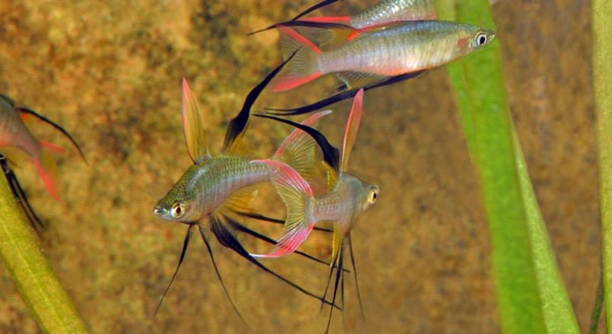
Threadfin Rainbowfish are vibrant and active additions to any freshwater aquarium. Their health and well-being rely heavily on proper feeding. Observing subtle changes in behavior and appearance can reveal whether these fish are receiving enough nutrition.
Signs of underfeeding in Threadfin Rainbowfish include a noticeable loss of weight, faded coloration, lethargy, and slower swimming patterns. Additionally, these fish may exhibit reduced appetite and weakened immune responses, all of which indicate insufficient nutritional intake over time.
Monitoring your fish closely ensures they thrive. Recognizing early signs of underfeeding allows you to take timely steps to maintain their health.
Changes in Body Shape
When Threadfin Rainbowfish are underfed, their body shape can change noticeably. A healthy fish should appear full-bodied and symmetrical, but an underfed fish may develop a sunken abdomen. Over time, the head might appear slightly larger in proportion to the body because the midsection loses mass. These changes are subtle at first but become more evident with continued inadequate feeding. Watching your fish swim can also provide clues. Thin, elongated bodies can make swimming less efficient, causing the fish to lag behind others in the tank. Regular observation is key, especially during feeding times, when these differences become more noticeable. Feeding smaller portions more frequently can help correct minor issues before they worsen. Ensuring a balanced diet rich in proteins and nutrients supports proper growth and prevents physical deterioration. Paying attention to body shape can save a lot of stress later.
Body shape changes often appear before other health issues become visible, making early detection vital.
Tracking your fish’s proportions consistently helps identify underfeeding before it impacts their overall health. Adjusting feeding schedules can reverse early effects and restore vitality.
Reduced Color Intensity
Underfed Threadfin Rainbowfish often show duller coloration compared to their usual bright hues.
Loss of vibrant colors occurs because insufficient nutrition prevents proper pigment formation. Without the necessary vitamins and proteins, their scales can appear faded, reducing the visual appeal of the fish. Over time, this fading can signal more serious health problems if not addressed. Maintaining a diet that includes high-quality flake or pellet food, supplemented with live or frozen foods, can restore natural coloration. Feeding multiple small portions throughout the day ensures they receive adequate nutrients without overfeeding. Tank conditions also influence color; poor water quality can exacerbate fading. Observing your fish daily allows you to notice gradual changes in their appearance. Color changes may occur alongside slower swimming and reduced activity, reinforcing signs of underfeeding. Immediate adjustments to feeding routines and water quality can improve their vibrancy. A consistent care routine benefits both their physical and visual health, ensuring they remain active and lively in the aquarium environment.
Lethargic Behavior
Underfed Threadfin Rainbowfish often become noticeably less active. Their usual quick movements slow down, and they may hover near the bottom or middle of the tank instead of exploring.
Reduced energy is a direct result of inadequate calorie intake. These fish need consistent nutrition to maintain their swimming stamina and overall activity. When food is scarce, they conserve energy by limiting movement, which can make them seem uninterested in their surroundings. Lethargy can also make them more vulnerable to stress or disease, as they lack the energy to react quickly. Observing feeding times can reveal this behavior: an underfed fish may approach food slowly or ignore it altogether. Providing small, frequent meals can help restore normal activity levels, encouraging swimming and interaction with other fish. Properly balanced nutrition supports not only energy but also immune function, helping them remain lively and responsive in the aquarium.
Persistent lethargy may indicate prolonged underfeeding or other underlying health issues. Adjusting diet gradually can help regain their vitality and ensure consistent energy levels over time.
Loss of Appetite
Threadfin Rainbowfish may show a decreased interest in food when underfed over time.
A reduced appetite often appears after prolonged insufficient feeding. Fish may approach food but hesitate to eat or nibble only slightly before swimming away. This behavior can worsen if their bodies become weak or stressed due to lack of nutrients. Sometimes, environmental factors such as water quality or tankmates can influence appetite, but consistent underfeeding is the most common reason. Gradually increasing portion sizes while maintaining high-quality food helps stimulate feeding behavior. Supplementing with live or frozen foods can also encourage eating by appealing to natural instincts. Careful monitoring ensures each fish receives adequate nutrition without overfeeding.
Restoring appetite requires patience. Small, frequent feedings, combined with a variety of foods, gradually bring back normal eating patterns. Observing individual preferences and adjusting accordingly improves overall nutrition and prevents further health decline.
Clamped Fins
Underfed Threadfin Rainbowfish may keep their fins close to their bodies instead of spreading them naturally. This behavior is a subtle sign of stress and weakness caused by inadequate nutrition.
Clamped fins reduce energy expenditure, allowing the fish to conserve strength. Observing fin position during swimming can help identify underfed individuals early.
Slow Growth
Insufficient feeding directly impacts the growth rate of Threadfin Rainbowfish. Young fish may remain smaller than expected, while adults may lose mass gradually. Slow growth indicates that the fish are not receiving enough protein and essential nutrients to maintain proper development. Over time, this can affect their overall health and lifespan. Regular monitoring of size compared to tankmates helps track growth. Adjusting feeding routines with nutrient-rich foods encourages proper growth. Balanced diets including high-quality flakes, pellets, and occasional live or frozen foods ensure that nutritional needs are met consistently, supporting healthy body development and vigor.
Hollow Abdomen
A hollow or sunken abdomen is a clear sign of underfeeding. It shows that the fish’s body lacks sufficient fat and muscle.
FAQ
How often should I feed my Threadfin Rainbowfish?
Threadfin Rainbowfish should be fed small portions two to three times a day. Younger fish require more frequent feedings due to their higher metabolism and growth needs. Overfeeding can lead to water quality issues, so it’s important to provide just enough food that they can finish within a few minutes. Observing how much they eat at each feeding helps you adjust the portion size. A mix of high-quality flakes or pellets, along with occasional live or frozen foods, ensures balanced nutrition. Consistency in feeding schedules helps maintain their energy levels, coloration, and overall health.
What foods are best for preventing underfeeding?
A balanced diet is essential. High-quality flake or pellet foods provide necessary proteins, vitamins, and minerals. Supplementing with live foods like brine shrimp or daphnia and frozen options like bloodworms adds variety and improves appetite. Avoid feeding only one type of food, as it can lead to deficiencies and reduce overall health. Rotating foods ensures that your fish receive a wide range of nutrients, which supports growth, coloration, and energy levels. Paying attention to the fish’s preferences helps maintain interest in meals and encourages consistent eating habits.
Can underfeeding cause long-term health problems?
Yes, prolonged underfeeding can lead to weakened immune systems, slower growth, and susceptibility to disease. Fish with nutritional deficiencies may develop poor coloration, fin deformities, or stunted bodies. Early detection of underfeeding signs allows corrective action before serious problems develop. Even after restoring proper feeding, some effects, such as slower growth, may take time to reverse. Providing a nutrient-rich diet and observing daily behavior helps prevent long-term health issues. Consistent monitoring and care ensure that your fish remain strong, vibrant, and active, reducing the likelihood of chronic problems caused by underfeeding.
How do I know if my fish are underfed or stressed?
Observing behavior and physical appearance is key. Underfed fish often show hollow abdomens, clamped fins, faded colors, slow swimming, and reduced appetite. Stress from tank conditions or aggressive tankmates can show similar signs. Monitoring feeding behavior closely helps distinguish between underfeeding and environmental stress. Adjusting diet or improving tank conditions typically resolves the issues. Maintaining clean water, proper tank mates, and a balanced diet ensures that physical and behavioral changes are due to nutrition rather than other stressors.
Is it possible to overfeed Threadfin Rainbowfish?
Yes, overfeeding is a common mistake. Excess food can pollute the tank, leading to poor water quality and health problems. Fish may also develop obesity or swim bladder issues. Feeding small portions that are consumed within a few minutes is ideal. Removing uneaten food promptly prevents waste accumulation. A consistent schedule with controlled portions encourages healthy growth and activity without overfeeding. By balancing quantity and quality, you maintain both water quality and fish health. Observing how quickly your fish finish meals helps prevent overfeeding while ensuring they receive enough nutrients.
What are the first signs of underfeeding to look for?
Early signs include slower swimming, reduced interest in food, clamped fins, and faded colors. Young fish may show slower growth, while adults can develop a slightly hollow abdomen. Observing these changes early allows you to adjust feeding routines before serious health issues occur. Recording daily behavior and physical appearance helps detect subtle changes. Feeding smaller portions more frequently and providing varied foods can reverse early effects. Regular observation ensures your fish maintain their energy, appearance, and overall vitality, making early detection crucial for proper care.
Can environmental factors affect feeding?
Yes, poor water quality, inappropriate temperature, or aggressive tankmates can reduce appetite. Even well-fed fish may appear underfed if tank conditions are stressful. Maintaining clean water, proper temperature, and peaceful tankmates encourages consistent feeding and reduces stress-related health problems. Observing behavior during feeding can indicate whether reduced appetite is due to nutrition or environmental stressors. Adjusting both diet and tank conditions is often necessary to restore normal eating patterns. Healthy environments support digestion, energy levels, and overall well-being, making it easier to prevent underfeeding issues.
How quickly can I reverse underfeeding effects?
Improvement depends on the duration and severity of underfeeding. Mild cases may show recovery within days of proper feeding, while prolonged underfeeding can take weeks for full restoration of body mass, coloration, and energy. Gradually increasing portion sizes and providing a variety of nutrient-rich foods supports recovery. Monitoring behavior and physical appearance daily ensures progress. Consistency in diet and feeding schedule is critical. Supplementing with high-protein foods can accelerate recovery, but changes should be gradual to avoid digestive stress. Patience and careful observation lead to healthier, more active fish over time.
What role does water quality play in feeding?
Poor water quality reduces appetite and absorption of nutrients. Even a well-fed fish can appear underfed if ammonia, nitrite, or nitrate levels are high. Regular water changes and filtration maintain a clean, stable environment, ensuring that feeding translates into proper nutrition. Tank conditions also affect energy levels and coloration. Maintaining optimal water parameters supports digestion, immune function, and overall health. Clean water encourages active swimming and feeding behavior. Monitoring water quality alongside diet ensures that signs of underfeeding are not mistaken for stress caused by environmental issues.
Are live or frozen foods necessary for Threadfin Rainbowfish?
While high-quality flakes or pellets can meet nutritional needs, live or frozen foods provide variety, stimulate natural hunting instincts, and enhance coloration. Brine shrimp, daphnia, and bloodworms are excellent supplements. Incorporating these foods a few times a week ensures balanced nutrition and encourages appetite. Variety prevents boredom, supports growth, and improves energy levels. Observing how your fish respond to these foods can guide adjustments in feeding routines. Balanced inclusion of live, frozen, and prepared foods strengthens overall health, vitality, and visual appeal, making them a valuable addition to regular feeding schedules.
Final Thoughts
Proper feeding is essential for the health and well-being of Threadfin Rainbowfish. These fish are naturally active and vibrant, but their physical condition and behavior reflect their nutritional intake. Underfeeding can cause subtle signs at first, such as a slightly hollow abdomen, clamped fins, or dull coloration. If ignored, these signs can develop into more serious health problems, including slow growth, weakened immunity, and long-term stress. Observing your fish closely on a daily basis is the most effective way to detect these changes early. Small adjustments to feeding routines, combined with a balanced diet, can prevent most issues and help maintain the overall health of your fish. Paying attention to portion sizes and feeding frequency ensures that they receive adequate nutrition without overfeeding, which can also create problems in a closed tank environment. A careful and consistent approach to feeding establishes a foundation for long-term care and vitality.
Monitoring both behavior and physical appearance provides insight into whether your Threadfin Rainbowfish are getting the right amount of food. Changes in swimming activity, appetite, and body shape often appear before more severe health problems. Slow swimming, reduced interest in food, and faded coloration are indicators that adjustments are needed. Feeding small, nutrient-rich portions multiple times a day can address these issues gradually. Additionally, incorporating variety into the diet, such as live or frozen foods alongside flakes or pellets, can stimulate natural feeding instincts and ensure essential vitamins and minerals are supplied. Maintaining a clean and stable tank environment supports digestion, energy levels, and overall well-being, helping your fish respond positively to proper nutrition. By combining careful observation with consistent feeding practices, you can support both the short-term health and long-term vitality of your Threadfin Rainbowfish.
Feeding is not just about giving food but about understanding the needs of your fish and providing what will keep them strong and vibrant. Even minor adjustments in portion size or food type can produce noticeable improvements in energy, coloration, and activity levels. Recognizing the early signs of underfeeding allows you to intervene before health problems worsen, making prevention much easier than correction. Maintaining a structured feeding schedule, monitoring water quality, and providing a variety of nutritious foods ensures your fish remain healthy, active, and visually striking. Proper care involves patience and attention, but the results are evident in their behavior and appearance. Threadfin Rainbowfish are rewarding to keep when their needs are met consistently, and thoughtful feeding practices are the cornerstone of their overall health and happiness.

Hello,
If you enjoy the content that we create, please consider saying a "Thank You!" by leaving a tip.
Every little bit helps us continue crafting quality advice that supports the health, happiness, and well-being of pets around the world, for pets of all shapes, sizes, and species.
We really appreciate the kindness and support that you show us!