
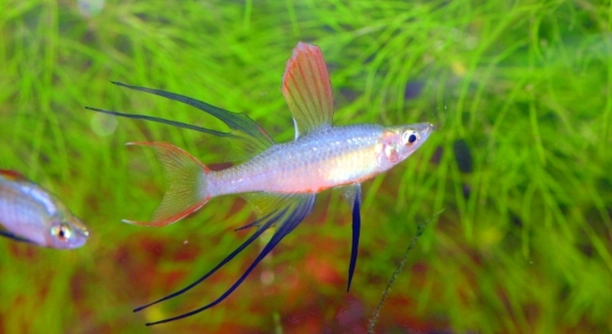
Have you ever noticed how threadfins seem to move differently under unusual lighting? These fish often inhabit coastal waters where light conditions change quickly. Observing their reactions can reveal interesting behaviors that help them survive in their environment.
Threadfins respond to unusual light patterns by altering their swimming direction, speed, and group cohesion. Light intensity and angle can trigger subtle changes in behavior, indicating that these fish rely on visual cues for navigation and predator avoidance.
Understanding these reactions provides insights into their natural habits and environmental needs. Observing threadfins under varied lighting conditions can reveal patterns that are not immediately obvious.
Light Sensitivity in Threadfins
Threadfins are highly sensitive to changes in light. In shallow coastal waters, sunlight shifts constantly, and threadfins adjust quickly to these fluctuations. Their eyes can detect differences in intensity and angle, which helps them avoid predators and locate food. Sudden flashes or unusual light patterns often cause the fish to change swimming direction or speed. Even small variations in underwater light can influence their schooling behavior. Observing them under controlled light conditions shows that they react more strongly to moving shadows or reflective surfaces. Their response is not random; it is a careful balance between protection and exploration. By paying attention to how threadfins respond to bright or dim light, researchers can understand more about their survival strategies. This sensitivity may also explain why threadfins avoid certain areas during specific times of day. Studying these reactions gives insights into their natural behaviors and how environmental changes affect their daily routines.
Light sensitivity affects both individual movement and group coordination. Unusual light patterns can cause sudden, synchronized shifts in schools.
Threadfins’ reliance on visual cues shows their adaptability. By reacting to light, they manage feeding, avoiding threats, and maintaining cohesion. Their eyes are finely tuned to detect even slight changes in intensity. When light patterns are inconsistent, threadfins may hesitate or change direction abruptly. These reactions suggest an innate awareness of safety, guiding their behavior in unfamiliar conditions. Light changes can also influence their feeding times and the areas they choose to explore. Studying these behaviors helps predict how threadfins respond to environmental shifts, like murky waters or reflections. Understanding their visual sensitivity is key for conservation efforts and for maintaining healthy populations in coastal habitats.
Behavior Changes During Light Disturbances
Sudden light changes trigger noticeable behavior adjustments in threadfins. Their movements become faster and more coordinated.
When unusual light patterns appear, threadfins adjust quickly to minimize risk. They may increase swimming speed, tighten their school formation, or change depth to avoid exposure. These behaviors are consistent across different environments, indicating that light is a primary factor influencing their movement. In experimental studies, threadfins exposed to flashing lights often pause briefly before resuming coordinated swimming. Their reactions are not purely defensive; they use these cues to navigate and search for food safely. Light also affects how threadfins interact with other species nearby. In areas with reflective surfaces or changing water clarity, they rely on these visual signals to stay together and avoid obstacles. Understanding these behavior changes provides valuable insights for managing fisheries and coastal ecosystems, ensuring threadfins can maintain natural routines despite environmental changes. Observing these patterns also helps researchers design better habitats in captivity, supporting both survival and natural behavior expression.
Reaction to Artificial Lighting
Threadfins react quickly to artificial lights, often showing hesitation or sudden changes in direction. Bright or flashing lights can disrupt normal schooling and feeding patterns, making them more cautious in illuminated areas.
Artificial lighting can confuse threadfins because it differs from natural underwater light patterns. Their eyes are adapted to gradual changes in sunlight, so sudden, strong lights may cause temporary disorientation. In aquaculture or near docks, threadfins may avoid areas with constant artificial illumination, affecting their feeding efficiency and group cohesion. Over time, repeated exposure can lead to stress, changing their swimming speed or depth. These reactions highlight the importance of considering lighting in coastal management and aquaculture practices, as unnatural light sources can unintentionally alter natural behaviors and habitat use.
Behavior under artificial lights is often a combination of avoidance and adaptation. Some threadfins eventually adjust to consistent lighting, but unpredictable flashes cause repeated disruptions. The balance between stress response and acclimation depends on intensity, duration, and angle of the light. Observations suggest that long-term exposure may influence where threadfins choose to feed and rest. Artificial lighting can also affect predator-prey interactions, as disrupted schools are more vulnerable. Understanding these responses helps manage coastal lighting and fish behavior, ensuring threadfins maintain natural routines and health in areas influenced by human activity.
Interaction with Other Fish Species
Unusual light patterns change how threadfins interact with nearby fish. Their schooling may tighten or loosen depending on perceived threat levels.
When light shifts unexpectedly, threadfins often become more cautious around other species. They may maintain greater distance or alter swimming speed to match neighbors’ reactions. These adjustments are especially noticeable when predator species are nearby. The reactions also influence feeding behavior, as threadfins prioritize safety over foraging in unpredictable light. Group dynamics can change quickly, with schools splitting or merging depending on visibility and intensity of the light. Over time, repeated exposure may encourage threadfins to avoid certain areas, indirectly affecting local fish populations.
Light disturbances also affect competition and cooperation with other fish. Threadfins may yield territory or feeding spots to more confident species when visibility is altered. Unusual lighting can mask subtle movements, making coordinated hunting or evasion more difficult. Conversely, some species rely on the same cues and may synchronize with threadfins under specific conditions. This interplay affects overall ecosystem balance, as changes in schooling, spacing, or activity ripple through the local environment. Monitoring these interactions under artificial or fluctuating light provides insight into both threadfin behavior and broader ecological effects, offering guidance for habitat management and conservation efforts.
Schooling Adjustments
Threadfins often tighten their schools when unusual light appears. Closer formations help them feel safer and reduce individual exposure to potential threats.
Changes in light can also cause schools to split temporarily. Some fish move to shaded areas while others stay in brighter zones, creating shifting patterns in group cohesion.
Feeding Behavior
Threadfins modify their feeding habits in response to unusual light. Bright or flashing light can make them more cautious, causing delays in approaching food. They often wait for stable lighting before resuming normal feeding, showing that visual cues are crucial for timing and safety during foraging.
Habitat Preference
Unusual light patterns influence where threadfins choose to stay. They tend to prefer shaded or consistent-light areas, avoiding zones with sudden or extreme lighting changes.
FAQ
How do threadfins react to sudden flashes of light?
Threadfins usually respond to sudden flashes by pausing or changing direction quickly. Their schools may tighten or split briefly depending on how many fish are affected. This reaction is primarily defensive, as sudden bright light can signal a potential predator or unfamiliar object.
Do all threadfins respond the same way to unusual light patterns?
Responses vary slightly depending on age, size, and prior exposure to similar light conditions. Younger or less experienced threadfins often show stronger reactions, while older fish may adjust faster or continue swimming with minor changes. Individual sensitivity influences group behavior.
Can unusual light patterns disrupt feeding?
Yes, threadfins often delay or reduce feeding when light is inconsistent or bright. They wait for stable conditions before resuming normal foraging. This cautious behavior helps them avoid predators that might exploit sudden visibility changes.
Do threadfins adapt to constant artificial lighting?
Threadfins can acclimate to constant artificial light over time. However, unpredictable flashes or changes continue to trigger defensive responses. Long-term exposure to stable artificial lighting may change their activity patterns, including feeding times and preferred swimming zones.
How does unusual light affect schooling behavior?
Schools tighten or split depending on light intensity and angle. Threadfins move closer together when exposed to sudden bright light to reduce individual vulnerability. In shaded or consistent light areas, schools relax, showing that light patterns directly influence group cohesion.
Are threadfins more active in low light or bright conditions?
Threadfins tend to be more active in moderate light. Extremely bright or rapidly changing light causes hesitation, while low, stable light allows for smoother swimming and feeding. Their visual sensitivity helps them balance safety with normal activity.
Do unusual light patterns impact interactions with other fish?
Yes, threadfins often adjust spacing and movement when other species are nearby. They may yield territory, avoid competition, or synchronize movements with similar species to maintain safety. Light fluctuations can alter these dynamics, affecting feeding and predator avoidance.
Can artificial light affect their long-term health?
Repeated exposure to inconsistent artificial light may cause stress, impacting growth, feeding efficiency, and schooling behavior. Consistent, stable lighting is less disruptive, while fluctuating lights increase energy use and cautious behavior, indirectly affecting health and well-being.
Why do threadfins avoid certain brightly lit areas?
Bright or flashing areas are perceived as risky. Threadfins prefer shaded or consistently lit zones where they can predict movement and potential threats. Avoiding extreme light conditions is a natural survival strategy.
How can observing threadfins help in conservation?
Studying their response to light provides insight into habitat needs, feeding habits, and predator avoidance strategies. By understanding their sensitivity to light, coastal management and aquaculture practices can be adjusted to support natural behaviors and reduce stress.
Do threadfins change depth in response to light?
Yes, they often move deeper or into shaded areas when light becomes too bright or unpredictable. Depth changes help regulate exposure, maintain school cohesion, and reduce vulnerability to predators.
Is there a difference between natural and artificial light responses?
Natural light changes gradually, allowing threadfins to adjust smoothly. Artificial light, especially flashing or inconsistent sources, triggers stronger, sometimes erratic responses. Their behavior reflects an innate reliance on visual cues adapted to natural conditions.
How quickly do threadfins recover from light disturbances?
Recovery depends on light intensity, duration, and prior experience. Some fish resume normal schooling and feeding within seconds, while others take longer to feel safe. Repeated disturbances can extend recovery time and influence long-term activity patterns.
Can unusual light patterns affect mating behavior?
Light plays a role in timing and location of mating. Sudden or inconsistent lighting may delay spawning or disrupt courtship displays. Threadfins rely on predictable light cues to coordinate reproductive behaviors, ensuring safety and synchronization within the group.
What practical steps can reduce stress from artificial lighting?
Providing consistent lighting, minimizing sudden flashes, and creating shaded zones helps threadfins maintain normal behavior. Coastal planners and aquaculture managers can use this knowledge to design environments that reduce unnecessary stress and support natural routines.
How do researchers study threadfin responses to light?
Researchers use controlled experiments with adjustable lighting, observing changes in swimming, schooling, and feeding. Video recordings and motion tracking allow precise measurement of reactions, helping understand the nuances of visual sensitivity and environmental adaptation.
Do threadfins communicate visually during light changes?
Yes, subtle body movements and positioning within the school convey information about perceived threats. Light patterns influence the clarity and speed of these visual signals, affecting coordination and collective decision-making.
Are certain threadfin species more sensitive to light than others?
Sensitivity can vary by species and habitat. Coastal species exposed to fluctuating sunlight are often more adept at adjusting, while species from consistently shaded or deeper waters may react more strongly to unusual light patterns.
How important is light for overall threadfin behavior?
Light is a key factor in feeding, schooling, predator avoidance, and habitat selection. Threadfins rely on visual cues to navigate their environment, making their behavior closely linked to changes in light conditions.
Can studying light responses help in aquarium care?
Yes, understanding how threadfins react to light helps design tanks with appropriate illumination. Stable, non-flashing light supports feeding, schooling, and stress reduction, promoting healthier fish in captivity.
Do threadfins react differently to underwater reflections?
Reflections can mimic sudden light changes or movement, causing brief hesitation or avoidance. Fish may misinterpret reflections as threats, temporarily altering swimming direction or school cohesion, showing how sensitive they are to visual cues.
How does time of day affect light sensitivity?
Threadfins are more active in moderate light, such as early morning or late afternoon. Midday brightness or artificial lighting can heighten caution and reduce feeding, influencing daily activity rhythms and interactions with other species.
Can unusual light affect predator-prey interactions?
Yes, sudden light changes can make threadfins more vulnerable or cautious. Predators may exploit erratic movement or disrupted schools, while threadfins rely on predictable visual cues to evade threats. Light directly impacts survival strategies in their habitat.
Are threadfins’ eyes specially adapted for detecting light changes?
Yes, their eyes are sensitive to intensity and angle, allowing quick reactions to sudden or subtle shifts. This adaptation supports navigation, feeding, predator avoidance, and school coordination in dynamic underwater environments.
How long does it take for threadfins to adjust to new lighting conditions?
Adjustment varies by individual and consistency of light. Some adapt within minutes, while others require repeated exposure. Gradual or predictable changes result in faster acclimation, reducing stress and maintaining normal behavior patterns.
Does unusual light affect migration or movement patterns?
Light influences movement within habitats, including depth preference and school location. Sudden or inconsistent light can cause temporary avoidance of certain areas, indirectly affecting migration routes or local distribution within coastal ecosystems.
Are there long-term effects of constant artificial light exposure?
Prolonged exposure may increase stress, reduce feeding efficiency, and alter schooling behavior. Threadfins may shift habitat preference or activity patterns, emphasizing the need for careful lighting management in both natural and controlled environments.
Can threadfins differentiate between natural and artificial light?
Yes, their reactions suggest they detect differences in intensity, angle, and consistency. Natural light changes gradually, allowing smoother adjustments, while artificial light often produces abrupt or unpredictable responses, influencing behavior more strongly.
How does light influence social hierarchy in schools?
Light affects positioning within schools. Fish more sensitive to light may stay near the center, while confident individuals occupy outer positions. Changes in lighting can temporarily alter these roles, affecting coordination, safety, and access to food.
Do threadfins rely more on vision than other senses for detecting threats?
Visual cues are primary for detecting sudden changes and coordinating group movement. While other senses like lateral line detection play a role, light and visual input are crucial for immediate reactions to environmental changes.
Can unusual light patterns affect juvenile threadfins differently than adults?
Juveniles are often more sensitive, showing stronger avoidance and tighter schooling. Adults usually adjust faster, relying on experience to interpret cues. Sensitivity differences impact group cohesion, feeding efficiency, and survival strategies.
How can monitoring threadfin light responses inform habitat protection?
Observing reactions helps identify preferred light conditions and avoid stressful artificial lighting. It informs coastal management, aquaculture design, and conservation strategies, ensuring environments support natural behaviors and reduce risk from human-induced light changes.
Do threadfins show any long-term behavioral changes from repeated light disturbances?
Yes, repeated exposure can alter schooling, feeding times, and depth preference. Fish may become more cautious or shift habitats, demonstrating adaptive responses to recurring light disturbances while maintaining survival strategies.
Can unusual light patterns influence predator avoidance strategies?
Light affects vigilance and school tightness. Sudden or inconsistent light increases alertness, changes swimming patterns, and can temporarily disrupt coordinated escape responses, highlighting the role of visual cues in predator avoidance.
Are there seasonal differences in light sensitivity?
Seasonal light changes can alter daily routines, feeding, and schooling. Threadfins may adjust activity periods or habitat use according to natural light cycles, showing flexibility in response to environmental variation.
How do researchers replicate unusual light patterns for study?
Experiments use controlled lighting setups with varying intensity, angle, and duration. Flashing, dimming, and directional light simulate natural or artificial disturbances, allowing precise observation of threadfin reactions and behavior changes.
Do threadfins rely on group behavior to interpret light disturbances?
Yes, individuals often follow the movement of nearby fish when light changes. Group responses enhance safety, allowing fish to react collectively to perceived threats or unusual visual cues.
Can unusual light affect breeding grounds or spawning behavior?
Yes, light influences timing and location of reproductive activity. Sudden or inconsistent light may delay courtship or disrupt spawning, as threadfins rely on predictable cues to synchronize reproductive behavior within the group.
Do environmental factors like water clarity interact with light effects?
Yes, clear water amplifies light intensity and patterns, while murky water diffuses them. Threadfins adjust behavior based on combined effects, showing sensitivity to both light and environmental conditions for survival and schooling.
Can unusual light patterns affect migration or local movements?
Yes, fish may avoid areas with unpredictable or bright lighting, influencing short-range movements and seasonal patterns. Such adjustments help maintain safety and access to preferred habitats while avoiding stress-inducing conditions.
Are threadfins’ reactions to light instinctual or learned?
Responses are primarily instinctual but can be refined by experience. Repeated exposure allows adaptation, while sudden changes elicit immediate, hardwired reactions critical for survival and group cohesion.
How do artificial lights near docks or aquaculture sites affect threadfins?
They can disrupt schooling, feeding, and predator avoidance. Fish may avoid illuminated areas or adjust depth, showing that human-made light sources influence natural behaviors, emphasizing the need for careful lighting management in coastal zones.
Do threadfins show signs of stress from unusual light?
Yes, erratic swimming, hesitation, and tighter schooling are common indicators. Chronic exposure to unpredictable lighting can lead to elevated stress levels, reduced feeding, and long-term behavioral changes affecting health.
Are there differences in light sensitivity between coastal and deeper-water threadfins?
Coastal threadfins are often more adapted to fluctuating sunlight and may adjust more quickly. Deeper-water species are more sensitive to sudden light changes, reflecting evolutionary adaptation to their typical habitats.
Can monitoring light responses help in fisheries management?
Yes, understanding threadfin behavior under different lighting informs sustainable practices, reduces stress in aquaculture, and ensures habitats remain suitable for natural feeding, schooling, and reproduction patterns.
How do threadfins recover after artificial light exposure?
Recovery depends on intensity, duration, and consistency. Fish may resume normal schooling and feeding quickly under stable conditions, but repeated or unpredictable exposure can lengthen recovery time and affect behavior long-term.
Are threadfins’ eyes more sensitive to certain colors of light?
While overall sensitivity is high, some studies suggest variations in reaction depending on light wavelength. Bright or contrasting colors may trigger stronger avoidance or schooling adjustments.
Do threadfins react differently at night or under moonlight?
Nighttime or low-light conditions reduce visual input, slowing reactions. They rely more on lateral line detection and subtle cues, showing that light level directly influences swimming patterns, schooling, and feeding behavior.
Can unusual light patterns influence energy expenditure?
Yes, sudden reactions, increased swimming, or tighter schooling require more energy. Repeated disturbances may reduce efficiency in feeding and growth, showing how light indirectly affects health and behavior.
How important is light consistency for threadfin well-being?
Stable, predictable light allows normal behavior, feeding, and schooling. Sudden changes increase stress and disruption, emphasizing the importance of considering light patterns in habitat management and aquaculture design.
Do threadfins communicate warnings visually during light disturbances?
Yes, positioning, movement speed, and body orientation convey alerts to other fish. Light patterns can enhance or obscure these signals, affecting coordination and safety within the school.
Are juvenile threadfins more affected by artificial lighting than adults?
Juveniles typically show stronger avoidance and tighter schooling. Adults often adjust faster, indicating that experience and size influence sensitivity and behavioral response to light disturbances.
Can unusual light patterns affect predator-prey dynamics?
Yes, disrupted schooling or hesitation can make threadfins more vulnerable. Predators may exploit visual confusion, showing that light indirectly shapes interactions within the ecosystem.
Do threadfins return to normal behavior immediately after light stabilizes?
Responses vary by intensity and duration. Minor disturbances allow quick resumption of feeding and schooling, while extreme or repeated light changes can prolong cautious behavior.
How does artificial lighting affect depth selection?
Threadfins often move deeper under bright or fluctuating lights to avoid exposure. Depth adjustments maintain safety, support schooling, and reduce stress in areas with strong artificial illumination.
Can repeated light exposure create long-term behavioral adaptation?
Yes, consistent exposure allows threadfins to adjust swimming patterns, feeding times, and school dynamics. Adaptation reduces stress while maintaining safety, though erratic light still triggers instinctive responses.
Do threadfins react to shadows or reflections as light disturbances?
Yes, moving shadows or reflections can trigger brief avoidance or hesitation. These cues are interpreted similarly to sudden light, showing their high visual sensitivity and reliance on environmental cues.
Can unusual light impact reproductive success?
Light affects timing, location, and coordination of spawning. Unpredictable patterns may reduce successful mating events, delay courtship, or disrupt synchronization, highlighting the role of stable light in reproduction.
Are threadfins more reactive in groups or individually?
They rely heavily on group cues. Schools respond collectively to unusual light, enhancing safety. Individual reactions alone are less effective, showing the importance of social behavior in environmental adaptation.
Does water clarity amplify or reduce light effects?
Clear water intensifies light changes, increasing visibility and reaction strength. Murky water diffuses light, reducing abrupt responses and sometimes allowing smoother adaptation to changes in intensity or angle.
Can unusual light patterns affect migration timing?
Yes, fish may delay or alter movement in response to sudden brightness or reflections. These changes ensure safety and access to preferred habitats while minimizing exposure to risky light conditions.
How do threadfins prioritize safety over feeding during light changes?
They often wait for stable lighting before resuming foraging. Safety takes precedence, with temporary delays in feeding or movement showing an instinctive balance between risk and survival.
Are there differences in light sensitivity between males and females?
Studies suggest minor differences, mainly related to reproductive behavior. Females may be more cautious during spawning periods, while males may maintain activity if necessary for courtship.
Can unusual light influence social hierarchy long-term?
Persistent disturbances may shift roles within schools. Sensitive individuals may remain central for protection, while confident fish occupy outer positions, affecting coordination and access to resources.
Do threadfins ever ignore unusual light patterns?
Some individuals habituate to predictable changes, showing minimal reaction. However, unexpected or extreme light continues to trigger instinctive responses, ensuring safety and coordination.
Can monitoring threadfin reactions to light predict environmental changes?
Yes, heightened sensitivity or altered behavior may indicate changes in water clarity, human activity, or artificial lighting, helping researchers anticipate environmental impacts on local fish populations.
Do threadfins rely more on vision than smell in light disturbances?
Visual cues are primary for detecting sudden changes and coordinating movement. Smell plays a minor role, emphasizing the importance of light and visual perception in survival and schooling behavior.
How do seasonal light variations affect threadfin behavior?
Seasonal changes influence activity, feeding, and depth preference. Fish adjust routines based on light availability, balancing safety, energy expenditure, and group coordination throughout the year.
Can unusual light patterns affect juvenile growth rates?
Disruptions may increase stress or reduce feeding efficiency, indirectly influencing growth. Stable light supports regular activity, helping juveniles maintain normal development and health.
Do threadfins show long-term avoidance of brightly lit areas?
Yes, repeated exposure can create persistent avoidance patterns. Fish prefer stable or shaded zones, indicating adaptive behavior to reduce stress and maintain schooling cohesion.
Are there ways to mitigate artificial light effects in aquaculture?
Yes, using consistent, non-flashing lighting and providing shaded zones reduces stress. Gradual changes in illumination support feeding, schooling, and natural behavior, improving overall well-being and growth.
Can unusual light patterns affect predator hunting success?
Yes, disrupted schooling or hesitation can make threadfins more vulnerable, giving predators an advantage. Light indirectly shapes predator-prey interactions by influencing fish movement and coordination.
How quickly do threadfins acclimate to new lighting environments?
Acclimation varies by individual, age, and predictability of light. Gradual exposure allows faster adjustment, while sudden or irregular changes trigger instinctive reactions, affecting feeding and schooling behavior temporarily.
Do threadfins use peripheral vision to detect light changes?
Yes, wide visual coverage helps them detect sudden flashes or movements from different angles. Peripheral vision supports schooling cohesion and predator awareness in dynamic lighting conditions.
Can unusual light patterns impact their overall health?
Frequent exposure to inconsistent or bright light increases stress, disrupts feeding, and alters swimming behavior. Long-term effects may include reduced growth, weaker coordination, and higher vulnerability to predators.
Are threadfins’ reactions purely instinctual or learned over time?
Reactions are primarily instinctual for immediate safety, but repeated exposure allows some learning and adaptation. Fish may become less reactive to predictable light while maintaining sensitivity to sudden changes.
How important is light management in conservation areas?
Proper light management minimizes stress, supports natural behavior, and maintains healthy schooling, feeding, and reproductive patterns. Coastal and aquaculture projects benefit from monitoring and controlling light exposure to protect threadfins and related ecosystems.
Do threadfins react differently to directional versus diffused light?
Directional light often triggers sharper avoidance or schooling adjustments, while diffused light
Final Thoughts
Threadfins are fascinating fish with behaviors that are closely tied to their environment. One of the most noticeable influences on their behavior is light. They rely heavily on visual cues to navigate, feed, and stay safe from predators. Changes in light, whether natural or artificial, can alter their swimming patterns, schooling, and feeding habits. Sudden flashes or unusual patterns often make them cautious or trigger defensive movements. Observing these reactions gives insight into how sensitive they are to their surroundings. Their reliance on light shows that even small changes in the environment can have a significant effect on their daily routines. Understanding this sensitivity is essential for anyone studying or caring for threadfins, whether in natural habitats or controlled environments.
Their responses to light are not random. Threadfins adjust their speed, depth, and position in schools to maintain safety. When light is consistent, they can feed and swim freely, but inconsistent or bright lights often make them pause or move to shaded areas. These changes also affect how they interact with other fish, including potential predators or species they share their habitat with. By watching threadfins under different lighting conditions, researchers can learn about their survival strategies, group behavior, and even how they adapt to changing environments. This knowledge is valuable for designing aquaculture systems, managing coastal habitats, and minimizing human impact on natural behaviors. It also highlights the importance of considering environmental factors, such as light, when studying fish behavior. Threadfins demonstrate that small changes in their surroundings can influence larger patterns, including movement, feeding, and social interactions.
Maintaining proper light conditions is important for their overall health and well-being. Artificial lighting, such as at docks or aquaculture facilities, can disrupt their normal behavior if not managed carefully. Threadfins may avoid brightly lit areas, delay feeding, or alter their depth to reduce exposure, showing that even temporary light disturbances have noticeable effects. Over time, repeated exposure to artificial or unusual lighting can influence growth, stress levels, and long-term activity patterns. Providing consistent and stable light allows threadfins to maintain natural routines, feed efficiently, and interact normally within schools. By paying attention to their reactions and adjusting lighting accordingly, we can help protect their health, support their natural behavior, and ensure they thrive in both natural and controlled environments. Observing and respecting their sensitivity to light is key to understanding these fish more fully and preserving the delicate balance in their habitats.

Hello,
If you enjoy the content that we create, please consider saying a "Thank You!" by leaving a tip.
Every little bit helps us continue crafting quality advice that supports the health, happiness, and well-being of pets around the world, for pets of all shapes, sizes, and species.
We really appreciate the kindness and support that you show us!