
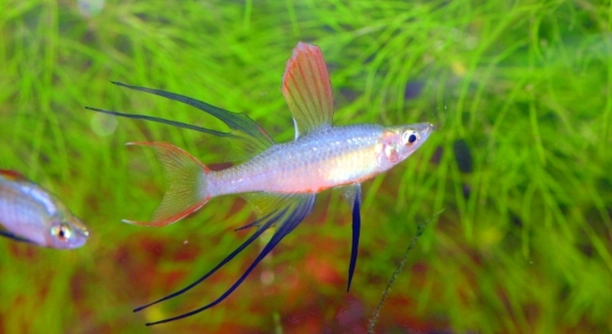
Keeping Threadfin Rainbowfish is appealing because of their vibrant colors and active swimming. These small fish are often admired for their peaceful nature and the way they brighten up any aquarium with their shimmering appearance.
Threadfin Rainbowfish can be kept in nano tanks if specific conditions are met. A minimum tank size of 10 gallons is recommended, with stable water parameters, regular maintenance, and proper filtration to ensure their health and longevity.
Understanding their unique needs will help you create a suitable environment. Careful planning ensures these fish thrive even in smaller, well-maintained tanks.
Ideal Tank Size for Threadfin Rainbowfish
Threadfin Rainbowfish are small, but they are active swimmers that need room to move freely. Even in a nano tank, providing a minimum of 10 gallons is essential to support their health. Crowding can stress them, making them more susceptible to disease and reducing their lifespan. Adding live plants and hiding spots can mimic a natural environment, giving them areas to explore and rest. Water flow should be gentle, as strong currents can tire them out quickly. Monitoring water quality is equally important; these fish are sensitive to changes in pH, temperature, and ammonia levels. Regular partial water changes help maintain a stable environment. Choosing the right tank shape also matters. A longer tank is better than a taller one because it allows horizontal swimming space. By balancing tank size, décor, and water conditions, you can create a suitable habitat for these colorful, lively fish.
A 10-gallon tank provides enough space for a small school of three to five Threadfin Rainbowfish.
Even in a nano setup, focus on stability. Overcrowding or neglecting water quality can quickly harm the fish. Thoughtful placement of plants and gentle filtration helps maintain their activity and reduces stress. Ensuring the right environment from the start prevents future problems and supports healthy growth.
Water Parameters and Maintenance
Maintaining stable water conditions is key to keeping Threadfin Rainbowfish healthy.
Threadfin Rainbowfish thrive in temperatures between 74°F and 82°F, with a pH of 6.5 to 7.5. Regular testing and adjustments prevent sudden changes that can stress or even kill them. Ammonia and nitrite should always remain at zero, and nitrates should be kept low. Consistent water changes of 20–30% weekly help remove waste and replenish minerals. Filtration must be gentle but effective, ensuring oxygenation without creating a strong current. Avoid overcrowding and overfeeding, as these can spike toxins. Lighting should support plant growth without overheating the tank. Using a substrate that allows beneficial bacteria to thrive also aids in maintaining water stability. Monitoring water hardness is helpful, as these fish prefer slightly soft to moderately hard water. By carefully controlling these factors, a nano tank can provide a secure and comfortable home for Threadfin Rainbowfish.
Keeping the water clean and balanced is more important than a larger tank. Consistency supports their coloration, activity, and overall health.
Regular monitoring, gentle filtration, and proper feeding schedules create a stable environment. Even small fluctuations in temperature or pH can lead to stress, illness, or reduced lifespan. Using live plants and a well-cycled substrate not only improves water quality but also provides hiding spaces, which reduce anxiety. Feeding a varied diet ensures optimal health, keeping the fish active and vibrant. In nano tanks, every detail counts, from lighting to decoration placement. By observing your fish daily, you can notice early signs of stress or disease, allowing quick intervention. Proper maintenance routines transform even a small tank into a thriving habitat, ensuring your Threadfin Rainbowfish remain colorful, energetic, and healthy for years.
Feeding Threadfin Rainbowfish
Threadfin Rainbowfish eat small flakes, pellets, and live foods. They need a varied diet to maintain color and health. Feed small amounts two to three times daily, ensuring nothing remains uneaten to prevent water issues.
A balanced diet is essential for their growth and vitality. High-quality flakes or micro pellets provide basic nutrition, while live or frozen foods such as brine shrimp, daphnia, and bloodworms supply protein and encourage natural hunting behaviors. Rotating foods prevents nutritional gaps and keeps the fish active and colorful. Overfeeding can pollute the tank, so offering portions they can consume in a few minutes is ideal. Observing their feeding habits ensures each fish gets enough food, especially in smaller tanks where competition can arise.
Feeding also supports their social interactions and swimming activity. Watching them chase live foods or explore the tank for treats shows natural behaviors. Over time, a varied diet improves their resilience, coloration, and overall appearance. Consistent feeding routines contribute to their long-term health and happiness, particularly in confined nano tanks.
Tank Mates for Nano Setups
Peaceful species are ideal companions for Threadfin Rainbowfish in small tanks. Avoid aggressive or large fish that may stress or harm them.
Small, community fish like neon tetras, rasboras, and dwarf gouramis coexist well, sharing similar water requirements. Avoid slow-moving or delicate species that may struggle to compete for food. Shrimp and snails can be added to help control algae and detritus while adding variety to the tank ecosystem. Each addition should be carefully considered to prevent overcrowding, which can compromise water quality and increase stress levels. Observing interactions is important, especially in confined nano tanks where space is limited.
Compatibility depends on behavior, size, and water preferences. Even peaceful species need adequate space and hiding spots to reduce tension. Dense plantings and decorations create zones that allow shy fish to retreat and reduce direct competition. Adding tank mates gradually gives fish time to adjust. Monitoring for signs of aggression or stress ensures a harmonious environment. Over time, carefully chosen companions enhance visual appeal and create a more dynamic, active nano tank while maintaining a healthy, balanced ecosystem for Threadfin Rainbowfish.
Lighting and Decorations
Threadfin Rainbowfish prefer moderate lighting that supports plant growth without stressing them. Avoid overly bright setups that can cause hiding or sluggish behavior.
Decorations should include live or artificial plants and small hiding spots. Open swimming areas are necessary for their active behavior, balancing cover with free space.
Breeding in Nano Tanks
Breeding Threadfin Rainbowfish in small tanks is possible with careful preparation. Maintain optimal water parameters and provide fine-leaved plants or spawning mops for egg-laying. Remove adults after eggs are laid to prevent predation. Fry require tiny live foods and gentle filtration to thrive in a confined environment.
Monitoring Health
Regular observation is crucial. Watch for changes in color, appetite, or swimming patterns, as these may indicate stress or illness.
FAQ
Can Threadfin Rainbowfish live in a 5-gallon tank?
A 5-gallon tank is too small for Threadfin Rainbowfish. These fish need space to swim actively, and overcrowding in tiny tanks leads to stress, poor health, and stunted growth. A minimum of 10 gallons is recommended to keep even a small school comfortable.
How many Threadfin Rainbowfish can I keep in a nano tank?
In a 10-gallon nano tank, three to five fish is ideal. This allows them to swim freely and reduces stress. More fish increase competition for food and can quickly degrade water quality, making it harder to maintain a healthy environment.
What water temperature is best for Threadfin Rainbowfish?
They thrive in temperatures between 74°F and 82°F. Stable temperatures are essential, as fluctuations can stress the fish and weaken their immune system. Using a reliable heater and thermometer helps maintain consistent conditions.
What pH and water hardness do they prefer?
A pH range of 6.5 to 7.5 is suitable, with slightly soft to moderately hard water. Regular testing ensures the water stays within these limits. Sudden changes in pH or hardness can cause illness or stress.
How often should I feed them?
Feed small amounts two to three times daily. Use high-quality flakes or micro pellets and supplement with live or frozen foods. Only provide what they can eat in a few minutes to avoid leftover food contaminating the water.
Can they live with other fish?
Yes, peaceful small species like neon tetras, rasboras, or dwarf gouramis make good tank mates. Avoid large or aggressive fish. Introduce new fish gradually and monitor interactions to ensure a peaceful community.
Do they need live plants?
Live plants are beneficial but not strictly necessary. They provide hiding spots, improve water quality, and create a more natural environment. Artificial plants can also work if live plants are not feasible.
How often should I change the water?
Partial water changes of 20–30% weekly are recommended. This helps remove waste, replenish minerals, and maintain stable water parameters. Over time, consistent water changes prevent disease and support healthy growth.
Can Threadfin Rainbowfish breed in a nano tank?
Yes, but success depends on careful preparation. Provide fine-leaved plants or spawning mops, and remove adults after eggs are laid. Fry need tiny live foods and gentle filtration to survive in small tanks. Breeding in confined spaces requires close monitoring.
What signs indicate stress or illness?
Look for faded color, loss of appetite, erratic swimming, or hiding. Rapid breathing or clamped fins also indicate stress. Early detection allows for timely intervention, such as adjusting water conditions or isolating affected fish to prevent disease spread.
Is filtration important in a nano tank?
Yes, gentle but effective filtration is essential. It maintains water quality, removes debris, and provides oxygenation without creating strong currents that could exhaust the fish. Proper filtration supports a stable environment even in a small tank.
How can I improve their colors?
A varied diet rich in protein, along with stable water conditions, enhances coloration. Live or frozen foods like brine shrimp or daphnia help intensify hues. Stress-free conditions also play a major role in keeping colors vibrant.
What substrate is best for a nano tank?
Fine gravel or sand works well. It allows beneficial bacteria to colonize, aiding in biological filtration. Avoid sharp substrates that could injure the fish, especially in small tanks where swimming space is limited.
Do they need strong lighting?
Moderate lighting is sufficient. Bright lighting can cause stress, while low light can affect plant growth if live plants are present. Balance lighting to support both the fish and any plants without overwhelming the tank.
How often should I monitor water parameters?
Weekly testing is ideal for pH, ammonia, nitrite, nitrate, and hardness. In small tanks, conditions can change quickly, so consistent monitoring prevents problems before they become serious. Early adjustments keep fish healthy and active.
Can they survive in a bare tank?
They can survive, but a bare tank limits hiding spaces and can increase stress. Including decorations, plants, or small shelters improves comfort, reduces stress, and encourages natural behavior, even in a compact nano tank.
Are they good for beginners?
Threadfin Rainbowfish can be kept by beginners if careful attention is given to water quality, diet, and tank size. Small tanks require diligent maintenance, but their peaceful nature and striking appearance make them rewarding for patient keepers.
Do they interact with each other?
Yes, they are social fish that swim in groups. Keeping at least three to five fish allows them to display natural schooling behavior, reducing stress and creating a lively, visually appealing aquarium.
What is the average lifespan in a nano tank?
With proper care, they live 4–6 years. Maintaining stable water conditions, providing a balanced diet, and preventing overcrowding are critical for longevity, even in smaller tanks where water quality can fluctuate quickly.
Can Threadfin Rainbowfish tolerate changes in temperature or pH?
They are sensitive to sudden changes. Gradual adjustments are necessary when modifying water parameters. Sudden shifts can cause stress, illness, or even death, especially in confined nano setups.
How do I prevent diseases?
Maintain clean water, avoid overfeeding, quarantine new fish, and monitor daily for signs of illness. Stress reduction through proper tank size, compatible tank mates, and stable conditions also helps prevent common diseases like ich or fin rot.
Are they prone to jumping?
Yes, they can jump. A secure lid is recommended to prevent escapes, particularly in smaller tanks where they may be startled by sudden movements or lights.
Can they live alone?
They are social and do best in groups. Keeping a single fish may lead to stress, decreased activity, and poor health. Even a small school improves behavior, coloration, and overall well-being.
Do they need a varied diet?
Yes, a mix of high-quality flakes, micro pellets, and occasional live or frozen foods supports optimal growth, color, and vitality. Monotonous feeding can reduce health and coloration over time.
What are common mistakes in nano tanks?
Overcrowding, irregular water changes, overfeeding, and neglecting water testing are frequent issues. Each can quickly degrade the tank environment, stressing fish and increasing disease risk. Careful planning and regular maintenance prevent these problems.
Is a heater necessary?
Yes, a stable heater maintains temperatures between 74°F and 82°F. Fluctuations can weaken immunity and reduce lifespan. Using a thermometer alongside a heater ensures consistent conditions.
Can I keep them with shrimp or snails?
Yes, small invertebrates usually coexist peacefully. They help clean the tank and add visual variety. Ensure the fish are not overly aggressive during feeding to protect delicate species.
How long does it take for them to adjust to a new tank?
Adjustment usually takes a few days to a week. During this period, monitor feeding, behavior, and water conditions closely. Gradual acclimation reduces stress and helps fish settle quickly.
Do they require frequent water changes in a nano tank?
Yes, smaller tanks accumulate waste faster, so weekly partial water changes of 20–30% are essential. This maintains stable water parameters and prevents stress or illness.
How do I handle sudden illness?
Isolate affected fish immediately and check water quality. Adjust parameters if needed and consider appropriate treatments. Quick action can prevent disease from spreading in a small nano tank.
What size of group is ideal in a nano tank?
Three to five fish provide social interaction without overcrowding. Smaller groups may show stress, while larger groups exceed the tank’s capacity, impacting water quality and health.
Can lighting affect their behavior?
Yes, overly bright lighting can cause hiding and stress. Moderate light supports activity and plant growth while keeping fish comfortable and healthy.
Are they suitable for planted nano tanks?
Yes, they thrive in planted setups. Plants provide hiding spots, improve water quality, and create a natural environment. Avoid overcrowding plants, as open swimming space is also necessary for their activity.
Do they need special supplements?
Not necessarily. A balanced diet and proper water conditions usually meet their nutritional needs. Occasional vitamin or mineral supplements can be used if deficiencies are suspected, but they are not required in a healthy, maintained tank.
Can they handle fluctuating light cycles?
Consistency is best. Sudden changes in light patterns can stress fish. Using a timer ensures predictable light and dark periods, supporting natural behavior and reducing anxiety.
What is the easiest way to acclimate them?
Float the bag in the tank for 15–20 minutes, gradually mix tank water, then release them gently. Slow acclimation prevents shock from temperature or pH differences and reduces stress.
Do they enjoy open swimming areas?
Yes, open spaces are essential for their active swimming and schooling behavior. Combining open areas with hiding spots creates a balanced tank environment that reduces stress and encourages natural activity.
Are they compatible with small livebearers?
Generally yes, species like guppies or endlers work well. Avoid aggressive livebearers that may harass or compete excessively for food. Observation is key to ensuring harmony.
How often should I trim plants in a nano tank?
Trimming depends on growth rate. Overgrown plants can limit swimming space, while healthy trimming maintains balance between cover and open areas. Careful pruning encourages plant health and keeps the tank manageable.
Do they prefer soft or hard water?
They tolerate slightly soft to moderately hard water. Sudden shifts in hardness should be avoided, as these fish are sensitive to water chemistry changes. Regular monitoring maintains stability.
What is the best way to prevent jumping?
A tight-fitting lid or mesh cover is essential. Jumping often occurs when the fish are startled or during feeding. Minimizing sudden movements and maintaining consistent light reduces the risk.
Can they live long in a small tank?
Yes, with careful maintenance. Stable water, proper diet, compatible tank mates, and a suitable environment support a lifespan of 4–6 years even in smaller setups.
Is schooling behavior important in nano tanks?
Yes, it reduces stress and promotes natural behavior. Small groups of three to five fish allow them to swim together, feel secure, and display more vibrant colors.
Do they need a filter with strong flow?
No, strong currents can exhaust them. Gentle, effective filtration provides oxygenation and removes waste without stressing the fish. Small nano filters work well if properly maintained.
How can I reduce stress in a nano tank?
Stable water parameters, moderate lighting, proper group size, gentle filtration, and hiding spots all reduce stress. Avoid overcrowding, sudden changes, and aggressive tank mates to maintain a calm environment.
Can they tolerate low temperatures?
No, temperatures below 74°F cause stress and increase disease risk. A stable heater ensures consistent warmth suitable for their metabolism and immune system.
Do they need frequent health checks?
Yes, daily observation helps catch early signs of illness. Look for changes in color, appetite, or behavior. Early intervention prevents minor issues from becoming serious problems.
Are they sensitive to chemicals in tap water?
Yes, chlorine or chloramine in tap water is harmful. Always treat water with a dechlorinator before adding it to the tank. This ensures safe conditions for the fish and their environment.
How important is tank location?
Location affects stress levels. Avoid high-traffic areas or direct sunlight that can cause temperature fluctuations. A stable, quiet spot helps maintain a consistent environment for active swimming and schooling behavior.
Can they live with small catfish?
Yes, peaceful species like corydoras usually coexist well. Avoid large or aggressive bottom dwellers that may compete for food or disturb the Rainbowfish.
Do they require special lighting for coloration?
Moderate lighting enhances their natural colors. Overly bright or dim light can reduce vibrancy. Balanced light supports both plant growth and visual appeal of the fish.
How quickly do they adjust to new tank mates?
Adjustment can take days to a week. Gradual introduction and observation help reduce stress and ensure peaceful cohabitation. Proper acclimation prevents aggression and competition.
Is feeding live foods necessary?
Not necessary, but live foods improve nutrition and encourage natural hunting behavior. Supplementing flakes or pellets with live or frozen foods keeps them active and colorful.
Can Threadfin Rainbowfish tolerate fluctuations in tank size?
They prefer consistent conditions. Moving them between tanks frequently can stress them and affect health. Planning the tank size before purchase is important for long-term stability.
Do they need aeration in a nano tank?
Yes, gentle aeration improves oxygen levels. Avoid strong bubbles or currents that could exhaust them. Proper aeration supports active swimming and overall health.
Are they prone to fin damage?
Occasionally, if tank decorations are sharp or aggressive tank mates are present. Smooth décor and compatible companions reduce the risk of injury.
How important is tank cycling before adding them?
Essential. A fully cycled tank prevents toxic ammonia and nitrite spikes. Small nano tanks are sensitive, so ensuring a stable environment is critical before introducing fish.
Do they prefer planted or bare tanks?
They do better in planted tanks with open swimming areas. Plants provide hiding spots, reduce stress, and support water quality. Bare tanks can work, but enrichment improves health and behavior.
How do I prevent algae growth in a nano tank?
Moderate lighting, regular water changes, and careful feeding reduce algae. Live plants compete for nutrients and help maintain a clean, balanced environment. Avoid overexposure to light or excess nutrients.
Are they active during the day or night?
They are diurnal, most active during daylight hours. Proper lighting schedules help maintain natural activity patterns, support feeding routines, and reduce stress.
Can they tolerate low oxygen levels?
No, low oxygen can stress or kill them. Gentle filtration and aeration maintain adequate oxygen, especially in small nano tanks where dissolved oxygen can drop quickly.
Do they require quarantine when introducing new fish?
Yes, quarantining prevents disease introduction. A separate tank for new fish allows monitoring and treatment if needed before adding them to the main nano tank.
How long can they go without food?
Adult fish can survive a few days, but regular feeding supports health, growth, and coloration. Long periods without food increase stress and weaken immunity.
Are they suitable for community tanks?
Yes, with compatible, peaceful species. Overcrowding or aggressive tank mates should be avoided to maintain harmony and prevent stress or injury.
Do they benefit from supplements in the water?
Occasionally, trace minerals or vitamins can be used if deficiencies appear. Proper diet and water quality are usually sufficient for their nutritional needs.
What is the ideal school size for behavior?
Three to five fish allow natural schooling, reduce stress, and promote activity. Smaller groups may show timid behavior, while larger groups exceed space in a nano tank.
Can they adapt to different water hardness?
Gradual changes are tolerated, but sudden shifts in hardness can stress them. Slightly soft to moderately hard water is preferred. Regular monitoring ensures stability.
**How do I maintain stable pH?
Final Thoughts
Caring for Threadfin Rainbowfish can be very rewarding, but it takes attention and patience. They are active, colorful fish that bring life to any tank. Keeping them healthy means focusing on water quality, tank size, and diet. Even though they are small, they need space to swim, and a cramped tank can lead to stress and illness. Regular maintenance, like water changes and monitoring parameters, is essential. Over time, this care becomes routine, and it is satisfying to see the fish thrive and display natural behaviors.
Choosing the right environment is key. A tank with gentle filtration, moderate lighting, and hiding spots will make them feel secure. Plants, either live or artificial, help create a balanced habitat. They also benefit from companionship, so keeping at least three to five fish together is important for social interaction. Mixing them with peaceful tank mates works well, but it’s best to avoid aggressive species. Providing a varied diet, including flakes, pellets, and occasional live or frozen foods, keeps their colors vibrant and supports overall health. Paying attention to these details prevents many common problems in nano or small tanks.
Patience is important when raising Threadfin Rainbowfish. They may take time to adjust to new tanks or tank mates, but gradual acclimation helps them settle. Watching their schooling behavior and noticing their interactions can be rewarding. They are not overly difficult if proper care is followed, but neglect or sudden changes can affect them quickly. With consistent attention, they can live for several years, offering both visual appeal and a sense of accomplishment. Caring for them teaches observation, routine, and dedication, and the effort shows in their activity, color, and natural behavior over time.
Word count: 405

Hello,
If you enjoy the content that we create, please consider saying a "Thank You!" by leaving a tip.
Every little bit helps us continue crafting quality advice that supports the health, happiness, and well-being of pets around the world, for pets of all shapes, sizes, and species.
We really appreciate the kindness and support that you show us!