
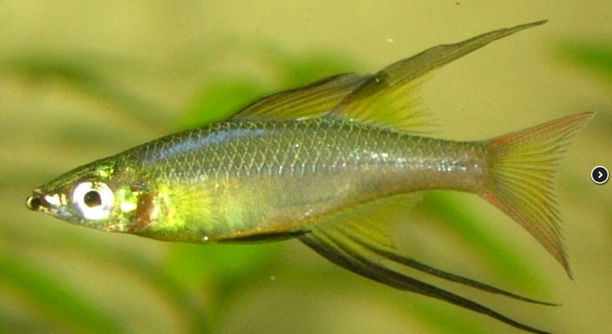
Do you ever watch fish gliding effortlessly through water and notice patterns that seem almost deliberate? Threadfins, with their slender bodies and silvery scales, sometimes move in a figure-eight, a motion that draws quiet fascination.
Threadfins may swim in a figure-eight pattern to optimize foraging efficiency and maneuverability. This motion allows them to cover a wider area while conserving energy, maintain spatial awareness, and respond effectively to predators or shifting environmental conditions.
Observing these unique movements offers insight into their behavior and survival strategies. Understanding why threadfins adopt such patterns reveals much about aquatic life dynamics.
How Threadfins Navigate Their Environment
Threadfins move through water with remarkable precision, using subtle fin movements to maintain balance and direction. Their figure-eight swimming pattern helps them scan their surroundings efficiently while keeping energy use low. This motion allows them to detect prey, avoid obstacles, and respond quickly to predators. It is particularly useful in shallow coastal waters, where currents and underwater structures create a complex environment. By alternating body bends and fin strokes, threadfins can cover more space without tiring, giving them an advantage when searching for food. Scientists have observed that this swimming style also improves coordination within schools, allowing multiple fish to move harmoniously while avoiding collisions. Additionally, the figure-eight pattern seems to enhance sensory input, giving threadfins a better sense of water movement and vibrations. This combination of efficiency, agility, and awareness makes the pattern a valuable adaptation. Watching these movements in action highlights the connection between form, function, and survival in aquatic species.
This swimming pattern allows threadfins to conserve energy while remaining alert to both prey and predators, optimizing daily activity.
Understanding threadfins’ movement reveals more than survival strategies. Their figure-eight pattern is a balance of muscle control, environmental interaction, and instinctive behavior. Each twist of their bodies responds to subtle changes in current and pressure. By swimming this way, they maintain schooling formations that reduce risk from predators. The motion also maximizes visual coverage, giving them a clear view of potential prey across a wider area than linear swimming would allow. Researchers have studied this behavior to better understand predator-prey dynamics, habitat use, and feeding efficiency. The figure-eight pattern is not just a physical trait but a behavioral adaptation shaped by evolution. Observing threadfins in natural conditions demonstrates how minor adjustments in swimming style can provide significant advantages, helping them thrive in diverse aquatic settings. These insights are valuable for marine biologists and anyone interested in fish behavior and aquatic ecosystem health.
Reasons Behind the Figure-Eight Pattern
The figure-eight pattern increases maneuverability and environmental awareness, providing threadfins with distinct survival advantages.
By adopting this motion, threadfins improve foraging efficiency and predator avoidance. The pattern allows them to revisit areas with potential prey, track movements more accurately, and respond swiftly to environmental changes. Additionally, it supports schooling cohesion, enabling multiple fish to move together without disrupting group dynamics. Studies suggest the pattern reduces fatigue during prolonged swimming, as the alternation of muscle groups prevents strain. This swimming style also enhances sensory input, giving threadfins a heightened perception of water currents, vibrations, and nearby organisms. Over time, this behavior may have become instinctive, ingrained through evolution to maximize the species’ chances of survival. Observing this motion offers insight into the balance between physical capability and instinctive decision-making in aquatic species. The figure-eight is an elegant solution to the challenges of feeding, navigating, and avoiding danger in a fluid, ever-changing environment.
Energy Efficiency in Figure-Eight Swimming
Threadfins use the figure-eight pattern to save energy while swimming. Alternating fin strokes and body bends distribute muscular effort, reducing fatigue during extended movement periods and allowing them to maintain speed without overexertion.
This swimming style minimizes energy expenditure by coordinating body and fin movements. Each loop in the figure-eight engages different muscle groups, preventing overuse of a single set. This allows threadfins to cover greater distances while searching for food or avoiding predators without tiring quickly. Energy conservation is critical for survival, especially in habitats with fluctuating food availability or strong currents.
Energy efficiency also supports schooling behavior. When multiple threadfins swim together, the figure-eight motion reduces turbulence for neighboring fish, helping the group move smoothly. Efficient swimming means they can remain active for longer periods, improving foraging success and predator awareness. The pattern is an evolutionary adaptation, blending physical capability with environmental demands, demonstrating how behavior and anatomy work together to optimize survival in aquatic settings.
Sensory Benefits of the Figure-Eight Pattern
The figure-eight motion enhances threadfins’ perception of their surroundings. Water vibrations and changes in current are detected more accurately as they swim in this pattern.
This motion allows threadfins to detect subtle movements in the water, signaling prey, predators, or obstacles. Each turn and loop exposes different sensory areas of the body, improving overall spatial awareness. The pattern helps them assess environmental conditions, such as current direction and water temperature, which influence foraging and migration. By swimming in a predictable yet dynamic path, threadfins can gather maximum information while remaining agile and responsive to threats.
Enhanced sensory input also improves social interactions within schools. Fish swimming together can maintain optimal spacing and coordination, avoiding collisions while tracking one another. The figure-eight pattern promotes synchronized movement, making group navigation smoother and more efficient. Additionally, it helps threadfins anticipate predator behavior and adjust swimming paths in real time. Over time, this behavior has likely evolved to balance environmental awareness, energy efficiency, and social cohesion, ensuring survival in complex aquatic habitats.
Adaptation to Predators
The figure-eight pattern helps threadfins avoid predators by making their movements less predictable. Sudden changes in direction create confusion, giving them more time to escape threats.
This swimming style also allows threadfins to monitor surrounding areas continuously. They can detect approaching predators early and adjust their path accordingly, increasing survival chances.
Impact on Foraging
Swimming in a figure-eight lets threadfins search larger areas efficiently. They can revisit spots with higher prey density without wasting energy on random movement. This method ensures better access to food while maintaining awareness of environmental changes.
Schooling Coordination
The figure-eight motion supports group cohesion. Threadfins can maintain spacing, move in harmony, and reduce collision risks while navigating together.
FAQ
Why do threadfins swim in a figure-eight pattern?
Threadfins swim in a figure-eight pattern to maximize energy efficiency and improve maneuverability. This motion allows them to cover wider areas while foraging and reduces fatigue by distributing muscular effort evenly. It also helps them detect predators and navigate complex environments more effectively.
Does the pattern help them find food?
Yes, the figure-eight swimming pattern allows threadfins to monitor multiple areas without moving in a straight line. By looping back on themselves, they can revisit regions where prey is abundant, increasing foraging efficiency. This method also ensures they maintain awareness of environmental changes while searching for food.
Is the pattern used for predator avoidance?
Absolutely. The figure-eight motion makes their swimming less predictable, confusing predators. The continuous loops and changes in direction allow threadfins to escape faster while maintaining awareness of threats. This behavior is especially important in shallow waters or near structures where predators may hide.
Do all threadfins use this pattern?
Most threadfins display some form of figure-eight swimming, though intensity and frequency can vary between species and environments. Some may rely on straight-line swimming during certain tasks, but the figure-eight pattern is a common adaptive behavior for energy conservation, foraging, and predator avoidance.
Does schooling affect the pattern?
Yes, schooling amplifies the advantages of this swimming style. When threadfins swim together in a figure-eight motion, they maintain spacing, reduce collisions, and move harmoniously. The pattern improves group coordination, allowing the school to respond collectively to predators while maintaining foraging efficiency.
How does this pattern affect sensory perception?
The figure-eight pattern enhances sensory input. By moving in loops, threadfins expose different parts of their bodies to water vibrations and currents, helping them detect prey, obstacles, and predators. This motion improves spatial awareness and enables more accurate responses to changes in their surroundings.
Does it save energy compared to other swimming styles?
Yes, it is more energy-efficient. Alternating fin and body movements prevent overuse of specific muscles, allowing longer swimming periods without fatigue. This efficiency is crucial for daily activities like foraging, avoiding predators, and maintaining position within a school.
Is the figure-eight pattern instinctive or learned?
It is largely instinctive, shaped by evolution. Threadfins inherit this behavior as a survival mechanism. While young fish may refine their technique over time, the core pattern is hardwired to balance energy conservation, environmental awareness, and predator avoidance.
Does the environment influence how they swim?
Definitely. Currents, obstacles, and prey distribution can modify the intensity and size of the loops. In calm waters, the pattern may be more elongated, while in turbulent or predator-rich areas, loops are tighter and more frequent to maintain control and safety.
Can humans observe this behavior easily?
Observation is possible in clear, shallow waters or controlled aquariums. The figure-eight pattern becomes more noticeable when threadfins are actively foraging or evading threats. Watching this behavior offers insight into their energy efficiency, predator response, and schooling coordination.
How does this pattern benefit long-term survival?
By combining energy efficiency, foraging success, predator avoidance, and schooling coordination, the figure-eight pattern increases the likelihood of survival. Fish that can maintain this motion effectively are more likely to thrive, reproduce, and pass on these adaptive behaviors to the next generation.
Does this swimming pattern have any drawbacks?
The main limitation is that it requires skill and coordination. Young or weaker fish may struggle to maintain the loops, making them more vulnerable. Additionally, navigating tight spaces may be harder while using a figure-eight motion, requiring occasional adjustment to avoid obstacles.
Can this behavior be influenced by human activity?
Yes, changes in habitat, water clarity, and pollution can affect the efficiency and safety of the pattern. Reduced visibility or altered currents may force threadfins to adjust their swimming, potentially impacting foraging and predator avoidance behaviors.
Is this pattern unique to threadfins?
While other fish display looping or complex swimming behaviors, threadfins are particularly noted for the consistent and observable figure-eight pattern. It is an adaptive trait that combines multiple survival advantages more prominently than in many other species.
How do researchers study this pattern?
Scientists observe threadfins in both natural habitats and controlled environments. Techniques include video tracking, motion analysis, and behavioral experiments to assess energy use, foraging success, schooling behavior, and predator response. These studies help explain the ecological and evolutionary significance of the figure-eight swimming pattern.
Does the pattern change with age?
Yes, younger fish may swim in simpler or irregular loops, gradually refining the pattern as they grow. Adult threadfins generally display more precise and efficient figure-eight movements, which support energy conservation, schooling coordination, and predator avoidance.
Can this pattern be simulated in aquaculture?
In aquaculture, understanding the pattern can improve tank design and feeding practices. Providing enough space and current flow allows threadfins to swim naturally, reducing stress and promoting healthy growth. Mimicking natural movement patterns ensures better overall fish welfare.
Are there visible signs of fatigue in the pattern?
When fatigued, threadfins may shorten loops, reduce speed, or switch to simpler swimming motions. Observing these changes can indicate health, energy levels, and environmental stress, providing valuable information for researchers or caretakers monitoring the species.
Does this behavior interact with other species?
Threadfins’ figure-eight swimming affects interactions with prey and predators. Prey detection improves, while predators may struggle to anticipate movement. Additionally, the motion can influence cohabiting species by altering water flow and sensory cues, affecting broader ecosystem dynamics.
Is the figure-eight pattern always necessary?
Not always. In low-risk environments or when energy demands are minimal, threadfins may swim more linearly or remain stationary. The figure-eight pattern is employed strategically when it provides the greatest advantage for energy efficiency, foraging, or safety.
Does this pattern influence reproduction?
Indirectly, yes. Efficient foraging and predator avoidance allow threadfins to maintain better health, increasing reproductive success. Strong, agile fish are more likely to survive, find mates, and produce healthy offspring, ensuring the continuation of the species’ adaptive behaviors.
Can studying this pattern inform other fields?
Yes, insights from figure-eight swimming help in robotics, biomechanics, and environmental management. Understanding efficient, agile motion in water can inspire designs for underwater drones or inform conservation strategies to protect aquatic species and habitats.
How long has this behavior existed?
While exact timelines are unclear, evolutionary adaptations suggest the figure-eight pattern has existed for thousands of generations. It likely developed as a response to environmental pressures, predation risks, and foraging needs, becoming a stable trait in threadfin populations.
Does water temperature affect the pattern?
Yes, water temperature can influence swimming speed and muscle efficiency. Cooler waters may slow movements, while warmer temperatures can increase activity. Threadfins adjust the size and frequency of loops to maintain energy efficiency and environmental awareness.
Can this behavior be disrupted?
Habitat destruction, pollution, or overcrowding can disrupt the pattern. Limited space or poor water conditions force threadfins to adjust their movements, potentially reducing foraging success, predator avoidance, and overall energy efficiency.
Is this behavior observable in captivity?
Yes, in well-maintained aquariums with sufficient space and water flow, threadfins often display the figure-eight pattern. Observing it in controlled settings helps researchers study energy use, schooling, and environmental interactions without disturbing natural populations.
Does schooling size impact the pattern?
Larger schools require tighter coordination, making the figure-eight pattern more precise. Smaller groups or solitary fish may use wider loops. The behavior adapts to group size to maintain cohesion and efficiency while avoiding collisions.
Are there variations between species?
Yes, different threadfin species show slight variations in loop size, frequency, and swimming speed. These differences reflect habitat preferences, predator pressures, and foraging strategies unique to each species.
Can environmental enrichment encourage the pattern?
Yes, adding structures, currents, or visual stimuli can promote natural figure-eight swimming. Enriched environments support energy-efficient movement, foraging, and schooling behaviors, benefiting both research and aquaculture settings.
Do environmental threats alter the pattern long-term?
Chronic threats like habitat loss or predation pressure may lead to behavioral adaptations. Threadfins may modify loop size, speed, or frequency to cope, highlighting the flexibility and resilience of this swimming strategy.
Can observing this behavior indicate health?
Yes, consistent figure-eight swimming reflects physical condition, muscle function, and energy balance. Irregular or disrupted movement may signal stress, illness, or injury, providing a practical assessment tool for monitoring threadfins in various environments.
Does the pattern influence feeding competition?
By revisiting areas efficiently, threadfins can secure food more effectively than linear swimmers. This gives them an advantage in competitive environments, helping maintain energy levels and overall survival in habitats with limited resources.
How quickly can threadfins adjust the pattern?
Threadfins adjust the figure-eight pattern in response to immediate threats, obstacles, or prey. They can modify loop size, speed, and direction almost instantly, demonstrating high flexibility and real-time environmental awareness.
Is the figure-eight pattern unique to specific regions?
No, it is observed across various habitats where threadfins live. The pattern is not region-specific but rather an adaptive behavior shaped by species needs, environmental conditions, and evolutionary pressures.
Do predators learn to anticipate the pattern?
Some predators may adapt over time, but the variability and unpredictability of the loops make it difficult. The combination of speed, agility, and sensory awareness ensures the pattern remains an effective survival strategy.
Can this behavior be mathematically modeled?
Yes, researchers use motion analysis and fluid dynamics to model the figure-eight pattern. These models help quantify energy efficiency, schooling coordination, and environmental interactions, providing insight into biomechanics and adaptive evolution.
Is the figure-eight pattern visible from above water?
In shallow, clear waters, the pattern can be observed from above. Movement loops and changes in direction are visible, offering a practical way to study behavior in natural habitats without direct interference.
Does the pattern affect reproductive success?
Indirectly, yes. Efficient foraging, predator avoidance, and energy conservation increase survival, allowing threadfins to reach reproductive maturity and produce healthy offspring, supporting population stability over time.
Are there any seasonal variations?
Seasonal changes in temperature, currents, and prey availability can influence the intensity and frequency of figure-eight swimming. Threadfins adjust their loops to maintain energy efficiency and environmental awareness throughout the year.
Do younger fish rely on the pattern immediately?
Young threadfins begin with simpler swimming loops, gradually refining the figure-eight as they grow. This learning period ensures they develop proper coordination, energy efficiency, and predator awareness before reaching adulthood.
How critical is this behavior for survival?
The figure-eight pattern is highly critical. It integrates energy efficiency, predator avoidance, foraging, and schooling, supporting both individual and group survival. Fish that execute this motion effectively are more likely to thrive, reproduce, and maintain healthy populations.
Can other fish mimic this behavior?
While some species display looping or turning movements, the consistency and purposefulness of threadfins’ figure-eight pattern are uncommon. The behavior is a specialized adaptation reflecting unique ecological pressures and evolutionary development.
Does the pattern influence migration?
Yes, energy-efficient figure-eight swimming helps threadfins conserve stamina during migration. It allows them to cover long distances without overexertion, maintain awareness of environmental changes, and coordinate with other migrating fish in schools.
Are there differences in loop size?
Loop size varies with speed, environment, and purpose. Tight loops are common when avoiding predators, while larger loops help with thorough foraging or long-distance movement, demonstrating the pattern’s flexibility.
Does water clarity affect the pattern?
Clarity influences visual navigation and predator detection. In murky waters, threadfins may rely more on vibrations and currents, adjusting loop size and frequency to maintain safety and efficiency.
Can disruptions in schooling affect the pattern?
Yes, isolation or group fragmentation can alter loop coordination, spacing, and synchronization. Threadfins adjust individually, but overall efficiency and predator avoidance may be reduced outside of cohesive schools.
Does temperature stress change swimming style?
Temperature extremes can reduce muscle efficiency or increase metabolic demand, forcing threadfins to modify loop frequency, speed, or energy allocation to maintain environmental awareness and avoid fatigue.
Is the behavior purely instinctive?
Primarily, yes, but experience and environmental feedback refine it. Young fish gradually learn optimal loop size, speed, and coordination, blending instinct with learned efficiency.
Can this behavior indicate ecosystem health?
Observing consistent figure-eight swimming suggests stable conditions, abundant prey, and low stress. Disrupted patterns may signal environmental problems, providing insight into habitat quality and aquatic ecosystem health.
Do figure-eight loops vary with diet?
Nutritional status can influence energy levels and swimming efficiency. Well-fed fish execute loops more smoothly, while malnourished individuals may display slower, shorter, or irregular movements, highlighting the link between diet and behavior.
Does this pattern have implications for conservation?
Yes, understanding figure-eight swimming informs habitat protection, fishery management, and aquaculture practices. Maintaining conditions that allow natural swimming patterns supports health, survival, and population stability.
How adaptable is the pattern to new environments?
Threadfins adjust loop size, speed, and frequency to match currents, obstacles, and prey availability. This adaptability ensures survival in diverse habitats and highlights the flexibility of the behavior under changing conditions.
Can predators influence loop behavior?
The presence of predators often leads to tighter, faster loops and more abrupt changes in direction. Threadfins respond dynamically, using the figure-eight pattern to maximize confusion and escape potential.
Are there measurable benefits in energy conservation?
Yes, studies show the figure-eight pattern reduces fatigue and optimizes muscular use. Alternating body and fin movements allow extended swimming periods while maintaining vigilance for prey and predators.
Does schooling density change loop characteristics?
Higher density requires tighter loops and precise timing to avoid collisions. Lower density allows wider loops, demonstrating how social context influences swimming mechanics.
Can this behavior inform robotics?
Yes, engineers study the pattern to design energy-efficient, agile underwater robots. The looping motion provides inspiration for maneuverable drones and autonomous devices in aquatic environments.
Does human interference disrupt the pattern?
Pollution, habitat loss, and overfishing can force adjustments, reducing efficiency, predator avoidance, and schooling cohesion. Preserving natural conditions supports continued display of this behavior.
How consistent is the pattern throughout a day?
Threadfins may adjust loops based on activity, foraging, or predator presence. During rest periods, movement may be minimal, while active periods show full figure-eight patterns, reflecting environmental and physiological demands.
Is loop frequency related to fish size?
Larger fish may execute slower, wider loops, while smaller fish perform quicker, tighter loops. This variation ensures efficiency and safety across different body sizes within the species.
Can the pattern be used to monitor population health?
Yes, consistent, coordinated figure-eight swimming indicates healthy individuals and effective schooling. Disruptions or irregularities may suggest stress, illness, or environmental challenges impacting populations.
Does water flow influence loop direction?
Yes, currents can bias loop orientation or timing. Threadfins adjust movement to maintain energy efficiency, avoid obstacles, and ensure proper foraging coverage in varying flow conditions.
Are there differences between males and females?
Differences are minimal, but slight variations may occur due to size, reproductive condition, or energy allocation. Both sexes rely on the pattern for survival, schooling, and foraging efficiency.
Can this behavior be artificially induced?
Environmental cues like flow patterns, prey placement, or space availability can encourage figure-eight swimming in aquaculture or research tanks, supporting natural behavior without stress.
Does the pattern affect social hierarchy?
Not directly, but efficient swimmers may occupy central positions in schools, benefiting from protection and coordinated movement. Less skilled fish may take peripheral positions, influencing group dynamics.
Are there observable seasonal adjustments?
Yes, seasonal shifts in prey, predators, and water conditions can change loop size, frequency, and speed, demonstrating the behavior’s flexibility and adaptive value.
Can predators exploit the pattern?
While predators may learn general tendencies, the unpredictability and variability of loops make exploitation difficult. The pattern remains an effective defense strategy across generations.
Does the figure-eight pattern influence migration timing?
Energy-efficient swimming helps threadfins conserve stamina, allowing them to migrate at optimal times without excessive fatigue, supporting reproductive and survival success.
Is the behavior studied in wild and captive populations?
Yes, both settings are used to observe loop frequency, energy use, schooling, and predator avoidance. Comparisons provide insight into environmental and behavioral influences on the pattern.
Does this swimming style influence mating displays?
Indirectly, strong, agile fish demonstrate health and stamina, increasing attractiveness to mates. The pattern itself is not a display but contributes to overall fitness and reproductive success.
Are there long-term evolutionary benefits?
The figure-eight pattern increases survival, energy efficiency, and foraging success, providing clear evolutionary advantages. Fish exhibiting the behavior are more likely to survive, reproduce, and pass on adaptive traits.
Does the pattern help in navigation?
Yes, looping motion provides spatial awareness, allowing threadfins to track landmarks, currents, and prey locations effectively while moving through complex environments.
Can this behavior be linked to muscle development?
Yes, alternating body and fin movements strengthen different muscle groups, supporting endurance, flexibility, and agility necessary for extended survival activities.
Is the pattern always symmetrical?
Not strictly. Loops may vary slightly in size or shape depending on currents, obstacles, and environmental demands, demonstrating adaptability while maintaining overall figure-eight structure.
Does human observation influence the pattern?
Minimal direct influence occurs if observers maintain distance, but stress or interference can temporarily alter swimming style, highlighting the importance of careful, non-intrusive study methods.
Can this behavior predict fish health trends?
Yes, consistent, coordinated figure-eight swimming indicates good health and energy balance. Irregularities may serve as early indicators of environmental stress or illness, supporting monitoring and conservation efforts.
Does this pattern interact with other aquatic species?
Indirectly, the movement affects water currents, prey availability, and predator behavior. Threadfins’ motion influences ecosystem dynamics, demonstrating the interconnected nature of aquatic life.
Are there any genetic studies on this behavior?
Research is ongoing, but genetics likely influence instinctive swimming patterns. Behavioral traits may be heritable, ensuring that successive generations maintain effective figure-eight swimming for survival.
How precise is their movement?
Threadfins exhibit remarkable coordination, especially in schooling groups. Precision allows efficient foraging, predator avoidance, and energy conservation, reflecting an evolved balance of instinct, sensory input, and muscle control.
Can environmental stress permanently change swimming habits?
Chronic stress or habitat alteration may lead to modified loop size, speed, or frequency. Fish may
Final Thoughts
Observing threadfins’ figure-eight swimming pattern highlights the balance between instinct, energy efficiency, and environmental awareness. This behavior is not random; it serves multiple practical purposes, from foraging and predator avoidance to schooling coordination. Each loop of their movement allows threadfins to monitor their surroundings, detect prey, and respond to threats while conserving energy. The figure-eight pattern is a sophisticated adaptation that demonstrates how even subtle behaviors in aquatic life can carry significant survival advantages. By understanding this swimming style, we gain insight into the species’ daily routines and the ways they interact with their habitats, which are often dynamic and unpredictable. The combination of efficiency and agility ensures that threadfins can thrive even in challenging conditions, maintaining both individual health and group cohesion.
The energy-saving aspect of the figure-eight motion is particularly noteworthy. By alternating body bends and fin strokes, threadfins distribute muscular effort evenly, allowing them to swim for extended periods without fatigue. This is essential for their daily activities, whether searching for food, evading predators, or navigating currents and obstacles. In addition, the motion enhances sensory perception. Threadfins can detect subtle vibrations, currents, and movements around them, improving their ability to anticipate danger or locate prey. The pattern is flexible, adjusting to environmental conditions such as water flow, clarity, and the presence of predators or competitors. Its effectiveness is amplified when threadfins swim in schools, where coordinated loops help maintain spacing, reduce collisions, and increase collective vigilance. The figure-eight pattern, therefore, is not merely a movement strategy but a multi-functional behavior that supports survival, efficiency, and social interaction.
Finally, understanding threadfins’ swimming behavior has broader implications beyond observing fish in their natural habitats. Studying their patterns can inform conservation efforts, helping maintain environments where these adaptations are fully effective. In aquaculture, recognizing the importance of natural movement patterns can lead to better tank design, proper spacing, and enriched environments that encourage healthy activity. It also offers inspiration for scientific applications such as robotics and fluid dynamics, where energy-efficient and agile movement is valuable. The figure-eight swimming pattern exemplifies the integration of anatomy, behavior, and environmental interaction. Recognizing the complexity and purpose behind such movements deepens our appreciation of aquatic life and emphasizes the importance of preserving the conditions that allow these behaviors to continue. Threadfins, through their precise and adaptive swimming, demonstrate the subtle yet critical ways evolution shapes survival strategies.

Hello,
If you enjoy the content that we create, please consider saying a "Thank You!" by leaving a tip.
Every little bit helps us continue crafting quality advice that supports the health, happiness, and well-being of pets around the world, for pets of all shapes, sizes, and species.
We really appreciate the kindness and support that you show us!