
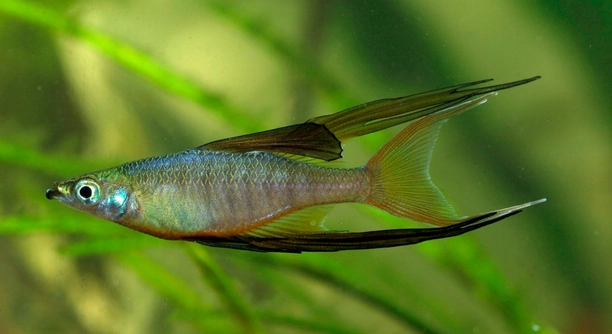
Do you ever notice how your threadfins swim differently after you move decorations or rearrange the tank? They may seem unsettled, acting a little skittish or hiding more than usual. Small changes can feel big to them.
Threadfins generally react negatively to sudden tank rearrangements. Abrupt changes disrupt their established environment, causing stress and altered behavior. Gradual adjustments and careful placement of decorations minimize stress and help maintain their natural swimming patterns and overall well-being.
Observing these patterns can help you create a calmer, more comfortable environment for your threadfins and support their long-term health.
Understanding Threadfin Behavior
Threadfins are naturally cautious fish, sensitive to changes in their environment. When the tank layout is altered suddenly, they can become stressed, hiding behind decorations or staying near the bottom. This behavior is their way of coping with unexpected shifts. They thrive when surroundings remain consistent, as routine gives them a sense of safety. Observing their swimming patterns after a rearrangement can help identify signs of discomfort. Over time, they learn to navigate new spaces, but sudden, drastic changes often trigger temporary anxiety. Lighting, water flow, and tank mates also affect their comfort level. Even subtle adjustments, like moving a plant or rock, can make a difference. Providing stable areas for resting and hiding helps reduce stress. Slowly introducing changes allows threadfins to adapt at their own pace. Monitoring their response helps you make adjustments before behaviors become prolonged.
Threadfins respond better to gradual changes rather than sudden shifts, which allows them to maintain their confidence and reduce stress levels.
Gradual rearrangement strategies include moving one decoration at a time, observing their reaction, and allowing a few days between changes. Pairing this with consistent feeding schedules and water conditions helps them feel secure. Avoid altering multiple factors at once, as this compounds stress. By making careful adjustments, you can improve their comfort and encourage natural behaviors. Over time, they will explore new areas confidently. Patience and attention to detail are key when modifying their environment.
Minimizing Stress During Tank Changes
Planning ahead reduces stress and ensures smoother transitions for threadfins.
Before making changes, consider the placement of hiding spots, water flow, and tank lighting. Gradual adjustments help maintain their routine and reduce anxiety. Avoid sudden rearrangements during feeding times, as this can further unsettle them. Monitor behavior closely and provide stable resting areas. With patience, threadfins adjust without significant disruption. Keeping changes small and controlled supports long-term health and natural activity patterns, making the tank a safer, more comfortable environment.
Signs of Stress in Threadfins
Threadfins often show stress through hiding, erratic swimming, or loss of appetite. These behaviors usually appear after sudden changes in their tank environment. Recognizing these early signs helps you respond quickly and prevent long-term health issues.
Stress in threadfins can also manifest in less obvious ways. They may linger near the bottom or corners, avoiding open areas they normally swim through. Color changes, such as duller hues or faded stripes, can signal discomfort. Even slight reductions in activity or hesitation to feed are important indicators. Monitoring these subtle cues is essential, as prolonged stress can weaken their immune system and make them more susceptible to disease. Consistency in their environment is key to reducing these issues.
Other behaviors include fin clamping, rapid gill movement, or repeated darting. These signs often coincide with sudden tank rearrangements or aggressive tank mates. Providing quiet areas and minimizing disturbances allows them to regain normal patterns. Patience and careful observation help threadfins recover without additional stress, ensuring they remain healthy and active.
Gradual Tank Rearrangement Techniques
Move decorations one at a time to reduce sudden stress on threadfins.
Start with minor adjustments, like shifting a plant or rock slightly, then wait several days to observe their reaction. Avoid moving multiple items at once, as this can overwhelm them. Pair adjustments with feeding and water checks to maintain stability.
Gradual rearrangement also includes replicating familiar spaces in new layouts. Keeping hiding spots in consistent locations helps threadfins feel secure. Monitor their behavior closely, adjusting only when they show comfort with previous changes. This approach allows natural exploration while preventing anxiety. Over time, they will adapt to the new layout confidently, maintaining normal swimming and feeding patterns without prolonged stress.
Common Mistakes to Avoid
Moving too many decorations at once often overwhelms threadfins, causing prolonged hiding and stress.
Ignoring water conditions during rearrangements can also increase anxiety. Stability in temperature, pH, and flow is essential to keep them calm and healthy.
Safe Adjustment Practices
Introduce one change at a time, such as shifting a single plant or rock. Observe how threadfins respond before making another adjustment. Gradual changes allow them to explore without fear, maintaining normal behavior and appetite. Combine rearrangements with routine feeding and regular water checks to reduce additional stress. Keeping familiar hiding spots and consistent lighting helps threadfins feel secure, encouraging them to adjust more quickly. Patience and observation ensure each change supports their comfort and overall well-being, making your tank a safe environment.
Benefits of Gradual Changes
Small, careful adjustments prevent stress and promote long-term health.
FAQ
How do I know if my threadfins are stressed after rearranging the tank?
Stress in threadfins often shows through hiding, reduced activity, or refusing food. They may stay at the bottom or corners, avoiding open areas they usually swim in. Subtle changes like duller colors, clamped fins, or rapid gill movement are also clear signs. Observing behavior after any adjustment helps catch stress early.
Can sudden rearrangements harm threadfins long-term?
Yes, abrupt changes can weaken their immune system if stress continues. Constant hiding or erratic swimming reduces feeding efficiency, which can lead to malnutrition. Repeated stress may also trigger susceptibility to diseases and impact natural behaviors. Gradual adjustments are crucial to prevent these long-term effects.
How much should I move decorations at once?
It’s best to move only one item at a time, like a plant or rock. Wait several days to observe the fish before making another change. This approach allows threadfins to adapt at their own pace without becoming overwhelmed or anxious.
Is it okay to change water flow or lighting during rearrangements?
Sudden changes in water flow or lighting can add extra stress. Keep these factors consistent while moving decorations. If changes are necessary, introduce them slowly, giving the fish time to adjust. Even small shifts can feel drastic to threadfins.
Do threadfins need hiding spots after a rearrangement?
Yes, hiding spots provide a sense of security. Maintaining familiar areas during changes helps them feel safe. Gradually adding or repositioning hides allows them to explore without fear, encouraging normal swimming patterns and reducing stress-related behaviors.
How long does it take for threadfins to adjust to a new layout?
Adjustment time varies, but most threadfins begin exploring within a few days if changes are gradual. Consistent feeding and stable water conditions support faster adaptation. Patience is key—forcing them into new spaces can increase anxiety. Observing their behavior guides how quickly you can continue adjustments.
Can stress affect feeding habits?
Yes, stressed threadfins may refuse food or eat less. Reduced appetite is a common response to environmental changes. Ensuring a calm, stable tank during rearrangements encourages them to resume normal feeding. Monitoring food intake helps assess their comfort and overall health.
What are the best ways to reduce stress during rearrangements?
Move items slowly, keep water conditions stable, and maintain familiar hiding spots. Introduce only one change at a time and monitor their behavior closely. Pair adjustments with regular feeding and gentle observation. These steps create a predictable environment that supports threadfins’ comfort.
Are some threadfins more sensitive than others?
Yes, individual temperament varies. Some threadfins adapt quickly, while others become anxious easily. Recognizing their personality helps guide how gradually you introduce changes. Observing their reaction allows you to adjust your approach for each fish’s comfort and safety.
Should I rearrange the tank at all?
Occasional rearrangements can refresh the tank and provide new exploration opportunities. However, planning carefully and moving items gradually prevents unnecessary stress. Thoughtful adjustments support healthy behaviors, keeping threadfins active, confident, and comfortable in their environment.
This FAQ provides practical strategies to understand, reduce, and manage stress in threadfins caused by tank rearrangements. Careful observation and patience make transitions smoother, helping your fish maintain normal behavior and overall well-being.
Final Thoughts
Threadfins are sensitive fish that respond strongly to changes in their environment. Even small rearrangements in a tank can feel significant to them. Sudden movements of decorations, plants, or rocks often make them hide, swim erratically, or reduce their activity. These reactions are normal stress responses and do not mean something is wrong with your care. The key is to observe them closely after any change. Watching where they swim, how often they eat, and whether their colors fade can give important clues about their comfort level. Understanding these patterns helps prevent long-term stress and supports their overall health.
Gradual adjustments are the best way to maintain a calm environment for threadfins. Moving one item at a time and allowing several days between changes helps them adapt at their own pace. Keeping familiar hiding spots in consistent locations makes them feel secure, and maintaining stable water conditions reduces anxiety. Even changes in lighting or water flow should be introduced slowly to avoid overwhelming them. Providing consistent feeding times and a quiet environment supports their routine and encourages normal behaviors. Patience is essential because threadfins take time to explore and accept new spaces. Over time, carefully planned changes allow them to adjust naturally without prolonged stress.
Paying attention to threadfins’ behavior after rearrangements is essential for long-term well-being. Signs like hiding, clamped fins, color changes, or reduced appetite indicate stress, while calm, confident swimming shows they are comfortable. Understanding their temperament and respecting their need for a stable environment ensures they remain active, healthy, and confident. Gradual adjustments, observation, and consistency make transitions smoother and strengthen their trust in the space you provide. By keeping these practices in mind, you can create a tank environment that supports natural behaviors, encourages exploration, and minimizes stress, making the tank a safer and more comfortable home for your threadfins.

Hello,
If you enjoy the content that we create, please consider saying a "Thank You!" by leaving a tip.
Every little bit helps us continue crafting quality advice that supports the health, happiness, and well-being of pets around the world, for pets of all shapes, sizes, and species.
We really appreciate the kindness and support that you show us!