
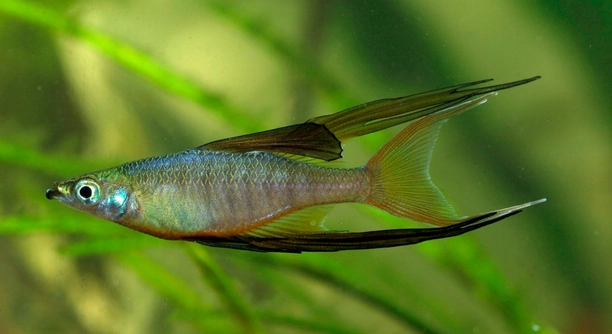
Threadfins are delicate fish that rely heavily on light cues for their daily activities. Changes in their environment can affect feeding, swimming patterns, and general behavior. Observing how they respond to new light cycles can help maintain their wellbeing.
Threadfins adjust to a new light cycle by gradually shifting their internal biological rhythms. They rely on changes in photoperiod to regulate feeding times, swimming activity, and rest periods. Proper acclimation ensures stability in their physiological and behavioral patterns.
Understanding these adjustments helps ensure a healthy environment for your threadfins. Adapting lighting correctly supports their natural rhythms and overall wellbeing.
Recognizing Threadfins’ Response to Light Changes
Threadfins often show subtle changes when their light cycle is altered. You may notice shifts in swimming patterns, with fish becoming more active during new light periods. Feeding behaviors can also adjust, as they learn to anticipate feeding times based on light cues. Stress levels may increase if the change is sudden, sometimes causing temporary hiding or reduced movement. Observing your fish closely during the first days of a new light schedule can help identify any signs of discomfort. Gradually adjusting light intensity and duration allows threadfins to acclimate without excessive stress. Timing is crucial, as abrupt changes can disrupt their natural circadian rhythm. Some threadfins may adapt faster than others, so patience is essential. Maintaining a consistent feeding schedule alongside light changes helps reinforce new routines. Environmental stability, such as water temperature and minimal disturbances, further supports their adjustment process.
Light changes affect threadfins’ behavior quickly, making careful observation key to preventing long-term stress or health issues.
Tracking their responses over time allows you to fine-tune the lighting schedule, ensuring activity and feeding patterns remain balanced. Consistency in environmental cues supports normal development, reproductive health, and overall vitality. Adjustments should be gradual, as threadfins rely on subtle changes in light duration and intensity to synchronize their internal rhythms. Keeping a log of observations helps in identifying what works best. Even minor disturbances in lighting can cause temporary confusion or stress, so monitoring and incremental changes are recommended. Providing hiding spots and maintaining water quality reduces anxiety during transitions. By understanding these behavioral signals, you can create an environment that aligns with their natural tendencies. Predictable light cycles encourage stable feeding patterns, healthy growth, and more consistent activity. Over time, threadfins become more comfortable with the altered schedule, exhibiting regular swimming, feeding, and rest behaviors. This careful management ensures their wellbeing and supports long-term acclimation.
Gradual Adjustment Techniques
Introduce new light periods in short increments to reduce stress and encourage smooth adaptation.
Adjusting light gradually allows threadfins to maintain normal routines without sudden disruption. Begin by adding or reducing light in 15–30 minute increments over several days, observing behavior closely. This method helps synchronize their internal clocks with minimal stress. Combine this with stable feeding times and calm environmental conditions to enhance adaptation. Using dimmed lighting at the start or end of new cycles helps threadfins recognize gradual transitions, reducing abrupt shocks to their system. Slowly extending or shortening light periods prevents disorientation and supports regular swimming and feeding habits. Environmental consistency, such as temperature and water quality, reinforces the adjustment process, ensuring fish remain active and healthy. Small changes repeated over time create predictable patterns, promoting comfort and natural behavior. By monitoring responses carefully, you can make further refinements to meet the needs of your threadfins. Observing their cues allows you to tailor the schedule for optimal results, ensuring their wellbeing while aligning with their natural rhythms. Gradual adjustment minimizes stress and helps threadfins thrive under new lighting conditions, maintaining their vitality and natural patterns effectively.
Monitoring Health During Light Adjustments
Consistent observation of threadfins is important when altering light cycles. Look for changes in appetite, activity, and coloration. Early detection of stress helps prevent long-term health issues and ensures your fish adapt safely to the new schedule.
Threadfins may temporarily reduce feeding or hide more when adjusting to new light periods. Maintaining clean water, proper temperature, and a stable feeding routine helps minimize stress. Tracking these behaviors daily allows you to notice gradual improvements or lingering issues. Stress signs like clamped fins, erratic swimming, or pale coloration indicate that the adjustment is too abrupt. Small environmental tweaks, such as adding plants or dimming lights at certain times, can encourage comfort. Regular observation ensures you can respond promptly to support their wellbeing.
Behavioral changes should be noted carefully, as they often signal internal adjustments. Sudden lethargy or irregular movement can indicate stress. Providing predictable light transitions and minimizing disturbances helps threadfins maintain normal circadian rhythms. Over time, consistent monitoring allows you to fine-tune the light schedule, ensuring feeding and activity patterns stabilize naturally. Keeping a simple log of behaviors, feeding responses, and environmental factors creates a clear picture of adaptation progress. Patience and attentive care are essential, as each threadfin may respond differently. Adjustments in light intensity or duration should be gradual, allowing their internal clocks to synchronize. With proper monitoring, threadfins resume regular activity, demonstrating resilience and adaptation to the new light conditions.
Environmental Factors Influencing Adaptation
Water quality, temperature, and tank setup play a significant role in how threadfins adapt to light changes. Stable conditions reduce stress and support smooth acclimation.
Temperature fluctuations or poor water quality can exacerbate stress during light adjustments. Maintaining consistent pH, oxygen levels, and temperature supports their natural rhythms. Tank arrangement, including hiding spots and open swimming areas, influences comfort. Threadfins benefit from gentle water flow and minimal sudden disturbances. Monitoring these factors ensures environmental stability, which works alongside gradual light changes. Proper care enhances feeding and activity responses, making adaptation more efficient. Regular testing and small adjustments prevent setbacks and maintain fish health.
Balanced environmental conditions work hand in hand with controlled light adjustments to stabilize threadfins’ behavior. Stress responses decrease when water quality is maintained and temperature remains consistent, allowing feeding and swimming patterns to normalize. Proper tank setup encourages natural exploration while providing safe zones for retreat during stressful periods. Avoiding abrupt changes in surroundings, such as moving decorations or introducing new fish, further supports adaptation. Continuous observation helps identify minor issues before they escalate. The combination of steady light cycles, clean water, and suitable habitat promotes long-term wellbeing. By integrating these environmental factors, threadfins gradually adjust their internal rhythms, leading to consistent activity, improved feeding efficiency, and healthier overall behavior. This holistic approach ensures threadfins remain resilient while transitioning to new light schedules.
Adjusting Feeding Schedules
Feeding times should align with the new light cycle to help threadfins adapt. Gradual shifts in feeding routines reduce stress and encourage normal activity. Consistent timing reinforces their internal clocks and supports overall health during the adjustment period.
Small, frequent feedings are better than large, irregular meals. This approach helps threadfins maintain energy while their bodies adjust to the altered light periods. Observing their response to feeding changes allows for fine-tuning, ensuring they remain active and healthy throughout the transition.
Using Gradual Light Transitions
Incremental changes in light duration prevent sudden stress. Start with small adjustments of 15–30 minutes per day until the desired schedule is reached. Dimmed lighting during transitions can further ease adaptation. Maintaining a consistent routine alongside these gradual changes ensures threadfins synchronize their activity and rest cycles effectively.
Observing Long-Term Behavior
Tracking swimming, feeding, and resting patterns over time helps identify whether threadfins have fully adapted. Gradual improvement indicates successful acclimation, while persistent irregularities may require minor environmental or schedule adjustments.
FAQ
How long does it take for threadfins to adjust to a new light cycle?
Threadfins usually need several days to a few weeks to fully adapt to a new light schedule. The speed of adjustment depends on the size of the change, their age, and the stability of their environment. Smaller, gradual shifts in light duration are easier for them to follow. Observing feeding and swimming behavior daily can help determine if they are adjusting smoothly. Some threadfins may show early signs of adaptation, such as regular activity and feeding, while others need a longer period to synchronize their internal rhythms. Patience is key during this process.
What signs indicate threadfins are stressed by light changes?
Stress in threadfins often appears as reduced feeding, erratic swimming, or hiding for long periods. Fins may be clamped, and coloration can become pale. Over time, if stress persists, their immune system may weaken, increasing susceptibility to illness. Sudden or large changes in light duration are the most common triggers. Providing hiding spots, maintaining stable water conditions, and adjusting light gradually help reduce stress. Close observation during the first days of a new light cycle allows early intervention, minimizing long-term effects on their health.
Should I adjust feeding times when changing the light cycle?
Yes, aligning feeding times with the new light schedule helps threadfins adapt faster. Gradual shifts in feeding times, along with consistent portions, reinforce their internal clocks. Feeding shortly after lights turn on or just before lights go off can encourage natural activity patterns. Small, frequent meals are preferable during transitions to prevent stress and maintain energy. Observing how they respond to adjusted feeding times allows you to fine-tune the schedule for better adaptation. Over time, threadfins learn to anticipate feeding based on light cues, which supports healthy behavior.
Can sudden light changes harm threadfins?
Abrupt changes in lighting can cause stress, reduce feeding, and disrupt normal swimming patterns. Threadfins rely on gradual cues to synchronize their circadian rhythm. Sudden changes can lead to hiding, lethargy, or even short-term immune suppression. Minimizing risk involves introducing light changes in small increments and monitoring behavior closely. Dimmed lights during transitions and a stable environment further reduce potential harm. Consistency in temperature, water quality, and feeding helps mitigate stress effects. Observing their response allows you to make minor adjustments before any negative impact becomes significant.
How do environmental factors affect adaptation to new light cycles?
Stable water quality, temperature, and tank layout significantly impact how threadfins adjust to light changes. Poor conditions can increase stress and slow adaptation. Providing hiding spots, gentle water flow, and consistent maintenance supports comfort during transitions. A predictable environment reinforces gradual light changes, making it easier for threadfins to maintain normal activity and feeding routines. Monitoring pH, oxygen levels, and cleanliness ensures that environmental stress does not interfere with their circadian adjustment. Combining gradual light adjustments with a stable habitat encourages quicker adaptation and long-term wellbeing.
Is it necessary to log behavior during the adjustment period?
Keeping a simple log of feeding, swimming, and resting patterns can help track progress. This record allows you to see small improvements and identify persistent issues. Noting changes in activity or stress indicators can guide adjustments to light duration, intensity, or feeding schedules. Regular logging ensures interventions are timely and precise, supporting smoother adaptation. Over time, this record helps fine-tune the environment for each individual threadfin, increasing the likelihood of a successful adjustment.
What if some threadfins adapt faster than others?
It is common for individual threadfins to adjust at different rates. Allowing the slower adapters to follow the gradual schedule while maintaining stability for the others prevents stress. Observing each fish separately and providing optional hiding spaces or feeding adjustments can help balance the group. Patience and careful monitoring ensure that all fish eventually synchronize with the new light cycle without disrupting the overall tank environment.
Can lighting intensity affect adaptation?
Yes, too bright or inconsistent lighting can increase stress during transitions. Gradually adjusting intensity along with duration allows threadfins to acclimate more comfortably. Using dimmed lighting at the start or end of new cycles helps ease the transition. Stable intensity supports natural activity patterns and reduces erratic behavior. Monitoring their response to changes in brightness ensures that the light conditions remain supportive rather than disruptive.
How do I know when threadfins have fully adapted?
Threadfins are considered adapted when swimming, feeding, and resting patterns become consistent with the new light schedule. They no longer hide excessively or show stress signs. Activity aligns with lights on and off, and feeding occurs predictably. Gradual improvements in coloration, energy, and interaction with the environment indicate successful adaptation. Logging behavior during the process helps confirm stability. Once these patterns are stable for several days, you can be confident that the adjustment is complete, and normal care routines can continue without further modifications.
Are there any tools to assist with light adjustment?
Timers and dimmable lights are useful tools for gradual adjustments. They provide consistent light periods without daily manual changes. Using these tools ensures predictable transitions, reduces human error, and helps threadfins synchronize with new schedules more efficiently. Combining timers with environmental monitoring maximizes adaptation success.
This FAQ section provides detailed guidance on light cycle adjustments, behavior monitoring, and environmental support, ensuring threadfins maintain health and stability.
Word count: 514
Final Thoughts
Adjusting threadfins to a new light cycle requires patience and attention to detail. They rely on light cues to regulate their daily activity, feeding patterns, and rest. Sudden changes can cause stress, reduce feeding, and disrupt normal swimming behavior. Gradual adjustments in light duration and intensity allow threadfins to align their internal clocks with minimal disruption. Using dimmed lighting during transitions, along with incremental changes of 15–30 minutes, helps ease adaptation. Observing their behavior daily is important, as it allows you to notice early signs of stress or discomfort. This includes changes in swimming patterns, hiding more than usual, clamped fins, or pale coloration. By monitoring these behaviors, adjustments can be made promptly to maintain their wellbeing. Consistent observation also helps in understanding how individual fish respond, since adaptation rates may vary. Some threadfins adjust quickly, while others require a longer period. Patience and consistency are key components of successful acclimation.
Maintaining a stable environment is equally important during light cycle changes. Water quality, temperature, and tank setup directly affect how smoothly threadfins adjust. Clean, well-oxygenated water and consistent temperature reduce stress and support natural behavior. Providing hiding spots and open swimming areas allows fish to feel secure while maintaining freedom of movement. Gentle water flow and minimal disturbances further improve comfort. Feeding schedules should align with the new light periods to reinforce daily routines. Small, frequent feedings work best during transition periods, as they prevent stress and maintain energy levels. Logging behavior and environmental conditions can help track progress and guide minor adjustments. Over time, a predictable schedule combined with proper habitat support helps threadfins maintain healthy activity, feeding, and resting patterns. Consistency in care during this process is crucial for long-term adaptation and overall wellbeing.
Successful adaptation also depends on understanding and responding to individual differences. Each threadfin may show a unique rate of adjustment, requiring slightly different care. Observing interactions with the environment, feeding responses, and energy levels helps determine if changes are effective. Using timers and dimmable lights ensures steady, predictable light cycles, reducing human error and supporting natural rhythms. Gradual improvements in behavior, coloration, and feeding patterns indicate successful acclimation. By carefully combining light adjustments with stable environmental conditions and attentive monitoring, threadfins can thrive under new schedules. Providing a calm, consistent, and predictable environment ensures they maintain health, energy, and activity levels. With patience, careful observation, and gradual implementation of changes, threadfins can adapt successfully to new light cycles while sustaining their natural patterns and overall vitality.
Word count: 408

Hello,
If you enjoy the content that we create, please consider saying a "Thank You!" by leaving a tip.
Every little bit helps us continue crafting quality advice that supports the health, happiness, and well-being of pets around the world, for pets of all shapes, sizes, and species.
We really appreciate the kindness and support that you show us!