
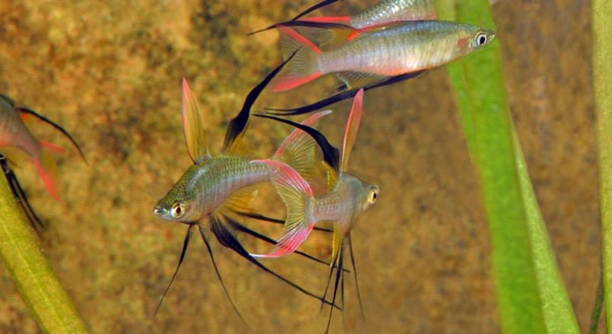
Threadfin Rainbowfish are small, vibrant freshwater fish admired for their lively colors and graceful movements. Their breeding habits are particularly intriguing, as they display unique behaviors not commonly seen in other aquarium species, making them fascinating to observe.
These fish exhibit seven distinct breeding behaviors, including elaborate courtship dances, selective mate choice, territorial displays, egg scattering in fine-leaved plants, synchronized swimming during spawning, male nudging to encourage female readiness, and parental non-interference, ensuring eggs develop safely without direct care.
Observing these behaviors provides insight into their natural instincts and adds an engaging dimension to keeping Threadfin Rainbowfish in home aquariums.
Courtship Displays and Dances
Threadfin Rainbowfish males are known for their elaborate courtship displays. During the breeding season, they flare their fins, wiggle their bodies, and swim in precise patterns to attract females. These movements are not random; each gesture communicates fitness, vitality, and readiness to mate. The males often circle females multiple times, pausing at intervals to show off their brightest colors. This behavior may continue for several hours, depending on the female’s receptiveness. Females watch closely, sometimes swimming away if the male does not meet their standards. The dances are most intense in well-planted aquariums, where the fish feel secure and display their natural colors fully. Observing these interactions can be mesmerizing, as the fluidity of motion and subtle signaling reflect complex communication strategies. Over time, the males refine their displays, responding to female feedback. This intricate behavior ensures that only the healthiest, most attentive males succeed in passing their genes to the next generation, enhancing overall population strength and genetic diversity.
Courtship displays are essential for pairing and trigger synchronized spawning among receptive females, creating successful breeding conditions naturally in the tank.
Males also adjust the intensity of their displays based on the female’s behavior. If a female appears uninterested, the male may reduce movements or try alternative gestures. In contrast, a responsive female encourages more vigorous, confident dances. These adjustments suggest a feedback-based interaction, where both sexes influence the process. Over time, repeated displays build familiarity between partners, increasing the likelihood of successful spawning. Aquarists often notice that males in densely planted tanks perform more consistently than in sparse environments. The presence of hiding spaces and suitable vegetation allows females to feel safe, which encourages more elaborate dances. Understanding these patterns helps in creating optimal breeding conditions, promoting healthy reproduction, and observing natural behaviors that are otherwise difficult to witness in smaller or barren setups.
Selective Mate Choice
Female Threadfin Rainbowfish are selective, often inspecting multiple males before choosing a partner.
Females assess males by color vibrancy, fin condition, and the smoothness of their courtship movements. They tend to favor males who demonstrate consistent energy and attention.
Selective mate choice ensures that offspring inherit strong genetic traits and promotes healthy populations. Females may avoid males who appear weak or stressed, reflecting a natural instinct to prioritize survival and fitness. This behavior encourages males to maintain peak condition throughout the breeding season. In a tank setting, selective mating can influence which males get multiple spawning opportunities, sometimes leaving less dominant males without mates. Over time, this selective process enhances overall vitality within the group, ensuring only the fittest males reproduce. Observing how females choose among several suitors provides insight into the social structure and mating dynamics of Threadfin Rainbowfish. Maintaining optimal conditions, including proper diet, adequate space, and enriched environments, can support this natural selection, allowing females to make clear choices without stress or interference. This behavior also encourages males to display their best colors and movements consistently, creating a dynamic and engaging aquarium setting that mirrors natural reproductive strategies.
Egg Scattering in Plants
Threadfin Rainbowfish scatter their eggs among fine-leaved plants, allowing them to remain hidden from potential threats.
The females release eggs in small clusters while swimming through plants, ensuring they stick to leaves or soft stems. Males follow closely, fertilizing the eggs immediately after release. This strategy reduces the chance of predation, as scattered eggs are harder to detect than clumped ones. Dense planting is crucial in aquariums to mimic this natural behavior. Threadfin Rainbowfish tend to avoid open areas, preferring vegetation that offers both safety and support for developing eggs. Aquarists often notice higher hatching success when tanks have fine-leaved or floating plants, as these environments closely replicate the fish’s natural spawning sites.
Egg scattering also encourages natural behaviors in males and females. Males patrol the planted areas, ensuring fertilization occurs efficiently. Females remain selective, depositing eggs in spots that seem safest, which shows instinctive awareness. Observing this interaction highlights the fish’s reliance on environmental cues and subtle coordination during reproduction.
Synchronized Swimming
Males and females often swim in coordinated patterns during spawning, creating a rhythmic, synchronized movement.
This synchronized swimming ensures that eggs are fertilized efficiently. It allows multiple eggs to be released and fertilized simultaneously, increasing overall reproductive success. The behavior also strengthens pair bonding between the male and female, reinforcing trust and cooperation during the critical spawning period.
Synchronized swimming is not random; it reflects subtle communication between the sexes. Males respond instantly to changes in female movement, adjusting speed and proximity to maximize fertilization. Females may slightly alter their swimming paths to guide males toward safer spawning areas. This behavior demonstrates advanced coordination and instinctive understanding of reproductive timing. In planted aquariums, synchronization becomes more noticeable, as fish navigate around stems and leaves, coordinating releases without causing harm to eggs. Observing this pattern over multiple spawning sessions shows how efficiently Threadfin Rainbowfish reproduce when environmental conditions and mutual cooperation align perfectly.
Male Nudging Behavior
Males gently nudge females to encourage egg release, often tapping their bodies against the female’s sides.
This nudging is subtle but persistent. It signals readiness and helps synchronize the female’s egg-laying with the male’s fertilization timing, increasing reproductive success.
Territorial Displays
Males defend small areas around plants or preferred spawning sites, chasing away rivals and establishing dominance.
Territorial behavior ensures males have access to optimal spawning zones. This reduces competition and increases the likelihood that their eggs will be successfully fertilized, maintaining strong genetic representation in the population.
Parental Non-Interference
Threadfin Rainbowfish do not guard or tend their eggs after fertilization.
This behavior allows eggs to develop without adult interference. By leaving the eggs undisturbed, parents reduce stress and avoid accidentally damaging or consuming them, ensuring higher survival rates in natural and aquarium environments.
FAQ
What is the ideal tank setup for breeding Threadfin Rainbowfish?
A well-planted aquarium with plenty of fine-leaved plants is essential. Plants provide hiding spots for eggs and a secure environment for fish. Soft substrates and gentle filtration reduce stress. Moderate lighting helps maintain natural behavior, while water parameters should remain stable, with a temperature around 24–28°C and slightly acidic to neutral pH.
How can I tell when my Threadfin Rainbowfish are ready to spawn?
Males display vibrant colors and perform courtship dances, flaring fins and swimming in patterns around females. Females may become fuller-bodied, indicating egg development. Both sexes show increased activity near plants. Observing these behavioral cues helps determine the right time for breeding.
Do Threadfin Rainbowfish require separate breeding tanks?
While not strictly necessary, a dedicated breeding tank improves success. It reduces stress from other fish, provides controlled conditions, and prevents predation on eggs. Using a smaller tank with dense planting ensures eggs are safely scattered and fertilized without disturbance.
How many eggs does a female typically lay?
Females can lay several hundred eggs over multiple spawning sessions. Eggs are scattered individually or in small clusters among plants. The number may vary depending on age, health, and environmental conditions. Regular feeding and optimal water quality help support higher egg production.
Should I remove adults after spawning?
Yes, removing adults is recommended if other fish are present in the same tank. Although Threadfin Rainbowfish do not actively guard or eat eggs, they may disturb them. Removing adults ensures eggs remain undisturbed and increases the hatching rate.
How long does it take for the eggs to hatch?
Eggs generally hatch within 7 to 10 days, depending on temperature and water conditions. Warmer, stable water speeds development slightly, while cooler conditions can delay hatching. Providing gentle aeration keeps water oxygenated and supports healthy growth during this stage.
What should I feed the fry once they hatch?
Newly hatched fry require very fine food. Infusoria or liquid fry food works well in the first days. As they grow, baby brine shrimp or microworms can be introduced. Feeding small portions multiple times a day ensures proper growth without fouling the water.
How do I encourage multiple spawning events?
Maintaining optimal water conditions, providing high-quality food, and ensuring dense plant coverage encourage repeated spawning. Slight water changes can mimic natural environmental shifts, triggering breeding cycles. Healthy, well-fed fish are more likely to spawn multiple times within a short period.
Can I mix Threadfin Rainbowfish with other species during breeding?
It is best to avoid mixing with other species, especially aggressive or larger fish. Other fish may stress the breeders or eat eggs. A peaceful, species-only tank ensures safety for both adults and eggs, supporting natural reproductive behaviors.
How do I care for the fry as they grow?
Keep water clean with gentle filtration and regular small water changes. Feed appropriately sized food as they grow, increasing portion size gradually. Monitor for signs of stress or illness, and ensure enough space to prevent overcrowding. Proper care supports healthy growth and development.
What common mistakes should be avoided during breeding?
Avoid overcrowding, sudden changes in water parameters, and insufficient plant cover. Overfeeding adults or fry can foul water quickly. Not separating adults from eggs may reduce hatching success. Consistent care, stable conditions, and attention to behavior help prevent these common problems.
How long does it take for fry to reach maturity?
Fry usually reach sexual maturity around 6 to 8 months. Growth rates depend on diet, water quality, and tank conditions. Maintaining consistent care and providing adequate space allows fish to develop fully and prepare for their first breeding cycles.
Is there a preferred time of year for breeding?
Threadfin Rainbowfish can breed year-round in stable aquarium conditions. However, mimicking seasonal changes, such as slightly warmer temperatures and minor water adjustments, can increase breeding activity and encourage natural behaviors.
How important is water quality during breeding?
Water quality is critical. Stable pH, temperature, and low nitrate levels support both adult health and egg development. Poor water conditions can stress fish, reduce spawning frequency, and lead to lower fry survival rates. Regular testing and maintenance ensure a healthy breeding environment.
Can stress affect breeding success?
Yes, stress from overcrowding, sudden environmental changes, or incompatible tank mates can reduce spawning frequency and egg viability. Providing a calm, secure environment with adequate plants and gentle water flow minimizes stress and supports natural reproductive behaviors.
Are there signs that breeding has failed?
Unfertilized eggs may turn opaque or fungus may develop. Adults showing disinterest or aggression toward eggs can also indicate failed attempts. Removing spoiled eggs promptly prevents contamination and allows fish to attempt subsequent spawning without interference.
What is the survival rate of eggs and fry in captivity?
Survival rates vary depending on tank conditions, food availability, and predation risk. In well-maintained breeding tanks, hatching rates can exceed 80%, and fry can survive to maturity with proper care, including stable water, adequate feeding, and minimal disturbances.
Do Threadfin Rainbowfish breed naturally in community tanks?
Breeding can occur in community tanks but is less reliable. Eggs may be eaten or adults stressed by other species. Dense plant coverage can help, but a dedicated breeding tank is generally more effective for predictable, successful reproduction.
How long should adults be left in the tank after spawning?
If adults are calm and eggs are well-hidden, they can remain briefly. However, removing them after fertilization reduces the risk of accidental disturbance and increases overall hatching success. Observing behavior closely guides the timing of removal.
What equipment helps in successful breeding?
Dense plants, fine substrates, gentle filtration, heaters to maintain temperature, and timers for consistent lighting all support breeding. Small nets or containers for separating fry when they grow can also be useful. Proper equipment replicates natural conditions and maximizes survival.
How do I manage multiple batches of eggs or fry?
Separate tanks or sections within the same tank help prevent overcrowding and competition. Track growth stages to feed appropriately. Rotating care and ensuring consistent water quality prevents disease and supports multiple successful hatching cycles over time.
Are there visual cues that indicate eggs are fertilized?
Fertilized eggs appear translucent with visible embryos developing inside. Unfertilized eggs may become cloudy or develop fungus. Regular observation helps identify healthy eggs and allows timely intervention if issues arise.
Can breeding affect adult fish health?
Breeding demands extra energy. Providing high-quality food and stable water conditions helps adults maintain health. Overcrowding or stress during breeding can weaken adults, so monitoring diet and environment is essential for continued vitality and reproductive success.
How long does synchronized swimming last during a spawning session?
Sessions can last several minutes to over an hour, depending on female receptiveness and environmental conditions. Males continuously adjust movements to align with females, ensuring efficient egg fertilization during this coordinated behavior.
What is the role of color changes in breeding?
Color intensity signals readiness and fitness. Vibrant males attract females more effectively, while subtle changes in females can indicate egg readiness. Maintaining optimal water and diet helps fish display natural colors during breeding periods.
How frequently do Threadfin Rainbowfish spawn?
With proper care, they can spawn every few days to weeks. Continuous feeding, stable water, and adequate plants support repeated spawning cycles. Observing behavior and environmental cues helps predict when the next session may occur.
How can I prevent fungus on eggs?
Good water quality, gentle aeration, and removing debris reduce fungal growth. If fungus appears, lightly separating affected eggs or using mild antifungal treatments safe for fish can prevent spread while maintaining a healthy environment for the rest.
Can temperature fluctuations trigger spawning?
Slight increases in temperature can encourage breeding activity. However, sudden or extreme changes can stress fish and reduce egg viability. Gradual adjustments mimic seasonal shifts and support natural reproductive behavior.
What is the best diet for adults during breeding?
High-protein foods such as live or frozen brine shrimp, daphnia, and quality flakes support energy demands. Regular feeding encourages vibrant colors, healthy eggs, and active courtship behavior, ensuring optimal conditions for reproduction.
Do Threadfin Rainbowfish exhibit any unique behaviors not seen in other rainbowfish?
Yes, their coordinated swimming, subtle nudging, and selective mate choice are particularly distinct. These behaviors enhance reproductive efficiency and demonstrate advanced communication between sexes, contributing to their reputation as a species with complex breeding habits.
How can I monitor fry growth effectively?
Track size and feeding response daily. Separate fry by size if overcrowding occurs, and maintain consistent water parameters. Observing behavior and physical development ensures timely adjustments to diet or tank setup, supporting healthy growth.
Are there any signs of stress during breeding?
Erratic swimming, faded colors, hiding excessively, or aggression toward mates can indicate stress. Correcting water quality, reducing disturbances, and ensuring adequate plant coverage helps maintain a calm breeding environment.
How long do adults continue to participate in breeding behaviors?
Males remain active throughout the breeding season, performing dances and nudging. Females continue laying eggs as long as conditions are favorable. Regular feeding, stable water, and safe tank conditions prolong active reproductive behavior in both sexes.
What precautions should I take when introducing new fish to a breeding tank?
Avoid adding new fish during active breeding. Sudden introductions can stress adults, disrupt spawning, and reduce egg survival. Introduce new fish only after breeding cycles are complete and the environment is stabilized to maintain safety and consistency.
How important are fine-leaved plants for egg attachment?
Fine-leaved plants provide ideal surfaces for eggs to stick, mimicking natural conditions. They reduce predation risk and prevent eggs from drifting away, supporting higher hatching rates and more successful fry development.
Can breeding affect social dynamics among multiple males?
Yes, males establish territories and display dominance. Subordinate males may wait or be excluded from spawning opportunities. Observing these interactions can guide tank management and ensure fair breeding conditions for multiple males.
What is the recommended lighting schedule during breeding?
Consistent, moderate lighting supports natural behavior. Sudden changes can stress fish, while dim or overly bright light may inhibit displays. A steady 10–12 hour light cycle maintains routine courtship and egg-laying activity.
How do I prevent overcrowding in a breeding tank?
Separate adults from fry promptly, limit the number of breeding pairs per tank, and provide ample plant coverage. Overcrowding increases stress, reduces egg survival, and can lead to aggressive interactions among adults.
Is monitoring water parameters necessary during fry development?
Yes, stable pH, temperature, and low nitrates are critical. Fry are sensitive to fluctuations, and maintaining proper conditions ensures healthy growth and reduces the risk of disease. Frequent testing and small water changes are recommended.
How do I distinguish between male and female Threadfin Rainbowfish during breeding?
Males are more colorful, with longer fins and more pronounced courtship behavior. Females are slightly larger-bodied when carrying eggs and generally less vibrant. Recognizing these differences helps identify pairs for breeding and monitor reproductive readiness.
Can breeding success decline over time in captivity?
Yes, stress, aging, poor diet, or suboptimal tank conditions can reduce reproductive performance. Maintaining proper care, regular water maintenance, and high-quality food helps sustain consistent breeding over multiple cycles.
How do I handle infertile eggs?
Remove infertile or fungus-infected eggs promptly to prevent contamination of healthy eggs. Maintaining clean water and separating affected eggs reduces the risk of spread and improves overall hatching success.
Are there any special considerations for water flow in a breeding tank?
Gentle water flow is ideal. Strong currents can displace eggs or stress adults. Moderate, even filtration provides oxygenation without disturbing spawning areas or scattered eggs, supporting natural reproductive behaviors and fry survival.
How do I encourage natural coloration in males during breeding?
Providing high-protein diets, optimal lighting, and stress-free conditions enhances vibrancy. Males display their brightest colors when healthy, feeding regularly, and in well-maintained, planted tanks, which improves their chances of attracting females.
How soon can fry be fed after hatching?
Fry can begin feeding on infusoria or liquid fry food within 24–48 hours. Gradually introduce larger foods as they grow to support development while avoiding overfeeding that can foul water.
Is genetic diversity a concern when breeding in captivity?
Yes, limiting the number of breeding adults can reduce diversity. Rotating pairs or introducing new, healthy stock helps maintain strong genetics, ensuring resilient offspring and long-term population health.
What role does tank decoration play in breeding success?
Plants, hiding spots, and gentle substrates provide security, encourage natural behaviors, and support successful egg attachment. A well-structured environment reduces stress and increases overall spawning efficiency.
How can I track multiple breeding events in the same tank?
Record dates of egg-laying, observe fry growth, and monitor behavior of adults. Keeping detailed notes ensures proper care, prevents overcrowding, and helps plan subsequent spawning sessions efficiently.
What is the ideal temperature range for fry growth?
Fry develop best at 24–28°C. Stable temperatures prevent developmental delays and stress. Gradual adjustments can mimic seasonal changes, encouraging natural behavior without negatively affecting survival rates.
Can Threadfin Rainbowfish breed without plants?
They can, but success is lower. Eggs are more exposed, increasing predation risk. Dense plants replicate natural conditions, allowing eggs to adhere safely and enhancing overall hatching success.
How often should water changes occur during breeding?
Small, frequent water changes help maintain quality without disturbing eggs or fry. Regular maintenance prevents nitrate buildup, supports oxygenation, and creates stable conditions for both adults and developing offspring.
Do males compete aggressively during breeding?
Yes, males establish territories and display dominance. Conflicts are usually limited if adequate space and hiding spots are provided. Monitoring behavior helps prevent injury and ensures multiple males can coexist in the breeding environment.
Can I use artificial plants for breeding purposes?
Artificial fine-leaved plants can work if they provide secure attachment points for eggs. However, live plants also improve water quality and encourage natural behaviors, making them the preferred choice for most aquarists.
How long should I monitor fry after hatching?
Careful observation for at least the first few weeks ensures proper growth, feeding, and water quality. Early monitoring allows timely adjustments and prevents health issues during this critical developmental stage.
What is the best way to introduce adults to a breeding tank?
Acclimate slowly to avoid stress. Ensure water parameters match their original tank. Introduce pairs or small groups gradually, allowing time to establish territories and reduce aggression before breeding begins.
Can environmental enrichment affect breeding success?
Yes, adding plants, hiding spots, and varied substrates encourages natural behaviors. Enrichment reduces stress, improves courtship displays, and provides secure locations for egg scattering, enhancing overall reproductive outcomes.
How do I prevent fry from being eaten once they start swimming?
Separate them into a dedicated fry tank or enclosure. Provide dense plants or mesh barriers to protect small fry from adults or other tank mates. Proper separation supports higher survival and growth rates.
Are there differences in breeding behavior among Threadfin Rainbowfish populations?
Some subtle variations exist based on origin or genetic differences. While the overall breeding behaviors remain consistent, minor differences in courtship intensity, color display, or egg-laying preferences may occur.
Can stress during shipping or acclimation affect future breeding?
Yes, stressed fish may delay or reduce spawning. Allowing recovery time, stable water conditions, and a calm environment before attempting breeding increases success and ensures healthy reproductive behavior.
How important is nutrition for egg quality?
High-quality, protein-rich diets improve egg viability and hatchling health. Poor nutrition can result in fewer, weaker eggs and lower survival rates, emphasizing the need for consistent, appropriate feeding during breeding periods.
Can I re-use plant material from previous breeding sessions?
Yes, but ensure plants are cleaned to remove any fungus or debris. Reusing safe plants can maintain familiar spawning sites while preventing contamination of new eggs.
What is the expected growth rate of fry in optimal conditions?
Fry grow quickly under proper care, often reaching juvenile size within a few weeks. Adequate food, clean water, and minimal stress promote rapid, healthy development, preparing them for eventual independence and sexual maturity.
Do environmental cues like seasonal changes affect breeding frequency?
Subtle cues like temperature shifts or light cycle adjustments can increase spawning activity. Mimicking seasonal changes encourages natural behavior without stressing the fish or reducing egg viability.
Are there risks of inbreeding in small captive populations?
Yes, limited breeding pairs increase the risk of inbreeding. Introducing new stock or rotating pairs helps maintain genetic diversity, supporting stronger, healthier offspring and reducing hereditary issues.
How do I know if adults are compatible for breeding?
Compatibility is shown through courtship interaction. Males who successfully perform displays and females who respond positively indicate readiness. Observing repeated successful interactions helps identify suitable pairs.
Can breeding behavior indicate overall health of adults?
Yes, active courtship, vibrant colors, and consistent egg-laying are signs of healthy, unstressed fish. Weak or irregular behavior may signal issues with diet, water quality, or overall well-being, requiring adjustment to care.
What is the best approach to raise multiple batches of fry simultaneously?
Use separate containers or sections within a larger tank. Feed appropriately for size, maintain clean water, and monitor growth. This prevents competition, reduces stress, and ensures successful development for all batches.
How do I handle fungal infections in eggs or fry?
Remove affected eggs or fry promptly. Maintain clean water, gentle aeration, and stable conditions. Mild antifungal treatments safe for fish may be used if necessary, preventing spread and protecting healthy eggs and fry.
Can breeding behavior change with age?
Older adults may show less vigorous courtship or reduced spawning frequency. Maintaining optimal care, diet, and water quality helps prolong reproductive activity and supports healthy aging during breeding cycles.
Are there any signs of egg predation in a breeding tank?
Missing or damaged eggs, unexplained loss, or discolored eggs may indicate predation or accidental disturbance. Observing tank mates and adult behavior helps identify and mitigate risks.
How important is tank size for breeding success?
Sufficient space reduces stress, allows territory establishment, and provides room for egg scattering. Overcrowding can hinder displays, reduce egg survival, and increase aggression among adults.
Can fry be fed live foods immediately?
Very small fry initially require microscopic foods like infusoria. As they grow, live foods such as baby brine shrimp can be introduced gradually, ensuring proper nutrition while supporting healthy development.
Do adults require any special care during multiple spawning cycles?
Yes, continue providing high-quality food, stable water conditions, and adequate rest periods. Overworking adults can lead to stress or reduced egg quality, so consistent care is critical for repeated successful spawning.
What is the typical lifespan of Threadfin Rainbowfish in captivity?
They
Threadfin Rainbowfish are fascinating freshwater fish with unique breeding behaviors that make observing them especially rewarding. From their vibrant colors to the subtle interactions between males and females, these fish display a level of complexity that is rare in small aquarium species. Understanding their breeding habits, such as courtship dances, egg scattering, and synchronized swimming, allows aquarists to create environments that support natural behavior. Providing dense plant coverage, stable water conditions, and appropriate nutrition encourages healthy reproduction while minimizing stress for both adults and fry. These behaviors are not just for show; they play a critical role in ensuring that offspring survive and thrive, reflecting the fish’s instinctive drive to maintain a strong, healthy population.
Breeding Threadfin Rainbowfish successfully requires attention to detail and consistent care. Observing male displays, female selectivity, and the timing of egg release helps guide aquarists in managing spawning events. It is important to maintain optimal water parameters, including temperature, pH, and cleanliness, as well as to provide gentle filtration and a suitable tank layout. Dense plant coverage is particularly essential, as it offers secure sites for eggs to adhere and develop. Removing adults after fertilization, feeding fry appropriately, and monitoring their growth ensures a higher survival rate. These steps create a controlled but natural environment where the fish can exhibit their full range of reproductive behaviors without interference, promoting both the health of the adults and the success of their offspring.
Observing Threadfin Rainbowfish during breeding can also be deeply satisfying, as it reveals the coordination and subtle communication that occurs between sexes. Males adjust their movements to female cues, nudging behavior encourages egg release, and synchronized swimming ensures efficient fertilization. Parental non-interference allows eggs to develop safely, while selective mate choice and territorial displays demonstrate instinctive decision-making and energy investment. For aquarists, understanding these behaviors not only improves breeding outcomes but also provides a glimpse into the natural life of the species. Maintaining proper care, nutrition, and environmental conditions allows these fish to express their full behavioral range, making them a rewarding addition to a well-planned aquarium. Observing their breeding habits reinforces the importance of attention to detail, patience, and consistency in creating a successful, thriving aquarium ecosystem.
Word count: 404

Hello,
If you enjoy the content that we create, please consider saying a "Thank You!" by leaving a tip.
Every little bit helps us continue crafting quality advice that supports the health, happiness, and well-being of pets around the world, for pets of all shapes, sizes, and species.
We really appreciate the kindness and support that you show us!