
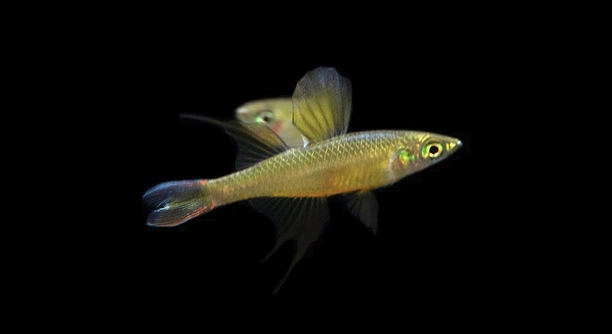
Threadfin are curious and active fish that thrive in environments that encourage natural exploration. Observing their behavior can be rewarding, but many owners struggle to provide engaging experiences for these intelligent swimmers in captivity.
Providing opportunities for threadfin to explore requires a combination of environmental enrichment and structured stimuli. Introducing varied textures, hiding spots, and interactive feeding methods promotes natural foraging behaviors, enhances physical activity, and supports cognitive development in a controlled habitat.
These simple techniques can transform your aquarium, making it a dynamic space where threadfin engage more confidently with their surroundings.
Creating a Stimulating Environment
Threadfin are naturally curious and need a varied environment to stay active. Adding plants, rocks, and small caves encourages them to explore, swim freely, and interact with different textures. Driftwood or smooth stones offer places to hide, giving them comfort while promoting natural instincts. Proper lighting also helps them navigate and feel secure, while gentle water flow simulates natural currents. Rotating decorations occasionally keeps the space interesting without stressing the fish. Using substrates of different textures encourages foraging behaviors. Small floating elements can stimulate movement and curiosity. Maintaining clean water is essential, as unhealthy conditions reduce their willingness to explore. Observing threadfin as they adapt to new arrangements can help you understand their preferences. Overall, a thoughtfully arranged tank creates a dynamic habitat that meets both their physical and mental needs, ensuring they remain lively and healthy. A mix of hiding spots and open spaces encourages consistent activity and engagement.
Providing varied areas in the tank keeps threadfin active and reduces stress. It also supports their natural behaviors and mental stimulation.
A well-planned environment balances shelter and open areas, allowing threadfin to explore safely while feeling protected. Including multiple textures and hiding spots encourages movement and curiosity. Regularly changing the arrangement prevents boredom, ensuring ongoing engagement. Incorporating live plants and driftwood adds complexity, while gentle currents replicate natural habitats. Observing their interactions with these features allows adjustments to better suit their preferences. Attention to water quality, temperature, and lighting ensures that physical health supports exploratory behavior. Small interactive elements, like floating objects or feeding stations, provide additional stimulation. These environmental strategies collectively enhance the quality of life for threadfin, promoting physical activity, mental engagement, and natural behaviors. Maintaining this balance is key to cultivating a vibrant and responsive aquarium where threadfin thrive.
Interactive Feeding Techniques
Introducing varied feeding methods encourages threadfin to explore and actively seek food. Hand-feeding, floating pellets, or hidden treats stimulate natural foraging instincts and increase engagement.
Timed and diverse feeding routines strengthen activity patterns. Using puzzle feeders or scattered food can make mealtime more interesting and challenging.
Rotating feeding techniques helps threadfin remain attentive and curious. Instead of always dropping food in the same location, placing treats in different parts of the tank encourages exploration. Live or frozen food provides a sensory experience that encourages active hunting behaviors. Feeding from small containers or using tweezers to mimic natural movements can stimulate their predatory instincts. Pairing mealtime with environmental enrichment, such as small caves or plants, encourages them to move through various areas. Observing which techniques provoke the most interaction can guide future feeding strategies. Consistency in care and gradual changes in methods prevent stress. Over time, these practices not only provide nutrition but also enrich the tank, making it an engaging space where threadfin remain lively, mentally stimulated, and physically active. Variety in feeding strengthens both health and curiosity, promoting a balanced routine.
Encouraging Natural Exploration
Providing areas with varying depths and hiding spots keeps threadfin active. Rocks, plants, and small caves give them places to investigate and retreat, simulating their natural environment.
Threadfin are naturally inquisitive, and structured variation in their habitat encourages movement and curiosity. Introducing different textures and elements such as driftwood, smooth stones, or floating objects helps them explore safely while remaining engaged. Regularly adjusting decorations or adding new objects prevents boredom and encourages consistent interaction. Varying light intensity and gentle water flow replicates natural currents, stimulating sensory awareness. These environmental adjustments promote healthy physical activity, mental stimulation, and natural behaviors, resulting in lively, attentive fish. Observing how they interact allows gradual improvements.
Rotating elements within the tank maintains novelty without overwhelming the fish. Strategic placement of hides, substrates, and interactive items encourages exploration across the entire tank space. This approach supports mental stimulation, enhances natural instincts, and strengthens confidence in their environment. Over time, threadfin become more active, responsive, and comfortable navigating complex spaces. Continuous monitoring ensures elements remain safe, clean, and suitable for all fish. Combining these factors with proper feeding and water care sustains long-term engagement and health. Variety, safety, and enrichment together create a balanced and stimulating habitat.
Social Interaction Techniques
Pairing threadfin with compatible tank mates encourages movement and exploration. Observing their social behaviors provides insight into activity patterns and preferences.
Introducing compatible companions allows threadfin to engage in natural social behaviors. Monitoring interactions ensures harmony and prevents aggression. Small groups encourage movement, mimic natural schooling tendencies, and stimulate curiosity. Observing responses to other fish helps identify ideal companions and adjusts group dynamics. Structured social opportunities combined with environmental enrichment maintain high activity levels. Careful selection of species ensures safety while enhancing mental and physical stimulation. Group feeding and shared hiding spaces provide additional engagement, fostering confidence and overall wellbeing. Proper balance between interaction and personal space supports exploration.
Using Safe Toys and Objects
Adding small, safe toys encourages threadfin to investigate and interact. Floating items, soft balls, or harmless objects provide stimulation and keep them moving.
Rotating toys regularly maintains interest and prevents boredom. Observing which items attract attention allows you to tailor the environment for engagement and enjoyment.
Incorporating Water Movement
Gentle currents simulate natural conditions and promote swimming activity. Water movement encourages exploration and helps threadfin navigate the tank confidently.
Monitoring Behavior Changes
Watching for shifts in activity or interaction helps identify preferences. Subtle changes indicate how threadfin respond to enrichment and stimuli.
FAQ
How do I know if my threadfin is exploring enough?
Active swimming, investigating decorations, and interacting with objects are good indicators of exploration. Fish that stay in one area or hide excessively may need more stimulation. Observing how often they move around the tank and respond to new items helps assess engagement levels. Consistent activity paired with healthy eating and social interactions usually reflects a curious and well-adjusted fish.
What types of hiding spots are best for threadfin?
Threadfin prefer small caves, rocks, and dense plant clusters. Hiding spots should be easily accessible and safe, without sharp edges. Varying the size and shape of these shelters allows different behaviors, from resting to seeking refuge. Proper placement ensures they feel secure while encouraging movement.
Can floating objects really stimulate exploration?
Yes, floating items like small balls or gentle water-resistant toys trigger curiosity. They encourage threadfin to swim around and investigate. Moving or rotating objects periodically maintains interest. Items should be non-toxic, smooth, and light enough to avoid injury while promoting engagement.
How often should I change decorations or toys?
Changing elements every few weeks is usually sufficient. Gradual adjustments prevent stress while maintaining novelty. Observe which items attract attention and which are ignored. A rotating approach provides mental stimulation, encourages movement, and keeps the environment dynamic without overwhelming the fish.
Does water flow affect exploration?
Gentle water currents encourage swimming and simulate natural conditions. Varying flow patterns in different areas of the tank motivates threadfin to navigate, explore, and interact with their environment. Avoid overly strong currents, which can stress or tire them. Proper flow complements enrichment strategies.
Can social interactions influence exploratory behavior?
Yes, compatible tank mates can boost activity. Threadfin respond to the presence of others by swimming, investigating, and engaging in social behaviors. Observing interactions ensures harmony and prevents aggression. Structured groupings support mental and physical stimulation while enhancing natural instincts.
What feeding techniques encourage exploration?
Scattering food, using floating pellets, or hiding treats in plants or caves encourages active foraging. Hand-feeding or using tweezers to mimic movement stimulates curiosity. Variety in feeding locations and methods motivates threadfin to move throughout the tank and interact with their environment.
How do I prevent boredom in a single fish tank?
Introduce a mix of hiding spots, floating items, and interactive feeding techniques. Rotate objects and decorations gradually. Monitor their activity and responses to maintain interest. Providing a balance of shelter, movement, and mental stimulation keeps a solitary threadfin engaged and healthy.
Are live plants necessary for exploration?
Live plants are beneficial but not mandatory. They provide hiding places, textures for investigation, and can influence water quality. Artificial plants with similar structure can also be effective. Rotating plants or adding new arrangements keeps the habitat interesting.
How can I track improvements in exploratory behavior?
Observe swimming patterns, interactions with objects, and responses to new stimuli. Note changes in activity over time and record which enrichment methods work best. Consistent monitoring allows adjustments to enhance both mental and physical engagement.
What is the safest way to introduce new objects or tank mates?
Introduce items or fish gradually to reduce stress. Quarantine new additions when possible, and observe interactions closely. Small, incremental changes help threadfin adapt without fear, encouraging natural exploration and confidence in their environment.
How do environmental factors affect curiosity?
Lighting, water quality, and temperature influence activity levels. Poor conditions can reduce movement and interest. Maintaining stable parameters supports healthy exploration, ensuring threadfin remain active, curious, and engaged with their surroundings.
Can threadfin lose interest over time?
Yes, if the environment becomes static or predictable. Rotating decorations, providing new stimuli, and varying feeding methods maintain engagement. Regular observation ensures they remain active, responsive, and mentally stimulated. Adaptation to novelty is key to long-term curiosity.
How much space is needed for proper exploration?
A spacious tank with multiple zones for swimming, hiding, and interacting encourages activity. Avoid overcrowding, which can reduce movement and stress fish. Proper spacing supports both physical health and natural behavioral expression, fostering confident exploration.
Do all threadfin respond the same way to enrichment?
No, individual personalities and preferences vary. Some may explore more actively, while others prefer hiding. Observing individual behavior allows you to tailor enrichment methods for each fish, ensuring that both shy and bold threadfin remain engaged and stimulated.
Final Thoughts
Threadfin are naturally curious and active fish that benefit greatly from an enriched environment. Providing a tank with varied decorations, hiding spots, and different textures encourages exploration and helps maintain both physical and mental health. Simple additions like plants, rocks, caves, and floating items can create stimulating spaces where threadfin feel safe while still being encouraged to move and investigate. Rotating decorations and objects periodically keeps their environment interesting and prevents them from becoming bored or sedentary. Attention to water quality, gentle currents, and proper lighting further supports natural behaviors, allowing them to navigate and interact confidently with their surroundings. By observing their responses to changes, you can identify what elements they enjoy most and adjust the habitat accordingly.
Feeding techniques play a significant role in promoting activity and engagement. Scattering food across different areas of the tank, using floating pellets, or hiding treats within plants or caves encourages natural foraging behaviors. Hand-feeding or using tweezers to simulate small prey can add an additional layer of stimulation, motivating threadfin to move throughout the tank. Varying feeding locations and methods ensures that mealtime becomes an interactive experience rather than a predictable routine. Combining these strategies with environmental enrichment supports a balanced lifestyle, promoting movement, curiosity, and natural instincts. Social interactions with compatible tank mates can also enhance activity, as threadfin respond to the presence of other fish by exploring and engaging in social behaviors. Monitoring interactions carefully ensures that harmony is maintained and reduces stress, which in turn supports ongoing exploration and confidence in their habitat.
Consistency and observation are key to sustaining a healthy and engaging environment for threadfin. Each fish may respond differently to new objects, toys, or companions, so it is important to tailor enrichment methods to individual preferences. Monitoring behavior over time allows adjustments to the tank setup, feeding routines, and social arrangements to maximize engagement. Providing variety while maintaining safety, clean water, and appropriate conditions ensures that threadfin remain active, confident, and mentally stimulated. A thoughtfully arranged and maintained aquarium encourages natural exploration, allowing threadfin to thrive physically and emotionally. By combining environmental enrichment, interactive feeding, and careful observation, you create a dynamic habitat where threadfin can develop their natural behaviors and maintain long-term health. This approach ensures that their needs are met consistently while supporting curiosity, activity, and overall well-being.

Hello,
If you enjoy the content that we create, please consider saying a "Thank You!" by leaving a tip.
Every little bit helps us continue crafting quality advice that supports the health, happiness, and well-being of pets around the world, for pets of all shapes, sizes, and species.
We really appreciate the kindness and support that you show us!