
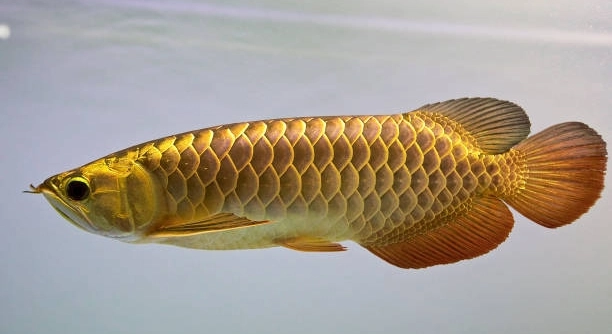
Arowanas are striking freshwater fish that attract attention for their size and shimmering scales. Many aquarists enjoy keeping them, noticing their unique movements and interactions in a home aquarium setting. These fish often become the center of attention.
Arowanas exhibit notable intelligence compared to many other fish species. They can recognize owners, remember feeding times, and display problem-solving behaviors in controlled environments, demonstrating advanced cognitive abilities that support learning, environmental adaptation, and social interactions.
Understanding the intelligence of arowanas can improve care techniques and foster a stronger connection between owners and their fish companions. Observing their behavior offers insights that are both fascinating and practical.
Arowana Learning Abilities
Arowanas are capable of learning from their surroundings more quickly than many other fish. They can identify feeding routines and respond to specific cues, such as tapping on the tank or the presence of food. Over time, they develop associations between certain actions and outcomes. This ability allows them to anticipate when meals are coming and react accordingly. They can also adjust their swimming patterns to explore new areas or avoid obstacles, showing flexibility in their behavior. In aquariums, some owners notice their arowanas recognizing themselves in reflective surfaces or reacting to different types of tank decorations. This suggests that arowanas are not just instinct-driven but can process information and adapt to it. Observing these behaviors provides insight into their intelligence and highlights the importance of a stimulating environment that encourages mental engagement and growth.
Their learning capabilities indicate a higher level of awareness than many standard aquarium fish, making them interesting to watch.
Providing varied stimuli, such as floating toys or rearranging tank features, encourages arowanas to explore and practice problem-solving. Over weeks, they may show improved navigation, faster responses to feeding, and even playful interactions. This adaptability emphasizes their cognitive skills and need for enrichment. Studies suggest that fish capable of learning routines demonstrate better overall health, as mental stimulation reduces stress and promotes natural behaviors. Owners often report that their arowanas respond differently to familiar people versus strangers, hinting at recognition and memory skills. Such behaviors reinforce the idea that intelligence in fish is not limited to basic survival but includes social recognition, environmental awareness, and the ability to remember and apply past experiences. Encouraging this mental activity improves quality of life and strengthens the connection between the fish and its caretaker.
Problem-Solving in Arowanas
Arowanas can display problem-solving behavior when faced with obstacles in their environment.
When presented with new challenges, such as barriers to reach food or novel objects in the tank, arowanas observe and experiment with different strategies. They might swim around an obstacle repeatedly, adjust their approach, or attempt multiple angles to succeed. This shows they are not merely reacting instinctively but are capable of flexible thinking. In controlled studies, arowanas have solved simple tasks that involve spatial reasoning, indicating memory retention and planning. They can remember successful strategies and apply them to similar situations later, demonstrating both short-term and long-term learning. Observing these actions can be rewarding for owners, as the fish appear to problem-solve actively rather than move randomly. Encouraging such engagement with puzzles, feeders, or rearranged tank structures promotes mental stimulation, supporting their overall health. Understanding and supporting arowanas’ problem-solving tendencies ensures a more dynamic and enriched habitat, highlighting their intelligence in practical ways.
Memory and Recognition
Arowanas can remember feeding times and recognize their owners. They often swim to specific spots in anticipation of food and react differently to familiar and unfamiliar people in the room.
Their memory extends beyond simple routines. Arowanas can recall locations within the tank, such as hiding spots or preferred resting areas. They often navigate around obstacles efficiently, indicating spatial memory. Some owners note that their fish return to certain areas after being relocated, showing the ability to remember details of their environment. These memory skills suggest advanced cognitive function for a freshwater species.
Recognition goes beyond humans. Arowanas can identify other fish and remember interactions, whether aggressive or social. This ability helps them establish territories and maintain a sense of familiarity within their tank. Recognizing patterns in feeding and movement also allows them to anticipate changes in their environment, reducing stress and encouraging natural behaviors. Memory and recognition together make arowanas more interactive and responsive than many other aquarium fish.
Social Awareness
Arowanas often observe and respond to the behavior of other fish in their tank. They notice movements, feeding habits, and aggression levels among tank mates.
Social awareness helps arowanas establish territory and avoid conflicts. They often position themselves based on the activity of other fish, maintaining balance within the environment. When new fish are introduced, arowanas may watch and adjust their behavior to fit in or assert dominance. This ability to monitor and respond to others shows they are capable of interpreting social cues. It also explains why sudden changes in the tank’s population can stress them.
Understanding their social awareness is important for tank management. Arowanas often communicate dominance through posture, swimming patterns, or subtle displays. Owners who recognize these signals can reduce aggression and create a calmer environment. Social observation also allows arowanas to learn from other fish, such as where food tends to settle or which areas are safer to explore. Encouraging compatible tank mates and monitoring interactions supports their mental health and reduces conflict, reflecting the species’ need for social intelligence alongside individual cognitive skills.
Hunting and Feeding Intelligence
Arowanas watch carefully before striking at prey. They adjust their speed and angle to catch food efficiently, showing more than instinctive behavior.
They can learn feeding routines and anticipate when meals will arrive. This makes them appear highly aware of their surroundings and responsive to changes in the environment.
Environmental Adaptation
Arowanas adapt quickly to new tank setups. They explore new structures, avoid obstacles, and adjust swimming patterns, showing flexibility in behavior. Their ability to learn and respond to changes helps them thrive in varied conditions, reflecting cognitive skills that extend beyond simple survival instincts.
Interactive Behavior
Arowanas often respond to gestures and movements outside the tank. They may follow fingers or react to tapping, demonstrating engagement and curiosity in daily interactions.
FAQ
How smart are arowanas compared to other fish?
Arowanas show higher intelligence than many common aquarium fish. They can recognize their owners, remember feeding times, and navigate their environment efficiently. Unlike simpler species that rely mostly on instinct, arowanas demonstrate learning, memory, and problem-solving skills, which makes them more interactive and engaging to observe.
Can arowanas recognize their owners?
Yes, arowanas can recognize people who feed or interact with them regularly. They often swim toward familiar individuals and react differently to strangers. This recognition shows their memory and ability to distinguish between individuals, highlighting a level of cognitive awareness unusual in many freshwater fish.
Do arowanas remember feeding routines?
Arowanas have a strong sense of routine. They anticipate feeding times, often positioning themselves near the spot where food usually appears. Their ability to remember and adjust to schedules demonstrates memory and learning, allowing them to act predictably and reducing stress caused by irregular feeding.
How do arowanas solve problems in their tank?
Arowanas use trial and error to navigate obstacles or reach food. They may change angles, adjust speed, or test different approaches until successful. This behavior shows flexibility in thinking, as they are not simply acting on instinct. Problem-solving helps them adapt to new tank setups and changing environments.
Can arowanas learn tricks or behaviors?
While not as trainable as some pets, arowanas can learn simple behaviors over time. They may respond to tapping, follow fingers, or jump for food when cued consistently. Repetition and positive reinforcement help strengthen these learned behaviors, reflecting their capacity for associative learning.
Do arowanas interact with other fish?
Arowanas observe and respond to tank mates, showing social awareness. They monitor movement, establish territories, and avoid unnecessary conflicts. When new fish are introduced, arowanas often adjust behavior based on what they observe, demonstrating memory and interpretation of social cues within the tank environment.
How do arowanas react to changes in their tank?
Arowanas adapt quickly to environmental changes. They explore new decorations, avoid obstacles, and adjust swimming routes. Their flexibility shows intelligence, as they can learn from the environment and modify behavior to maintain comfort and safety. This adaptability also helps reduce stress in a constantly changing habitat.
Are arowanas curious by nature?
Yes, arowanas show curiosity in their environment. They investigate new objects, track movements outside the tank, and engage with enrichment items. This natural curiosity encourages mental stimulation and problem-solving, supporting their cognitive growth and overall well-being in captivity.
What is the best way to stimulate an arowana’s mind?
Providing a variety of stimuli helps keep arowanas mentally active. Items like floating objects, rearranged decorations, or occasional puzzle feeders encourage exploration and problem-solving. Regular interaction with owners, such as observing hand movements or responding to taps, also promotes engagement and strengthens recognition skills.
Can arowanas distinguish between familiar and unfamiliar fish?
Yes, they can recognize previous interactions and adjust behavior accordingly. Familiar fish are often tolerated or monitored, while unfamiliar fish may trigger territorial responses. This ability highlights social memory and helps maintain balance and hierarchy within the tank.
How does intelligence affect an arowana’s health?
Mentally active arowanas show reduced stress and improved behavior. Engaging their memory, problem-solving, and social skills prevents boredom, encourages natural behavior, and contributes to overall health. A tank that stimulates their mind supports both cognitive and physical well-being, resulting in a healthier, more responsive fish.
Do arowanas show play-like behavior?
Some owners report behaviors resembling play, such as chasing objects or exploring new areas repeatedly. While not play in the human sense, these actions demonstrate curiosity, experimentation, and engagement with the environment, indicating an active and intelligent mind.
Can arowanas remember past experiences?
Arowanas are capable of long-term memory. They recall feeding patterns, tank layouts, and interactions with other fish. This memory helps them navigate safely, anticipate events, and respond appropriately to familiar situations, showing that their intelligence includes both recognition and adaptation over time.
Is it important to challenge arowanas mentally?
Yes, providing challenges supports cognitive development. Stimulating activities, such as changing tank layouts, offering varied feeding methods, or introducing new objects, help prevent boredom. Mental engagement promotes natural behaviors, reduces stress, and allows arowanas to demonstrate problem-solving, memory, and learning skills consistently.
How can owners measure their arowana’s intelligence?
Observing behaviors like memory retention, recognition of individuals, problem-solving, and adaptation to changes provides a practical measure. Owners can note how quickly the fish learns routines, responds to interactions, or navigates obstacles. Regular observation helps understand the arowana’s cognitive capabilities and mental well-being.
Do arowanas show different intelligence levels individually?
Yes, intelligence can vary between individual fish. Factors like age, environment, and previous experiences influence learning ability, memory, and social awareness. Some arowanas are more responsive and curious, while others are cautious, showing that cognitive skills differ across the species.
How long do arowanas retain learned behaviors?
Learned behaviors can be retained for months or even longer. Routine feeding, recognition of humans, and responses to environmental cues often persist, demonstrating that arowanas have durable memory and the ability to apply past experiences to current situations.
What role does social environment play in intelligence?
Interaction with other fish influences learning and memory. Observing and responding to tank mates teaches spatial awareness, conflict avoidance, and social positioning. Arowanas benefit from a stable environment with compatible companions, which supports the development and expression of their cognitive abilities.
Can arowanas become bored?
Yes, a lack of stimulation can lead to repetitive or lethargic behavior. Providing environmental enrichment, mental challenges, and interaction helps maintain cognitive activity, reduces stress, and encourages natural problem-solving and exploration.
What are signs of an intelligent arowana?
Indicators include recognizing owners, remembering routines, solving problems, interacting with other fish appropriately, and exploring new objects or tank changes. These behaviors highlight memory, learning, adaptability, and social awareness, which together show that arowanas are far more cognitively capable than many people expect.
How does feeding affect intelligence?
Varied and interactive feeding promotes cognitive engagement. Using puzzle feeders, live prey, or timed feeding helps arowanas develop problem-solving skills and memory. Consistent routines combined with challenges stimulate their mind and reinforce learned behaviors, supporting overall mental health.
Do arowanas communicate with each other?
Arowanas use body movements, swimming patterns, and posturing to convey dominance or submission. Recognizing these signals allows them to maintain social order and avoid unnecessary conflicts. Their ability to interpret such cues demonstrates social intelligence and environmental awareness.
Can intelligence be improved in arowanas?
Yes, regular mental stimulation, environmental changes, and interactive feeding can enhance cognitive function. Encouraging problem-solving, memory exercises, and observation of social cues helps arowanas develop sharper learning abilities and better adaptability over time.
Are arowanas capable of emotional responses?
While fish emotions differ from mammals, arowanas respond to stress, safety, and social cues. They show excitement during feeding, caution with strangers, and agitation with sudden changes. These responses reflect awareness and sensitivity to their environment, indicating an advanced level of cognition for a freshwater fish.
Does tank size influence intelligence?
Larger, enriched tanks provide more opportunities for exploration, problem-solving, and social observation. Arowanas in spacious environments can exercise memory and navigation skills more effectively, promoting cognitive growth and reducing stress. Adequate space supports their mental and physical development.
How can owners track cognitive growth?
Keeping notes on feeding response, problem-solving, recognition, and social behavior helps track intelligence. Changes over time indicate learning capacity, memory retention, and adaptability. Observing interactions with the environment and other fish provides insight into cognitive progression and mental well-being.
Do arowanas remember negative experiences?
Yes, they avoid areas, objects, or fish associated with stress or aggression. This learned avoidance reflects memory, spatial awareness, and the ability to apply past experiences to protect themselves, highlighting practical intelligence in daily behavior.
How long does it take for arowanas to learn routines?
Learning feeding schedules or responding to interactions can take days to weeks, depending on the individual and consistency. Repetition and a stable environment accelerate learning, demonstrating the species’ ability to retain and apply knowledge over time.
Are young arowanas as smart as adults?
Young arowanas display learning and memory but may be less efficient in problem-solving and social awareness. Cognitive abilities improve with age, experience, and interaction, meaning maturity brings enhanced intelligence and adaptability.
Do arowanas show individual personalities?
Yes, intelligence often reflects personality. Some fish are more curious, playful, or bold, while others are cautious or solitary. Personality differences influence learning speed, memory retention, and social interactions, making each arowana unique in behavior and cognitive expression.
Can arowanas learn from observation?
Arowanas watch other fish and replicate successful strategies, such as finding food or avoiding obstacles. Observational learning demonstrates advanced cognition, showing that they are capable of more than instinctive behavior.
How does environmental enrichment affect mental health?
Providing challenges, varied decorations, and interactive feeding reduces stress, encourages exploration, and stimulates problem-solving. Enrichment supports memory retention, recognition, and social behavior, ensuring arowanas remain engaged, healthy, and mentally active in captivity.
Do arowanas experience boredom if unstimulated?
Yes, limited stimulation leads to inactivity, repetitive swimming, or stress. Regular mental challenges, new objects, and interaction with humans or other fish prevent boredom and support cognitive function, making them more active and responsive.
Can arowanas recognize themselves in reflections?
Some arowanas show awareness of reflective surfaces, distinguishing movements as separate from other fish. This behavior suggests self-recognition or at least the ability to process visual information in a sophisticated way, reflecting advanced cognitive processing.
Do arowanas respond to human gestures consistently?
Arowanas may follow fingers, react to taps, or swim toward hand movements. Consistent responses over time indicate learning and memory, showing they can associate gestures with feeding or interaction, demonstrating recognition and cognitive engagement.
Are arowanas capable of learning from mistakes?
Yes, they adjust behavior when previous attempts fail, using trial and error to find effective solutions. This ability to learn from mistakes is a clear indicator of problem-solving skills and flexibility in thinking.
How much stimulation is ideal for cognitive development?
A balanced approach works best: regular interaction, varied feeding, and environmental enrichment keep arowanas mentally active without overwhelming them. Adequate stimulation promotes learning, memory, and social skills, supporting overall intelligence and well-being in captivity.
Does intelligence vary by species of arowana?
Different arowana species show variations in behavior, problem-solving, and social interaction. While all display cognitive abilities, size, temperament, and natural habitat influence the degree of intelligence observed. Awareness of these differences helps owners provide appropriate enrichment and care.
Can arowanas form bonds with their owners?
They show recognition and anticipation toward familiar humans, often swimming toward them at feeding times. This behavior indicates memory, awareness, and a level of trust, which can be interpreted as a form of bonding.
Do arowanas adapt better in groups or alone?
Arowanas can live alone but benefit from observing other fish. Social interaction allows learning from others and practicing awareness, while solitary living may require more environmental enrichment to compensate for reduced social stimulation.
How do changes in feeding method affect learning?
Introducing new feeding techniques, like floating pellets or live food, encourages problem-solving and memory development. Changing routines occasionally strengthens learning and keeps the fish engaged, enhancing cognitive abilities while maintaining interest in their environment.
Can arowanas remember their tank layout?
Yes, they navigate efficiently and return to preferred spots. Memory of tank layout helps reduce stress, avoid obstacles, and locate food or hiding areas. Their spatial memory supports daily survival and adaptive behavior, showing advanced cognitive skills for a fish species.
Do arowanas communicate fear or stress?
They change swimming patterns, posture, or hide when threatened. These signals reflect awareness and sensitivity to their environment, indicating that intelligence in arowanas involves not just learning but also interpreting and responding to risk.
Are arowanas capable of planning?
While not planning in the human sense, arowanas demonstrate anticipation by positioning themselves for feeding, avoiding known threats, and navigating obstacles efficiently. These behaviors reflect foresight based on memory and observation.
How important is tank enrichment for problem-solving?
Environmental challenges like rearranged decorations or puzzle feeders encourage exploration and learning. Enrichment supports memory, spatial awareness, and adaptability, allowing arowanas to express intelligence naturally while maintaining engagement and mental health.
Do arowanas recognize danger in their environment?
They respond to sudden changes, aggressive tank mates, or perceived threats by adjusting behavior. This awareness and ability to react appropriately shows cognitive processing and survival instinct, reinforcing that intelligence in arowanas extends beyond simple routines.
Can intelligence in arowanas decline with age?
Cognitive decline is possible but often minimal if the environment remains stimulating. Consistent enrichment, social interaction, and proper care help maintain memory, learning, and problem-solving abilities throughout their lifespan.
How do arowanas demonstrate curiosity?
They explore new objects, follow movements outside the tank, and investigate changes in their environment. Curiosity encourages learning, observation, and problem-solving, contributing to mental stimulation and overall well-being.
Do arowanas respond differently to humans based on past interactions?
Yes, they remember previous experiences with specific people, showing either recognition, excitement, or caution. This memory and ability to differentiate between individuals reflect advanced cognitive skills and social awareness.
Can arowanas be trained to perform specific behaviors?
With repetition and consistency, arowanas can learn basic responses, such as jumping for food or following a finger. While training is limited, these behaviors reflect associative learning, memory retention, and responsiveness to stimuli.
Does mental stimulation affect lifespan?
A mentally active arowana tends to experience lower stress, healthier behavior, and improved overall well-being. Providing enrichment and interaction indirectly supports longevity by promoting physical activity, mental engagement, and natural behavior expression.
Are arowanas capable of remembering other fish?
Yes, they recall previous interactions, whether social or aggressive. This memory helps them establish territory, avoid conflict, and maintain social balance, highlighting intelligence in social dynamics.
How do owners know if their arowana is learning?
Owners can observe consistent responses to feeding cues, gestures, or environmental changes. Successful navigation of obstacles, anticipation of routines, and recognition of individuals are clear signs that learning is occurring.
Do arowanas show emotions related to intelligence?
Behavioral responses to feeding, interaction, or stress suggest awareness and sensitivity. Excitement, caution, and engagement reflect cognitive processing, indicating that intelligence in arowanas is closely linked to perception and emotional response.
Can arowanas remember negative experiences for long periods?
Yes, they avoid situations or areas associated with stress or aggression. Long-term memory of such experiences demonstrates learning, problem-solving, and the ability to apply knowledge to protect themselves.
Do arowanas benefit from changing tank layouts?
Periodic rearrangement encourages exploration, spatial memory, and problem-solving. Changes keep the environment stimulating, supporting cognitive development, curiosity, and engagement.
Are arowanas aware of reflections or mirrors?
Some show recognition or investigation of reflective surfaces, reacting differently than to other fish. This awareness suggests visual processing beyond instinct and highlights their cognitive capacity for observation and recognition.
Do arowanas respond to consistent cues like tapping or hand movements?
Repeated exposure to cues leads to recognition and response, showing learning and memory. They can anticipate feeding or interaction based on these stimuli, reflecting intelligence and cognitive engagement.
How does intelligence affect tank care?
Understanding arowanas’ cognitive abilities allows owners to provide enriched environments, consistent routines, and compatible tank mates. Proper care supports mental health, problem-solving, and social behaviors, ensuring a more active and responsive fish.
Can intelligence vary with diet or nutrition?
A balanced diet supports brain function, alertness, and problem-solving ability. Malnutrition or monotonous feeding can reduce responsiveness and engagement, while varied and nutritious food encourages activity, learning, and memory retention.
Do arowanas interact differently with each other based on past experiences?
Yes, prior interactions influence current behavior. Aggressive or cooperative encounters shape responses, demonstrating memory, social intelligence, and the ability to adapt to relationships within the tank.
How important is consistency for learning in arowanas?
Regular routines and predictable interactions strengthen memory and learning. Consistency helps arowanas anticipate events, respond appropriately, and apply learned behaviors, fostering intelligence and reducing stress in the tank environment.
Can intelligence be measured objectively in arowanas?
While formal testing is limited, observing problem-solving, memory, recognition, and social behavior provides practical insight into cognitive abilities. Tracking changes over time helps gauge learning, adaptability, and mental engagement.
Do arowanas respond differently to enrichment based on species or individual traits?
Yes, species traits and personality influence responsiveness. Some are more curious or active, while others are cautious. Tailoring enrichment to individual behavior ensures mental stimulation and promotes cognitive development effectively.
Can arowanas remember specific locations of food or hiding spots?
They use spatial memory to locate food, favorite resting areas, or hiding spots efficiently. This ability reduces stress, improves navigation, and shows cognitive function that goes beyond instinctive behavior.
Do arowanas show signs of intelligence when interacting with humans daily?
Yes, consistent observation shows anticipation, recognition, curiosity, and engagement. These behaviors indicate memory, learning, and responsiveness, making daily interactions both stimulating and informative about their cognitive abilities.
Can intelligence affect how arowanas respond to tank changes?
Highly intelligent arowanas adapt more quickly to new layouts, objects, or companions. Their memory and problem-solving skills allow them to navigate changes efficiently, reducing stress and maintaining natural behaviors.
Do arowanas recognize feeding patterns over time?
They learn and remember feeding times, locations, and methods. This anticipation demonstrates memory and cognitive skills, ensuring they respond efficiently and adapt behavior based on routine and experience.
How can owners encourage long-term memory in arowanas?
Regular interaction, environmental enrichment, and consistent feeding schedules strengthen memory. Occasional novel challenges stimulate recall and problem-solving, supporting long-term cognitive development.
Do arowanas show different intelligence levels as they age?
Cognitive abilities improve with age and experience. Younger arowanas may learn slower, while older fish display better memory, problem-solving, and social awareness. Proper care and stimulation maintain these skills throughout their lifespan.
Are arowanas capable of associative learning?
Yes, they link actions with outcomes, such as responding to gestures for food. Associative learning allows anticipation, problem-solving, and recognition of
Arowanas are much more than beautiful, shimmering fish that draw attention in an aquarium. Their intelligence sets them apart from many other freshwater species. From recognizing their owners and anticipating feeding times to solving problems in their environment, arowanas demonstrate cognitive abilities that show learning, memory, and social awareness. Observing their behavior over time reveals how they adapt to new situations, remember interactions, and respond to changes in their surroundings. This intelligence makes them engaging to watch and provides a deeper understanding of fish behavior beyond instinct alone. Many owners are surprised at how responsive these fish can be, reacting not only to physical stimuli but also to patterns, routines, and social cues.
Understanding the mental capacity of arowanas also helps in providing proper care. A tank that challenges their problem-solving skills and encourages exploration contributes to their well-being. Environmental enrichment, such as adding objects, rearranging tank decorations, or offering varied feeding methods, stimulates their cognitive abilities and encourages natural behaviors. Social observation plays a role as well; arowanas notice other fish in the tank, establish territory, and interact with companions based on prior experiences. This social awareness reflects both memory and decision-making skills, highlighting the importance of providing a compatible and dynamic environment. Feeding routines, consistent interactions, and opportunities for observation or exploration allow arowanas to use their intelligence effectively, reducing stress and supporting their overall health.
Observing arowanas in their tanks can be both fascinating and instructive. They exhibit curiosity, recognize familiar faces, and adapt to changes, demonstrating cognitive abilities that are often underestimated in fish. Their intelligence impacts not just daily behavior but also long-term health and enrichment needs. By paying attention to their problem-solving skills, memory retention, and social interactions, owners can create a supportive environment that encourages learning and engagement. Appreciating the mental capacities of arowanas encourages better care practices and allows a closer connection between the fish and its caretaker. In many ways, their intelligence adds depth to the aquarium experience, turning a tank of fish into a space of interaction, observation, and understanding that goes far beyond simple visual appeal. Engaging with these fish thoughtfully ensures they thrive both mentally and physically.

Hello,
If you enjoy the content that we create, please consider saying a "Thank You!" by leaving a tip.
Every little bit helps us continue crafting quality advice that supports the health, happiness, and well-being of pets around the world, for pets of all shapes, sizes, and species.
We really appreciate the kindness and support that you show us!