
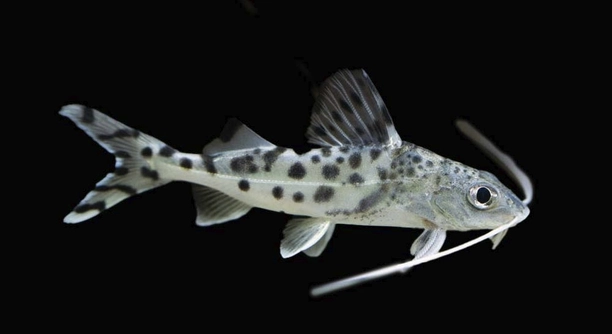
Feeding your Pictus catfish correctly is important for its health and well-being. Many owners wonder how often these active fish should be fed to keep them happy and thriving in their aquarium environment. Proper feeding schedules can make a big difference.
Pictus catfish should generally be fed once or twice daily, offering only the amount they can consume within a few minutes. Overfeeding can cause water quality issues and health problems, so controlling portions is essential for their care.
Knowing the right feeding routine helps maintain a balanced aquarium and supports your fish’s longevity. The following details will explain the best practices for feeding your Pictus catfish.
Understanding Pictus Catfish Feeding Habits
Pictus catfish are nocturnal bottom dwellers that prefer to feed during the evening or night. Their natural diet includes small insects, crustaceans, and plant matter. In captivity, they appreciate sinking pellets, live or frozen foods like bloodworms, and occasional vegetable treats. It’s important to mimic their natural feeding habits to keep them comfortable and healthy. Overfeeding can lead to uneaten food settling in the tank, which affects water quality and can harm your fish. Feeding small amounts at regular intervals helps prevent this issue. Additionally, Pictus catfish have sensitive barbels used for detecting food, so a clean tank environment is necessary to avoid infections. Providing a balanced diet supports their active lifestyle and vibrant appearance.
Feeding your Pictus catfish at consistent times daily establishes a reliable routine and promotes their well-being.
Ensuring your fish receive a balanced diet tailored to their needs involves observing their behavior and adjusting feeding amounts accordingly. Offering a variety of food types can enhance their nutrition and keep them interested. Watching how quickly they consume the food helps prevent overfeeding. Using sinking pellets or tablets designed for bottom feeders ensures the food reaches them properly. Live or frozen options like bloodworms and brine shrimp are excellent protein sources but should be given sparingly. Including some vegetable matter occasionally helps meet dietary needs. Regular cleaning of the tank floor removes leftover food and reduces health risks. Paying attention to these details will improve your Pictus catfish’s health and make caring for them more rewarding.
Signs of Overfeeding and How to Avoid It
Overfeeding Pictus catfish can cause water pollution and digestive issues.
Uneaten food decomposes in the tank, raising ammonia levels that stress or harm your fish. Excess food intake can lead to obesity and reduce your catfish’s lifespan. To avoid these problems, offer small portions and remove leftover food promptly. Feeding once or twice a day is sufficient, with careful monitoring. Keeping the tank clean and testing water quality regularly helps detect early signs of trouble. Avoid feeding during the day when your fish are less active, as this can increase leftover food. Using a feeding ring or designated area can concentrate food and simplify cleanup. Maintaining a healthy feeding routine is key to your Pictus catfish’s long-term health and tank environment.
Best Types of Food for Pictus Catfish
Pictus catfish thrive on a varied diet that includes sinking pellets, frozen foods, and occasional vegetables. A balanced mix supports their nutritional needs and keeps them healthy.
High-quality sinking pellets designed for bottom feeders provide essential nutrients and are convenient for regular feeding. Frozen or live foods like bloodworms and brine shrimp offer protein that supports growth and activity. Supplementing with blanched vegetables, such as zucchini or cucumber, helps supply fiber and vitamins. It is important to avoid overfeeding these treats, as excessive protein or vegetables can upset their digestion. Rotating food types prevents boredom and encourages natural feeding behavior, which is important for their well-being in captivity.
Providing a variety of food types simulates the catfish’s natural diet and encourages healthier feeding habits. This approach also reduces the risk of nutritional deficiencies and enhances their overall vitality. Observing how your fish respond to different foods can help you tailor their diet more effectively, ensuring they stay active and vibrant. Using high-quality, nutrient-rich foods will improve their immune system and appearance over time.
Feeding Schedule Tips for Pictus Catfish
Feeding your Pictus catfish once or twice daily at consistent times helps maintain their health and reduces waste buildup.
Establishing a routine supports their natural feeding rhythms and helps you monitor their intake. Feeding in the evening aligns with their nocturnal habits, making them more likely to eat efficiently. It’s important to offer only what they can consume in a few minutes to prevent leftover food from polluting the tank. Adjust feeding frequency based on their activity levels, increasing slightly if they appear hungry but never overfeeding. Regular tank cleaning combined with a consistent schedule creates a stable environment that promotes longevity and reduces stress for your catfish.
Feeding Frequency Adjustments
Young Pictus catfish need to be fed more frequently than adults. They benefit from two or three smaller meals daily to support their growth.
Adult catfish do well with one or two feedings per day. Watching their behavior helps determine if feeding frequency needs adjustment.
Avoiding Common Feeding Mistakes
Overfeeding is the most common mistake and can cause poor water quality and health issues. Underfeeding may lead to malnutrition and weakened immune systems.
Maintaining balance by feeding the right amount at the right times helps prevent these problems and keeps your fish healthy.
Monitoring Your Catfish’s Appetite
Changes in appetite can signal health problems or tank issues. Regular observation helps catch problems early before they worsen.
Treats and Supplements
Treats should be given sparingly and only occasionally to avoid upsetting their diet balance.
FAQ
How much should I feed my Pictus catfish at each feeding?
Feed your Pictus catfish only the amount they can eat within three to five minutes. Typically, this means offering a small pinch of sinking pellets or a few pieces of frozen food. Overfeeding leads to leftover food, which can harm water quality and your fish’s health. Observing their eating speed helps you adjust portions properly.
Can I feed my Pictus catfish flakes or only sinking pellets?
Sinking pellets are the best choice because Pictus catfish are bottom feeders. Flakes tend to float and might not reach them before other fish eat them. If you do feed flakes, make sure they sink quickly or supplement flakes with sinking food options.
Is it okay to feed live food regularly?
Live food such as bloodworms or brine shrimp is excellent as a protein source but should be fed only occasionally. Overreliance on live food can lead to nutritional imbalance. Use it as a treat or supplement to a staple diet of pellets and frozen foods.
How often should I feed baby Pictus catfish compared to adults?
Baby Pictus catfish need to eat more frequently — usually two to three times a day. They grow quickly and need more energy. Adults do well with one or two feedings daily. Adjust amounts and frequency depending on their activity and appetite.
What happens if I overfeed my Pictus catfish?
Overfeeding causes uneaten food to rot, raising harmful ammonia and nitrate levels in the tank. This leads to poor water quality, stress, illness, and sometimes death. It can also cause obesity and digestive problems in your fish. Stick to small portions and remove uneaten food promptly.
Can Pictus catfish eat vegetables?
Yes, they can eat blanched vegetables like zucchini or cucumber occasionally. Vegetables provide fiber and some nutrients but should not be a main part of their diet. Too much vegetable matter can cause digestive upset.
Should I feed my Pictus catfish during the day or night?
Pictus catfish are nocturnal and prefer feeding in the evening or at night. Feeding during the day is possible but often less effective because they are less active and may not eat as much. Evening feeding matches their natural habits.
How can I tell if my Pictus catfish is healthy based on feeding?
A healthy Pictus catfish eagerly eats during feeding times and maintains a consistent appetite. Sudden loss of appetite or refusal to eat can signal stress or illness. Regular observation of feeding behavior helps catch problems early.
Is it necessary to vary my Pictus catfish’s diet?
Yes, variety prevents nutritional deficiencies and keeps your catfish interested in food. Using sinking pellets, frozen foods, occasional live food, and some vegetables creates a balanced diet that supports health and vitality.
What should I do if my Pictus catfish refuses to eat?
Check water quality and tank conditions first, as poor environment causes stress and loss of appetite. Try offering different food types or feeding at night when they are more active. If the problem continues, consult a veterinarian for possible health issues.
Can feeding frequency affect water quality?
Yes, feeding too often or giving large amounts causes leftover food that decomposes and harms water quality. Feeding smaller amounts less frequently helps maintain clean water and a healthier tank environment.
Are treats necessary for Pictus catfish?
Treats are not necessary but can be given occasionally to enrich the diet. Use them sparingly to avoid upsetting the nutritional balance or causing water quality issues.
How long can Pictus catfish go without food?
They can survive for a few days without food but should not be starved intentionally. Regular feeding maintains their health, energy, and immune function. Skipping one feeding occasionally is not usually harmful.
What are the signs of overfeeding besides leftover food?
Look for bloated bellies, sluggish behavior, or gasping at the surface. Water quality tests may show increased ammonia and nitrite levels. These signs indicate overfeeding and require immediate adjustment to feeding amounts.
Can Pictus catfish eat commercial fish food meant for other species?
They can eat some commercial fish foods, but it is best to use products designed for bottom feeders or catfish. Other foods may not provide the correct nutrients or could float away uneaten.
How do I introduce new foods to my Pictus catfish?
Introduce new foods gradually alongside their regular diet. Monitor how they respond and ensure they accept the new food. Sudden diet changes can cause stress or digestive upset.
Is feeding at the same time every day important?
Yes, a consistent feeding schedule helps regulate their metabolism and reduces stress. Fish learn when to expect food, which improves appetite and digestion.
Should I feed my Pictus catfish if the tank is overcrowded?
Overcrowding increases competition and waste buildup, making feeding more complicated. Feed small portions more frequently and monitor carefully to ensure all fish get food without overfeeding.
Does water temperature affect feeding?
Yes, colder water slows metabolism, reducing appetite. Warmer water increases activity and feeding needs. Adjust feeding frequency and amounts based on tank temperature to avoid over or underfeeding.
Can Pictus catfish survive on pellets alone?
They can survive on good-quality sinking pellets but will benefit from diet variety for optimal health. Pellets should form the diet base, supplemented with frozen, live, or vegetable foods.
Feeding your Pictus catfish properly is important for keeping them healthy and happy. These fish require a balanced diet that mimics their natural feeding habits as much as possible. Offering the right amount of food at the right times helps avoid problems like overfeeding, which can harm both the fish and the tank environment. Understanding how often and what to feed your catfish allows you to provide better care and create a stable habitat.
A consistent feeding schedule benefits both you and your fish. Feeding once or twice a day with small portions ensures the catfish get enough nutrients without causing excess waste. It also helps maintain good water quality, which is essential for their health. Observing your Pictus catfish’s eating behavior gives you clues about their needs, such as whether to adjust feeding amounts or types of food. Providing variety through sinking pellets, frozen or live foods, and occasional vegetables promotes overall well-being and keeps the fish interested in their meals.
Taking time to learn about your Pictus catfish’s dietary needs pays off in a long, healthy life for your fish. Avoiding common mistakes like overfeeding or irregular feeding can reduce stress and disease risk. Keeping their tank clean and monitoring water conditions further supports their health. Feeding is not just about giving food but about creating an environment that allows your catfish to thrive. By following these basic guidelines, you will help ensure your Pictus catfish remains an active and vibrant part of your aquarium.

Hello,
If you enjoy the content that we create, please consider saying a "Thank You!" by leaving a tip.
Every little bit helps us continue crafting quality advice that supports the health, happiness, and well-being of pets around the world, for pets of all shapes, sizes, and species.
We really appreciate the kindness and support that you show us!