
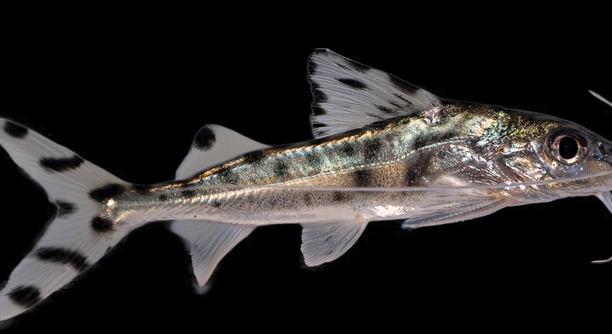
Is your Pictus catfish swimming sluggishly or hiding more often than usual in a tank that seems clean and well-maintained?
Improving water flow for Pictus catfish involves adjusting filtration, positioning decorations strategically, and ensuring consistent maintenance. These changes mimic the fish’s natural habitat and support healthier swimming behavior, oxygenation, and waste removal, promoting their overall well-being and vitality.
There are simple ways to enhance your tank’s environment and create the steady, flowing water your catfish naturally prefers.
Adjust Filter Placement and Strength
Strong, steady water flow helps mimic the Pictus catfish’s natural river habitat. Start by checking your filter’s placement. Position it near one end of the tank to create a directional flow across the tank. If your filter has adjustable settings, increase the flow slightly but avoid making it too strong. Pictus catfish prefer movement but can become stressed in overly turbulent water. You can also use a spray bar or directional nozzle to spread out the current more evenly. If you notice dead spots—areas with little or no movement—adjust decorations or add a small powerhead to move the water around. This improves oxygen levels and keeps debris from settling. Your goal is to create gentle but consistent water movement across the tank, especially near the bottom where catfish like to roam.
A single filter may not always be enough, especially in longer tanks with uneven flow patterns.
Look closely at how your fish are behaving. If they avoid certain spots, swim less, or seem more sluggish, the flow may be too weak or poorly directed. Moving decorations or adding another filter can help balance things out. Be patient and test changes one step at a time to avoid sudden stress on your fish.
Add Powerheads for Better Circulation
Powerheads help improve water circulation in larger tanks or setups with heavy decorations.
A powerhead moves water across the tank without increasing the overall filtration. It’s especially useful if your current setup has calm corners or low-movement areas that collect waste. Placing one opposite your main filter can create a circular flow, helping your Pictus catfish stay active and improving oxygen distribution. You don’t need to go for the highest setting—start with low flow and increase gradually if needed. Choose a model with adjustable output so you can fine-tune it to your fish’s comfort. Be mindful of placement; position it high enough to avoid stirring up the substrate but low enough to affect the bottom layers. Powerheads are easy to install and can be moved around as needed. You’ll often see a noticeable improvement in fish movement and tank cleanliness once the flow becomes more balanced. It’s a simple change that can lead to a healthier environment.
Clean and Rearrange Decorations Regularly
Decorations can block water flow and collect debris if they’re not cleaned or positioned properly. Rearranging them helps prevent stagnant areas and encourages more balanced circulation throughout the tank.
Start by checking for spots where waste tends to build up. Rocks, driftwood, and large plants should be spaced out enough to let water pass between them. When too many items are clustered together, they restrict movement and lower oxygen levels at the bottom. Use smaller, open decorations near the substrate and taller ones at the back or sides to keep the flow open. Cleaning each item during water changes helps too—algae and grime reduce flow efficiency over time. Your goal is to create a layout that allows steady movement while still giving your catfish hiding spaces. A little rearranging can go a long way toward keeping the tank environment more stable and healthier for your fish.
Avoid placing decorations directly in front of filter outputs or powerheads. This can lead to uneven flow and dead zones. When setting things up, observe how water moves around them and make small adjustments as needed. Over time, you’ll notice cleaner surfaces, more active fish, and fewer issues with buildup in corners or under objects. It’s a simple habit with a noticeable impact.
Keep Substrate Clean and Shallow
Thick or dirty substrate blocks water movement and holds waste, affecting tank flow and fish health.
Use a shallow layer of substrate—around one to two inches is usually enough for Pictus catfish. Anything deeper can trap food, waste, and detritus, making it harder for your filters to keep the water clean. Gravel vacuuming during water changes removes trapped debris and allows better flow through the bottom layer. If you notice cloudiness or odd smells coming from the substrate, cleaning more often or removing some depth may help. Smooth gravel or sand works well, as sharp edges can harm the fish’s whiskers. Rearranging the substrate slightly during cleanings also helps break up compacted areas. A clean, thin base encourages healthy movement and stops waste from piling up.
Try not to stir up the entire substrate all at once, especially in older tanks. Disturbing too much material can release toxins into the water, stressing your fish. Focus on one section per cleaning session and rotate areas each time. If you’ve used undergravel filters or have heavy plantings, make sure the water can still flow through. You’ll notice a difference in how clear the water looks and how active your Pictus becomes. Clean substrate also means fewer hidden messes and easier maintenance in the long run.
Use Surface Agitation to Improve Oxygen Levels
Water movement at the surface helps oxygen dissolve into the tank. Use your filter output or an air stone to create ripples without making splashes. This supports healthy respiration and keeps your Pictus catfish more active and alert.
If the surface stays too still, oxygen levels drop quickly. This can stress your fish and reduce their energy. Adjust the angle of your filter or add a bubbler to gently stir the top. Small changes in surface movement often lead to noticeable improvements in fish behavior and tank clarity.
Perform Regular Water Changes to Prevent Stagnation
Consistent water changes remove waste, balance nutrient levels, and keep the water moving. Aim for 25% weekly, using a gravel vacuum to clean as you go. This helps reduce dead spots and improves overall circulation. Still water leads to buildup, while clean water allows better flow and stronger filtration. Be sure to match water temperature and dechlorinate before refilling. Avoid skipping too many changes in a row—even tanks that look clean may have flow issues under the surface. Keeping the schedule consistent is one of the easiest ways to support your Pictus catfish’s environment and boost water flow without adding more equipment.
Avoid Overcrowding the Tank
Too many fish or decorations slow down water flow and reduce oxygen levels. Stick to appropriate stocking limits and keep open swimming areas available. This helps your Pictus catfish stay healthy and active with fewer flow issues.
FAQ
How can I tell if the water flow is too strong for my Pictus catfish?
If your Pictus catfish is constantly hiding, struggling to swim, or staying in corners away from the flow, the current might be too strong. You may also notice them sticking close to the substrate or behind decorations. While they like movement, excessive flow can cause stress. Try lowering the filter output or adjusting the direction to see if their behavior improves. Gentle, steady current is ideal—enough to move debris but not so strong that it forces the fish to fight it constantly. Watch their movements and adjust the setup gradually based on what you see.
What’s the best filter type for creating good water flow?
Canister filters and hang-on-back (HOB) filters are both great options. Canister filters are better for larger tanks and offer more control over flow direction and intensity. HOB filters are simple to set up and work well for smaller setups. If you use a sponge filter, pair it with an air pump that has adjustable pressure. The goal is to choose a filter that suits your tank size and offers enough flow without making the water choppy. Check if the output can be directed, and consider adding a spray bar or powerhead if you need more circulation.
How often should I check the water flow in my tank?
It’s good to observe water movement at least once a week. Look at floating debris, the surface ripple, and how your fish are swimming. During regular maintenance, check for clogs in your filter or buildup around decorations that might block flow. Any time you make changes—like adding new plants, decorations, or fish—monitor the flow closely for a few days. Flow issues may not always be obvious right away, but regular observation helps you catch small problems before they affect your fish.
Can poor water flow cause health issues for Pictus catfish?
Yes, it can. Stagnant water reduces oxygen levels and allows waste to settle, increasing ammonia and bacteria. Pictus catfish are bottom-dwellers, so they’re more exposed to these conditions. Poor flow can lead to fin rot, stress, and even breathing difficulties. Clean, well-circulated water helps your fish stay active and supports their immune system. Good flow also keeps temperature and nutrients balanced throughout the tank, helping your catfish live longer and stay more comfortable.
Is adding an air stone enough to improve flow?
An air stone improves surface agitation, which helps with oxygen levels, but it’s not always enough on its own. If your tank has many decorations or low filtration, you may still have dead spots. Use the air stone to complement your main filter. Placing it in an area with low movement can help stir that section of the tank. Some setups benefit from combining an air stone with a powerhead or directional filter to keep water moving across all areas.
How do I spot a dead zone in the tank?
Dead zones are areas where water doesn’t circulate well. You can find them by looking for leftover food, fish waste, or algae growth in specific corners or under objects. If fish avoid those areas or debris gathers without moving, flow is likely too weak there. You might also notice cloudy water or poor oxygenation in those zones. Adjusting the direction of your filter or placing a powerhead nearby usually fixes it. It helps to shift decorations occasionally and clean them to reduce blockage.
Do I need to change flow settings at night?
No, it’s usually not necessary. Fish adjust to consistent flow, and keeping it stable overnight helps maintain oxygen levels. Sudden changes in current can stress Pictus catfish, especially while they rest. If you have equipment that creates strong flow, just ensure it’s not overly loud or disruptive at night. Stability in both current and oxygen is more important than mimicking day-night changes in flow. If you’re concerned about noise, consider using quieter air pumps or adjusting output direction instead of turning things off.
What role do plants play in water flow?
Live plants can slow water movement if they’re densely placed, especially in corners. While they help with filtration and oxygenation, they can also block flow if not spaced out well. Trim them regularly and avoid overcrowding near filter outputs or in dead spots. Floating plants can reduce surface movement, so monitor them if oxygen levels drop. Use plants to add variety, but make sure they don’t interfere with your overall tank circulation. Plant layout should support, not hinder, steady water flow.
Final Thoughts
Improving water flow in your tank is one of the most effective ways to support the health and behavior of your Pictus catfish. These fish are active swimmers that come from fast-moving rivers, so a steady current helps them feel more at home. Proper flow also keeps oxygen levels balanced and prevents waste from settling. Even small changes like moving a decoration or adjusting a filter angle can make a big difference in how the water moves. Watching your fish after each change helps you see what’s working and what needs improvement. Over time, you’ll start to notice clearer water, more active fish, and easier maintenance.
Every tank is different, so it’s important to find a flow setup that fits your specific space and equipment. There’s no single right way to do it. Some tanks may need a powerhead, while others just need a better filter position. The key is to avoid stagnant areas, support oxygen flow, and allow waste to reach the filter more easily. Keeping the substrate shallow, cleaning decorations regularly, and doing water changes on schedule all help support better circulation. If something feels off—like fish hiding more than usual or odd smells—it’s often a sign that water flow or cleanliness needs attention. Regular observation is one of the best tools you have.
When your tank has the right balance of flow, your Pictus catfish will be more energetic, curious, and responsive. They’ll swim around more, explore different parts of the tank, and show more natural behavior. Creating that balance doesn’t require expensive tools or complex setups—it just takes attention to detail and a little time. Making gradual changes, checking for dead spots, and keeping up with routine cleaning will help you maintain a tank that both looks better and supports healthy fish. The more familiar you become with how your setup works, the easier it becomes to fine-tune flow without needing to guess. In the long run, a well-flowing tank is better for your fish and more enjoyable for you to maintain.

Hello,
If you enjoy the content that we create, please consider saying a "Thank You!" by leaving a tip.
Every little bit helps us continue crafting quality advice that supports the health, happiness, and well-being of pets around the world, for pets of all shapes, sizes, and species.
We really appreciate the kindness and support that you show us!