
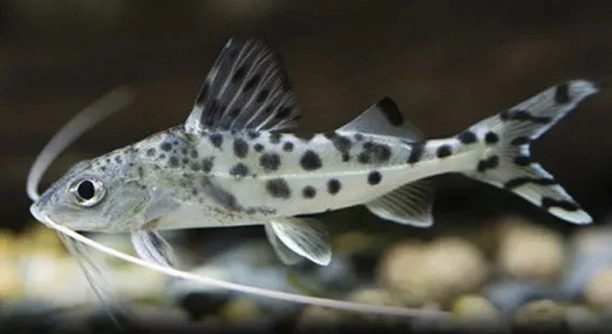
Pictus catfish are popular freshwater fish known for their active and social behavior. Many aquarium owners notice these fish swimming around at regular times. Observing their habits often leads to questions about their ability to learn and follow routines.
Pictus catfish can learn simple routines through repeated exposure and consistent environmental cues. Their ability to associate feeding times or specific signals with food demonstrates basic learning behavior, although their memory and training capacity remain limited compared to more complex species.
Understanding how pictus catfish respond to routine can help aquarium keepers improve care and interaction with their pets. This knowledge sheds light on the behavior of these fascinating fish in home aquariums.
How Pictus Catfish Recognize Patterns
Pictus catfish rely heavily on their senses to understand their environment. They use sight, smell, and even vibrations in the water to detect changes. When feeding happens at the same time daily, these fish start to notice the pattern. They connect certain signals, like the sound of food hitting the water or the movement of their owner, with mealtime. Over days and weeks, this repeated exposure helps them form simple habits. While their learning is not very complex, it is clear they can recognize regular patterns. This ability helps them feel more secure and less stressed in the tank, knowing when to expect food or changes. Observing them become more alert or swim closer during feeding times is a sign they are aware of the routine.
Their learning is based mainly on repetition and environmental cues. They respond best to consistent schedules.
Building this routine connection can improve your relationship with your fish and create a more engaging aquarium experience.
Training Methods for Routine Learning
Repetition is the key to training pictus catfish. To encourage routine learning, feed them at the same time every day. Using a consistent sound or gesture before feeding can also help. Over time, the fish begin to associate that signal with food. Avoid sudden changes in timing or feeding method, as this can confuse them. Patience is important since pictus catfish learn slowly compared to mammals or birds. Some owners report success by tapping lightly on the tank or using a small light cue. This simple training can make your fish more interactive and responsive. Remember, consistency is what helps these fish learn, so keep their environment stable and predictable. Regular routines not only support learning but also promote the fish’s overall health by reducing stress.
Maintaining calm and steady signals works best for pictus catfish training.
Benefits of Establishing a Routine
Creating a routine for your pictus catfish offers several benefits beyond feeding times. A predictable schedule reduces anxiety and helps the fish feel safe in their environment. This sense of security can lead to healthier behavior, such as more active swimming and natural hunting motions. When fish recognize feeding patterns, they waste less energy searching for food at random times. It also makes tank maintenance easier because the fish are calmer and less startled during cleanings or water changes. For aquarists, a routine strengthens the bond with their pets. Watching the fish respond to cues and return to expected behaviors can make caring for them more rewarding. Overall, routine adds structure to their lives and helps the fish thrive in a home aquarium setting. It’s a simple step that improves the experience for both fish and owner.
Keeping a steady routine supports your pictus catfish’s well-being and happiness.
Signs Your Pictus Catfish Is Learning
Pictus catfish show learning by responding to feeding cues and predictable tank activities. They may swim toward the food source or become more active when familiar signals occur.
You might notice your fish swimming near the surface or swimming excitedly around feeding times. They may also watch the tank owner’s movements closely. These behaviors suggest they have associated certain actions with food or care routines. Over time, they become less shy and more engaged with their environment. This recognition is a good indicator of their ability to form habits. Paying attention to these subtle changes helps you understand how well your fish adapts to routine.
Some fish will even start anticipating feeding by coming out from hiding spots. This shows their growing trust and memory for repeated events.
Challenges in Training Pictus Catfish
Training pictus catfish comes with difficulties because their memory span is short and they rely mostly on instincts. Unlike mammals, they don’t respond to complex commands or detailed cues. Changes in the environment can confuse them, causing loss of any learned routine. Feeding at irregular times or sudden noises can interrupt training progress. Patience and consistent repetition are necessary for any success. Additionally, some fish are naturally more active or responsive than others, so results may vary. Unlike pets that interact closely with owners, pictus catfish remain mostly independent and less motivated to learn.
Despite these challenges, small routines and consistent signals can still help improve their behavior and comfort. Adjust your expectations to focus on simple habits rather than advanced training. A calm and steady approach is best for these fish.
How Consistency Impacts Learning
Consistency is key when teaching pictus catfish a routine. Feeding at the same time daily helps them recognize patterns quickly.
Using the same signals or actions before feeding strengthens their ability to connect these cues with mealtime. Without consistency, learning becomes difficult and slow.
Environmental Factors Affecting Routine
The tank environment plays a big role in how well pictus catfish learn routines. Clear water, stable temperature, and minimal distractions help fish focus on cues. Sudden changes like new tank mates or loud noises can stress them and disrupt learning. Maintaining a calm, predictable environment supports better routine formation and keeps the fish comfortable.
Signs of Stress to Watch For
Stress can hinder learning and cause health problems. Watch for hiding, loss of appetite, or erratic swimming as signs your pictus catfish may be stressed.
Can pictus catfish recognize their owners?
Pictus catfish do not recognize owners the way some pets do, like dogs or cats. However, they can learn to associate certain people with feeding times or specific movements near the tank. This recognition is more about habit and routine than personal connection. Over time, your fish may swim closer when they see you approaching, especially if you feed them regularly.
How long does it take for pictus catfish to learn a routine?
Learning speed varies, but most pictus catfish start responding to a routine within a week or two of consistent feeding schedules. They rely on repetition and environmental cues to form habits. If feeding times or signals change often, it may take longer for them to catch on. Patience and steady timing are essential.
Can pictus catfish be trained to do tricks?
Pictus catfish are not suited for complex tricks like some mammals or birds. Their learning ability is limited to simple behaviors, such as recognizing feeding cues or swimming to certain areas on command. Training should focus on basic routines rather than expecting them to perform tricks.
What is the best way to teach pictus catfish a routine?
The best way is to feed them at the same time daily and use consistent signals like tapping the tank or a small light. Repeat the signal before feeding to help them connect the cue with food. Avoid sudden changes in timing or method to prevent confusion.
Does the tank setup affect their ability to learn routines?
Yes, a stable and calm environment helps pictus catfish learn better. Clear water, proper temperature, and minimal disturbances reduce stress and make them more receptive to learning. Sudden changes or noisy environments can interfere with their ability to form habits.
Are pictus catfish social, and does this impact learning?
Pictus catfish are social fish that prefer groups, and this social nature can influence learning. When kept in groups, they may follow each other’s behavior, reinforcing routines. A social environment may help them become more confident and responsive to feeding cues.
Can stress affect a pictus catfish’s ability to learn?
Stress negatively impacts learning and health in pictus catfish. Signs of stress include hiding, loss of appetite, or erratic swimming. A stressful environment makes it harder for fish to focus on cues or form habits. Keeping the tank stable and quiet helps reduce stress.
How do pictus catfish respond to irregular feeding schedules?
Irregular feeding disrupts their ability to form routines and can increase stress. They may become more aggressive or restless when unsure about feeding times. Consistency is important for their well-being and to encourage routine learning.
Is it normal for pictus catfish to forget learned behaviors?
Yes, pictus catfish can forget learned cues if the routine is broken or inconsistent. Their memory is short compared to mammals. Regular repetition is necessary to maintain learned behaviors and keep routines intact.
Can pictus catfish learn to respond to lights or sounds?
They can respond to simple cues like tapping or light changes if associated consistently with feeding. These signals must be repeated regularly for the fish to form connections. Complex signals or multiple cues can confuse them.
Do all pictus catfish learn at the same rate?
Individual fish vary in their learning speed and responsiveness. Some may quickly adapt to routines, while others are slower or less interested. Factors include personality, environment, and health. Adjust expectations based on your fish’s behavior.
Can pictus catfish be trained to come to the front of the tank?
Yes, with consistent feeding and cues, pictus catfish can learn to swim to the front during feeding times. This behavior results from repeated association between the cue and food rather than advanced training.
What should you avoid when trying to establish a routine?
Avoid changing feeding times often or using multiple signals. Sudden tank changes, loud noises, or new tank mates can also disrupt routine learning. Keep signals simple and the environment steady for best results.
How does water quality affect pictus catfish learning?
Poor water quality causes stress and illness, which interfere with learning. Clean water supports their health and makes them more responsive to cues. Regular maintenance is important to create the best conditions for routine formation.
Establishing a routine for pictus catfish can make a noticeable difference in their behavior and well-being. These fish are able to learn simple habits when exposed to consistent feeding times and clear signals. While they do not have the complex learning abilities of some animals, their response to routine shows they can adapt to predictable patterns in their environment. Feeding them regularly and using the same cues before mealtime helps them feel more secure. This sense of predictability reduces stress and encourages healthier activity. Over time, a steady routine makes the aquarium experience more enjoyable both for the fish and for the keeper.
It is important to remember that pictus catfish have limits when it comes to learning. They rely mostly on instinct and repetition, and their memory span is short compared to mammals. Because of this, routines need to be simple and consistent. Sudden changes in feeding schedules or environmental disruptions can confuse them and undo progress. Providing a calm, stable tank environment supports their ability to form habits. Factors like water quality, temperature, and tank companions also play a role in their comfort and responsiveness. By paying attention to these details, aquarium owners can help their pictus catfish thrive and interact more predictably.
Overall, teaching pictus catfish a routine requires patience and steady care. Success is measured in small improvements, such as the fish becoming more active at feeding times or responding to signals like tapping the tank. While they may never perform complex tricks, they do show signs of learning through habit formation. Keeping routines simple and consistent is the best approach. This not only benefits the fish’s health but also strengthens the connection between the keeper and their aquatic pets. With gentle repetition and a stable environment, pictus catfish can become more comfortable and engaged in their home.

Hello,
If you enjoy the content that we create, please consider saying a "Thank You!" by leaving a tip.
Every little bit helps us continue crafting quality advice that supports the health, happiness, and well-being of pets around the world, for pets of all shapes, sizes, and species.
We really appreciate the kindness and support that you show us!