
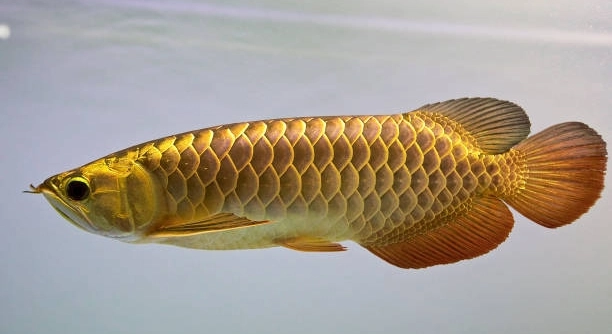
Have you ever wondered how much attention your arowana needs when it comes to feeding? These majestic fish require careful care, and understanding their eating habits can help keep them healthy and thriving in your aquarium.
Arowanas should generally be fed once or twice a day, depending on their size and age. Juveniles require more frequent feedings, while adults can maintain optimal health with a single daily portion of balanced, protein-rich food.
Proper feeding practices are essential for their growth and overall well-being, and there are several important tips that can help ensure your arowana stays healthy.
Understanding Arowana Feeding Needs
Arowanas are large, active fish that require a carefully planned diet to stay healthy. Their feeding needs vary depending on their size, age, and species. Juvenile arowanas are growing rapidly, so they need smaller, more frequent meals to provide enough nutrients. Adults, on the other hand, have slower metabolisms and can thrive on fewer feedings. Protein is the main component of their diet, and including a mix of live, frozen, or pellet foods ensures they get essential vitamins and minerals. Overfeeding can lead to obesity, water pollution, and stress for your fish, so portion control is crucial. Observing how your arowana eats will help you adjust quantities. Their appetite may change depending on water temperature, time of day, and general health. Maintaining a feeding routine also helps regulate their digestive system. Consistency in diet and timing contributes to stronger immunity and overall vitality in your fish.
Feeding arowanas at regular intervals reduces stress and prevents aggressive behavior during mealtime.
Monitoring their response to different foods helps identify preferences and health issues early, ensuring balanced nutrition and proper growth.
Choosing the Right Food for Your Arowana
Selecting suitable food is key to supporting growth and longevity. Arowanas thrive on high-protein diets, which can include insects, small fish, shrimp, or specialized pellets. Avoid foods that are too fatty or lack essential nutrients, as they can cause digestive problems or stunted growth. It’s important to vary their diet to prevent deficiencies and keep them interested in eating. Live foods encourage natural hunting instincts, while frozen and pellet options are convenient and reduce the risk of introducing parasites. Occasionally supplementing with vitamins or vegetables can promote a well-rounded diet. Choosing the correct food size prevents choking or difficulty swallowing, especially for smaller or younger arowanas. Observing their behavior during feeding can reveal if adjustments are needed. Proper food storage is also vital to maintain freshness and nutrient value. Over time, you’ll notice which foods make your arowana most active and healthy, helping guide future feeding decisions.
Balanced feeding ensures your arowana grows steadily while maintaining energy and overall health.
By understanding their nutritional needs and rotating food types, you create a stable feeding plan. Keeping an eye on portion sizes, observing appetite, and adjusting for seasonal changes in metabolism all help prevent health issues. Combining live, frozen, and pellet foods provides variety, supports immunity, and encourages natural behaviors. Proper food selection also reduces water contamination and keeps the aquarium environment cleaner. These practices, along with consistency in timing and portion control, ensure your arowana remains active, vibrant, and long-lived. Paying attention to these details makes feeding less stressful and more effective, ultimately supporting a strong, healthy fish that thrives under your care.
Feeding Frequency for Different Ages
Young arowanas need to be fed more often to support rapid growth. Typically, feeding them three times a day ensures they get enough nutrients. Adult arowanas, however, can thrive on once or twice daily feedings.
Juvenile arowanas digest food quickly and have higher energy needs. Smaller, frequent meals prevent hunger and support proper development. As they grow, you can gradually reduce the frequency while increasing portion sizes. Feeding too much at once can overwhelm their digestive system and lead to water quality problems. Monitoring their appetite and behavior helps determine the right schedule, ensuring they receive adequate nutrition without overfeeding. Consistency in timing also stabilizes their metabolism and encourages healthy growth patterns, reducing stress during feeding times.
Adult arowanas have slower metabolisms and can efficiently process larger meals less frequently. Feeding them once daily is usually sufficient, but occasional extra meals may be offered if they are particularly active or showing signs of growth. Overfeeding adults can lead to obesity and health problems, so portion control remains important. Watching how your fish responds to feeding times will help fine-tune the schedule and maintain overall health. Regular observation also helps spot potential digestive issues early, allowing for timely adjustments in diet and feeding routines to keep your arowana in optimal condition.
Signs of Overfeeding and Underfeeding
Overfeeding arowanas can cause bloating, lethargy, and poor water quality, which harms both fish and tank environment. Underfeeding leads to slow growth and weakness.
Observing your arowana’s behavior and body condition is crucial. A healthy fish shows consistent energy, clear eyes, and strong swimming habits. Overfed fish may leave uneaten food in the tank, produce excessive waste, and appear sluggish. Underfed fish may become thin, show reduced activity, or compete aggressively during feeding. Keeping a feeding log and measuring portions helps maintain balance. Adjusting the diet based on growth, age, and water conditions ensures that your arowana receives the right amount of nutrition while avoiding common feeding mistakes.
Balancing feeding amounts requires careful attention to both the quantity and frequency of meals. Arowanas respond to their environment, water temperature, and stress levels, all of which influence appetite. Regularly checking the tank for leftover food and observing changes in body shape helps determine if adjustments are needed. Using a mix of live, frozen, and pellet foods allows better portion control and nutrient variety. Feeding too frequently or too little can affect immune function, growth, and overall activity. Tracking responses over time ensures a stable feeding routine that supports long-term health.
Preparing Food for Your Arowana
Proper preparation of food ensures your arowana digests it easily and gets maximum nutrition. Cutting food into small, manageable pieces helps prevent choking and overfeeding.
Freshness is key. Frozen or live foods should be thawed or cleaned properly. Avoid using food that smells off or looks spoiled, as it can harm your fish.
Best Feeding Practices
Feed your arowana in a calm environment to reduce stress and encourage natural eating behavior. Avoid sudden movements or loud noises during mealtime. Using feeding tongs for live food helps control portions and reduces the risk of injury. Monitor each feeding session to ensure all food is eaten. Remove leftover food promptly to prevent water contamination and maintain a clean tank. Consistent feeding times help regulate digestion and appetite. Adjust portions based on age, size, and activity level. Over time, observing your arowana’s responses will guide you in creating a reliable, safe, and effective feeding routine.
Foods to Avoid
Avoid processed human food, fatty meats, or overly oily items. These can harm your arowana’s digestive system and overall health.
FAQ
How often should I feed a juvenile arowana?
Juvenile arowanas need more frequent feedings due to their rapid growth. Feeding them two to three times a day with small portions helps provide enough protein and nutrients. Overfeeding can overwhelm their digestive system, so keep meals consistent and measured. Observing their appetite will help adjust portions over time.
Can adult arowanas eat the same food as juveniles?
Adults require fewer meals but still need high-protein food. Pellet food, frozen shrimp, or small fish are suitable. Unlike juveniles, adults can be fed once daily. Adjust portion sizes to avoid overfeeding, which can cause obesity, slow swimming, and poor water quality in the tank.
Is it okay to feed only live food?
Feeding only live food is not recommended. While live food encourages hunting instincts, it may lack certain nutrients and can introduce parasites. A balanced diet including pellets or frozen food ensures your arowana gets essential vitamins and minerals for long-term health.
What signs show my arowana is overfed?
Overfed arowanas appear bloated, have sluggish movements, and often leave uneaten food in the tank. Excess waste can quickly deteriorate water quality. Overfeeding increases the risk of fatty liver disease, slow growth, and reduced immunity, so portion control is crucial for all life stages.
What happens if I underfeed my arowana?
Underfeeding results in slow growth, weak immunity, and decreased activity. Your fish may become thin, show dull coloration, and act aggressively during meals. Ensuring regular, measured feedings is essential. Observing appetite and adjusting portions helps prevent these issues and supports consistent development.
Are there foods that should never be fed to arowanas?
Yes, avoid processed human foods, fatty meats, or oily items. These foods are difficult to digest and can cause organ problems. Foods that are spoiled or contaminated also risk poisoning your fish. Stick to high-quality pellets, frozen, or live options prepared carefully.
Can arowanas eat vegetables?
While primarily carnivorous, occasional vegetables like peas or spinach can provide fiber and aid digestion. Always blanch vegetables to soften them and cut them into small pieces to avoid choking. Vegetables should be supplemental and not replace protein-rich meals.
Does feeding time affect arowana behavior?
Yes, feeding at consistent times reduces stress and aggression. Arowanas quickly learn routines and become more active around regular feeding times. Inconsistent schedules may lead to anxiety, slower digestion, and competition if multiple fish are in the tank.
How do I adjust feeding for water temperature?
Arowanas’ metabolism slows in cooler water, requiring smaller or less frequent meals. In warmer water, appetite increases, and you may need to offer slightly larger portions. Observing feeding response is essential to avoid overfeeding or underfeeding based on temperature changes.
Should I use supplements for my arowana?
Occasional supplements like vitamins or minerals can support growth and coloration, especially for juveniles. However, over-supplementing can be harmful. Focus on providing a varied diet first, using supplements only when necessary to fill nutritional gaps.
Can overfeeding affect water quality?
Yes, leftover food from overfeeding decomposes, raising ammonia levels and promoting algae growth. This harms fish health and can lead to disease. Removing uneaten food promptly and monitoring tank conditions prevents these issues and keeps your arowana thriving.
Is fasting ever beneficial for arowanas?
Occasional fasting, once every week or two, can help digestion and prevent obesity, especially in adults. Skip only one feeding rather than multiple, and ensure your fish is healthy before trying this. Fasting is not suitable for juveniles due to growth needs.
How do I know if my feeding routine is working?
Healthy growth, vibrant coloration, strong swimming, and regular activity indicate a successful feeding routine. Track portions, note changes in appetite, and adjust meals based on size, age, and water conditions to maintain optimal health.
Final Thoughts
Caring for an arowana requires attention to detail, especially when it comes to feeding. Understanding the specific needs of your fish can make a big difference in its health and longevity. Juvenile arowanas need more frequent meals to support growth, while adults can thrive on fewer, properly measured feedings. Maintaining a consistent schedule ensures your fish digests food efficiently and avoids stress. Observing your arowana during feeding also allows you to notice changes in behavior or appetite that may indicate health issues. Being attentive and responsive helps prevent problems before they become serious.
Choosing the right food is equally important. A balanced diet with high-protein pellets, live or frozen fish, shrimp, and occasional vegetables keeps your arowana healthy and active. Avoid feeding processed human food, fatty meats, or anything spoiled, as these can lead to digestive issues or long-term health problems. Rotating food types provides variety and essential nutrients while supporting natural behaviors like hunting and foraging. Proper portioning prevents overfeeding, which can harm both your fish and the water quality. Simple steps like cutting food into manageable pieces and removing leftovers immediately can make feeding much more effective. Over time, a carefully planned feeding routine will result in steady growth, vibrant coloration, and strong immunity.
Paying attention to the little details in your feeding routine makes a noticeable difference. Water temperature, age, and activity levels all affect how much your arowana should eat, so adjustments may be necessary. Occasional fasting for adults can aid digestion, but juveniles require more frequent nutrition to grow properly. Monitoring their response to food, maintaining consistency, and keeping the tank clean ensures a healthy environment. Feeding your arowana is not just about providing food—it’s about supporting its overall well-being. By observing, adjusting, and planning carefully, you create a stable, nourishing routine that allows your fish to thrive for many years. Arowanas are rewarding to care for when their feeding and diet needs are met thoughtfully and consistently.

Hello,
If you enjoy the content that we create, please consider saying a "Thank You!" by leaving a tip.
Every little bit helps us continue crafting quality advice that supports the health, happiness, and well-being of pets around the world, for pets of all shapes, sizes, and species.
We really appreciate the kindness and support that you show us!