
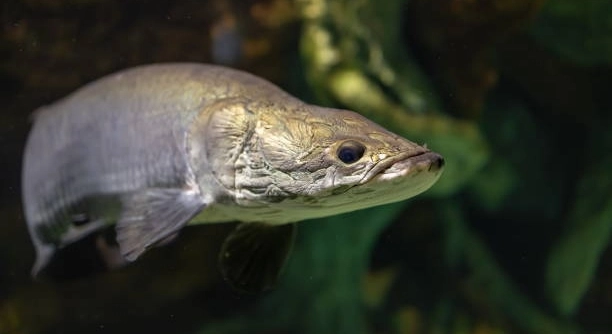
Arowanas are majestic fish that bring elegance to any aquarium. Their shimmering scales and graceful movements make them a favorite among enthusiasts who appreciate both beauty and companionship. Caring for them requires attention to their behavior and environment.
A well-adjusted arowana displays consistent swimming patterns, bright coloration, a healthy appetite, clear eyes, intact fins, calm interactions with tank mates, and regular activity throughout the day. Observing these signs helps ensure the fish is thriving in its habitat.
Recognizing these key indicators will help you maintain a healthy and vibrant arowana, ensuring your aquarium remains a balanced and harmonious environment.
Bright Coloration and Healthy Scales
A well-adjusted arowana shows vivid, consistent coloration across its body. Healthy scales are smooth, aligned, and free of spots or lesions. Changes in color or dullness can indicate stress or illness, making it important to monitor regularly. Lighting and water quality directly affect the vibrancy of their scales. Bright scales often reflect a proper diet and stable environment. A balanced feeding routine with high-quality pellets, live or frozen foods ensures they get necessary nutrients for both growth and color retention. Temperature and pH also impact overall health. Observing your arowana daily allows for early detection of any issues before they escalate. Their scales should shimmer naturally, catching light as they move gracefully. Avoid overcrowding, as competition can cause stress that dulls their appearance. Proper tank maintenance, including regular water changes and filtration checks, supports optimal skin and scale condition. An attentive approach keeps your arowana looking its best.
Healthy scales are a visual sign of good overall health. Regular checks prevent minor issues from becoming serious problems.
Consistent bright coloration and smooth scales not only indicate physical health but also reflect mental well-being. A stressed or ill arowana may show faded colors, clamped fins, or irregular swimming patterns. By maintaining ideal water parameters and providing a nutritious diet, the fish’s natural luster is preserved. Lighting schedules should mimic natural day-night cycles, enhancing color without causing stress. Observation during feeding and swimming helps spot subtle changes early. Interactions with tank mates also affect appearance, as aggression or dominance can lead to injuries or scale damage. Keeping the environment stable, including temperature and filtration, reduces stress and supports immune function. A visually healthy arowana often exhibits curiosity and smooth, deliberate movements, a sign of comfort.
Consistent Swimming Patterns
A balanced arowana moves steadily without erratic bursts or long periods of inactivity. Swimming consistency reflects physical and mental stability. Observing their patterns reveals if the tank setup suits their needs.
Erratic swimming may indicate water quality issues, illness, or stress, requiring immediate attention to prevent long-term problems.
Regular, fluid movement demonstrates comfort in the environment and proper health. Arowanas should glide near the water surface and explore the tank without hesitation. Consistency includes maintaining posture and not rubbing against decorations or the tank walls. Sudden darting or hiding can signal discomfort, prompting a review of water parameters and diet. Temperature fluctuations or improper filtration often disturb their swimming behavior. Proper tank size allows full extension of their fins and natural exploration, promoting exercise and reducing aggression. Social dynamics in tanks with multiple fish can influence movement patterns, making observation essential. Swimming routines also indicate appetite and energy levels, linking directly to feeding habits. A well-adjusted arowana often shows graceful, controlled movements, reflecting a stable, supportive environment where physical needs and mental comfort are met.
Healthy Appetite
A well-adjusted arowana consistently eats during feeding times and shows interest in offered food. Loss of appetite can indicate stress, illness, or unsuitable water conditions, so monitoring feeding behavior is essential for their overall well-being.
Regular feeding ensures proper growth, coloration, and energy levels. Arowanas should respond eagerly to high-quality pellets, live or frozen foods, and occasionally treats that provide variety. Feeding too little or too much can impact their health, affecting digestion and immunity. Observing their consumption habits helps identify subtle changes, allowing corrective action before problems develop. Maintaining a routine also supports behavioral stability. Over time, this consistent approach fosters trust in their environment and encourages natural hunting instincts, keeping the fish active and mentally engaged throughout the day.
A steady appetite reflects comfort in their tank. When arowanas show interest in food without hesitation, it demonstrates both physical health and adaptation to their environment. Skipping meals occasionally may occur but should not become a pattern. Tank placement, lighting, and water temperature influence feeding response, making environmental stability important. Additionally, social dynamics with other tank mates can affect access to food, so observation during feeding is key. Ensuring a well-balanced diet promotes growth, strong immunity, and vibrant coloration. Tracking feeding behavior is a simple yet effective way to gauge overall well-being and detect early signs of stress or illness, keeping the arowana thriving.
Clear Eyes
Clear, bright eyes are a sign of a healthy arowana. Cloudy or sunken eyes often indicate water issues, nutritional deficiencies, or illness. Regular observation helps catch problems early and ensures optimal eye health.
Eye clarity is influenced by water quality, nutrition, and age. Maintaining proper filtration, pH levels, and temperature helps prevent bacterial or fungal infections that can cloud the eyes. Providing a balanced diet with vitamins and minerals supports ocular health and overall well-being. Sudden changes in appearance or movement, such as rubbing against tank decorations, may signal discomfort or vision problems. In multi-fish tanks, interactions can occasionally cause eye injuries, making careful monitoring necessary. Healthy eyes also reflect proper lighting and day-night cycles, which reduce stress. By ensuring clear vision, the arowana can navigate its environment confidently, feed efficiently, and maintain natural behaviors without difficulty.
Intact Fins
Intact fins are a key indicator of a well-adjusted arowana. They should be fully extended, without tears, fraying, or clamping. Damaged fins often signal stress, poor water quality, or aggression from tank mates.
Regular observation helps ensure fins remain healthy. Avoid overcrowding and maintain proper water parameters to prevent injuries and infections.
Calm Interactions with Tank Mates
A well-adjusted arowana coexists without excessive aggression. It demonstrates balanced behavior, asserting territory when needed but avoiding constant chasing or fin nipping. Calm interactions indicate comfort and proper social adaptation in the tank environment.
Regular Activity
Consistent activity throughout the day shows a healthy arowana. They explore the tank, glide smoothly, and respond to stimuli, reflecting physical fitness and mental alertness.
Proper Response to Environment
A well-adjusted arowana reacts appropriately to changes in lighting, feeding times, and tank activity. Sudden stress or fear is minimal, demonstrating adaptation and comfort in its surroundings.
How often should I feed my arowana?
Arowanas should be fed once or twice daily, depending on age and size. Juveniles need smaller, more frequent meals to support growth, while adults do well with one larger meal. Avoid overfeeding, as uneaten food can pollute the tank and lead to digestive issues or obesity. A balanced diet of high-quality pellets, live or frozen fish, shrimp, and occasional insects ensures proper nutrition. Monitoring appetite and adjusting portion size helps maintain weight and overall health. Feeding at consistent times each day also encourages routine and reduces stress.
What water parameters are ideal for arowanas?
Maintaining stable water conditions is essential. Arowanas thrive in slightly acidic to neutral water, with pH between 6.5 and 7.5. Temperature should remain consistent between 75°F and 82°F (24°C–28°C). Ammonia and nitrite levels must always be zero, while nitrates should stay below 20 ppm. Regular water changes, at least 25% weekly, help maintain these levels. Filtration must be efficient, as arowanas are sensitive to poor water quality. Monitoring with a reliable test kit ensures the environment remains safe and stress-free. Proper parameters support growth, coloration, and immune function.
How can I tell if my arowana is stressed?
Stress in arowanas shows through behavior and physical signs. Clamped fins, erratic swimming, loss of appetite, faded colors, or rubbing against tank walls indicate discomfort. Overcrowding, poor water quality, sudden temperature changes, and aggressive tank mates often cause stress. Early detection is key, as prolonged stress weakens the immune system and increases susceptibility to disease. Observing daily routines and comparing behavior over time helps identify subtle changes. Adjusting tank conditions, reducing disturbances, and maintaining a consistent environment restores comfort and promotes natural behavior.
Can arowanas live with other fish?
Arowanas can coexist with other species, but careful selection is required. They prefer tank mates that are large enough not to be eaten and not overly aggressive. Avoid small fish, overly territorial species, or fin-nippers. Proper tank size, hiding spots, and clear territory boundaries reduce conflicts. Observation is critical during introductions, as even compatible fish can become aggressive under stress. Maintaining stable water parameters and feeding all inhabitants adequately helps prevent competition. Social balance supports mental well-being, ensuring your arowana remains calm, healthy, and comfortable while sharing the tank.
What are common signs of illness in arowanas?
Illness manifests in physical and behavioral changes. Cloudy eyes, torn or clamped fins, faded coloration, lethargy, abnormal swimming, and loss of appetite are warning signs. External parasites, sores, or swelling also indicate health issues. Prompt attention is important, as arowanas can decline quickly. Quarantining new or sick fish prevents spread of disease. Regular observation, proper nutrition, and water quality are the first line of defense. Understanding typical behavior allows for early detection of problems and timely treatment. Consulting a veterinarian experienced with fish may be necessary for persistent or severe conditions.
How large should the tank be for arowanas?
Arowanas require spacious tanks to accommodate growth and active swimming. Adults need at least 250 gallons, with sufficient length and width for turning and gliding. Inadequate space leads to stress, stunted growth, and fin damage. Decorations and hiding spots should not impede swimming paths. Filtration and aeration must support large volumes, ensuring stable water quality. Providing adequate room also allows for compatible tank mates without overcrowding. Observing swimming patterns helps identify if the tank meets their needs. Space directly impacts health, activity, and overall well-being, making proper tank size essential for thriving arowanas.
What diet is best for arowanas?
A varied diet promotes optimal health. High-quality pellets form the base, supplemented with live or frozen fish, shrimp, insects, and occasional treats. Avoid overfeeding to prevent obesity and maintain water quality. Vitamin and mineral supplementation supports immune function and coloration. Feeding at consistent times encourages routine and reduces stress. Rotate protein sources to prevent nutritional deficiencies and enhance interest. Fresh, clean food helps avoid bacterial contamination. Observing appetite and adjusting portions ensures proper growth and weight maintenance. A balanced approach to diet supports energy, vibrant scales, and long-term health.
How can I prevent aggression in my arowana?
Aggression is minimized by providing a large tank, clear territories, and appropriate tank mates. Avoid overcrowding and ensure ample hiding spots. Feeding all fish adequately reduces competition. Observing behavior during introductions helps identify potential conflicts. Adjusting tank layout, maintaining stable water conditions, and monitoring interactions regularly prevents stress-induced aggression. Environmental enrichment, such as plants and driftwood, provides visual barriers and reduces territorial disputes. Proper care, space, and attention to social dynamics encourage calm, balanced behavior, allowing arowanas to coexist peacefully and thrive.
What maintenance schedule is recommended?
Regular maintenance keeps the tank healthy. Perform 25%–30% water changes weekly, clean the substrate and decorations, and check filtration systems. Monitor water parameters daily or weekly, depending on stability. Remove uneaten food promptly to prevent decay. Inspect the fish for signs of illness or injury. Maintaining consistent temperature, pH, and oxygen levels reduces stress. Filter media should be cleaned or replaced according to manufacturer guidelines, without disrupting beneficial bacteria. Documenting maintenance tasks helps track water quality trends. A disciplined schedule supports long-term health, bright coloration, and active behavior, keeping the arowana comfortable and thriving.
Can arowanas recognize their owners?
Arowanas often recognize the person who feeds and cares for them. They may approach the front of the tank, respond to presence, and show interest during feeding. This recognition reflects familiarity and trust in their environment. Regular interaction through feeding routines and observation strengthens this connection. Recognizing their caretaker does not indicate affection in the human sense but demonstrates comfort and reduced stress around consistent, non-threatening activity. Over time, the fish may anticipate feeding times and respond predictably, reflecting adaptation to its environment and caregiver presence. Consistency in care encourages confidence and mental stimulation.
What should I do if my arowana refuses to eat?
Refusal to eat may indicate stress, illness, or environmental issues. Check water quality, temperature, and pH first, as unstable conditions often suppress appetite. Observe for signs of illness, such as lethargy, clamped fins, or physical abnormalities. Offer a variety of food types, including live, frozen, or pellet options. Reduce disturbances and provide a calm environment. Gradual changes in diet and small portions may encourage feeding. If the problem persists, isolate the fish to monitor closely and consider consulting a veterinarian. Prompt action prevents malnutrition and ensures long-term health.
How often should I observe my arowana?
Daily observation is recommended. Monitoring behavior, swimming patterns, appetite, coloration, and interactions with tank mates helps detect early signs of stress or illness. Observing during feeding provides insights into appetite and energy levels. Regular checks allow for quick corrective action if problems arise. Documenting changes over time helps identify trends and maintain optimal care. Consistent attention strengthens understanding of the fish’s normal routines, making deviations easier to notice. Observation is a simple yet effective tool to maintain a healthy, well-adjusted arowana.
Are lighting conditions important for arowanas?
Yes, lighting affects both health and coloration. A natural day-night cycle helps regulate activity and appetite. Too bright or constant lighting can stress the fish, while dim or inconsistent lighting may reduce color vibrancy. A balanced schedule, usually 10–12 hours of light daily, combined with shaded areas, provides comfort and visual enrichment. Proper lighting enhances display of scales and natural behavior. Avoid sudden changes in intensity. Using timers ensures consistency, reducing stress and maintaining routine. Lighting, along with water quality and diet, contributes significantly to the overall well-being and longevity of arowanas.
Caring for arowanas requires attention to their physical and behavioral needs. Observing their swimming patterns, appetite, and interactions provides clear indicators of overall health. Bright, consistent coloration and intact fins reflect proper nutrition and a stable environment. Clear eyes and smooth scales are also important signs that the fish is adjusting well. Maintaining a consistent feeding routine with high-quality pellets, live, or frozen foods ensures the arowana receives essential nutrients. Overfeeding should be avoided, as it can lead to obesity and deteriorate water quality. Proper portioning and balanced meals help support growth, immune function, and natural behavior.
Water quality and tank conditions play a crucial role in arowana health. Stable temperature, pH, and oxygen levels prevent stress and disease. Regular water changes and careful monitoring of ammonia, nitrite, and nitrate levels are essential for a safe environment. Filtration systems should be efficient and properly maintained to remove waste and prevent harmful buildups. Tank size is another factor that affects physical activity and mental well-being. Arowanas need ample space to swim freely, explore, and exercise their natural instincts. Overcrowding or aggressive tank mates can cause injuries, stress, and behavioral changes. Providing hiding spots and maintaining social balance reduces conflict and promotes calm interactions among fish.
Consistent observation and attention to detail help identify problems early. Stress, illness, or environmental issues can often be detected through subtle changes in behavior, appetite, or appearance. Prompt corrective action, whether adjusting water conditions, changing diet, or isolating a sick fish, supports recovery and long-term health. Lighting schedules, feeding routines, and proper social arrangements contribute to a balanced, stable environment. Understanding the signs of a well-adjusted arowana ensures that the fish thrives in its tank. By prioritizing these factors, the arowana’s physical health, mental comfort, and overall vitality can be maintained, making it a rewarding addition to the aquarium.

Hello,
If you enjoy the content that we create, please consider saying a "Thank You!" by leaving a tip.
Every little bit helps us continue crafting quality advice that supports the health, happiness, and well-being of pets around the world, for pets of all shapes, sizes, and species.
We really appreciate the kindness and support that you show us!