
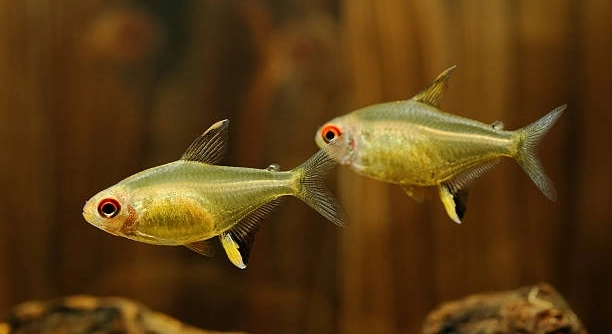
Lemon tetras are small, bright fish that bring life to any tank. Observing their behavior and appearance can give clues about how well they are adapting to their environment and surroundings.
A well-adjusted lemon tetra tank shows stable water conditions, proper nutrition, social harmony among fish, and minimal stress indicators. Healthy swimming patterns, vibrant coloration, and regular feeding behavior are all reliable signs of a balanced and thriving aquarium environment.
Recognizing these signs helps ensure your lemon tetras remain healthy and happy. Paying attention to subtle behaviors can improve their overall well-being in your home aquarium.
Consistent Swimming Patterns
Watching my lemon tetras swim is always calming. In a well-adjusted tank, they glide smoothly through the water without sudden jerks or frantic movements. Their swimming is synchronized at times, showing comfort and social balance. Tetras usually form small groups, moving together as they explore their surroundings. Erratic swimming, hiding constantly, or staying at the bottom for long periods often signals stress or poor tank conditions. A stable swimming pattern reflects proper water quality, correct temperature, and adequate oxygen levels. Observing how they interact with plants, decorations, and tankmates can tell you if the environment feels safe. Over time, you can notice individual personalities and how they react to changes, such as feeding time or new additions. Tetras that swim confidently near the middle of the tank, rather than always hugging the bottom or hiding, show that they feel secure and healthy.
Swimming patterns are one of the easiest indicators of a balanced tank. Smooth, coordinated movement reflects good health and proper social dynamics.
Monitoring swimming patterns allows for early detection of stress or illness. Small changes in movement often appear before other visible symptoms, making it easier to maintain a healthy tank environment for all fish.
Bright and Vibrant Coloration
Healthy lemon tetras display bright yellow bodies with clear, contrasting fins. Dull or faded coloration can indicate poor nutrition, stress, or illness. Their colors should remain consistent daily, even after feeding or light changes. Tetras often brighten when active or during social interactions.
Proper lighting, balanced diet, and stable water parameters contribute to maintaining vivid colors.
Providing high-quality flake or pellet food with occasional frozen or live treats helps enhance natural coloration. Stress reduction is equally important, as aggressive tankmates, overcrowding, or sudden environmental changes can dull their appearance. Regular water changes and monitoring pH, ammonia, and nitrate levels support pigment retention. Additionally, live plants and appropriate decorations offer hiding spots that reduce stress and encourage natural behavior, indirectly improving coloration. Observing color changes over time can signal early health issues, allowing timely intervention. Well-adjusted lemon tetras maintain bright hues consistently, showing both physical health and psychological comfort in their aquarium setting. Color is not only aesthetic but also a key indicator of overall well-being.
Regular Feeding Behavior
Lemon tetras eat consistently when the tank is balanced. They approach the surface during feeding and respond quickly to food without hesitation. Skipping meals or hiding during feeding often indicates stress or health issues.
A well-adjusted tank encourages predictable eating habits. Tetras should show interest in flakes, pellets, or occasional live and frozen foods. Sudden changes in appetite can signal water quality problems or illness. Keeping a feeding schedule supports their natural rhythms and prevents overfeeding, which can lead to poor water conditions. Observing each fish’s response ensures all members of the school are receiving adequate nutrition.
Feeding behavior also reflects social stability. Tetras that share food without aggressive competition indicate harmony within the group. Maintaining clean water, proper tank size, and sufficient hiding spots reduces stress, allowing them to feed confidently. Over time, these patterns confirm that the tank environment meets their needs and promotes long-term health.
Active Schooling and Social Interaction
Lemon tetras naturally swim in groups and interact closely. Active schooling shows comfort and a safe environment, while isolated fish may indicate stress or illness.
When a tank is properly maintained, tetras move together fluidly, often changing direction simultaneously. They communicate subtly through body language, tail flicks, and positioning, which strengthens social bonds. Adding plants or decorations can encourage exploration and provide safe spaces, reducing tension and promoting group cohesion. A well-adjusted tank supports natural behaviors, making their interactions more visible and consistent.
Observing schooling patterns over time helps identify subtle problems early. Fish that lag behind or hide frequently may require water testing or adjustments in tank conditions. Ensuring the group has enough space, proper lighting, and compatible tankmates maintains social stability. Feeding together without aggression, exploring plants, and responding to changes with minimal panic are clear signs the tank environment is healthy and supportive of their social needs.
Calm Temperament
Lemon tetras remain calm in a well-maintained tank. They swim without sudden jerks and rarely dart around. A peaceful environment reduces stress and encourages natural behavior, showing the tank is balanced and safe for all inhabitants.
A calm temperament also reflects good social dynamics. Fish that interact without aggression or excessive chasing are likely comfortable with their surroundings.
Clear Eyes and Healthy Fins
Clear eyes and intact fins indicate good health. Cloudy eyes, torn fins, or fin clamping may signal illness, poor water quality, or stress. Regular observation helps catch issues early, maintaining a thriving aquarium environment.
Consistent Breathing Patterns
Lemon tetras breathe steadily without rapid gill movement. Normal breathing reflects proper oxygen levels, water quality, and minimal stress.
Exploring Behavior
Tetras that explore decorations, plants, and the tank freely show comfort and curiosity. Limited exploration can suggest stress or unsuitable tank conditions.
How often should I feed my lemon tetras?
Feeding lemon tetras once or twice a day is ideal. They respond well to small portions that they can finish in a few minutes. Overfeeding can cause poor water quality, while underfeeding may stress the fish or reduce their coloration. A balanced diet of high-quality flakes or pellets, with occasional frozen or live foods, keeps them healthy. Observing how they eat helps ensure all fish get their share. Feeding at consistent times supports their natural rhythm and prevents aggression during mealtime.
What water parameters are best for a lemon tetra tank?
Lemon tetras thrive in water with a temperature between 72°F and 78°F, pH levels of 6.0 to 7.5, and soft to moderately hard water. Regular water testing helps maintain these parameters. Stability is more important than hitting exact numbers, as sudden changes can stress fish. Keeping ammonia and nitrite at zero and nitrates low prevents illness. Routine water changes of 20-25% weekly maintain clean conditions. A proper filtration system and occasional substrate cleaning support healthy water chemistry. Observing behavior and coloration also helps gauge water quality.
Can lemon tetras live with other fish?
Yes, lemon tetras are peaceful and can cohabit with other non-aggressive species. Avoid larger or territorial fish that may bully them. Suitable tankmates include small rasboras, guppies, and corydoras. Maintaining a school of at least six tetras reduces stress and encourages natural behavior. Hiding spots and plants help all fish feel secure. Careful observation during initial introductions ensures harmony. A well-planned community tank supports social stability and keeps the tetras active and healthy.
How can I tell if my lemon tetras are stressed?
Signs of stress include hiding constantly, erratic swimming, faded colors, clamped fins, or loss of appetite. Stress can result from poor water quality, aggressive tankmates, or sudden environmental changes. Addressing the cause quickly prevents illness. Improving water conditions, providing plants, or adjusting tankmates helps reduce stress. Regular monitoring of swimming patterns, coloration, and feeding habits is key. A calm, balanced tank minimizes stress, allowing tetras to display their natural behavior and maintain health.
Do lemon tetras need live plants?
Live plants are not required but highly beneficial. They provide hiding spots, reduce stress, and improve water quality by absorbing nitrates. Tetras often swim through plants, which encourages exploration and natural behavior. Low-light plants like Java fern or Anubias are easy to maintain. A mix of open swimming space and planted areas creates a comfortable environment. Live plants also enhance tank aesthetics and can subtly encourage schooling behavior. Their presence contributes to the overall well-being of the fish.
How can I maintain vibrant coloration in my tetras?
Proper nutrition, stable water parameters, and low-stress conditions keep colors bright. Feed a variety of high-quality flakes, pellets, and occasional frozen or live foods. Avoid overcrowding and aggressive tankmates that cause stress. Good lighting enhances natural coloration, but avoid extreme brightness. Healthy fish in a calm tank display consistent vibrant hues. Observing daily ensures early detection of fading colors, allowing timely adjustments.
What is the ideal tank size for lemon tetras?
A 20-gallon tank or larger is ideal for a small school of six or more tetras. Adequate space supports schooling, reduces stress, and allows room for plants or decorations. Overcrowding can lead to aggression, stress, and poor health. Proper tank size ensures stable water parameters and encourages natural behavior. Adding tankmates requires adjusting the total capacity accordingly. Space and structure create a balanced environment where tetras thrive.
How often should I clean the tank?
Partial water changes of 20-25% weekly are sufficient for most tanks. Remove debris, clean the substrate, and check filters regularly. Avoid over-cleaning, which can disrupt beneficial bacteria. Observing fish behavior and water clarity helps determine cleaning needs. Maintaining a routine ensures stable water conditions and healthy fish. Proper cleaning prevents illness while preserving the tank’s natural balance.
Can lemon tetras breed in a home aquarium?
Yes, breeding is possible in a separate breeding tank with soft, slightly acidic water. Provide fine-leaved plants for egg-laying. Remove adults after spawning to prevent predation. Fry require infusoria or finely crushed food initially. Maintaining stable water parameters, a varied diet, and gentle lighting encourages spawning. Breeding tetras adds a rewarding aspect to tank care but requires preparation and monitoring to ensure success.
What should I do if a tetra gets sick?
Quarantine the affected fish if possible. Test water quality first, as poor conditions often trigger illness. Treat with appropriate medication based on symptoms. Keep the tank clean and stress-free during recovery. Observation is crucial; early intervention improves chances of full recovery. Supporting overall tank health prevents further outbreaks. Maintaining proper diet, water parameters, and social harmony helps reduce future illness risks.
This FAQ addresses the most common concerns, providing practical advice for keeping lemon tetras healthy, vibrant, and comfortable in a home aquarium. Observing their behavior, feeding, and appearance daily ensures a thriving, well-adjusted tank environment.
Lemon tetras are small but lively fish that can bring a lot of energy to a home aquarium. Their bright yellow bodies and active schooling behavior make them enjoyable to watch. Observing their swimming patterns, coloration, and feeding habits provides important clues about how well they are adapting to their environment. A tank that allows them to swim freely, interact with each other, and explore decorations or plants creates a balanced and comfortable space. Consistent care, including regular feeding, water changes, and monitoring water parameters, helps maintain their health and reduces stress. Over time, noticing subtle changes in their behavior or appearance allows you to address potential problems before they become serious, keeping the tetras happy and thriving.
A well-adjusted lemon tetra tank reflects more than just healthy fish; it shows that the environment itself is stable and suitable. Water temperature, pH, hardness, and cleanliness all influence their well-being. Proper nutrition supports growth, vibrant coloration, and immune health, while a calm and social atmosphere encourages natural behaviors such as schooling and exploration. Adding live plants or gentle decorations enhances their environment, giving them places to hide and move through, which reduces stress and encourages confidence. Observing their interaction with each other and their surroundings helps confirm that the tank is meeting their needs. Small, daily habits, like watching them eat or noting how they swim together, can provide reassurance that your tank is in good condition and that your care is effective.
Maintaining a lemon tetra tank is a rewarding experience that combines observation, routine care, and thoughtful adjustments. Paying attention to their breathing, swimming, and coloration can prevent problems and ensure long-term health. A stable, clean, and structured environment encourages these fish to show their natural behaviors and vibrant colors, making them a lively addition to any home. With patience and consistency, even subtle signals, such as changes in appetite or schooling patterns, can be addressed quickly. The result is a balanced aquarium where lemon tetras feel safe, healthy, and confident. Taking the time to create and maintain this environment benefits both the fish and the overall enjoyment of watching them flourish.

Hello,
If you enjoy the content that we create, please consider saying a "Thank You!" by leaving a tip.
Every little bit helps us continue crafting quality advice that supports the health, happiness, and well-being of pets around the world, for pets of all shapes, sizes, and species.
We really appreciate the kindness and support that you show us!