
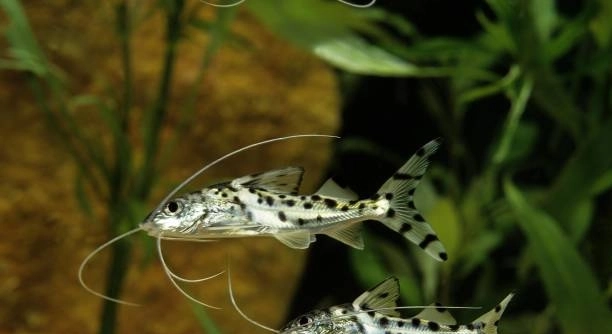
Do you ever find yourself unsure about how often to change the water in your Pictus catfish tank? Maintaining clean water is key to their health, but it can be hard to know what’s best.
The ideal frequency for changing Pictus catfish tank water is once a week, replacing 25–30% of the water. Regular water changes help control ammonia, nitrate levels, and waste buildup, keeping the environment stable and safe for the fish.
Understanding how often to change the water is just the beginning—there are other key steps that help keep your Pictus catfish healthy and stress-free.
Why Weekly Water Changes Matter
Keeping your Pictus catfish healthy means giving them a clean and stable environment. These fish are sensitive to poor water quality, and ammonia or nitrate buildup can stress them out or lead to illness. A weekly water change of 25–30% helps remove waste, uneaten food, and other unwanted substances. It also helps keep pH levels balanced and oxygen levels steady. Skipping water changes or doing them too infrequently can cause harmful shifts in water chemistry. Over time, this creates a stressful environment that weakens their immune system. The good news is that regular care doesn’t need to be complicated. A simple routine each week can make a big difference for your fish. If you’re consistent, your tank will stay more stable, which makes everything easier—from feeding to watching your fish explore their space. Small steps, taken regularly, lead to better outcomes in the long run.
A smaller tank may require more frequent monitoring, especially if it holds more fish or has limited filtration.
Larger tanks tend to be more stable, but it’s still important to keep up with weekly changes. Overfeeding, overcrowding, or skipping filter maintenance can lead to poor water conditions. These factors all influence how quickly toxins build up. If your tank is densely stocked or you feed your fish often, water quality can decline faster. In that case, testing your water once or twice a week can help. Test strips or liquid kits can show you when ammonia, nitrite, or nitrate levels are starting to rise. If you notice any unusual behavior—like rapid gill movement, hiding, or loss of appetite—it may be linked to water issues. Along with water changes, clean any waste off the substrate and check that your filter is working efficiently. A bit of extra attention each week helps prevent problems before they start.
How to Make Water Changes Easier
Weekly changes may sound like a hassle, but with a few tools, it becomes simple and manageable.
A siphon gravel vacuum helps remove debris from the substrate while draining water at the same time. Choose one that fits your tank size so the process is smooth and efficient. Use a bucket that’s only for aquarium use to avoid introducing any soaps or chemicals. After draining 25–30% of the tank water, fill a separate container with clean, dechlorinated water that’s close to the tank temperature. This prevents temperature shock, which can stress the fish. Refill the tank slowly to avoid stirring things up too much. If you’re short on time, breaking up the task over two days is fine. For example, remove water one day and refill the next. Setting a weekly reminder can help you stay consistent. With a simple system in place, your water changes will feel less like a chore and more like part of a regular care routine.
Common Mistakes to Avoid
Overfeeding is one of the easiest ways to pollute your tank. Uneaten food sinks, breaks down, and quickly affects water quality. Feeding small amounts your Pictus can eat in under two minutes helps avoid buildup.
Neglecting filter maintenance can cause water to stay cloudy and unhealthy. A clogged or dirty filter won’t clean the water properly, which leads to a rise in harmful waste. Clean your filter media in old tank water during water changes—never under tap water, as that kills helpful bacteria. Avoid changing all media at once, since this can disrupt the tank’s biological balance. It’s also important not to skip water testing. Even if the water looks clear, ammonia or nitrate levels may be high. Using simple test strips or kits regularly will alert you before things get worse. Being proactive prevents stress and illness in your Pictus catfish.
Adding untreated tap water directly into the tank is another common problem. Chlorine and chloramine in tap water are harmful to fish. Always use a water conditioner to treat fresh water before adding it. Another mistake is doing large, sudden water changes. Removing too much water at once can shock the fish and mess with the tank’s chemistry. Stick to 25–30% per change to keep conditions stable. Also, don’t forget to match the temperature of the new water with the tank. A big temperature drop or spike can be stressful or even dangerous. Consistency is key. Following these simple precautions can help avoid most problems and support long-term tank health.
Signs of Poor Water Quality
Your Pictus catfish may hide more, breathe faster, or become less active if the water isn’t right. Cloudy water or strong odors also suggest something is off. These are signs that waste is building up too quickly.
Poor water quality can develop slowly or after just a few missed steps. A buildup of ammonia is often the first issue, especially in tanks with too many fish or too much leftover food. Even if the water looks clean, ammonia and nitrites can spike, harming your fish’s gills and causing stress. If your catfish is gasping at the surface, swimming oddly, or has dull coloring, test the water right away. A lack of regular cleaning, skipped filter checks, or missed water changes can all contribute. The solution is usually simple: get back on schedule with water changes, test levels weekly, and keep feeding under control. Small corrections can improve things fast.
Tools That Can Help
A gravel vacuum makes cleaning easier by removing waste from the substrate while draining water. It helps prevent debris buildup that can affect water quality over time.
Water test kits are useful for tracking ammonia, nitrite, nitrate, and pH levels. They alert you early when something is off in your tank.
Best Time of Day to Do Water Changes
The best time to change your Pictus tank water is during the day, when the lights are on and the fish are active. This helps avoid disrupting their rest cycle, as Pictus catfish are more alert during this time. Mornings or early afternoons work well, especially if you check and test the water first. Doing changes at the same time each week can also help keep your routine consistent. Avoid late-night changes or doing it right after feeding. Food particles may still be floating, and sudden shifts can cause stress. A steady routine helps your fish adjust more easily to changes in their environment.
Temperature Tips
Make sure the new water is close in temperature to the tank water. Sudden temperature changes can cause stress and weaken your Pictus catfish’s immune system. A thermometer helps you keep both temperatures matched during changes.
How often should I change the water in my Pictus catfish tank?
Changing about 25–30% of the water once a week is the best approach. This keeps harmful chemicals like ammonia and nitrate low and helps maintain stable water conditions. Doing smaller, regular water changes is better than large, infrequent ones because it reduces stress for your fish.
Can I do a full water change instead of partial ones?
A full water change is not recommended for Pictus catfish. Removing all the water at once can cause sudden shifts in temperature, pH, and beneficial bacteria levels. These rapid changes can stress or even harm your fish. Partial water changes allow the tank to stay balanced while removing waste gradually.
What happens if I change the water too often?
Changing water too often, especially large amounts, can remove helpful bacteria that keep the tank healthy. It may also cause fluctuations in water chemistry, which stresses the fish. Stick to a weekly schedule and change no more than 30% of the water each time for the best results.
How do I treat tap water before adding it to the tank?
Tap water usually contains chlorine or chloramine, both harmful to fish. Use a water conditioner designed to neutralize these chemicals before adding water to your tank. This step is essential to keep your Pictus safe. Let the treated water sit for a few minutes before pouring it in, and try to match the temperature with the tank water.
Is it okay to skip a water change if the water looks clear?
Clear water does not always mean it’s healthy. Harmful chemicals like ammonia and nitrites can be present even when the water looks clean. Regular water testing is important to catch problems early. Skipping water changes can allow waste to build up, causing long-term damage to your fish.
What are the signs that my water quality is poor?
Look for fish hiding, gasping at the surface, rapid gill movement, or dull coloring. Cloudy water or bad smells also indicate poor water quality. These signs mean your fish may be stressed or sick, often caused by high ammonia or nitrate levels.
Can I feed my Pictus catfish before or after a water change?
It’s best to feed your fish a few hours before a water change or wait until after the water has settled. Feeding right before a water change can cause leftover food to increase waste quickly. Feeding after the water change helps keep your tank cleaner and more balanced.
What tools do I need for water changes?
A gravel vacuum helps remove waste from the tank substrate while draining water. Water test kits measure ammonia, nitrites, nitrates, and pH levels. A bucket reserved for aquarium use prevents contamination. A thermometer ensures new water is the right temperature before adding it back.
How do I prevent stress during water changes?
Make sure the new water temperature matches the tank’s. Avoid changing more than 30% of the water at once. Move slowly and gently to avoid disturbing your fish. Keeping a consistent schedule also helps fish adjust to changes and reduces stress.
Can water changes fix fish diseases?
While clean water supports fish health, water changes alone may not cure diseases. However, poor water quality can weaken fish and make diseases worse. Keeping water clean through regular changes helps your Pictus catfish fight off illnesses and recover faster.
Should I test my water before or after changing it?
Test your water both before and after a change to monitor conditions accurately. Testing before helps decide if an immediate change is needed. Testing after confirms that the water parameters have improved and are safe for your fish.
What is the best temperature for Pictus catfish?
Pictus catfish thrive in water between 72°F and 79°F (22°C to 26°C). Keeping the temperature steady within this range is important. Sudden temperature shifts can stress your fish and lead to illness.
Can plants in the tank reduce the need for water changes?
Live plants help absorb some waste and improve water quality, but they don’t eliminate the need for regular water changes. Plants support a healthy environment but can’t remove all toxins or uneaten food. Water changes remain essential for tank maintenance.
How does overcrowding affect water quality?
Too many fish produce more waste, which leads to faster buildup of harmful chemicals. Overcrowding makes it harder to maintain clean water and can cause stress or illness. Keep your tank population within recommended limits to reduce water problems.
Is it okay to add new water directly from the tap during a change?
Never add untreated tap water directly to the tank. Always use a water conditioner to remove chlorine and chloramine. Adding untreated water can cause gill damage and stress to your Pictus catfish.
What happens if I don’t clean the filter along with water changes?
A dirty filter can clog and lose efficiency, causing waste to accumulate. This worsens water quality and puts your fish at risk. Clean filter media gently in old tank water to preserve beneficial bacteria and keep filtration effective.
Can I change water less often if I have a strong filter?
Even with a good filter, regular water changes are necessary. Filters remove some waste but can’t take care of all toxins or keep nitrate levels low. Water changes help remove dissolved waste that filters cannot fully eliminate.
How do I know if I’m feeding too much?
If you find leftover food after feeding or notice cloudy water soon after, you may be feeding too much. Feed only what your Pictus can eat within two minutes, once or twice daily, to prevent excess waste.
Should I remove decorations during water changes?
Removing decorations isn’t usually necessary unless they’re very dirty or covered in algae. Light cleaning during water changes can be done with tank water to avoid harming beneficial bacteria.
Is it normal for water to get cloudy after a change?
Cloudiness right after a water change can happen if the substrate is disturbed or beneficial bacteria are temporarily affected. It usually clears up within a day or two. If it lasts longer, check water parameters and filtration.
How do I keep water parameters stable during changes?
Use water conditioners, match temperatures closely, change only part of the water, and maintain a consistent schedule. These steps help avoid sudden shifts and keep your Pictus catfish comfortable.
These frequently asked questions cover common concerns and help make caring for your Pictus catfish tank easier and more effective. Following simple routines and paying attention to water quality supports healthy, happy fish.
Regular water changes are one of the most important parts of keeping a Pictus catfish tank healthy. Changing about a quarter to a third of the water every week helps keep the tank clean and stable. This prevents harmful chemicals like ammonia and nitrate from building up. When the water is clean and balanced, the fish can stay healthy, active, and stress-free. Skipping water changes or doing them irregularly can lead to poor water quality and cause problems for your fish over time. By sticking to a simple routine, you help create a safe environment where your Pictus catfish can thrive.
It is also important to be careful during water changes to avoid stressing the fish. Using tools like a gravel vacuum makes the process easier and more effective by removing waste from the tank floor. Matching the temperature of new water to the tank water helps prevent shock, which can weaken your fish. Avoid changing all the water at once and stick to partial water changes. Doing things gently and consistently can make a big difference in how well your fish adjust. Paying attention to water test results and filter maintenance also supports a balanced tank environment.
Taking good care of your Pictus catfish means watching for signs of poor water quality, such as changes in behavior or cloudy water. Testing the water regularly helps catch issues early before they become serious. Feeding the right amount of food and avoiding overcrowding also help reduce waste buildup. Overall, keeping the water clean is about more than just water changes. It includes proper feeding, filter care, and paying attention to how your fish act. When all these things work together, your Pictus catfish can live longer and be happier in their tank.

Hello,
If you enjoy the content that we create, please consider saying a "Thank You!" by leaving a tip.
Every little bit helps us continue crafting quality advice that supports the health, happiness, and well-being of pets around the world, for pets of all shapes, sizes, and species.
We really appreciate the kindness and support that you show us!