
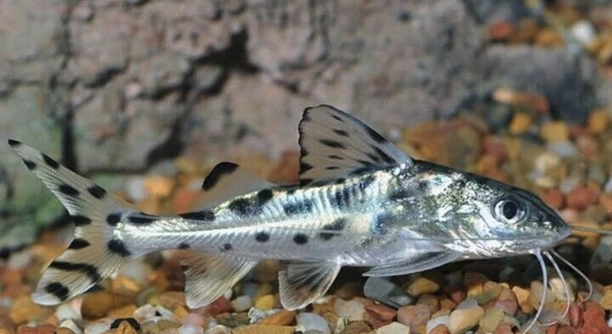
Many fish enthusiasts enjoy keeping pictus catfish for their peaceful nature and active behavior. These fish thrive best in groups, making it important to understand how many can live comfortably together. Proper care ensures a healthy, balanced aquarium environment.
The ideal number of pictus catfish to keep together is typically five to seven. This group size supports their social behavior while minimizing stress and territorial disputes. Maintaining appropriate tank size and water quality is essential for their wellbeing in a community setting.
Knowing the right group size helps maintain harmony and health in your tank. This information is crucial for both new and experienced fish keepers alike.
Ideal Group Size for Pictus Catfish
Pictus catfish are schooling fish that feel more comfortable and secure when kept in groups. Keeping fewer than five can cause stress and timid behavior, as these fish rely on numbers for safety. Groups of five to seven catfish allow for natural social interaction and active swimming patterns. However, tank size plays a crucial role. A minimum of 30 gallons is recommended for a small group to ensure enough space for swimming and hiding. Overcrowding can lead to aggression and poor water quality, both harmful to pictus catfish. Additionally, providing plenty of hiding spots, such as plants and caves, helps reduce stress. When these conditions are met, your catfish will display more natural behavior and be healthier overall. Balancing group size and tank environment is key to their well-being.
Keeping a group of five to seven pictus catfish in a properly sized tank reduces stress and encourages healthy behavior.
Understanding the right number for your tank is essential. A balanced group promotes natural activity, reduces aggression, and helps maintain water quality. Smaller groups can feel insecure, while too many lead to overcrowding. Make sure your tank has enough room and hiding places to support the social nature of these catfish.
Tank Setup and Compatibility
Pictus catfish prefer tanks with plenty of open swimming space and places to hide. They thrive with peaceful tank mates that do not compete aggressively for food or territory. Compatible fish include tetras, barbs, and other non-aggressive community species. Avoid keeping them with larger predatory fish that may view them as prey. The tank should have a soft substrate to protect their barbels and be well-filtered to maintain high water quality. Stable water parameters with moderate flow mimic their natural river habitats. Regular maintenance and water changes are important to keep them healthy. Providing a comfortable and safe environment encourages active behavior and reduces stress.
A well-planned tank with suitable tank mates and proper conditions supports the health of pictus catfish.
Choosing the right tank setup involves selecting peaceful companions and maintaining clean water. The substrate should be smooth to prevent injury to their sensitive barbels. Moderate water flow and plenty of hiding spots create an environment that mimics their natural habitat. Regular care and attention to water quality are vital to prevent illness. When these factors are combined, pictus catfish thrive in a community tank. Avoid overcrowding and aggressive species to keep your fish safe and happy. The right setup ensures a peaceful aquarium with active, healthy pictus catfish.
Feeding and Diet of Pictus Catfish
Pictus catfish are omnivores that enjoy a varied diet. They eat both plant matter and protein-rich foods. In the aquarium, they accept sinking pellets, frozen foods, and live treats. Feeding them multiple times a day in small amounts helps keep them healthy.
A balanced diet for pictus catfish includes high-quality sinking pellets designed for bottom feeders. Supplementing with bloodworms, brine shrimp, and occasional vegetables like zucchini supports their nutritional needs. Overfeeding should be avoided to prevent water quality issues. It’s important to provide food that sinks quickly since pictus catfish feed near the tank bottom. Observing their eating habits ensures they get enough food without waste. Offering a variety of foods keeps them interested and promotes good health.
Pictus catfish are active feeders that appreciate a diverse diet. Feeding should focus on nutrition and preventing uneaten food from polluting the tank. A combination of prepared foods and occasional live or frozen treats works best. Maintaining a feeding schedule with small portions prevents overfeeding and supports water quality. Paying attention to their preferences and appetite helps keep them in good condition.
Signs of Stress and How to Prevent It
Stress in pictus catfish often shows as hiding, loss of appetite, or lethargy. Poor water quality and overcrowding are common causes. Regular monitoring of water parameters is essential to prevent stress.
To avoid stress, maintain clean water with proper filtration and perform routine water changes. Keep the tank size adequate for the group and avoid aggressive tank mates. Provide enough hiding spaces with plants or decorations. Monitor behavior regularly to catch early signs of stress. A stable environment with good water quality helps keep pictus catfish healthy and active.
Addressing stress promptly prevents disease and improves fish wellbeing. Reducing sudden changes in water conditions and limiting disturbances also helps. Creating a calm, stable habitat allows pictus catfish to thrive and display natural behavior. Keeping stress low is essential for their longevity and comfort in a home aquarium.
Breeding Pictus Catfish
Breeding pictus catfish in home aquariums is challenging and not common. They require specific water conditions and plenty of space. Most hobbyists focus on keeping healthy groups rather than breeding them.
Raising fry is difficult because the young need special care. Separate breeding tanks and controlled environments improve success rates. Patience and experience are important for those who attempt breeding.
Common Health Issues
Pictus catfish are prone to infections if water quality is poor. Fin rot and parasitic infestations are common problems. Early detection and treatment are vital to prevent severe health decline.
Tank Mates for Pictus Catfish
Choosing peaceful, similarly sized fish as tank mates helps maintain harmony. Avoid aggressive or very small fish that may be bullied or eaten.
Aquarium Maintenance
Regular cleaning and water changes keep the tank environment stable. Consistent maintenance is key to pictus catfish health and longevity.
FAQ
How many pictus catfish can live together in a tank?
The ideal number of pictus catfish to keep together is five to seven. This group size supports their social nature while preventing overcrowding and stress. Keeping fewer than five may make them shy or anxious, while too many can cause competition for space and resources. Always consider tank size when deciding how many to keep.
What tank size is best for pictus catfish?
A minimum tank size of 30 gallons is recommended for a small group of pictus catfish. This size provides enough swimming space and room for hiding spots. Larger tanks are better for bigger groups, helping reduce territorial behavior and maintaining good water quality. Proper filtration and maintenance are essential regardless of tank size.
What do pictus catfish eat?
Pictus catfish are omnivores and need a balanced diet. They prefer sinking pellets made for bottom feeders, supplemented with frozen or live foods like bloodworms and brine shrimp. Occasionally offering vegetables such as zucchini or cucumber supports their health. Feeding small amounts multiple times daily prevents leftover food from polluting the tank.
Can pictus catfish live with other fish?
Yes, pictus catfish do well with peaceful, similarly sized fish such as tetras and barbs. Avoid aggressive or much larger species that may harm or stress them. Pictus catfish are active but gentle, so tank mates should have compatible temperaments to maintain harmony.
How can I tell if my pictus catfish is stressed?
Signs of stress include hiding more than usual, reduced appetite, and sluggish movement. Poor water quality, overcrowding, and aggressive tank mates are common causes. Monitoring water parameters regularly and providing a suitable environment with hiding places help reduce stress.
What are common health problems for pictus catfish?
Fin rot and parasitic infections are typical health issues, often linked to poor water quality. Early detection and treatment are crucial to prevent worsening conditions. Keeping water clean, avoiding overcrowding, and maintaining stable water parameters reduce the risk of illness.
Is breeding pictus catfish possible at home?
Breeding pictus catfish in home aquariums is difficult. They need specific conditions such as clean, soft water and sufficient space. Raising fry requires special care, including separate tanks and appropriate feeding. Most keepers focus on maintaining healthy groups rather than breeding.
How often should I clean my pictus catfish tank?
Perform partial water changes of about 20-30% weekly or biweekly to maintain water quality. Regularly clean the substrate to remove debris and uneaten food. Proper filtration and consistent maintenance are essential to prevent buildup of harmful substances and keep fish healthy.
What kind of substrate is best for pictus catfish?
Soft, smooth substrates like sand are ideal. Pictus catfish have sensitive barbels that can be damaged by rough gravel or sharp surfaces. Sand allows them to forage naturally without injury. Avoid sharp or coarse materials to protect their delicate features.
Do pictus catfish need hiding places?
Yes, hiding places reduce stress and provide a sense of security. Use plants, caves, or decorations that offer shelter. These spots help them feel safe, especially during rest or if startled. A well-decorated tank encourages natural behavior and improves overall well-being.
Keeping pictus catfish together requires understanding their social needs and tank requirements. These fish do best in groups of five to seven, which helps them feel secure and encourages natural behavior. Providing enough space in the tank is important to avoid stress and aggression. A minimum of 30 gallons is recommended for a small group, but larger tanks are better if you want more fish. Along with the right group size, maintaining good water quality and proper filtration plays a crucial role in their health and happiness.
The environment you create for pictus catfish directly affects their wellbeing. They prefer tanks with plenty of swimming space and places to hide. Soft substrates like sand protect their sensitive barbels and allow them to forage comfortably. Including plants, caves, or decorations helps reduce stress and provides shelter. Tank mates should be peaceful and of similar size to avoid conflicts. Regular tank maintenance, such as water changes and cleaning, is essential to keep conditions stable and prevent illness.
Feeding pictus catfish a balanced diet is key to their health. They thrive on sinking pellets designed for bottom feeders, supplemented with live or frozen foods such as bloodworms and brine shrimp. Occasionally offering vegetables helps meet their nutritional needs. Avoid overfeeding to keep the water clean and prevent health problems. Paying attention to their behavior and adjusting care as needed will help pictus catfish live actively and comfortably in your aquarium. Following these guidelines creates a suitable environment where these fish can thrive and display their natural, lively behavior.

Hello,
If you enjoy the content that we create, please consider saying a "Thank You!" by leaving a tip.
Every little bit helps us continue crafting quality advice that supports the health, happiness, and well-being of pets around the world, for pets of all shapes, sizes, and species.
We really appreciate the kindness and support that you show us!