
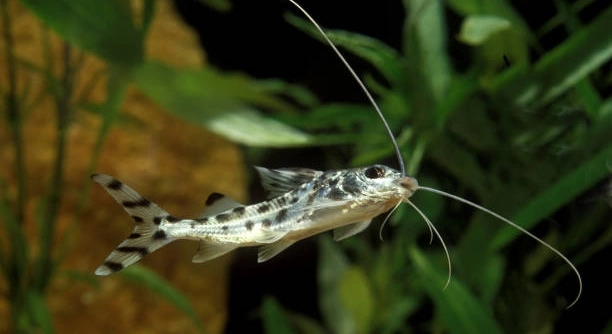
Pictus catfish are popular freshwater fish known for their active nature and striking appearance. Many aquarium owners enjoy keeping them because they add life and movement to tanks. Understanding their care needs is important for their well-being.
Pictus catfish cannot live in brackish water as they require strictly freshwater environments. Exposure to brackish water, which contains salt, can cause stress and health issues that may lead to their decline or death.
Knowing the right conditions for pictus catfish helps ensure they stay healthy and thrive. This article explains why freshwater is essential and how to maintain the best environment for these fish.
Understanding Pictus Catfish Habitat Needs
Pictus catfish naturally live in freshwater rivers and streams in Southeast Asia. Their bodies are adapted to stable freshwater conditions with low salt content. Salt in the water can interfere with their ability to regulate fluids and ions, which is essential for their survival. When kept in brackish water, the salt concentration can cause stress to their gills and skin, making it harder for them to breathe and maintain proper hydration. Even small amounts of salt can upset their delicate balance. Their natural habitat provides plenty of hiding spots and clean water, which helps keep them healthy and active. Aquarium owners must replicate these conditions to avoid health problems. Proper filtration and regular water changes are important. Maintaining a pH between 6.5 and 7.5, and a temperature around 74 to 79 degrees Fahrenheit, supports their well-being. Understanding these needs is key to keeping pictus catfish thriving in a home aquarium.
Salt levels in brackish water can harm pictus catfish’s ability to regulate body functions, leading to stress and illness.
Freshwater fish like pictus catfish have different body systems than brackish or saltwater species. Their kidneys and gills are designed to manage low salt environments. When exposed to saltier water, their cells can lose water, causing dehydration. Over time, this damages vital organs and can lead to fatal outcomes. Pictus catfish also rely on specific water chemistry and clean conditions. Brackish water often contains different minerals and bacteria, which may increase the risk of infections or parasites. Keeping them in their natural freshwater environment avoids these complications. If you want to create a community tank, choose other freshwater fish that share similar needs. Understanding these distinctions helps ensure your pictus catfish stay healthy and active for years.
Adjusting Aquarium Conditions for Pictus Catfish
Maintaining the right water conditions is essential for pictus catfish health.
Proper tank setup includes a good filtration system to keep water clean and oxygenated. Pictus catfish prefer a tank with hiding spots like plants, rocks, or driftwood to feel secure. Regular water changes help control nitrate levels and reduce toxins. Testing water parameters frequently is important to ensure pH, hardness, and temperature stay within safe ranges. Avoid adding salt or mixing brackish water to prevent stress. Feeding them a balanced diet of sinking pellets, frozen, or live foods supports their energy needs. Monitoring behavior for signs of stress or illness allows for early intervention. Creating a stable and clean environment is key to their longevity and activity. With consistent care, pictus catfish can thrive and become a lively addition to any freshwater aquarium.
Signs of Stress in Pictus Catfish
Stress in pictus catfish often shows through changes in behavior. They may hide more, become less active, or stop eating. Physical signs like clamped fins or faded coloration are also common. Recognizing these signs early helps prevent serious health problems.
Stress weakens their immune system, making them vulnerable to diseases. If exposed to unsuitable water conditions such as brackish water, they may develop respiratory issues or infections. Erratic swimming or gasping at the surface are warning signs. Stress can also lead to rapid weight loss and lethargy. Ensuring consistent freshwater conditions and proper tank maintenance reduces these risks. Regular observation of your fish’s behavior helps catch issues early, allowing you to adjust care routines as needed.
Water quality directly impacts stress levels in pictus catfish. High ammonia or nitrate levels can irritate their gills and skin, increasing stress. Uneven temperature or sudden changes also cause discomfort. Maintaining stable conditions with frequent water testing supports their health. Clean water and a quiet environment encourage natural behaviors and reduce anxiety. Avoid overcrowding the tank to limit competition for food and territory. Providing ample hiding places helps pictus catfish feel secure, reducing stress. With attention to their needs, these fish show lively activity and bright coloration.
Suitable Tank Mates for Pictus Catfish
Pictus catfish get along best with peaceful freshwater fish that share similar water requirements.
Avoid aggressive or territorial species that could harm or stress them. Good tank mates include tetras, danios, and rasboras, which are active but non-aggressive. Bottom dwellers like Corydoras catfish also work well since they occupy different tank levels. Keep in mind that pictus catfish are nocturnal and may be shy during the day, so calm companions help maintain a peaceful environment. Avoid salt-tolerant or brackish water fish, as their needs conflict. A well-planned community tank balances activity and calmness, allowing all species to thrive together without stress.
Compatibility depends on matching water parameters, behavior, and tank size. Pictus catfish prefer a tank of at least 30 gallons to provide space for swimming and hiding. Larger tanks reduce stress from overcrowding. Introducing fish gradually and monitoring interactions prevents aggression. Feeding should accommodate all species’ diets without competition. Proper filtration and aeration support diverse fish species. Avoid mixing fish that require brackish water or different temperatures. Careful selection of tank mates ensures a harmonious aquarium where pictus catfish live comfortably and display their natural behaviors.
Feeding Pictus Catfish in Freshwater
Pictus catfish are omnivores and enjoy a varied diet. They prefer sinking pellets, frozen foods, and live treats like bloodworms. Feeding small portions twice daily keeps them healthy and active.
Avoid overfeeding to prevent water quality issues. Uneaten food can pollute the tank and stress the fish.
Why Brackish Water Is Unsuitable
Brackish water contains salts that pictus catfish cannot tolerate. Salt disrupts their internal balance and damages their gills. Freshwater environments better support their physiology and health.
Water Changes and Maintenance
Regular water changes keep the tank clean and reduce harmful chemicals. Changing 20-25% of the water weekly is ideal for pictus catfish.
Maintaining stable water parameters helps prevent stress and illness, ensuring a healthy aquarium environment.
FAQ
Can pictus catfish survive if accidentally placed in brackish water?
If pictus catfish are accidentally placed in brackish water, they may survive for a short time but will experience significant stress. Salt in the water affects their gill function and hydration. Prolonged exposure can cause serious health problems, including infections and organ failure. It is important to move them back to freshwater quickly to minimize damage.
How can I tell if my pictus catfish is stressed from brackish water?
Signs of stress include hiding excessively, loss of appetite, faded color, and clamped fins. You might also notice erratic swimming or gasping at the surface. These behaviors indicate the fish is struggling with water conditions, such as increased salt levels, which are harmful to them.
Are there any salt levels that pictus catfish can tolerate?
Pictus catfish require strictly freshwater environments and cannot tolerate even low salt concentrations typically found in brackish water. Even minimal salt can disrupt their internal balance. Keeping them in pure freshwater is essential for their health and longevity.
Can I add aquarium salt to a freshwater tank with pictus catfish?
It is generally best to avoid adding aquarium salt to a tank with pictus catfish. While some freshwater fish can tolerate small amounts of salt, pictus catfish are sensitive and may suffer adverse effects. Always consult care guidelines specific to pictus catfish before adding any additives.
What are the best water parameters for pictus catfish?
Ideal water parameters include a temperature range of 74 to 79 degrees Fahrenheit, pH between 6.5 and 7.5, and low hardness levels. Stable, clean freshwater with minimal fluctuations supports their health. Regular water testing helps maintain these conditions.
Can pictus catfish live with brackish water fish in the same tank?
It is not recommended to mix pictus catfish with brackish water species. Different salinity needs create conflicts, and pictus catfish will be at risk of stress or illness. Keep pictus catfish with freshwater species that share similar water requirements.
What should I do if I want to switch my aquarium from freshwater to brackish?
If you plan to convert a freshwater tank to brackish, pictus catfish should be removed and placed in a suitable freshwater setup. They will not survive the change in salinity. Ensure you have alternative fish species that thrive in brackish water.
How often should I test my aquarium water when keeping pictus catfish?
Testing water weekly is recommended to monitor pH, ammonia, nitrites, nitrates, and temperature. Frequent testing helps catch issues early and maintain a stable environment, reducing stress and supporting the health of pictus catfish.
What is the best diet to keep pictus catfish healthy?
A varied diet of sinking pellets, frozen or live bloodworms, and occasional vegetables is ideal. Feeding twice daily in small portions prevents overfeeding and water quality problems. A balanced diet supports their activity and vibrant coloration.
Are pictus catfish sensitive to sudden changes in water conditions?
Yes, pictus catfish are sensitive to sudden changes in temperature, pH, and water chemistry. Rapid shifts cause stress and increase disease risk. Always introduce changes slowly and monitor the fish’s behavior closely.
Can pictus catfish tolerate slight salt exposure from contaminated water?
Even slight salt exposure can harm pictus catfish over time. Their physiology is not adapted to saltwater or brackish conditions. It is crucial to keep their water clean and free from contamination to avoid health issues.
How do I properly acclimate pictus catfish to a new tank?
Acclimate pictus catfish slowly by floating their bag in the new tank for 20-30 minutes to equalize temperature. Then gradually add small amounts of tank water to their bag over an hour before release. This reduces stress and helps them adjust.
Can pictus catfish breed in home aquariums?
Breeding pictus catfish in home tanks is rare and challenging. They need specific conditions, including clean, soft freshwater and low stress. Most hobbyists keep them as adult community fish rather than breeding them.
What tank size is recommended for pictus catfish?
A minimum of 30 gallons is recommended to provide enough swimming space and proper filtration. Larger tanks help maintain water stability and reduce stress. Overcrowding increases risk of aggression and illness.
How long do pictus catfish typically live?
With proper care, pictus catfish can live around 8 to 10 years. Maintaining clean, stable freshwater and a balanced diet supports their longevity. Monitoring for disease and stress also improves lifespan.
Are pictus catfish compatible with plants?
Yes, pictus catfish do well in planted tanks. Plants provide hiding spots and help maintain water quality. Choose sturdy plants, as these fish can be active and may occasionally disturb fragile leaves. Live plants benefit both fish and aquarium health.
Pictus catfish are freshwater fish that need a carefully maintained environment to stay healthy. They are not suited for brackish water because their bodies cannot handle the salt content. Even small amounts of salt can cause serious stress and health problems. This makes it important to keep them in freshwater tanks with stable water conditions. Providing the right temperature, pH, and clean water helps them live longer and stay active. A well-maintained freshwater aquarium supports their natural behavior and overall well-being.
When caring for pictus catfish, it is essential to pay attention to their needs beyond just water type. They require a balanced diet of sinking pellets, frozen or live foods, and occasional vegetables to remain healthy. Overfeeding should be avoided to maintain good water quality, as uneaten food can pollute the tank. Tank mates should be chosen carefully to avoid aggressive species or fish that require brackish water. Quiet, peaceful companions that share similar freshwater needs are best. Providing hiding places with plants, rocks, or driftwood also helps reduce stress.
Maintaining a proper environment for pictus catfish means regular water testing and changes. Weekly partial water changes keep harmful chemicals low and water fresh. Testing parameters like pH, ammonia, nitrites, and nitrates ensures the water remains safe. Sudden changes in water conditions should be avoided to prevent stress. Taking these steps helps pictus catfish thrive and display their natural behavior. Keeping them in freshwater with proper care supports their health and makes them a lively and enjoyable addition to any aquarium.

Hello,
If you enjoy the content that we create, please consider saying a "Thank You!" by leaving a tip.
Every little bit helps us continue crafting quality advice that supports the health, happiness, and well-being of pets around the world, for pets of all shapes, sizes, and species.
We really appreciate the kindness and support that you show us!