
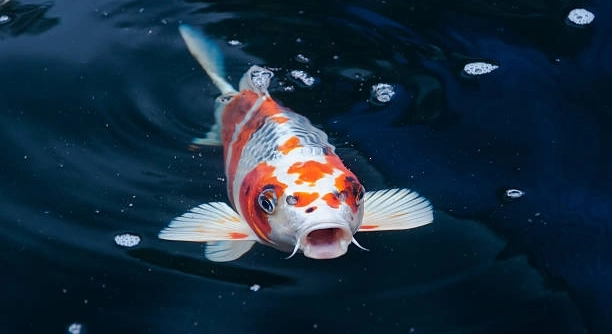
Koi ponds create a peaceful environment that many enjoy watching. Maintaining clear, healthy water is essential for the wellbeing of koi fish. Proper water care helps prevent disease and keeps the pond visually appealing throughout the year.
Changing koi pond water should be done regularly but carefully, typically replacing 10-20% weekly or biweekly. This gradual approach maintains water quality while minimizing stress to the fish and preserving the pond’s beneficial ecosystem.
Understanding the best water change routine can improve the health and longevity of your koi. This article explains the key factors to consider when caring for your pond water.
Why Regular Water Changes Matter
Regular water changes are important to keep koi ponds clean and healthy. Over time, waste from fish, leftover food, and decaying plants build up in the water. This causes harmful substances like ammonia and nitrates to increase, which can stress or harm koi fish. Changing some water frequently helps remove these toxins. It also refreshes oxygen levels, which koi need to thrive. Without regular water changes, pond water can become cloudy and develop unpleasant odors. Clean water supports strong immune systems in koi, reducing the chance of disease. Additionally, water changes help keep beneficial bacteria balanced, which break down waste naturally. Consistent maintenance makes the pond environment stable, ensuring koi remain active and healthy throughout the seasons.
Water changes are not just about cleaning but about supporting the pond’s ecosystem. Small, frequent changes are better than large, infrequent ones, which can shock the fish and disrupt beneficial bacteria.
Keeping up with water changes protects koi health and maintains the pond’s beauty year-round. It also helps prevent costly problems that come from poor water quality.
How Much Water to Change and When
The general rule is to change about 10 to 20 percent of the pond water weekly or every two weeks. This amount is enough to reduce waste without upsetting the pond’s balance. Smaller ponds may need more frequent changes since waste builds up faster. Larger ponds with good filtration may need less frequent water changes.
Choosing the right timing depends on factors such as fish load, feeding habits, and seasonal changes. During warmer months, fish metabolism increases, producing more waste, so water changes might need to be more frequent. In colder months, less waste accumulates, so water can be changed less often.
It is best to monitor water quality with simple test kits. Look for ammonia, nitrite, nitrate, and pH levels to decide if a water change is needed. Avoid changing water during extreme temperature swings to prevent stressing the fish.
Consistent water changes support healthy koi and a balanced pond environment, making maintenance manageable and effective.
Preparing for a Water Change
Use a clean hose or bucket to remove water safely. Avoid using soap or chemicals on equipment to prevent contamination. Prepare fresh water by dechlorinating it before adding it to the pond. Matching water temperature helps avoid shocking the fish.
Before changing the water, turn off pumps and filters to prevent damage. Slowly remove the designated portion of water to keep fish stress low. After removing water, add treated, temperature-matched water gradually. This process preserves beneficial bacteria and maintains water balance. Carefully monitor fish behavior during and after the change.
Regular preparation ensures water changes go smoothly and protect koi health. Taking time with these steps prevents sudden changes that could cause fish stress or illness. Consistent care maintains pond balance and improves the overall environment.
Signs Your Koi Pond Needs a Water Change
Cloudy or foul-smelling water often indicates the need for a water change. High algae growth or visible debris are also signs that water quality has declined. Fish behavior can reflect water conditions; lethargy or gasping at the surface can suggest poor water quality.
Testing water parameters regularly helps catch issues early. Elevated ammonia or nitrate levels mean waste is accumulating. If pH shifts significantly, it can harm fish and plants. Frequent water changes reduce these risks by diluting harmful substances. Observing fish closely helps identify when conditions are worsening. Timely water changes improve fish health and keep the pond visually appealing. Maintaining water quality is essential for a thriving koi pond.
Avoiding Common Water Change Mistakes
Changing too much water at once can stress koi and upset the pond’s natural balance. Avoid using untreated tap water, which may contain chlorine harmful to fish. Always remove water gradually and replace it with properly treated water.
Maintaining consistent water changes helps prevent sudden shifts in water chemistry. Keeping a schedule supports stable conditions, which koi need to stay healthy and active.
Impact of Seasonal Changes on Water Maintenance
Seasonal changes affect how often water should be changed. In spring and summer, koi are more active and produce more waste, requiring more frequent water changes. Cooler months slow metabolism, so water changes can be less frequent.
Adjusting water care based on temperature and fish activity helps maintain healthy water quality year-round. This reduces the risk of harmful waste buildup and supports koi wellbeing.
Tools That Help with Water Changes
Water testing kits provide essential information about water quality. Hoses with adjustable flow help control water removal and addition. Dechlorinators prepare tap water safely for fish.
Using the right tools simplifies maintenance and protects koi health.
FAQ
How often should I change all the water in my koi pond?
Changing all the water in a koi pond is generally not recommended. A complete water change can shock the fish and disrupt the beneficial bacteria that help maintain water quality. Instead, it is better to perform partial water changes regularly, typically replacing 10-20% of the water weekly or biweekly.
Can I use tap water directly for my koi pond?
Tap water often contains chlorine or chloramines, which are harmful to koi fish. Before adding tap water to your pond, it must be treated with a dechlorinator to remove these chemicals. Allowing the treated water to sit for a short time helps ensure the water is safe for your fish.
What is the best time of day to change koi pond water?
Early morning or late afternoon are ideal times for water changes. These times avoid temperature extremes, which can stress koi fish. Changing water during the heat of the day or at night can cause sudden temperature shifts that may harm your koi.
How can I prevent stressing my koi during water changes?
To reduce stress, avoid changing large amounts of water at once. Remove water slowly and add fresh water gradually. Make sure new water matches the pond’s temperature and is free of chlorine or other harmful chemicals. Turning off pumps during water changes also helps keep the environment stable.
Is it necessary to clean the pond filter during water changes?
Filters play a key role in maintaining water quality by removing debris and supporting beneficial bacteria. Cleaning the filter regularly is important but avoid over-cleaning or using tap water to rinse it, as this can kill helpful bacteria. Instead, rinse filter media in pond water removed during a water change.
What should I do if my koi pond water becomes cloudy?
Cloudy water often signals excess waste, algae blooms, or improper filtration. Partial water changes help remove excess nutrients and debris. Checking and maintaining the filter, reducing feeding, and ensuring proper aeration can also improve water clarity.
How do I know if my water quality is good enough?
Testing water regularly is the best way to monitor quality. Key factors include ammonia, nitrite, nitrate, pH, and oxygen levels. Ideal water has very low ammonia and nitrite, moderate nitrate levels, stable pH, and sufficient oxygen. Home test kits are simple to use and provide quick results.
Can I change water more often than recommended?
Changing water too frequently or too much can disturb the pond’s ecosystem and cause stress to koi fish. Follow a consistent schedule and adjust based on water tests and seasonal changes. Smaller, frequent changes are preferable to large, infrequent ones.
What temperature should replacement water be?
Replacement water should be close to the pond’s existing temperature to avoid shocking the koi. Sudden temperature changes can weaken immune systems and increase vulnerability to disease. Using a thermometer helps ensure water is within a safe range before adding it to the pond.
Should I stop feeding koi before changing water?
It’s a good practice to reduce or stop feeding koi a few hours before a water change. This helps minimize waste buildup during the process and reduces water pollution. After the water change, wait until the fish settle before resuming normal feeding.
How does algae affect the need for water changes?
Algae growth often increases when nutrient levels rise due to waste accumulation. Regular water changes remove excess nutrients and help control algae. Managing sunlight exposure and maintaining a balanced ecosystem with plants and proper filtration also reduce algae problems.
Can weather affect how often I should change my pond water?
Yes, hot and rainy weather can influence water quality. Warm temperatures increase fish metabolism and waste production, requiring more frequent changes. Heavy rain can dilute pond water but also introduce contaminants, so testing water after storms is important to decide if a change is needed.
What are signs of poor water quality besides cloudy water?
Other signs include fish gasping at the surface, lethargy, unusual swimming behavior, or visible stress like clamped fins. Sudden changes in pH or temperature and a strong odor can also indicate water quality issues. Addressing these signs early with water changes helps prevent illness.
Is it okay to add water treatments during water changes?
Certain water conditioners or beneficial bacteria supplements can be added to support pond health. Use products designed specifically for koi ponds and follow manufacturer instructions carefully. Avoid using too many chemicals at once, as this can cause imbalances.
How can I maintain good water quality between changes?
Besides regular water changes, avoid overfeeding, clean debris from the pond, and maintain proper filtration. Aeration with pumps or fountains increases oxygen levels. Adding aquatic plants helps absorb excess nutrients and provides shelter for fish. Consistent monitoring is key to healthy water.
Changing the water in a koi pond is an important part of keeping the pond healthy and the fish happy. Regular water changes help maintain clean, balanced water by removing waste and excess nutrients. These changes prevent harmful substances from building up and keep the environment stable for koi to thrive. It is better to change a smaller portion of water frequently, rather than replacing all the water at once, which can shock the fish and disrupt the pond’s natural balance.
Taking care during the water change process is necessary to protect the fish and beneficial bacteria in the pond. Preparing fresh water by removing chlorine and matching its temperature to the pond water helps avoid stressing koi. Turning off pumps and filters while changing water and adding new water slowly also supports a smooth transition. These steps help maintain the health of the pond’s ecosystem and prevent sudden changes that could harm the fish.
Water quality can change throughout the year due to seasonal shifts and weather conditions. Warmer months increase fish activity and waste production, requiring more frequent water changes. Cooler months may need less frequent changes but still require attention to water conditions. Testing water regularly and observing fish behavior can guide when water changes are necessary. Keeping up with proper maintenance ensures koi stay healthy, and the pond remains clean and balanced throughout the year.

Hello,
If you enjoy the content that we create, please consider saying a "Thank You!" by leaving a tip.
Every little bit helps us continue crafting quality advice that supports the health, happiness, and well-being of pets around the world, for pets of all shapes, sizes, and species.
We really appreciate the kindness and support that you show us!