
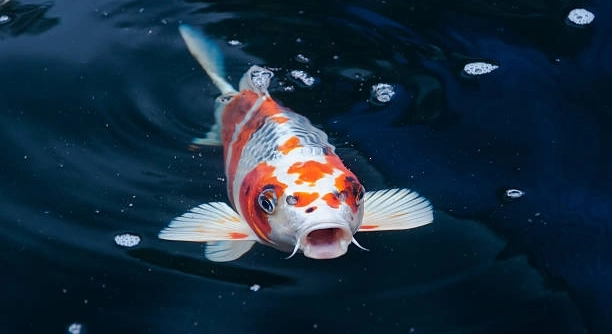
Are your koi fish showing strange white patches or behaving differently in the water lately? Fungal infections might be the cause.
Koi fish fungal infections are primarily caused by poor water quality, physical injuries, stress, or the presence of decaying organic matter. These infections can weaken the fish, making them vulnerable to secondary health problems if left untreated.
Understanding the triggers behind these infections can help you take the right steps to treat them and keep your koi healthy and comfortable in their pond environment.
1. Poor Water Quality
When the water in a koi pond isn’t clean, it can quickly lead to fungal infections. Dirty water holds excess waste, leftover food, and decaying plants, all of which affect the balance of the ecosystem. When ammonia, nitrites, or nitrates get too high, koi fish become stressed. Stress weakens their immune system, making it easier for fungi to grow on their skin or gills. The situation gets worse in ponds with clogged filters or rare water changes. Without regular maintenance, fungal spores have a better chance of attaching to fish. Maintaining clean water through proper filtration and weekly checks keeps the pond stable.
A simple water test kit can help you keep ammonia and pH levels in check and reduce the chance of infection.
If your pond water is cloudy or smells bad, it’s likely out of balance. Frequent testing, partial water changes, and cleaning filters are essential to avoid fungal outbreaks and keep your koi comfortable.
2. Injuries on the Skin
Open wounds can quickly lead to fungal infections in koi fish.
Koi can injure themselves on sharp rocks, rough surfaces, or during breeding activity. When their skin is damaged, it becomes an easy entry point for fungi. These infections often appear as white or grey patches that look like cotton. Once attached, the fungi grow rapidly, especially if the pond water isn’t clean. Injured fish should be moved to a quarantine tank if possible and treated with antifungal medication. You can also use a topical treatment directly on the wound if you are experienced and gentle. If left untreated, the infection can spread deeper into the tissue, affecting the fish’s ability to swim or eat.
Removing sharp objects from the pond and observing how your koi interact can help prevent injury. Treat any wounds quickly, and make sure the water stays clean while they heal. Keeping stress low also helps them recover faster.
3. Stress from Overcrowding
When too many koi are in one pond, it leads to stress and a higher risk of fungal infections.
Crowded ponds create competition for space, oxygen, and food. Koi become more aggressive, bump into each other, and develop small wounds. These wounds make them more vulnerable to fungi, especially if the water quality is also poor. Overcrowding also reduces oxygen levels, putting additional pressure on their immune systems. Even if the pond looks big enough, koi grow fast and need more room than most expect. Regularly checking fish count and adjusting as needed helps prevent this. Adding an extra air pump can also ease stress levels in a packed pond.
If your koi seem restless or stay near the surface often, they might be short on space or oxygen. It’s a good idea to reduce the number of fish, increase filtration, and improve circulation. This helps maintain a healthier balance and lowers the risk of stress-based infections.
4. Sudden Temperature Changes
Koi are sensitive to temperature shifts, especially in early spring or late fall when the weather changes quickly.
Rapid drops or spikes in water temperature can stress koi and weaken their natural defenses. When the immune system slows down, fungi can take hold more easily. Cold water slows their metabolism, while sudden warmth can speed it up too fast. Both conditions throw off their normal balance. A sudden cold snap after a warm week can be especially harmful. Keeping the pond temperature stable with a heater or shade can make a big difference. Try to maintain gradual seasonal changes, and check temperature often during transitional months.
Even a short period of stress from temperature swings can open the door to infections. If koi appear sluggish or stop eating, check the water temperature right away. Insulating the pond edges, using floating covers, or planting shade around the pond can help limit fast temperature swings. These steps protect your fish from getting sick during unstable weather.
5. Presence of Decaying Organic Matter
Dead leaves, uneaten food, and fish waste often collect at the bottom of the pond. This creates the perfect environment for fungal spores to grow and spread. Over time, this buildup affects water quality and puts stress on your koi.
Using a pond vacuum or net regularly helps remove debris. Trimming nearby plants, feeding koi only what they can eat in a few minutes, and cleaning filters often can also prevent buildup. These small habits go a long way in reducing infection risks caused by decaying matter.
6. Weak Immune System
A koi fish with a weak immune system can’t fight off fungal infections easily. Poor diet, stress, old age, or previous illnesses can lower immunity. When koi are undernourished or recovering from sickness, they are more vulnerable. A balanced diet with high-quality pellets and seasonal feeding adjustments supports their immune health. Supplements like vitamin C can help too. Quarantine any new fish before adding them to the pond to prevent spreading illnesses. Keep a close eye on older or slower fish—they’re often the first to show signs of a problem. Early care makes a big difference in recovery.
7. Introduction of Infected Fish
Adding new koi without proper quarantine increases the risk of bringing in fungal infections. Always isolate new fish for at least two weeks before placing them in the main pond.
FAQ
How can I tell if my koi fish has a fungal infection?
Fungal infections usually show up as white or gray cotton-like patches on your koi’s skin, fins, or gills. The patches may look fuzzy or slimy. You might also notice your fish rubbing against objects, acting sluggish, or losing appetite. If left untreated, the fungus can spread and cause more serious health problems.
What is the best way to treat koi fungal infections?
Treating fungal infections involves improving water quality and using antifungal medications. First, make sure your pond is clean and well-filtered. Then, use over-the-counter antifungal treatments designed for koi. Follow the instructions carefully. In some cases, isolating infected fish in a quarantine tank helps control the spread and allows for closer treatment monitoring.
Can fungal infections be prevented?
Yes, keeping your pond clean and well-maintained is key to prevention. Regular water testing, changing part of the water weekly, removing debris, and avoiding overcrowding all reduce infection risks. Feeding koi a balanced diet and checking new fish for signs of illness before introducing them also help prevent fungi.
How often should I check my pond water?
Test your water at least once a week for ammonia, nitrites, nitrates, and pH levels. More frequent checks are better during temperature changes or if you notice koi acting differently. Stable water parameters keep koi healthy and less prone to infections.
Is it safe to treat my entire pond if only one fish is infected?
Treating the whole pond is often necessary because fungal spores can spread easily. Quarantine is ideal for severe infections, but if not possible, treat the entire pond to protect all your fish. Be sure to follow treatment guidelines and monitor fish behavior during this time.
Can poor diet cause fungal infections?
A poor diet weakens a koi’s immune system, making fungal infections more likely. Feeding high-quality, balanced koi food with proper nutrients supports their health and helps them fight off infections.
What role does stress play in fungal infections?
Stress lowers koi’s natural defenses, increasing the chance of infections. Causes of stress include overcrowding, poor water quality, sudden temperature changes, or injuries. Reducing stress through good pond care and gentle handling is essential.
How long does it take for a fungal infection to heal?
Healing time depends on infection severity and treatment speed. Mild cases can improve within one to two weeks with proper care, while severe infections may take longer. Consistent treatment and clean water speed up recovery.
Are all white patches on koi caused by fungus?
Not always. White patches can also be signs of parasites, bacterial infections, or physical damage. Proper diagnosis is important, so if unsure, consult a vet or experienced koi keeper before treatment.
Can I use household items to treat fungal infections?
It’s best to avoid household chemicals or unapproved treatments, as they can harm your fish or disrupt pond balance. Use medications specifically made for koi or fish health. When in doubt, seek advice from a professional.
How do I safely quarantine a koi fish?
Use a separate tank with clean, filtered water. Maintain proper temperature and oxygen levels. Observe the fish daily for signs of infection or stress. Quarantine new or sick fish for at least two weeks before returning them to the pond.
Can fungal infections come back after treatment?
Yes, if underlying issues like water quality or stress aren’t fixed, infections can return. Consistent pond maintenance and monitoring fish health help prevent reoccurrence.
Is it normal for koi to have minor injuries?
Minor injuries can happen but should heal quickly in a healthy pond. If wounds worsen or develop white patches, they may be infected and need treatment.
What should I do if my koi’s fungal infection spreads rapidly?
Increase water changes, improve filtration, and consider immediate isolation of infected fish. Use stronger antifungal treatments if recommended by a vet. Quick action is crucial to protect your entire pond.
Can plants in the pond help prevent fungal infections?
Plants improve water quality by absorbing nutrients and providing oxygen. They also offer hiding spots for koi, reducing stress. Healthy plants contribute to a balanced environment, indirectly lowering infection risks.
Final Thoughts
Keeping koi fish healthy means paying close attention to their environment. Fungal infections often start when something in the pond isn’t quite right. It could be dirty water, injuries, stress from overcrowding, or sudden changes in temperature. All of these factors can weaken a koi’s defenses and give fungus a chance to grow. The good news is that most causes of fungal infections can be managed or prevented with regular care. Testing water, cleaning the pond, and watching your fish closely are simple but effective steps. These habits help keep your koi safe and comfortable, reducing the chance of illness.
Treating fungal infections early is important. The longer the problem goes unnoticed, the harder it can be to fix. If you see white fuzzy patches or notice your fish acting unusual, act quickly. Improving water quality and using antifungal medications usually work well when combined with good pond care. Sometimes, isolating infected fish in a separate tank helps speed up healing and stops the infection from spreading. Remember that a balanced diet and minimizing stress also support your koi’s immune system. Healthy fish are better at fighting off infections on their own, so keep their living conditions stable and stress-free.
It’s also important to be patient and consistent. Healing takes time, and fungal infections don’t disappear overnight. Along with treatment, maintaining a clean pond and preventing injuries or overcrowding will lower the chances of the infection coming back. Small, daily actions—like feeding the right amount, removing debris, and checking water quality—make a big difference in the long run. By understanding what causes fungal infections and taking steps to address them, you create a safer and happier home for your koi. This care helps them thrive and keeps your pond looking beautiful for years to come.

Hello,
If you enjoy the content that we create, please consider saying a "Thank You!" by leaving a tip.
Every little bit helps us continue crafting quality advice that supports the health, happiness, and well-being of pets around the world, for pets of all shapes, sizes, and species.
We really appreciate the kindness and support that you show us!