
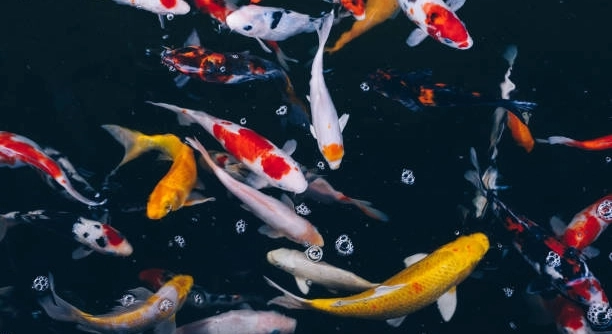
Koi pond owners often rely on filter systems to keep their water clean and fish healthy. Maintaining a well-functioning filter is essential to a thriving koi environment. Problems with these systems can cause serious issues if not addressed early.
Several factors can damage or disrupt a koi filter system, including clogged media, improper flow rates, lack of regular maintenance, and the buildup of debris or algae. Each of these issues reduces the filter’s effectiveness and can harm the pond’s ecosystem.
Knowing what harms your koi filter system helps you avoid costly repairs and protects the health of your fish. This article will explain the most common problems you should watch for.
Clogged Filter Media
A common issue that affects koi filter systems is clogged filter media. Over time, particles like fish waste, uneaten food, and plant debris accumulate in the filter’s sponge, bio balls, or other media. When this happens, water flow slows down, and the filter cannot clean the water properly. This buildup also reduces the amount of oxygen available for beneficial bacteria that break down harmful ammonia and nitrites. Regular cleaning or replacing the filter media is necessary to keep the system working well. Ignoring clogged media often leads to poor water quality, which stresses koi fish and can cause illness. Some pond owners forget to clean filters frequently or try to rinse media too harshly, killing helpful bacteria. It is best to gently rinse the media in pond water rather than tap water to preserve the bacterial colonies. Routine checks help catch clogs before they become a major problem, ensuring the koi stay healthy and happy.
Clogged media restricts water flow and reduces filter efficiency, leading to unhealthy pond conditions.
Keeping filter media clean and rinsed carefully supports good water quality and a safe environment for your koi. Establish a regular cleaning schedule to avoid buildup, and always handle media gently to protect beneficial bacteria. By doing this, you can maintain steady water flow and healthy biological filtration. This simple step helps prevent many common filter problems before they arise.
Improper Water Flow Rate
Water flow rate plays a crucial role in the performance of koi filter systems. If the flow is too fast, the filter media won’t have enough time to clean the water properly, and debris can pass through unfiltered. On the other hand, if the flow is too slow, waste can accumulate, causing clogging and reducing oxygen for beneficial bacteria. Both situations harm water quality and fish health. To keep your filter working correctly, monitor the pump and valves to ensure flow matches the filter’s design. Some pumps might be too powerful or weak for certain filters, so choosing the right size is important. Adjusting valves can help control flow, but regular testing of water clarity and quality is the best way to check if the flow rate is balanced.
A balanced flow rate maximizes filtration efficiency and maintains water clarity.
Too high or low flow disrupts filter function, which can cause stress or illness in koi. Understanding your system’s needs and regularly checking the flow will help keep everything running smoothly and your fish thriving.
Debris Buildup in Pipes
Debris like leaves, algae, and dirt can collect in the filter’s pipes, causing blockages. This buildup limits water flow and puts extra strain on the pump.
When debris blocks pipes, water circulation slows, which reduces filter efficiency. The pump has to work harder, increasing wear and energy use. Left unchecked, blockages can cause pump failure or even damage the filter system. Regularly inspecting and cleaning pipes helps prevent these problems. Using strainers or nets on pond inlets can reduce how much debris enters the system, keeping pipes clearer. Clearing pipes before heavy debris seasons, like autumn, also protects the filter and pump.
Removing debris early keeps the system running smoothly and avoids costly repairs. Staying proactive with pipe maintenance helps maintain healthy water conditions for your koi.
Lack of Regular Maintenance
Skipping regular maintenance causes many filter problems. Filters need cleaning, media checks, and pump inspections to work well.
Without maintenance, debris and sludge build up inside the filter, clogging it and lowering water quality. Beneficial bacteria may die off if conditions worsen, leading to spikes in harmful ammonia and nitrites. Pumps may get worn or fail if not monitored and cleaned. Establishing a maintenance routine, like checking the filter weekly and cleaning monthly, can prevent these issues. Maintenance also includes checking for leaks and ensuring seals are tight. A well-maintained filter system runs efficiently, saves money on repairs, and keeps koi healthier by providing clean water consistently. Regular care is simple but crucial for a lasting, reliable filtration system.
Algae Overgrowth
Algae can quickly grow inside filters if there is too much sunlight or excess nutrients. This growth clogs the media and pipes, reducing filter efficiency.
Controlling algae with shade, proper feeding, and regular cleaning helps keep the filter clear and working well.
Incorrect Filter Size
Using a filter that is too small for your pond volume or fish load causes poor water quality. The filter can’t process waste fast enough, leading to toxic buildup and stress for the koi.
Choosing the right filter size based on your pond’s size and fish population is essential. Oversized filters work better and last longer, but too large may waste energy. Consult product guidelines or experts to find a suitable filter size. Proper sizing ensures the filter handles the pond’s needs efficiently, keeping water clean and fish healthy.
Poor Pump Performance
A weak or failing pump reduces water flow through the filter. This decreases filtration and harms water quality.
How often should I clean my koi filter system?
Cleaning frequency depends on your pond size, fish population, and filter type. Generally, it’s best to check your filter every week and do a gentle cleaning of the media once a month. Some parts, like mechanical sponges, may need rinsing more often if they fill up quickly. Biological media usually requires less frequent cleaning to protect beneficial bacteria. Over-cleaning can harm these helpful bacteria, so avoid using tap water with chlorine; instead, rinse media in pond water. Keeping a regular cleaning schedule prevents buildup, maintains water flow, and helps the filter perform at its best.
What type of water should I use to rinse the filter media?
Always use pond water to rinse your filter media. Tap water often contains chlorine or chloramine, which can kill the beneficial bacteria living in the filter. These bacteria are essential for breaking down harmful ammonia and nitrites. When you remove media for cleaning, gently swirl it in a bucket of pond water to remove debris without damaging the bacteria colonies. This approach helps keep your biological filtration healthy and prevents water quality issues. If pond water isn’t available, let tap water sit uncovered for 24 hours to allow chlorine to evaporate before using it for rinsing.
Can I over-clean my filter?
Yes, over-cleaning a filter can be harmful. When filter media is cleaned too thoroughly or too often, beneficial bacteria that break down toxic waste are washed away or killed. This loss can cause spikes in ammonia and nitrite levels, which are dangerous for koi fish. It’s better to clean only the parts that are visibly dirty and to use pond water for rinsing. Following a maintenance schedule with gentle cleaning helps maintain a healthy balance inside your filter, keeping the pond’s ecosystem stable.
What causes a sudden drop in water flow through the filter?
A sudden drop in water flow usually means there is a blockage somewhere. Common causes include clogged filter media, debris buildup in pipes or pump strainers, or airlocks in the system. Inspect the filter media for dirt or sludge and clean if needed. Check pipes and hoses for leaves, algae, or sediment that may be blocking water. Also, look for trapped air bubbles in the pump or pipes, which can disrupt flow. Fixing these issues quickly helps keep your filter running smoothly and prevents stress on your koi.
Is it normal for algae to grow inside the filter?
Some algae growth inside the filter is common, especially in areas exposed to sunlight. However, excessive algae can clog the filter media and pipes, reducing efficiency. Controlling sunlight exposure, feeding koi the right amount, and cleaning the filter regularly will limit algae growth. Using shade covers or planting pond-side vegetation can reduce sunlight reaching the filter. Keeping algae under control ensures your filter stays clear and water quality remains high.
How do I know if my filter is too small for my pond?
If your filter is too small, you’ll notice poor water clarity, frequent algae blooms, and stressed koi. The filter may clog quickly or struggle to keep up with the waste produced by the fish. Ideally, the filter should handle at least the full volume of your pond in one hour. Check the pump’s flow rate and match it to the filter’s capacity. Upgrading to a larger filter or adding a second unit can improve water quality and fish health. Properly sized filters create a stable, clean environment for your koi.
What signs show that my pump needs attention?
Signs of pump issues include reduced water flow, strange noises, or the pump stopping unexpectedly. A weak or failing pump cannot push enough water through the filter, which lowers filtration effectiveness. Check for debris blocking the pump impeller or clogged strainers, and clean these parts regularly. If the pump is old or damaged, replacing it may be necessary. Keeping your pump in good condition ensures the filter receives proper water flow, maintaining healthy pond conditions.
Can I run my filter without a pump?
No, a pump is necessary to push water through the filter system. Without water flow, the filter media cannot clean the water or support beneficial bacteria. Running the filter without a pump will quickly lead to poor water quality and unhealthy conditions for your koi. The pump also helps circulate oxygen-rich water, which is vital for fish health and bacteria growth inside the filter. Always ensure your pump matches the filter system’s requirements for best results.
How do temperature changes affect my koi filter system?
Temperature affects the bacteria in your filter. In colder water, beneficial bacteria become less active, slowing down the filtration process. During winter, waste breakdown happens more slowly, so regular cleaning and monitoring are important. In warmer months, bacteria work faster but also need sufficient oxygen. Extreme temperatures can stress fish and disrupt the pond’s balance. Adjusting maintenance routines based on seasonal changes helps keep the filter working properly year-round.
What is the best way to prevent filter damage during winter?
To protect your filter in winter, reduce feeding koi to lower waste production, and clean the filter before the cold sets in. If your pond freezes, consider using a pond heater or de-icer to keep a hole in the ice for gas exchange. Some filters can be removed and stored indoors if freezing is severe. Avoid running the filter if water temperature drops below freezing to prevent damage. Preparing your filter system for winter helps it start fresh and work well in spring.
Keeping a koi filter system working well takes attention and regular care. Many things can cause problems, from clogged filter media to debris buildup and poor pump performance. Each of these issues can reduce water quality and stress the fish. Understanding what can go wrong helps you avoid damage and keep the pond environment healthy. Filters are important because they remove waste and harmful chemicals, which keeps koi safe and comfortable.
Regular maintenance is key to a good filter system. Cleaning the filter media gently with pond water and checking pipes for blockages can prevent many common problems. It is also important to choose the right filter size and pump power to match the pond and fish load. Without the proper flow rate, filters cannot work efficiently. When algae or debris buildup is controlled, and maintenance is done on time, the system lasts longer and performs better. This means fewer repairs and a happier pond overall.
Taking care of your koi filter system is not always difficult, but it does require attention to detail. Making a cleaning schedule and inspecting parts regularly helps catch small problems before they grow. Seasonal changes, like winter cold, also need to be considered to protect the filter and fish. By following simple steps and paying close attention, you can keep your koi pond clear and safe. This will help your fish live a long, healthy life in a clean, balanced environment.

Hello,
If you enjoy the content that we create, please consider saying a "Thank You!" by leaving a tip.
Every little bit helps us continue crafting quality advice that supports the health, happiness, and well-being of pets around the world, for pets of all shapes, sizes, and species.
We really appreciate the kindness and support that you show us!