
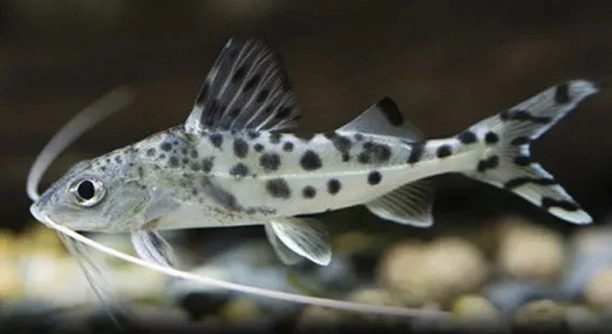
Keeping aquatic pets can be rewarding, and many fish enthusiasts look for new species to add to their outdoor ponds. Pictus catfish are popular for their unique appearance and peaceful nature. Understanding their needs helps ensure a healthy environment for them.
Pictus catfish can live in outdoor ponds if the conditions mimic their natural habitat. They require clean, well-oxygenated water with stable temperatures between 72-78°F. Proper pond depth, shelter, and regular maintenance are essential for their survival and well-being.
Learning how to create the right environment will make all the difference for your pond’s success. This article covers the key points to consider when keeping Pictus catfish outdoors.
Understanding the Natural Habitat of Pictus Catfish
Pictus catfish come from the rivers and streams of Southeast Asia, where the water is warm, clear, and well-oxygenated. They thrive in environments with plenty of hiding spots like plants and rocks, which protect them from predators and reduce stress. The water flow in their natural habitat is moderate, helping to keep oxygen levels high. Temperature plays a crucial role for these fish; they prefer a stable range between 72 and 78 degrees Fahrenheit. Sudden changes in temperature or poor water quality can weaken their immune systems, making them more prone to disease. When considering Pictus catfish for an outdoor pond, replicating these conditions is important. You should check water quality often and provide enough shelter to keep them comfortable. Without these, the fish may struggle to adjust or survive outside their native environment. Proper care and attention can create a healthy setting for Pictus catfish to live peacefully in your pond.
Their natural environment shows how important clean water and hiding places are for their well-being.
A well-maintained pond mimicking these conditions will support the health of Pictus catfish. Shade, proper filtration, and regular water changes help maintain good water quality. Providing a mix of plants and rocks offers necessary shelter and resting areas. These steps prevent stress and encourage natural behaviors like hunting for food at night. It also reduces the risk of disease. Keeping an eye on temperature and oxygen levels will ensure the fish remain comfortable throughout the seasons. By recreating a safe and stable environment, your Pictus catfish can thrive outdoors.
Common Challenges in Outdoor Ponds
Outdoor ponds can be unpredictable, which sometimes causes problems for Pictus catfish. Temperature fluctuations and predators are two main concerns.
Predators like birds and raccoons can harm the fish if the pond isn’t well protected. Also, keeping the water clean is more challenging outdoors because debris and algae build up faster. Temperature swings, especially in colder climates, can stress the fish or even cause death. To prevent this, it’s helpful to add a pond heater or move fish indoors during winter months. Installing a net or other cover keeps predators away. Regular maintenance, like removing debris and testing water quality, helps keep the pond environment stable. Understanding these challenges allows you to take steps to protect your Pictus catfish and ensure they live safely and comfortably outside.
Feeding Pictus Catfish in Outdoor Ponds
Pictus catfish are mainly nocturnal feeders. They prefer a diet rich in protein, including live or frozen foods like bloodworms, brine shrimp, and small insects. Providing variety helps keep them healthy and active.
In outdoor ponds, feeding can be a bit tricky since these fish hunt mostly at night. It’s best to offer food in the early evening when they start becoming active. Pellets designed for carnivorous fish can be used as a supplement, but live or frozen food remains their favorite. Overfeeding should be avoided to prevent water pollution. Uneaten food can quickly decay and harm water quality, so giving small portions and observing their appetite works best. A balanced diet supports their growth and overall health, especially in an outdoor setting where natural food sources might be limited.
It’s helpful to monitor feeding habits regularly to adjust portions and avoid overfeeding. Outdoor conditions may affect their appetite, so staying attentive ensures they get proper nutrition without compromising pond cleanliness.
Maintaining Water Quality for Pictus Catfish
Water quality is critical for keeping Pictus catfish healthy in outdoor ponds. Regular testing for ammonia, nitrite, nitrate, and pH helps detect problems early.
Filtration systems are essential to remove waste and keep the water clear. Biological filters promote beneficial bacteria that break down harmful substances. Partial water changes, done weekly or biweekly, help maintain stable conditions. Avoid overcrowding the pond, as too many fish increase waste and stress water systems. Adding aquatic plants can improve water quality by absorbing nitrates and providing oxygen. Keeping the pond clean of debris and fallen leaves prevents excess organic matter from decomposing and polluting the water. Consistency in these care routines prevents sudden changes that could harm the Pictus catfish and other pond inhabitants.
Shelter and Hiding Spots
Pictus catfish need places to hide and feel safe in outdoor ponds. Rocks, plants, and driftwood provide good shelter. These spots help reduce stress and mimic their natural environment.
Without proper hiding areas, Pictus catfish may become shy or stressed. Providing enough shelter supports their well-being and encourages natural behavior, making them more comfortable in the pond.
Temperature Control for Outdoor Ponds
Maintaining a stable temperature is vital for Pictus catfish survival outdoors. These fish prefer water between 72 and 78 degrees Fahrenheit. Sudden temperature changes can cause stress and illness. In cooler climates, consider using pond heaters or moving fish indoors during cold months. Shade and proper circulation also help keep water temperature steady. Monitoring temperature regularly allows timely adjustments to protect the fish. Keeping the pond environment consistent helps Pictus catfish stay healthy and active throughout the year.
Common Diseases and Prevention
Pictus catfish are prone to fungal and bacterial infections if water quality declines.
Good hygiene, clean water, and a balanced diet reduce disease risk.
FAQ
Can Pictus catfish survive cold winters in outdoor ponds?
Pictus catfish are tropical fish that need warm water, ideally between 72 and 78 degrees Fahrenheit. In regions with cold winters, outdoor ponds can become too chilly for them to survive. If temperatures drop below 65°F, the fish will become stressed and vulnerable to illness. Using a pond heater can help maintain safe temperatures, or it might be necessary to move the fish indoors during winter. Without temperature control, their chances of survival in cold weather are low.
How often should I feed Pictus catfish in an outdoor pond?
Feeding should be done once a day, preferably in the early evening when they are most active. Overfeeding can pollute the water and harm fish health. Offer only what the fish can consume in a few minutes. Supplement their diet with live or frozen protein-rich foods like bloodworms or brine shrimp. It’s important to observe their eating habits and adjust portions as needed to avoid waste buildup.
What type of filtration is best for ponds with Pictus catfish?
A combination of mechanical and biological filtration works best. Mechanical filters remove debris and particles, keeping the water clear. Biological filters support beneficial bacteria that break down harmful ammonia and nitrites, which are toxic to fish. Regular cleaning and maintenance of the filter system ensure it functions well. This setup helps maintain stable water quality, which is crucial for the health of Pictus catfish in an outdoor pond.
Can Pictus catfish be kept with other pond fish?
Yes, Pictus catfish are generally peaceful and can live with other non-aggressive species. Suitable tank mates include small to medium-sized fish that don’t compete aggressively for food. Avoid housing them with large, aggressive fish that might stress or harm them. Providing plenty of hiding spots helps reduce stress and conflict. Always monitor interactions, especially when introducing new fish to the pond.
What signs indicate stress or illness in Pictus catfish?
Common signs include loss of appetite, lethargy, abnormal swimming patterns, and visible spots or wounds on the body. Stress can also cause the fish to hide more than usual or scrape against objects. Poor water quality often leads to illness, so testing water parameters is important when signs appear. Early detection allows for timely treatment and improves the chance of recovery.
How important are plants in a pond with Pictus catfish?
Plants play a key role in maintaining a healthy pond environment. They provide shelter, reduce stress, and offer natural filtration by absorbing nitrates. Plants also help oxygenate the water during daylight. Including a variety of aquatic plants creates a balanced habitat that benefits Pictus catfish and other pond inhabitants.
Is it necessary to do regular water changes in an outdoor pond?
Yes, regular partial water changes are essential to keep the water clean and stable. Outdoor ponds can accumulate debris, algae, and harmful chemicals more quickly than indoor tanks. Changing 10-20% of the water weekly or biweekly helps remove waste and refresh the environment. Fresh water reduces toxins and supports fish health.
How can I protect Pictus catfish from predators in an outdoor pond?
Predators like birds, raccoons, and cats pose a threat to pond fish. Installing nets or wire covers over the pond is an effective way to keep predators out. Providing deep areas and plenty of hiding spots also helps fish escape danger. Motion-activated lights or decoys can deter some animals. Regularly checking the pond’s perimeter ensures it remains secure.
Do Pictus catfish need special lighting in outdoor ponds?
Natural sunlight usually provides enough light for Pictus catfish and pond plants. However, too much direct sun can cause algae blooms and raise water temperature. Adding shaded areas or floating plants can help control sunlight exposure. Artificial lighting is generally not necessary unless the pond is indoors or heavily shaded.
What is the ideal pond size for keeping Pictus catfish?
A pond of at least 100 gallons is recommended to provide enough space and stable water conditions. Larger ponds reduce the risk of temperature swings and waste buildup. Adequate depth, around 18 to 24 inches, helps maintain temperature stability and offers safety from predators. Size also affects how many fish can be comfortably housed. Avoid overcrowding to keep the fish healthy and stress-free.
Pictus catfish can be a nice addition to outdoor ponds when their needs are met carefully. They are peaceful fish that enjoy a stable environment with clean, well-oxygenated water. Providing the right temperature, hiding spots, and a balanced diet helps them stay healthy. It is important to remember that these fish come from warm, tropical waters, so outdoor ponds must be designed to mimic their natural habitat as much as possible. This includes maintaining water temperatures between 72 and 78 degrees Fahrenheit and offering plenty of shelter like plants and rocks. Without these conditions, the fish may become stressed or ill.
Keeping Pictus catfish outside comes with some challenges. Outdoor ponds are exposed to weather changes, predators, and debris, which can affect water quality. Regular maintenance, including testing the water, cleaning filters, and removing fallen leaves or waste, is necessary to keep the environment safe. Adding a pond heater may be needed in colder climates to avoid temperature drops that could harm the fish. It is also important to protect the pond from animals like birds or raccoons, which might prey on the fish. Using nets or other barriers helps reduce this risk and gives the fish a safer place to live.
With proper care and attention, Pictus catfish can thrive in outdoor ponds. Feeding them a varied diet once a day and avoiding overfeeding will support their health and keep the water clean. Regular partial water changes, good filtration, and plants improve the overall pond environment. Watching for signs of stress or illness allows quick action to help the fish recover if needed. By understanding their natural needs and the common challenges of outdoor ponds, it is possible to create a comfortable home for Pictus catfish where they can live peacefully and display their unique beauty.

Hello,
If you enjoy the content that we create, please consider saying a "Thank You!" by leaving a tip.
Every little bit helps us continue crafting quality advice that supports the health, happiness, and well-being of pets around the world, for pets of all shapes, sizes, and species.
We really appreciate the kindness and support that you show us!