
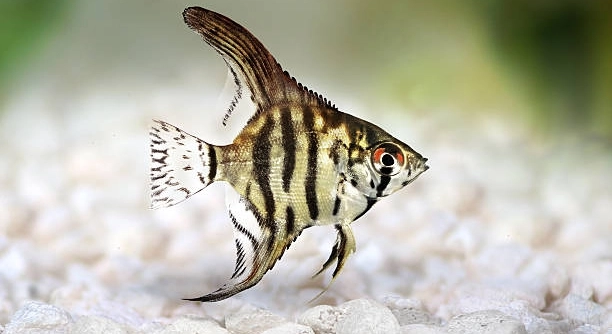
Angelfish are popular in home aquariums due to their vibrant colors and peaceful nature. However, it’s important to know how many of them can coexist in a tank. Several factors influence the ideal number of angelfish to keep together.
The ideal number of angelfish depends on factors such as tank size, water quality, and temperament of the fish. A 20-gallon tank can typically support two to three angelfish, but larger tanks may accommodate more without causing stress.
Balancing these elements will ensure your angelfish thrive in a harmonious environment.
Tank Size Matters
When deciding how many angelfish to keep together, tank size is one of the most important factors to consider. A smaller tank will not only limit the number of fish you can house, but it will also increase the likelihood of territorial behavior and stress among them. For instance, a 20-gallon tank can comfortably house two or three angelfish. If you plan to keep more, you should consider a tank size of at least 40 gallons. The general rule is that you need about 10 gallons of water per angelfish to maintain proper space for movement and a healthy environment.
The right tank size allows for better water quality, which is crucial for the health of your fish. Without enough room, waste products will accumulate, making the water less clean and harder to maintain.
A well-sized tank also gives the angelfish the space they need to establish territories and reduce competition. This ensures they are less likely to fight or stress each other out, creating a peaceful, balanced environment.
Water Quality
Water quality directly affects how many angelfish your tank can support. Regular water changes and proper filtration are essential to maintaining a healthy habitat. Angelfish are sensitive to poor water conditions, and without the right environment, they may not thrive. Keeping the water clean will prevent disease and reduce stress.
Maintaining stable water conditions is key to the success of your tank. Factors like pH, temperature, and hardness must all be monitored and adjusted to suit the needs of your fish. Regular testing is necessary to ensure the water remains within the optimal range.
Fish Temperament
Angelfish can be territorial and may show aggression toward other fish, especially if they feel their space is threatened. If you keep multiple angelfish, you may see them assert dominance. This behavior is common, but it’s crucial to monitor and ensure they don’t harm each other.
The temperament of angelfish can vary depending on factors like their age, size, and individual personalities. Younger fish are often more peaceful, while larger or more mature fish may be more territorial. If you add more fish to the tank, ensure there is enough space for each angelfish to establish its territory, reducing stress and aggression.
Sometimes, certain tankmates may not mix well with angelfish. Fish with similar temperaments or aggressive species can lead to conflicts. Choosing tankmates carefully is crucial to ensuring all fish in your aquarium can coexist peacefully. Larger tanks can help minimize such issues.
Filtration and Aeration
Proper filtration and aeration are vital for any tank with multiple angelfish. Without sufficient filtration, waste builds up quickly, leading to poor water quality and health issues for your fish. An efficient filter removes debris and harmful substances, maintaining the overall health of the tank.
Adequate aeration ensures oxygen levels remain high, which is crucial for your angelfish’s health. Angelfish are sensitive to oxygen deprivation and can become stressed or even sick in poorly oxygenated water. Installing an air pump or ensuring your filter creates enough surface agitation can help improve oxygen levels in the tank.
Overcrowding
Overcrowding can be harmful to your angelfish. Too many fish in a tank leads to stress, poor water quality, and increased disease risk. It’s important to follow guidelines for tank size and only add fish gradually, giving the tank enough time to adjust.
The more fish you have, the harder it becomes to maintain a stable environment. Overcrowding also reduces the space angelfish need to establish territories and can lead to frequent fights. If the tank feels cramped, the fish may become stressed, which weakens their immune system and makes them vulnerable to illness.
Tank Shape
The shape of the tank can affect the number of angelfish it can hold. Tall tanks are ideal for angelfish since they naturally swim at different levels in the water. They need space to move vertically, and taller tanks provide this while allowing you to add more fish.
A long, narrow tank does not offer enough vertical space for angelfish, which could lead to stress. A properly shaped tank also ensures that the fish feel more comfortable and less confined, creating an environment where they can thrive.
Food and Feeding
The amount and frequency of feeding should be carefully monitored. Overfeeding can lead to waste buildup, which affects water quality. Angelfish do best when fed a balanced diet twice a day, ensuring they get the proper nutrients without polluting the tank.
FAQ
How many angelfish can I keep in a 10-gallon tank?
A 10-gallon tank is not suitable for angelfish. They need plenty of space to thrive, and a 10-gallon tank can only support small fish or a single angelfish temporarily. Ideally, you should have at least 20 gallons for one angelfish, and larger tanks are needed if you want to keep more.
Can angelfish live with other fish?
Yes, angelfish can live with other fish, but they require compatible tankmates. Avoid aggressive or fast-moving fish that might stress them. Ideal companions include peaceful species like tetras, gouramis, and small catfish. Always make sure there is enough space for each fish to avoid territorial issues.
How do I know if my angelfish are stressed?
Stressed angelfish may show signs such as erratic swimming, hiding, lack of appetite, or faded colors. Stress can be caused by overcrowding, poor water quality, incompatible tankmates, or insufficient space. If you notice these symptoms, address the possible cause immediately to prevent health issues.
What is the best water temperature for angelfish?
Angelfish prefer warm water, ideally between 76°F and 82°F (24°C to 28°C). Water that’s too cold or too hot can stress them and make them more vulnerable to diseases. Regularly monitor the temperature with a reliable thermometer to keep it within the safe range.
Do angelfish need a lot of hiding places?
Yes, angelfish benefit from having hiding places in the tank. While they are not particularly shy, they may seek refuge when they feel threatened or stressed. Provide plants, rocks, and decorations to give them options for shelter and help reduce aggression or territorial disputes.
Can I keep angelfish with shrimp?
It’s possible to keep angelfish with shrimp, but caution is needed. Angelfish are known to eat small shrimp, especially if they are young or vulnerable. Larger, more established shrimp species like Amano shrimp may have a better chance of coexisting with angelfish, but always monitor their behavior.
How often should I do water changes in an angelfish tank?
Regular water changes are vital for keeping your angelfish healthy. Perform a 25-30% water change every week to maintain good water quality. More frequent changes may be needed if you have a heavily stocked tank. Always use a water conditioner to remove chlorine and chloramine from tap water.
Do angelfish eat plants?
While angelfish primarily eat small invertebrates and flakes, they may nibble on soft plants. They are less likely to destroy plants compared to other fish, but they may snack on leaves. Choose hardy plants like Java fern or anubias, which are less likely to be eaten.
Why are my angelfish fighting?
Angelfish can be territorial, and fights may occur if they feel their space is threatened. This is especially common among males or when there are too many angelfish in a small tank. Ensure your tank is large enough and provides enough hiding spots for them to reduce aggression.
Can angelfish live in a community tank?
Angelfish can live in a community tank, but they require peaceful tankmates. Fish like tetras, rasboras, and other calm species are ideal companions. Avoid aggressive or fin-nipping species, as angelfish are peaceful but will defend themselves if provoked. Always monitor interactions between different species.
Do angelfish need special care?
Angelfish are relatively easy to care for, but they do require stable water conditions, a balanced diet, and appropriate tankmates. Ensure the tank is large enough, the water quality is good, and the temperature remains consistent. Regular maintenance will keep your angelfish healthy and active.
How big do angelfish get?
Angelfish can grow up to 6 inches (15 cm) in length and about 8 inches (20 cm) in height. They need plenty of space to swim and grow, so ensure your tank can accommodate them as they reach their full size. A larger tank helps them thrive as adults.
What should I feed my angelfish?
Angelfish are omnivores and will eat a variety of foods, including flake food, pellets, and live or frozen foods like brine shrimp and bloodworms. A balanced diet is crucial for their health. Feed them twice a day and avoid overfeeding to maintain water quality.
Are angelfish easy to breed?
Breeding angelfish is not difficult, but it does require the right conditions. You’ll need a breeding pair, a separate breeding tank, and clean water. Angelfish are egg layers and prefer to lay eggs on vertical surfaces. It’s important to monitor the tank closely, as both parents may protect the eggs.
How long do angelfish live?
Angelfish typically live for 10 to 15 years, provided they are kept in good conditions. Maintaining proper water quality, a balanced diet, and a stress-free environment will help your angelfish reach their full lifespan. Regular tank maintenance is key to their longevity.
Can I mix different types of angelfish?
You can mix different types of angelfish, such as gold, marble, and wild-type, but keep in mind that they may have different care needs or temperaments. Monitor their interactions closely, especially if they are from different breeding lines. Mixing types can lead to slight aggression or territorial disputes.
What’s the best filter for an angelfish tank?
A high-quality filter is essential for maintaining clean water in an angelfish tank. A canister filter or a hang-on-back filter with a strong flow rate is recommended. The filter should be able to handle the bioload of the tank while maintaining proper water circulation and oxygenation.
Final Thoughts
When deciding how many angelfish to keep together, it’s important to consider several factors such as tank size, water quality, and the type of environment you are providing. Angelfish need enough space to thrive, and overcrowding can lead to stress, aggression, and health issues. A general guideline is to have at least 20 gallons of water for each angelfish, with larger tanks needed if you plan to keep more than one. Always monitor their behavior and ensure they have enough space to establish territories and feel secure.
Angelfish are peaceful and beautiful fish that can live harmoniously with the right tankmates. However, choosing the right companions is key. Fast-moving or aggressive species may cause stress and aggression, so it’s best to stick to calm, peaceful fish. Make sure your tank has hiding spots and plants to give your angelfish the option to retreat when needed. Pay attention to water parameters such as temperature, pH, and ammonia levels. Maintaining stable conditions is essential for their long-term health.
In conclusion, angelfish can be a wonderful addition to your aquarium, but they require careful planning and maintenance. By providing the right environment, tankmates, and regular care, you can ensure they live a healthy, stress-free life. Understanding the space and environmental needs of angelfish is the first step to keeping them successfully in a community tank. Take the time to assess the needs of your fish and make the necessary adjustments to create the best possible environment.

Hello,
If you enjoy the content that we create, please consider saying a "Thank You!" by leaving a tip.
Every little bit helps us continue crafting quality advice that supports the health, happiness, and well-being of pets around the world, for pets of all shapes, sizes, and species.
We really appreciate the kindness and support that you show us!