
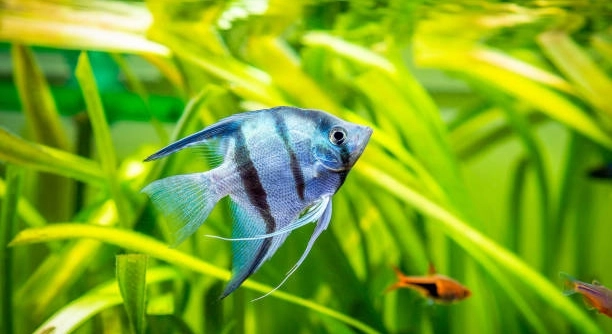
Do you ever find yourself unsure if your angelfish are getting the right nutrients in their diet?
The best way to maintain a balanced diet for angelfish is by offering a variety of foods, including high-quality flakes, pellets, frozen or live proteins, and occasional plant-based supplements to ensure complete nutrition.
Feeding your angelfish the right way can support their growth, enhance their colors, and keep them active and healthy in your aquarium.
Feed a Variety of High-Quality Foods
A balanced diet for angelfish starts with variety. Flake foods and pellets made for tropical fish can be a good base. Choose options that list fish meal, shrimp meal, or spirulina near the top of the ingredients. These foods usually contain essential vitamins and minerals. Frozen or live foods like brine shrimp, bloodworms, and daphnia help add protein and stimulate natural feeding behaviors. These additions are especially important during breeding or growth stages. Vegetables such as blanched spinach or zucchini can be added occasionally to support digestion. Feeding a mix of these ensures that your angelfish get all the nutrients they need without relying too heavily on a single type of food. Over time, rotating food types also keeps them interested and more likely to eat well.
Avoid feeding the same thing every day. It limits nutrition and can lead to health issues or disinterest in food.
Offering variety mimics natural feeding habits. It gives angelfish a better chance at staying active, colorful, and healthy. Fish kept on diverse diets show stronger immune systems and better overall development. Make sure to switch up their meals every few days and observe which foods they respond to the best. This makes feeding easier and more effective.
Don’t Overfeed
Feeding too much at once causes waste to build up quickly. This can cloud the water and affect angelfish health.
Overfeeding is a common mistake that can lead to water quality problems and poor fish health. Uneaten food breaks down and releases harmful substances like ammonia, which stresses the fish and affects their appetite over time. Stick to feeding only what they can eat in two to three minutes, once or twice daily. If any food remains after that, remove it right away to keep the tank clean. You might also notice that angelfish beg for food even when they’re not hungry. It’s normal behavior but shouldn’t affect your routine. Balanced feeding supports digestion, helps maintain water parameters, and prevents bloating or other issues. Consistency and moderation will keep your angelfish in good condition without extra waste or risk.
Include Plant-Based Foods Occasionally
Angelfish are omnivores, so they also benefit from plant matter. Feeding them small amounts of vegetables helps support digestion and provides important nutrients they may not get from protein-based foods alone.
Blanched vegetables like spinach, zucchini, and peas can be added once or twice a week. Remove the skin and boil them briefly until soft. Chop them into small, bite-sized pieces so the fish can easily eat them. These foods offer fiber, which supports gut health and reduces the risk of bloating. Start by offering just a small amount and see how they respond. If they show interest and eat it all, you can make it part of their weekly routine. Make sure to take out any uneaten pieces after a few hours to avoid spoiling the water. Plant-based options are not a main part of the diet but are a helpful addition.
Some quality flakes and pellets also contain spirulina or algae. These are easy plant-based options that do not require prep. They give angelfish a chance to get more balanced nutrition without adding fresh food each time. Look for foods that clearly list plant ingredients near the top of the label. These commercial options are often better absorbed than raw vegetables. Rotating between fresh and processed plant sources works well.
Use Frozen or Live Foods for Protein
Frozen or live foods provide rich protein and encourage natural feeding behavior. These options help angelfish grow well and develop strong colors. Offer them a few times a week in small amounts.
Brine shrimp, bloodworms, blackworms, and daphnia are all excellent sources of protein for angelfish. These foods closely resemble what they would eat in the wild and stimulate natural hunting responses. Frozen options are more convenient and safe than live ones, but both are effective. Always rinse frozen food before feeding to remove excess preservatives. For live foods, make sure the source is clean and reliable. Feed protein-rich foods two to three times a week along with their usual flakes or pellets. Too much protein can cause digestive problems, so avoid overfeeding. If you’re raising fry or have a breeding pair, you may increase the frequency slightly. A mix of high-quality dry foods and these protein boosts is a simple way to improve health and energy.
Avoid Feeding Human Food
Feeding angelfish human food can lead to serious health problems. Foods with salt, oil, or spices are harmful and hard for them to digest. Stick to items made specifically for aquarium fish.
Even small amounts of bread, meat, or cooked leftovers can disrupt their digestion and water quality. It’s not worth the risk.
Watch for Signs of Overfeeding or Deficiency
Angelfish that are overfed may appear bloated, become sluggish, or ignore food. You might also notice cloudy water or leftover food floating in the tank. If they’re underfed or missing nutrients, they can show signs like faded color, thin bodies, or frayed fins. Keeping track of their eating habits and appearance can help you adjust their diet as needed. Clean water and balanced feeding usually correct most mild issues. Always remove uneaten food and use a varied feeding schedule. That way, you’ll keep your angelfish healthy and prevent problems before they get serious.
Stick to a Consistent Feeding Schedule
Feeding angelfish at the same times each day helps with digestion and reduces stress. They learn when to expect food, which keeps them active and alert.
FAQ
How many times a day should I feed my angelfish?
Feeding angelfish once or twice a day is usually enough. If you feed them twice, keep the portions small to avoid leftovers. Watch how much they eat in two to three minutes and remove anything uneaten after that. Overfeeding can make the tank dirty and harm their health. Feeding at the same times each day also helps them stay active and reduces stress. If you’re caring for young angelfish or breeding pairs, you can increase the frequency slightly but still keep portions controlled.
Can angelfish eat goldfish food or other fish flakes?
It’s better to give them food made specifically for tropical fish or angelfish. Goldfish food usually has different ingredients and lower protein, which doesn’t support the needs of angelfish. If you use general fish flakes once in a while, it’s not harmful, but don’t rely on them. Look for flakes or pellets that include fish meal, shrimp, or spirulina to match their needs more closely. Good nutrition helps them grow well and show strong colors.
What should I do if my angelfish stop eating?
First, check your water quality. Dirty or unbalanced water is one of the most common reasons fish lose interest in food. Make sure the temperature is stable, and ammonia or nitrite levels are low. If the water is fine, try offering a different type of food—something more appealing like frozen brine shrimp or bloodworms. Sometimes fish just get bored. Also, look for signs of illness like clamped fins, hiding, or odd swimming. If symptoms continue, isolating the fish and consulting a vet or local aquarium expert might help.
Do angelfish need live food, or are frozen and dry foods enough?
Frozen and high-quality dry foods are usually enough for healthy adult angelfish. Live food can be used as an occasional treat or during breeding, but it’s not required. In fact, live food can carry parasites if not handled properly. Frozen options like daphnia or bloodworms are safer and easier to store. Dry foods, if they include protein and plant content, also support long-term health. Variety is more important than using live food specifically.
Can I feed angelfish vegetables every day?
Vegetables are a healthy addition, but they shouldn’t be fed daily. Once or twice a week is enough. Overfeeding veggies can lead to digestion problems or cloudy water. Stick to blanched spinach, zucchini, or peas, and cut them into small bits. Remove any uneaten pieces within a few hours. If you want to include plant-based content more often, try flakes with spirulina or algae—these are safer for daily use and require no prep.
What are signs that my angelfish are getting the right diet?
Healthy angelfish are active, alert, and have strong, consistent coloring. Their fins should be smooth, not clamped or torn. If they eat quickly and show interest during feeding time, that’s a good sign. You’ll also notice steady growth, especially in younger fish. Their waste should be regular and not stringy or white. When their diet is well-balanced, they also show fewer signs of stress or illness. Keep an eye on how they look and behave each day—that’s the easiest way to catch small problems early.
Is fasting angelfish once a week good for them?
Yes, skipping a feeding once a week can actually help their digestion. It gives their system time to process food fully and reduces waste buildup in the tank. It’s a common practice among fish keepers and usually doesn’t cause any stress. Just make sure they’ve been eating well before and after the fast. Avoid fasting very young fish or sick fish, as they need steady nutrition.
Can angelfish eat fruit?
Fruit is not recommended. Even small pieces can contain too much sugar and throw off the tank’s balance. Some people offer very tiny amounts of soft fruits like banana or melon, but it’s not necessary. Stick to fish foods, veggies, and protein sources that are proven to work well. Angelfish do better with foods that match their natural diet. Fruit doesn’t offer much nutritional value for them and can rot quickly in water.
What’s the best way to feed frozen food?
Always thaw frozen food in a small cup of tank water before feeding. Do not feed it straight from the freezer. Rinse it lightly to remove any preservatives. Use feeding tweezers or pour it in slowly to make sure your angelfish get a fair share. Feed only as much as they can eat in a few minutes. Frozen food should be treated like a supplement, not the main meal, and offered only a few times a week.
Final Thoughts
Feeding angelfish the right way is simple once you understand their needs. A balanced diet includes high-quality flakes or pellets, protein-rich foods like frozen brine shrimp or bloodworms, and occasional plant-based items such as blanched vegetables. These different food types work together to support health, energy, and growth. Angelfish are more active and colorful when they eat a variety of foods. Sticking to a schedule, feeding the right portions, and watching how they respond makes a big difference. Too much food or the wrong kind can lead to problems, so it’s important to be careful and consistent.
Many people assume angelfish can eat whatever is available, but this can lead to trouble. Human food, overfeeding, and lack of variety can harm their health over time. Angelfish may show signs like faded color, low energy, or digestive problems when their diet is not right. Keeping an eye on these signs and adjusting their feeding habits helps prevent issues. It’s also a good idea to make changes slowly when introducing new foods. Some angelfish may need time to get used to unfamiliar textures or tastes. Over time, you’ll learn what they like best and what keeps them feeling well.
Taking the time to feed your angelfish properly is worth it. A simple routine with the right foods leads to a cleaner tank, healthier fish, and fewer problems overall. You don’t need to spend a lot of money or overthink it—just focus on quality, balance, and consistency. Whether you’re new to caring for angelfish or have had them for years, giving attention to their diet is one of the easiest ways to keep them thriving. The more you learn about their behavior and preferences, the better choices you can make. In the end, well-fed angelfish are more peaceful, live longer, and are more enjoyable to care for.

Hello,
If you enjoy the content that we create, please consider saying a "Thank You!" by leaving a tip.
Every little bit helps us continue crafting quality advice that supports the health, happiness, and well-being of pets around the world, for pets of all shapes, sizes, and species.
We really appreciate the kindness and support that you show us!